About the Episode:
Do you ever feel like you are just getting stuck in “survival-mode” and forgetting to actually live your life? It can be hard between the hustle of work and every day life. In episode 4 Bunny interviews Cari Heibel-Briner – a realtor, entrepreneur and coach. Cari has been her own boss for 22-years and is a wealth of knowledge on how to “live you life, not your mind.” Want to find out what that means? Check out this episode! Cari’s insights will inspire you and give you a new perspective on living a life of gratitude.
Resources mentioned in this episode:
Website: businessandlifecoaching.com
Cari’s email: cari@businessandlifecoaching.com
Free Coaching Call: https://businessandlifecoaching.com/free-coaching-call/
Instagram: https://www.instagram.com/cariheibel/
Facebook group: https://www.facebook.com/groups/joinbusinessandlifecoaching
LinkedIn: https://www.linkedin.com/in/cariheibel/
Subscribe to Lifesaving Gratitude on your favorite podcasting platform





Featuring:
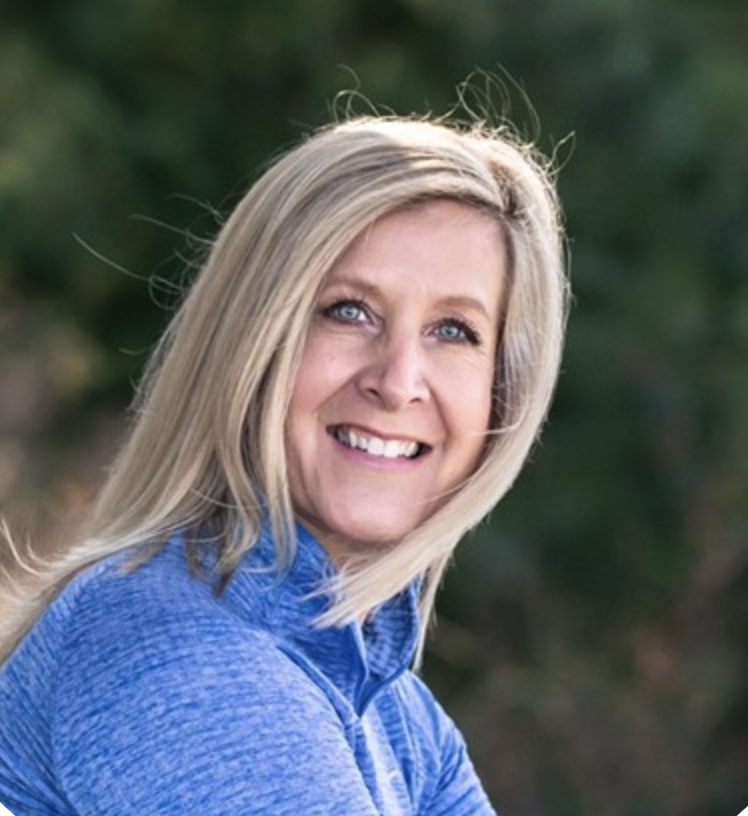
Cari Heibel-Briner
Cari Heibel-Briner, Holistic Business Coach and President at Freedom Coaching, started in the real estate industry in 2001. She has been an entrepreneur since age 22 and was a top producing real estate agent in Minnesota for 10 years. As the CEO of a Brokerage the following 5 years, Cari grew it to the number one real estate office in the state of MN in closed transactions. The agent count went from 80 to over 300 agents and there were over 40 real estate teams running their businesses under Cari’s leadership. This combined experience along with her leadership tenure as the previous Director of Expansion for Hergenrother Realty Group has resulted in Cari successfully recruiting over 800 people to the real estate industry and helping to build over 70 real estate teams nationally since 2012. As part of the Hergenrother Realty Group leadership team, she helped expand the team to its current 30 locations across the country with over 220 agents doing over $444M in sales volume annually. Her leadership, training and coaching drove the team’s success in addition to her unparalleled recruiting results. In the past 13 months, Cari and the team of Holistic Business Coaches at Freedom Coaching have helped over 300 clients nationally to build bigger and better businesses while improving their lives.
Episode Transcript
Bunny:
[inaudible] hi everybody. It’s Bunny Terry, with the life saving gratitude podcast, and today we have a really special guest Cari Hibal Briner . Who’s going to talk to us about the science of gratitude, her practice of gratitude, how you use it in business and how she coaches her clients to success through that sort of a practice and be sure to subscribe, rate and review us anywhere you listen to your favorite podcast. As you well know, we talked to a lot of people about the science behind gratitude and how gratitude has changed their lives. And you’re in for a huge treat today. My friend, Cari, Hibal Briner. I said that, right, right, Cari, she and I, well, actually I saw her years ago on the stage at a huge event, speaking about business coaching and leading a team. And she had written a book with , um, a guy she was working with at Adam Hergenrother and they have evolved into , um, a huge coaching business. So Cari is the president of coaching at Adam Hergenrother and she’s a holistic business coach, which means that she is, you know, she doesn’t just treat what your business needs are. She helps you with mindset. She’s been an entrepreneur since age 22 and she was a top producing real estate agent in Minnesota for 10 years. And Cari that’s when you were working directly with Adam, right?
Cari:
Actually I didn’t meet Adam yet. I was with a different company at that time I got into real estate right out of college. I was just telling somebody the other day, I actually now have been an entrepreneur and in the real estate industry for half of my life officially, which is really a weird thing to think about. Um, so I started at 22, I’m now 44. Um, and so I really haven’t worked for anybody else, but myself, which is really interesting and it’s been a wild ride, which is why I’m really passionate about helping entrepreneurs and business owners. But so, so I hadn’t met Adam yet. I actually sold for 10 years. Then I moved into the brokerage space and grew the number one office in Minnesota after that that’s actually, when I got introduced to Adam through that organization. And then he and I began to work together to grow the expansion team, which is still , um , just, you know, wildly successful in growing. Um, it now is in 30 locations across the country doing last year, over $440 million in sales volume. And I think on pace to probably do closer to 600 million this year. So that was a great treat. And that’s really where he and I started working together. And then we started the coaching organization together and actually, Bunny um , the , this is going to be the first event in which I’m announcing that we actually just announced to all of our clients and coaches our name change. And so our new name for our company is Freedom Coaching. And I can tell you why if you’re interested later, but some super excited about that.
Bunny:
Wow. I love that. And um, those numbers that’s serious entrepreneurship. I mean the wow, wow. 600 million this year. So, and I should let folks know that , um, Cari and I met , um, through Keller Williams, which is certainly , uh , an amazing tool for learning mindset and gratitude, but Cari let’s, let’s talk personally first, what’s, what’s your personal experience with gratitude and, and, and, and what’s your big, why we talk about that all the time?
Cari:
Sure. So I’ll start with the big, why , you know, that’s an interesting , um, concept to me because, you know, that was introduced to me more when I did get into the Keller Williams space, when I ran the brokerage and we became the number one office that was the company that I was with and the office we grew. And that’s really where a lot of , um, along with meeting Adam, kind of the combination of those two things was the impetus for , um, for really my personal development. Uh , because for 10 years prior to that, I did a lot of great things selling real estate, but I did not have a lot of good things going on in personal life. And I find that for entrepreneurship , um, that’s actually quite common because we get really over identified and really, really , um, focused on business, which we have to, if we’re building a business and if, if we’re, you know , only getting paid when we’re showing up and doing the things, it can be something that becomes all consuming. And I find that in a lot of our clients. So that was my story as well. Um, lots of things not going the way I would have wanted them to go personally, but I just kept going to business because that was successful. Um, and so long story short, when I was exposed to more of the personal development and the mindset growth, I started to realize that for many years I was living my mind. I wasn’t actually living my life and I made a conscious decision to no longer do that. Um, and so , um, that’s when the journey started, which is still my passion. So back then, you know, I was always trying to figure out what is my big why? And, you know, you ask people that, or I ask people that often when I’m coaching them and you know, they say the same things and they go, but I don’t even know, like everybody says, it’s my family. And I want to create a legacy and , you know, all of these things. Um, and , and I think that’s true. I mean, I think honestly all of us of course, want to be better and want to support our families and want to have a better life for, for our children. I mean, that is of course, I think probably a universal desire. And , um, what I found over the years though, is that naturally as human beings, we will run further away from pain than we will ever run towards pleasure. So sometimes I feel like when we focus so much on a big why , or , um, some of these things, these goals, even though we want them very much, if there’s something that is painful in our life, that’s going to be far more motivating than, than the things we’re going towards. So that was really my impetus of change. It wasn’t because I wanted it to be a better human being and have a better business for my family. I wanted to, but that actually, I wanted that for 10 years and it did make me change. Um, what actually made me change was that things got far too painful that I couldn’t continue to live a life like that. I mean, I was, you know, divorce wasn’t as was impending. I wasn’t at , I wasn’t healthy. I didn’t have great energy. I was disconnected emotionally from a lot of people. And this was obviously over the course of 10 years, this doesn’t happen overnight. This is little by little by little, and you don’t realize it’s happening until all of a sudden you’re like, wow, what just happened? And that’s like everything, you know, slowly, slowly, slowly, and then suddenly. And so what I would say to you about that as my perspective around that has changed, I still have great goals. I still absolutely want to achieve things. I do believe that they motivate me to some degree. However, what I have found now is that I use that pain point those many years of which I feel like I lost time. Um, and I wasn’t very present in the moment at all to motivate me to never go back there. I will, I will be far more motivated to not go back there than I ever will, to where I’m going to be honest. And I’ve found that to be true in a lot of people. So I just don’t allow myself to go back there, which means I have to become someone different. I have to act differently. I have to force myself to be more present. I have to do these daily practices, which gratitude has become one of them. Um, my purpose has changed. And today I believe that it is to use the present moment, whatever I’m doing in that moment to bring my best self so that those people that I interacted with or that situation is better because I was in it. I don’t know what tomorrow brings. And so I’m not going to get caught up in something too grandiose. I’m just going to live my moments, because I think that’s genuinely where every single human being has a lot of power to bring their talents, their strengths, and their purpose into, into reality, into impacting other people.
Bunny:
Cari, I wrote down about five, five things you said like, wow, but the part where you said living my mind, not my life, I, I, you and I had the same experience because I was in real estate 10 years before I came to this company and we get so stuck in survival mode that we forget to take care of ourselves and to take care of our mindset and then live my moment. I, I love that as well. I always say that , um, I read one, one time , um, Natalie Goldberg said, every moment is enormous and it’s all we have. And so being determined to be present and to bring your best self is so important. And then that piece where you said the pain of going back is such a motivator to always keep moving forward. Having daily practices, I really wrote down like seven things that you said.
Johanna:
So I know, like , I feel like everything you’re saying, which is like light bulbs, light bulbs , like , well , I was like, so just really clicking and I think that’s so awesome. And it’s a great way to, like you said, shift your mindset and your perspective and help you look at things differently. And I think it’s so true. Um, the , the motivating factor and living your mindset. Yeah. It’s pretty spot on.
Bunny:
Yeah. So tell us about your daily practice. That’s what we want to know.
Cari:
Yeah. So, and that, that has definitely changed. I didn’t use to have a daily practice. I, I was laughing with my husband the other day because I said, you know, I think about what my morning routine was when I was a really, really busy realtor. And I two young boys , um, I think my youngest was a baby. And then my oldest was like four. He had just turned four. My daily practice was getting myself out of bed. You know, my kids woke me up early, like all moms. And , um, I wasn’t, I never thought of myself as a morning person. That’s a whole other story because that’s an identity. That’s just a , that’s a story I was telling myself that I wasn’t one. I think some people are maybe more naturally inclined to, but anybody can become one and that’s been a mindset shift for me. Um , but I didn’t think I was. And I , that was the story I told myself and I was always tired. I didn’t like coffee. I was young. I was a young mom and also a young entrepreneur. And so I would wake up and I would , um, I would eat a, an Eggo waffle with syrup and I would have a mellow yellow. I’m not kidding you. This is at like age 23, 24. I was like, how did I even survive? That was like the biggest sugar high I could have ever. Like, how was that crashing it ?
Johanna:
I even know what a mellow yellow is.
Cari:
It’s better than Mountain Dew. Um , and so I like, well , wow, look how far I’ve come. And my husband is just shaking his head like that. It’s just funny to let you know. So , um, if anybody’s listening and they’re like, you know, I have this horrible morning routine and I have these, these habits that aren’t serving me, I will just tell you , um, you know, I don’t know if it gets much worse than that. And then I turned it around so you can too. Um, so it’s been a practice over many years and it keeps changing, but I’ll tell you the ones , the one thing that I don’t not ever do is write my gratitudes. That is one thing. Um, you know, I have innately been a very optimistic person. I’m really blessed with that natural tendency, I think. Um, and I’m sure also a lot of it was just, you know, my parents, they were not negative people. I don’t know if they were, you know , um, necessarily like, you know, sharing gratitude all the time by any means. I don’t think they were that extreme, but they never really imposed negativity. I mean, there was always a way or an option. We moved forward quickly through something that wasn’t ideal and we made the best of what we had. And so I think it was a combination of that and just, just my personality, I’m just extremely optimistic. And so positivity has never been a challenge for me. Um, but you know, being purposeful in gratitude is very different than being positive. Um, and so what I know and what you know, and I know, you know, this , um, Bunny, we’ve talked about this is when you’re in a state of gratitude. You actually absolutely like psychologically cannot also be in a state of negativity. It’s impossible. So , um, you know, for me, I’ve, I’ve developed a lot of very , um, some self-talk , uh, techniques since a very young age, because although I was very positive, I was also very anxious as a child, and that’s really kind of resonated throughout my life, which is part of what I said when I said living my mind and not living my life is that, you know, your mind will tell you stories , um , and bring in fears and thoughts and anxieties and stresses and worries. And it , none of it’s real, it’s all fake. Um, but we believe it and we think it is real. And then it drives the way we live our life. And it’s actually not even how we want to live our life. And that’s really the, the meaning behind that. And so a lot of the self-talk mechanisms that I think I developed over the years to calm my fears and anxieties were really very positive self-talk, you know , um, because they had to be because I needed to combat what I was feeling. So that had just kind of randomly occurred. I don’t know when I ever started that, to be honest. And it just has transpired throughout the years, but I would say about five years ago, four years ago , um, when I was more purposeful about my morning routine, that’s how I started. Um, because again, I still didn’t believe I was a very good morning person. I was so groggy. I was like, Oh, I need to figure out some kind of morning routine. What can I do? And so what I can do very easily is roll out, not even roll out of bed, roll over in bed, grab my gratitude journal and my pen sitting on my bedside, sit up and write what I was grateful for that day and wake up slowly but surely in a place of positivity. And , um , that’s been, that’s been a constant ever since. And then it’s changed into now, you know, after I do that , um , reading a particular book, actually a hard cover book, not listening to audible, I’ve been back into that. Um, because I think that’s a whole different thing to be able to actually just calm your mind and get into reading a physical book is something different , um, and prayer. Um, and then , um, then I work out , um, and spend some time, you know , uh , getting my kids off to school or where they’re going , um , for a few minutes, just making that connection with , with loved ones. And then I go into my day. Um, so that is not, you know, super complex. People think sometimes you have to have a morning routine that’s hours upon hours long, and it has to be so robust. And I think that’s just the wrong way of thinking about it. You know, you’ve just got to do what works for you.
Bunny:
You know, I wrote a blog post Not very long ago. Um, well it was sort of at the beginning of the pandemic, but I said, you don’t…stop feeling guilty about your morning practice, your morning routine, because it seems to me that there’s been this move over the last three or four years to make people feel guilty. If they don’t have this really complex morning routine. And I want to say to our listeners, you just got to pick what works for you, but whatever puts you in the right mindset to make the most of your day, and to be the most present, do you agree
Cari:
A hundred percent? It’s like anything, you know, it’s really interesting about what you just said is as overachievers, we tend to constantly compare ourselves to what we think other people are doing by the way. It’s probably not what they’re really doing. We think what they’re doing, or it looks like what they’re doing to what we actually do. And that’s a very dangerous situation, psychologically speaking, because what you see is not really reality. And so we don’t even know what people really do. So then comparing to something that they aren’t even doing, right. Making us feel bad. Well, that’s not motivating. So if we feel bad about something, are we motivated to go do it? Of course not. And so number one, not comparing is it’s hard, but it’s , um , critical. And then number two is as overachievers, we think we have to go zero to a hundred or why even do it. And , um , well, intensity is not what brings results in any way, shape or form in anything in life. It is consistency all day long and you could talk to any successful person. And that is absolutely the key to success. So realistically is somebody going to go from never having a morning routine to a three hour, one consistently? Will never happen. I don’t care who you are. It’s never happens. Um, it’s the consistency of doing anything or something, or one thing that ultimately will continue to build on itself. And that’s why when you see people at this robust morning routine, you know, digging a little bit and find out where did they start? How long have they been doing it? And you’ll realize they started with something small too . And it’s been 10 years in the making. And now you’re trying to get there in six months or six weeks, and it’s just not going to happen. So what I tell people is you’ve got to stop doing that and you’ve got to do one thing. That’s what I did. I did my gratitude. I mean, it took me, you know, two minutes to do that. And that’s what my morning routine was for awhile , because I just had to get into a habit of getting up and starting something consistently. And that’s what I would encourage anybody to do. Whether it’s gratitude, journaling, whether it’s morning routine, whether it’s lead-generation , whether it’s anything that you need, exercise, anything that you need to accomplish in your life. You’ve got to start with something very simple that you will absolutely do every day. And I will ask my coaching clients, will you actually go do XYZ ? You’re telling me you’re going to do this. Are you actually going to do that every single day? Well, I’m going to attempt to no I don’t. What are you going to actually do? What can you literally tell me without any pause that you can do every single day? I don’t care if it’s two minutes or 30 seconds, stop trying to prove something to me. I don’t care. Um, you just got to do something that you’re actually going to show up for yourself every single day. That’s where it’s gonna make the difference. And then they, you know , back it down a little bit more, but it’s not natural. Um, Bunny for us to, you know, want to start small because then we feel like it’s insignificant. It doesn’t matter. And that’s not true.
Bunny:
Well, and I think that Johanna can speak to that. Cause she, she has a new baby. And you know, like you were talking about when you were young and you had two small children. I mean, we have a lot of people who are entrepreneurs. It seems like, especially now there’s this whole young group of entrepreneurs and they’re raising families and they’re made to feel guilty because they don’t have it all figured out. And I, and that’s so important to just, you know, micro habits, right? I mean, there’s a book about it. Try some micro habits, do two pushups to start with don’t do 20. Right?
Johanna:
Yeah. That’s what I was thinking. It was kinda like when people say they’re gonna start like a new diet or a new workout routine and they, they think they’re just going to go from zero to two workouts a day or a detox diet. And I mean, you’re just setting yourself up for failure with that. I mean, you’re , uh , you’re making it out of your norm too much or out of your means or your time set. Um, so yeah, start with little steps and build on it. Like you’re saying, I love that idea and , um, know what’s actually gonna work for you and don’t try to do something that somebody else is doing because I mean, you don’t know what their schedule is or what, or how long they’ve been doing it. Um , so I love that idea of just like maybe pick one thing or something that’s accessible to you and build on that.
Bunny:
And what, so tell us about , um, how does gratitude work for you professionally?
Cari:
Um , you know, as anybody in business or in any career, it doesn’t matter if you’re an entrepreneur or not. Um, what you focus on is going to be a reality. So, you know, we are what comes back to us in life or business. It doesn’t matter what we’re talking about. If we’re very honest with ourselves is absolutely a reflection of the lens in which we see through and how we project things. So as much as we’d like to say, the challenges that we’re facing are not our own or are not the cause of ours. Um, it’s just not true because you can look at any situation and you can try to say that it’s because of this or that, all of these things that are completely out of our control by the way, anyway. Um, and if we would be honest about ourselves, where is it stemming from and why is it happening? If we look deep inside, usually we find where it really stems from it . It’s inside of ourselves. And because we have a perception because think a certain way, because we are projecting something out, that’s what we’re getting back. So for me, if there’s a challenge at work , uh, you know, I immediately look inside and go, wait, where, why, why is that happening? Um , and what can I do about it? And the only thing I can do by the way is something that has to do with me because I can’t control anything else other than me. Um, so why would somebody be acting a certain way at work? What, what, what am I doing to potentially create that? Or, you know , um, how am I responding to that person in certain moments that makes them react? And then I’m upset that they’re reacting that way because at the end of the day, the reality is is that it, it, it all starts with us. And every choice we make is going to , um , indicate to us what we’re getting. Right. I always say to people, if you’re wondering how you’re doing in any situation, business, life, relationship, health wellness, all you have to do is look at your current situation and it’s your best feedback. I mean, it tells you the truth. If you want to be 10 pounds lighter and you’re not , um, well then you’re not, and that’s fine, but that’s the feedback that is telling you, you’re not making the choices that you need to be making to be. You just don’t want it bad enough, or you haven’t decided, or you’re, you’re not making the right choices. There’s no, there’s nothing else out there that, you know , dictates that it’s you. If there’s challenges in business and you’re the leader. Then, then that’s the challenge. It is what it is. Don’t beat yourself up about it, but realize that it’s a reflection of what you’re focusing on, what you’re doing, who you’re being , um , in that, in that situation. And so then if you’re really open to being honest and transparent with yourself, what do you need to do differently to change it? Because we’re not going to change a result by trying to change other people or trying to change something on the outside. It just doesn’t happen. And that’s , um, so, so that’s a perspective. And so if you’re constantly looking at what you’re grateful for and , um, accepting and loving and , and being really comfortable with where you are, where your business is, what’s happening, then you don’t go into a state of negativity, blame, victim , hood , all of the things you stay in a state of, you know , um , I’m grateful that this is happening. This isn’t exactly ideal how it is, but you know what it’s supposed to be that way. How do I know that because it is, and if I want it to be different, I need to look inside and I need to make some decisions and make some changes. And it’s , it’s called just being really, really direct and honest with yourself, which I think is very hard for people to do. Um, there is a technique I’d love to bring up though. And I talked to my people I work with, and this is when something’s going, not the way we want it to, and our mind immediately comes to a thought of negativity and it starts going, Oh my gosh, I hate that this is happening. Or why does this always happen? You know, we can’t control the first thought we have oftentimes. So we can’t beat ourselves up about that. However, we can choose what our second thought is. And so if we’re very aware about our thoughts, we’re moving away from the subconscious thinking and we’re just, we listen to ourselves and we go, Oh, there, you know , I went into this negatives statement or this victim hood a really easy way to retrain your brain. And one that I’ve done for years is , um, Oh my gosh, I can’t stand having to sit in this rush hour traffic every single day that I’m going to work. That was my first thought. And immediately I would go, but, and I say, but on purpose, and I’ll explain it and you’ll know this , um , Bunny, cause you , you don’t want to use, but in certain circumstances because it negates what you just said, but in this circumstance, I want to negate what I just said. Right? So we say, but I’m really grateful that I have a job to go to. And so at the end of the day, that’s, that is the bright spot. So when I say, but I’m negating this, this first negative thought that came into my mind, I’m not beating myself up about having it. And I’m immediately turning it around to something positive. You’ll be very interested to notice that if you do this consciously aware, aware of it, and you’re doing it on a regular basis for probably 30 days, 60 days, you won’t even know you’re doing it anymore and you will do it all day long and it will be a completely, you know , subconscious thought pattern. Um, but isn’t that an amazing thing because you’re immediately turning your moments into gratitude. You’re moving out of negativity, into gratitude in a very, very simple way. So that’s something that I do in work often if I find myself getting worked up or upset about something, but honestly in life in general,
Bunny:
Ya know, Cari I, that is, that’s just, that’s gratitude, reframing every single obstacle that you come in contact with, right ? Yeah . Yeah.
Johanna:
It’s being really mindful of where, where are your thoughts are going? And , um, if you are starting to lean towards the negative, you have to make that conscious effort to stop yourself and think of something else that you’re grateful for. Um, I think that , uh, is amazing. And it goes back to what you were saying too about the , um, positive self-talk, because I think we’ve talked a lot about gratitude and thinking about what you’re grateful for kind of in past episodes, but we haven’t talked about , um, having an overall, you know , positive mindset and , and being kind to yourself with your mindset and having that positive self-talk is huge part of that. So I , I really appreciate you bringing that up.
Cari:
Yeah. I mean, here’s the thing, the reality is whether we like it or not, we have a lot of subconscious thoughts, right? We have a lot of things. We act subconscious, we act out and we don’t even know we are, we respond and react to things and it’s not even a choice. It’s just what we’re doing. So when you said mindful, I think that that, that’s the key, the practice of personal development, the practice of , um , more spiritual growth, the practice of starting to live your actual life, not your mind is simply just being mindful. Just knowing we have a brain that is going to do these things, and if it , we don’t have a choice, however, we can change it. If we’re mindful, we’re aware we can change things. That’s the power. Um, yeah . And the other thing I would say that wraps this all up is the problem that people have, I think, and I had it for awhile , um, is we beat ourselves up over how we’ve been or how we are. And when we’re doing that, that’s a very negative state to be in. And it’s very hard to move through it into some positivity. So for an example, I mentioned to you a lot of things that were going on in those first 10 years of my real estate career, as a, as a single agent and as a mom, a young mom and I was young entreprenuer . And I just really was completely unaware of myself. I mean, I didn’t even know how I was being what I was avoiding. I mean, I just was literally so all consumed with these thoughts that were not positive, that I didn’t even really realize it. And I could be beating myself up about that today. Of course, if I really wanted to about pan, I lost, I mean, I ha you know, what could I have done better? I lost all these present moments with my kids when they were young. I mean, there’s a whole bunch of things I could go down, but at the end of the day, what , what does that do for me? It does nothing for me. And it certainly doesn’t do anything for my children now, because then I’d be in that same state again, in my mind, beating myself up and I wouldn’t be emotionally available or present, or I wouldn’t be the mom I could be. So at the end of the day, what we have my whole point about that is we’ve got to make a decision that our past does nothing, means nothing to us, if we don’t let it. And, and here’s the really cool thing. Bunny, your mind will change the way you remember your past. It does it. So for an example, something positive happened in your past. You’ll think it’s even better than it was when it really happened. Your mind will change over the years of how you remember it, and the longer it goes, it changes because you don’t really remember all the finite details anymore, but you’ve conjured up your own story and your mind, and what really happened. I mean, you can give yourself an example and think of that and you do it all the time. Also people will actually think of the way bad things happened or things that they did over time. It’ll get worse and worse because they’re constantly beating themselves up. So if our mind changes the way we remember the past, why don’t we choose the way we remember it instead of letting our mind just arbitrarily do it ? Why don’t we say, you know what, I’m going to just choose to remember my past like this. And so I choose to remember my past, like, it was not all horrible. And at the end of the day, if it hadn’t have happened to me, I would not be the person I am today. So I need to be grateful for it. And I know I don’t need to be ashamed about it, and I need to use it to motivate me to be a better parent, a better business owner, a better coach, and a better spouse and better in my health to be around longer. And that’s exactly what I choose to do. So I think that’s what people have to do. If they’re stuck in a rut of negativity, it might be that they keep beating themselves up over something and they need to change the way they’re thinking about that. Then they can move into positivity.
Bunny:
Well, and I think Cari, that the important thing for our listeners to get is that this, this is something, it , this is such a gradual process. You know, when you start, like you said, with two minutes worth of thinking about gratitude in the morning. And I mean, I didn’t start out thinking that. I mean, and I’m still not some sort of an expert on gratitude, but certainly , um, in my life before I became mindful about this, I didn’t realize that the tiniest step moves you forward to, to a place where that your , your daily, all day long, you start reframing everything that happens to you into something that’s much more manageable. And I know that we, I know there are people that find life overwhelming. And I, and I just want to reassure them that these, these are incremental steps. But when you said that it’s consistency is more important than intensity, I thought that was brilliant because people don’t get that consistency wins every day wins over every skill. It wins over experience. I mean, I believe that don’t you.
Cari:
Yeah, absolutely. Absolutely. And you know, that absolutely that’s the truth because here’s what happens when you do anything consistently, number one, you gain confidence in something that you do consistently. You see results from something you do consistently, which of course is going to motivate you to keep doing it. But also more importantly, you actually gained self interest because when you say you’re going to do something and you don’t do it, you don’t trust yourself to show up for yourself. Even if you don’t know you don’t trust yourself. That’s a subconscious thought that you have. Like, I just don’t know if I show up for myself,
Bunny:
Wait, wait, wait, can we say that again? I love, I love the idea of self-trust. I mean, Johanna, that is, so I love that. I mean, we don’t think about it consciously, but, but people get stuck because they don’t trust themselves, I think.
Johanna:
MmmHmm.
Cari:
And they don’t even know they don’t trust themselves. I mean, honestly, it’s like, we think it’s like the last, maybe a lack of confidence or self esteem, but I actually think it’s a lack of self-trust. I think we look at it, we deep down just don’t know if we’ve g ot it in us to do what we need to do, because we’re not, I mean, that’s just the reality. And so if you put yourself in a position t o, to do something, that’s going to be a challenge to do something that you’re just not quite sure you can do, but you commit to it. And you achieve that in that moment a nd gaining that s elf t rust. U m, I don’t think that there is something more impactful that you can do for internal joy and fulfillment. I honestly believe that people are missing this feeling inside of them because they don’t show up for themselves and they don’t feel trustworthy inside of themselves. And so I tell people you’ve got to go do something that you don’t think that you can do. You’ve got to show up for yourself in some way and prove it to yourself. And trust me, you will never be the same person and it’s going to leak into every single area of your life. And so I gotta do something hard sometimes, but as human beings, we keep ourselves in the safe zone because our ego part of our mind, which by the way, is just it’s designed to protect us. It has been from the day we were born. It’s going to tell us not to do the things that make us uncomfortable, that make us nervous, that make us worry , that could, could be vulnerable, that we could fail at. It wants to keep us safe. So if we listen to our mind as if it’s a real thing, and the thoughts are reality, we won’t do any of those things. We’ve got to get used to pushing ourselves and choosing our own way and not letting our mind tell us what we should or shouldn’t do, because that’s actually how we live. I think a very happy and fulfilled life. I read a book Bunny. Um, I did the 75 Hard Challenge recently with my husband. It’s a mental fitness and emotional fitness challenge that you do things for 75 days. And he wrote a book about it, and it’s a really easy book to read, but he said something profile that has stuck with me that I share with almost every coaching client. He said, as human beings, we have been sold the idea that happiness and fulfillment and joy come in early retirement, foo-foo drinks on the beach, the big house , uh, all of the things that we want to do. And those were not ideas we came up with. That is not, that’s not what we think. It’s what we’ve been sold. If we actually were honest with ourselves, the time that we feel very best about ourselves, the most proud, the most happy, the most fulfilled it’s when we put ourselves in some situation that we overcame something we didn’t think we could. And it’s true. It is 110% true. But how often do we actually do that?
Bunny:
Um , no, no. I mean, and sometimes life just does it to us, you know, like when I was diagnosed or , um, I sometimes life puts us in those situations, but then I, I, you know, I’ve been talking all along about younger entrepreneurs, but I also want to say people in my age , um , I was 60 this year and I think that people, people in my age group, you know, let’s say 55 and older start to be more hesitant to take chances. I think, you know, people who, who sort of want to step back and not do things that are challenging. I’m like, no, we’re just, we’re just getting started. We’re just, well , in the world that I would write a book or do a podcast three years ago, I’m sure it was Johanna and I didn’t . But , um , I just wanna say you’ve , I mean, it’s, it’s like Cari says you have to learn to trust yourself. I think that that’s, that’s another piece of this and we could talk, we could talk about this for hours, but I think people forget to be , to be , to trust themselves and to be grateful for what they already know. I, I just did a podcast. I I’m sorry. I just did a blog post about imposter syndrome. And I said, I don’t believe it . I, I ha I hate the idea. It’s such a catchphrase now. And I don’t think there is such a thing. I think that we just don’t trust ourselves and we just haven’t learned, you know, we’re still learning. We’re still getting it, but you have to trust that you’re going to get on that path and learn everything you need to
Cari:
Maybe it’s because you didn’t develop that self-trust over the years, right? Maybe you haven’t done what you’ve said, you’re going to do. I mean, it can be the littlest and most of my new things, you haven’t created any kind of consistency in your life and you just haven’t pushed yourself outside of your comfort zone. The longer you go without doing it, the harder it is. But at some point you just have to do it. I mean, I had a speaker, tell me , um , you’ve got to , you’ve got to do something every day that makes you uncomfortable. To some degree, it doesn’t have to be extreme, but you can’t. If you, if you stop, you’ll never do it. Like it’s harder and harder and harder to put yourself in that position. It’s never a possible, right. So if somebody listening is like, man, I haven’t for a long time, it’s not impossible. Go do something now, maybe start with something small, but then start getting in the habit of every week that, you know, you’re just doing something new. You’re trying something new, look, none of us like to do something new where we know we’re going to look ridiculous or we’re going to fail, or we’re going to make mistakes and we’re going to Bumble through it. You know why? Because as human beings, we want to look good and be right. Well, if we try something new, we’re probably not going to do either of those things, but that’s okay because that’s where the growth occurs is in the space of being uncomfortable. And so I think that that is something that it goes with gratitude because to your point , um, you have to not only live in this space where you’re grateful for what you’ve done and what you’ve learned and who you are, and then also grateful for the opportunity to do something new, try something new and grow because , um , we live in a time and space where there’s plenty of new things we can explore and plenty of new opportunities. We can become an entrepreneur. We can write a book at any age of our life, right . We can do anything we want to do. And so that whole, like just being grateful for that and not wasting it, just being grateful for the life we have and not wasting it by staying in our comfort zone has been just an idea I’ve adopted. I’m a very, very anxious person in general. Um, I’m , uh , I just tend to have a lot of very irrational fears. I’m actually going to do a blog post on this. But , um, the thing is, is that, you know, I still, I forced myself to do things because I feel like if I don’t, I’m wasting opportunities, experiences, and my life I was given. Um, and if we don’t know how long we have, let’s not waste any more moments of it. And so again, the pain of not doing those things is too great for me, because that means I miss out on, you know, doing things with my significant other or my kids or in business. And I just, I just don’t wanna , I don’t want to waste any more time. So , um, I think that gratitude mindset can be a foundation for all of those thought processes. For sure.
Bunny:
Cari, there are so many nuggets in here it’s like, I’m going to have to go back and listen to it again, but I want to thank you so much for being with us, but I want you to tell me about Freedom Coaching. We want to hear what you’re doing
Cari:
Actually . Um, so freedom coaching , uh , Adam and I decided to change the name for a couple of really, really , um , specific reasons. Number one, because we started to realize why are people coming to our coaching in the first place and what are we helping them achieve? We surveyed a tremendous amount of our clients and got some great information. What we know is people innately go into business, entrepreneurship, business ownership, or even into some new career in their life because they want freedom from something. Um , and it might be time. It might be money. It might be long-term wealth. It might be opportunity, but at the end of the day, people, also many of them that we’re working with, they want freedom to be themselves, to live in alignment with who they actually are to freedom from their own mind. Like I needed 10, you know, 10 years ago. Um, and so this, this word just kept ringing through what they were needing and wanting and why they were coming to our coaching. The second reason is because what’s really interesting, that has happened over the last 13 months is we’ve started to attract clients and coaches all over the country from all industries. Um, and also by the way, all brokerages, all companies. And so we are a company that services everyone. We aren’t specific to any organization. We are a freestanding national coaching organization that can help you, whether you own your own brokerage you’re with any company, you are an insurance, you know, owner. It doesn’t matter because all of the concepts that we coach to the whole person, everything in life and business is something that a lot of people can benefit from. And really quickly, we came up with the core principles of our business and they are truth , Health, wealth, And impact. And these are the core principles our coaches live by. I live by and we want to encourage our own coaching clients to live by because here’s the thing, you have to find your own truth. You’ve got to live in alignment and live the life that you were meant to live. And that means starting to orientate your life towards something greater than you. And to figure out that purpose and to live daily presently, to do that. Number two, if you don’t have your health and you know this more than anybody Bunny, you know, lose your health for a day and then ask, you know, ask yourself how important it is. I mean, it’s critically important to everything in your life. And then wealth is not just about how much you have, but like, how are you using this tool? And what does that legacy and how are you, you know, what are you doing with it? How are you thinking about it? Because it’s really, really critical for people to be in the right mindset when it comes to wealth. And last but not least, I fundamentally believe that every human being wants to know and feel like they made an impact in this world. I just, I just feel like we all do, whether we know exactly what that means or not. We don’t want to leave this earth and feel like we didn’t, we didn’t matter. We didn’t make an impact. I don’t believe we can truly make the impact that we were put on this earth to make our God given talents and , and , and strengths and purpose. If we don’t take care of those first three things. Um, and so I kind of feel like impact brings it all together. So that’s who we are as a coaching company. Um, and you know, if anybody wants to check us out Bunny, it’s Bussinessandlifecoaching.com all spelled out easy enough, just like that. Or you can email me at Cari@businessandlifecoaching.com. We give free calls all the time. There’s no obligation, there’s no cost to that, but we love helping people, even in a free call if we can.
Johanna:
Okay, Great. And we’ll be sure to put that information, your website and your email address in the podcast description. People want to find that. Thank you.
Bunny:
Yeah. So , um , Cari and I did this before I was on her podcast and we found that we, we really could talk to each other for hours. Um, so Cari, will you come back sometime? I’d love to talk about, just talk about impact because I think that’s so important.
Cari:
Let’s do it. I would love to have as many conversations with you as possible. Very, very inspiring to me as well. Honestly, I’ve recommended your book and I told you this, you know , uh , to a multitude of people , um, but you’re just very inspirational. And this is, you know, I truly believe the way we think is, is, is what will, what will occur to us , um, and how we’ll be, and you’ve just taken, you know, everything that has occurred in, in your life and just made it matter. I mean, you’re making an impact. That’s exactly what you’re doing. And you know, some people just don’t see the opportunities to do that because they’re just not thinking about it the right way. And it doesn’t matter if it was a good, a bad and ugly experience. It all matters. Everybody’s story matters and it can help somebody else and it can make an impact. And I, I hope people just continue to live in their truth and, and own who they are and be willing to share more of their stories, because I think that’s how we continue to be better as individuals and, and just in general in this world.
Bunny:
Oh, absolutely. And I think stories in the end are going to save our lives. So we’re done for today, but I’d ask everybody to stay tuned for our next episode and to be sure to subscribe, rate and review us wherever you find your favorite podcasts. Thank you so much, Cari. And thank you, Johanna.
Johanna:
Thanks Cari, it was nice to meet you. [inaudible] .

About the Podcast
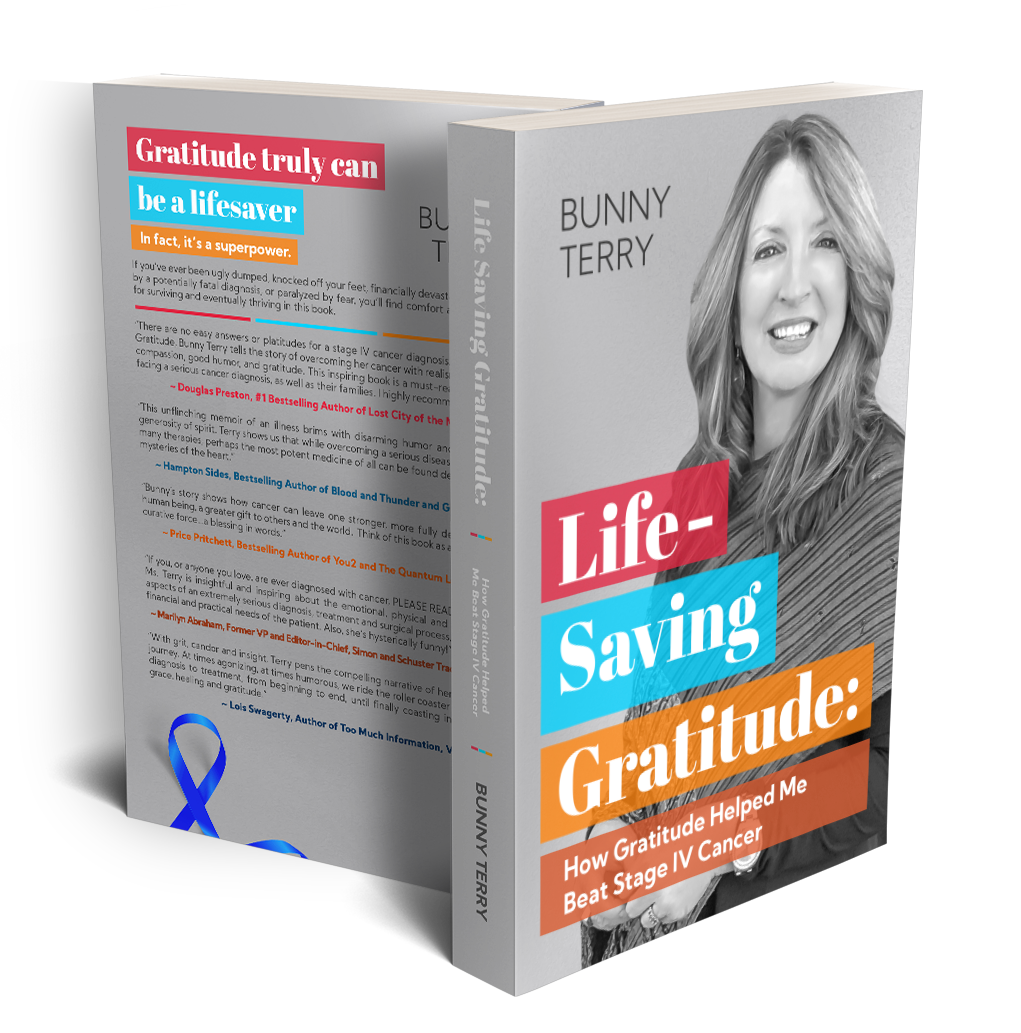
Gratitude is a superpower. It can transform—and even save—your life. Author and activist Bunny Terry discovered the life-saving power of gratitude when she survived Stage IV colon cancer. She interviews a wide variety of guests who have also used the art and science of gratitude to survive, and thrive, in their own lives.
Recent Episodes

I Love New Mexico Teachers: Bunny Terry
About the Episode: Summer is coming to an end and a new school year is...

I Love New Mexico Food: Kirk Muncrief of AlbuKirky Seasonings
About the Episode: In New Mexico you know we love food AND we love spicy...

100th Episode Recap: Bunny & Johanna
About the Episode: The I Love New Mexico podcast has made it to 100...