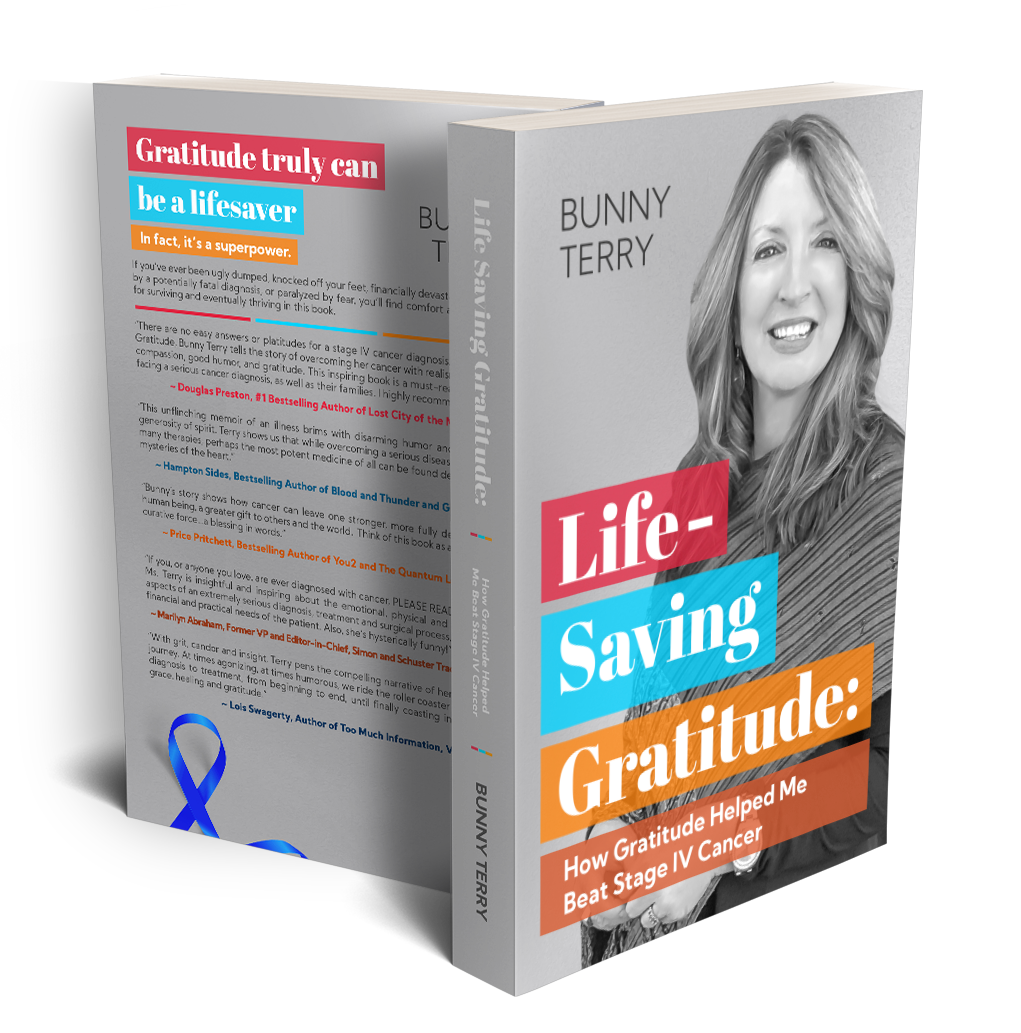
About the Episode:
Are you a glass half full or half-empty kind of person? Well what you might learn from this episode is that what’s in the cup isn’t nearly as important has how we choose to view it. On this week’s episode, Bunny talks to Daphne Miller about the science behind gratitude and how being grateful and mindful can actually rewire our neuro-pathways and create new ways of thinking! It’s all about choice v. circumstance and that through these practices, we have the power to change our circumstances. How cool is that?!
Resources mentioned in the episode:
- The How of Happiness: https://amzn.to/3nBVmsA
- Simple Abundance: https://amzn.to/32TzE9X
- Daphne’s Website: DDMconsult.com
- Daphne’s Instagram: Daphnemiller617
- Cold Coffee Life Podcast: https://linktr.ee/coldcoffeelifepod
- Center for Leadership and Wellbeing – George Mason University: https://wellbeing.gmu.edu/lead
- Katie Byron: https://thework.com/2017/10/the-work-and-mindfulness/
- Emotional Intelligence by Daniel Goleman: https://amzn.to/3fClGQR
- Donald Miller podcast: https://podcasts.apple.com/us/podcast/business-made-simple-with-donald-miller/id1092751338
Subscribe to Lifesaving Gratitude on your favorite podcasting platform





Featuring:
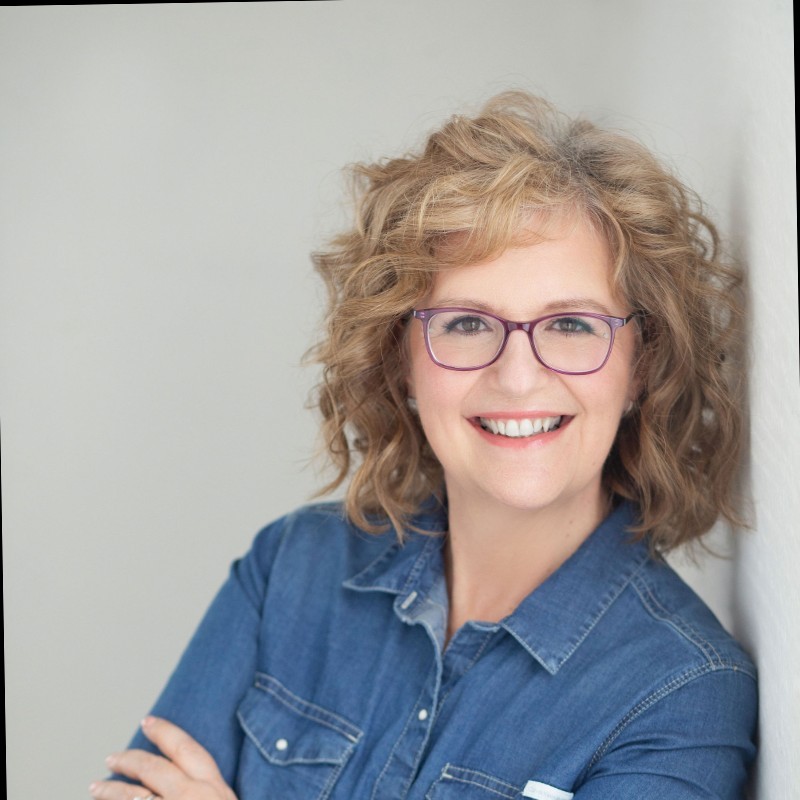
Daphne Miller
Daphne Miller, PCC, DDM Consulting, a coaching a leadership development organization. Daphne Miller is an Executive Coach and Facilitator who works with leaders and teams. Her expertise is in working with individuals and groups with an emphasis on leadership development and developing strong cross discipline partnerships. She has more than thirty years of experience in sales, marketing and leadership positions with the past twenty focusing on executive coaching and leadership development.
Daphne has had a gratitude practice since the late 1990s. At the time she was a stressed mom, working full time with two young children. She stumbled upon the book Simple Abundance and started her gratitude journey and has never looked back. She and I share a love of that book, which I found at a similar stage in my life. In addition to her coaching practice, she is a Coach Fellow at George Mason University in Virginia as part of their Leadership Coaching for Organizational Well-Being Program. This coach training program is part of the University’s Center for Well Being.
Episode Transcript
Bunny: 0:02
Bunny Terry here with the Lifesaving gratitude podcast. Where we talk about how gratitude and mindset have the potential to change and possibly save your life. We talk about gratitude as a super power and on this podcast, we’re seekers of answers. We want to share what we know as experts in our own lives , and we really want to help people write a brave new ending. That’s a phrase that I borrowed directly from Brene brown, who I think is a genius, and it feels like the most important work we can do. It’s the work that I did when I was diagnosed with stage four, colon cancer and I , um, not intentionally, but certainly as a practice began to use gratitude. And it’s a piece of what saved my life. I know that stories save us and we want folks to share their stories, what I’m to own their stories. And today we’re going to talk very specifically about the science of gratitude. I have a great friend. Her name is Daphne Miller. She is certainly an expert in the field of , coaching leadership, coaching, executive coaching, and how mindset can modify even our, our , our brain , the way our brain works at our neural pathways, Daphne and I met , because I sold her a house. Um, I don’t, I don’t know how she and her husband found me, but they found me they were moved from the DC area to Santa Fe and we became friends. And what I like to think is that life tends to gift people to us when we least expect it and when we most need it. So , first I’m going to let Daphne say hello and tell us a little bit about yourself. You’ve got this long list of credentials that I could read, but I’d really like to hear it from you.
Daphne: 2:13
Okay. I think that’s so funny. A long list of credentials. There are so many people that do such bigger work than I do. But I am an executive coach. I do a lot of leadership development and organizational wellbeing , and I got started on that path after I’d been in sales and marketing for about 20 years. I went back to school and , went through a coaching program and started coaching individuals. And then , started, you know, adding to my tool kit with assessments. And then I went back and got another , uh , degree in advanced coaching and organizational development and then started, I’m also in addition to my private practice, working with individuals and teams. I also am on faculty at George Mason university in Fairfax, Virginia,
Bunny: 3:01
Still, even though you’re here, right? Yeah.
Daphne: 3:03
Well, you know, COVID has done a lot of crazy things and one of them has made everything remote. And so I teach and I teach a module and then I am a lab leader , for that program as well. So yeah, it’s been great.
Bunny: 3:20
Well, it’s really exciting to have you here. Um, you and I went and we had coffee recently, and one of the things that we talked about that I’d really want to share with my listeners, because some of this was new to me. I know from a practical standpoint that gratitude and mindset work. And it’s certainly something that I was taught by my business coaches when I was in real estate all the time. But I was really fascinated by how gratitude and mindset have the ability for lack , for lack of a better term, to just rewire our neural pathways. And I , there there’s a lot to unpack there, but can you give us the, layman’s just, just explain to them , to us in the easiest terms, how that really works.
Daphne: 4:09
Sure. So I think the first thing I would say is a comment that you hear a lot of people repeat is you can’t teach an old dog new tricks and that’s not true, true .
Bunny: 4:21
No, I’m an old dog. I learned some new tricks every day.
Daphne: 4:25
Yeah. I mean, and that isn’t that the beauty of our life and getting to live our lives and explore is that what we know is that what fires together, wires together is the way they talk about it. And it might take a little bit of work and it might take some new practices , some new approaches, but we do have these fantastic brains and we can learn a lot of new things and cultivating gratitude in our life for resiliency and thriving and wellbeing . That those are the things that I’m really focused on. And so it takes attention, right? And it takes , um, attention and intention is what I would say, bringing those two things together and cultivating new ways of approaching life. Um, because what we know is that we’re all born with a set point around , um, the word happiness is used a lot, but sort of that idea of the glass half full half empty piece . But what we really know is that while we may have a set point that 40% of our full life are our choices, right, we have 10% circumstances, but then we have a lot of capacity to make a different choice. And that’s part of what the brain science is, is acknowledging that you’ve got this choice and making the choice. And sometimes you don’t do so great. And sometimes you do, but she can always try again.
Bunny: 5:52
I’m sorry, but I’m, I’m writing so hard and fast while you’re talking, because you’re using phrases that I, I was thinking about this this morning before I knew when I was thinking about what we were going to talk about. And I thought, I wish I had known this when I was 30. I wish, you know , I wish I had had, I mean, I was born with that. I mean, I was born with that set point where certainly I , I was really excited about what the glass held is the best way I know to say because that’s the way I was raised. But, but you’re saying that only 10% of where we end up is our circumstances, right?
Daphne: 6:28
Yeah , absolutely. And there are studies there’s , uh , a great book that people can read the how of happiness , um , by a woman , Sonja Lyubomirsky’s, it’s, and it’s a great book and it really breaks things down in such a beautiful, accessible way that our circumstances are just a very small part of what’s going on for us. We have a ton of options and choices.
Bunny: 6:55
For lack of a better term. I’ve, I’ve been in contact with some people recently who have this really defeatist viewpoint. And they’re sort of, you know, like you talk about gratitude, you talk about optimism all the time. In fact , in fact, they’re sort of sick of hearing about it is what I gather. And I’ve tried to use language that it, that it really is a choice, right?
Daphne: 7:19
Yes. And it is a choice and there’s a practice to it as well. Right. So it’s , it’s not just like turning on a light, it’s not a light switch necessarily. I can turn the light switch on and the light might be on for a while and then it might go out and I’ve got to replace my light bulb. Right. So the idea is you have to go and put a new light bulb in, and that’s a little bit of, you know, I’ve never quite said it that way before, but it’s the idea that there are a lot of different paths to get there and your path to gratitude may not be their path to gratitude. And that’s the other, that’s the other big part of it. Right.
Bunny: 8:00
So, so tell us how the science works in simple , in the simplest terms. And maybe I’m getting way ahead of myself, but we talked when we had coffee about how, even at this age, even as old dogs, we can start to sort of rewire our brains by that practice.
Daphne: 8:25
Right.
Bunny: 8:26
Am I saying That correctly?
Daphne: 8:27
I would. And what I would say is it’s not even sort of start to. Right? You can, and the path to that is mindfulness, right. Which is another term that gets bandied about quite a bit. And it’s often related to meditation, which is a term that kind of freaks people out sometimes, but it really is the practice. You know, many people say to me, I can’t meditate because I can’t shut my thoughts off. And that’s really what meditation is, right? It’s not shutting our thoughts off. It’s allowing them to continue to go through our minds, but not hold on to them, not grab onto them, not get distracted by them. Right. And meditation can take a lot of different forms. It can be sitting quietly. It can be prayerful. It can be walking along a trail. It’s whatever really works for you. But it’s that idea that you are actually training your brain , to be quiet. And even though we are seekers of answers, as you would say, living your own personal question as just a place to be right. And, and in our society. So this is a long-winded answer, I think a little bit, but in our society, we’re very geared towards doing and doing is important. You know, we want to accomplish things. Being is part of that effort that we want to be, and we want to do, it’s like inhaling and exhaling. There’s not one that’s necessarily better than others, but we tend to wait, are doing, and in waiting the doing as opposed to the being, we often rob ourselves of mindfulness, which is linked to resiliency and gratitude, right? It’s that part that allows us to really thrive. So we want to honor these pieces around mindfulness and meditation, however, in whatever form that might take so that we can cultivate this gratitude. And that is what actually shifts our brains.
Bunny: 10:34
And how , how does that happen? How does the shifting occur?
Daphne: 10:39
Okay , so the shifting occurs because there’s, you know, you can go onto Google and you can Google something like neural pathways. And you can watch that over the course of time. If so, think of it this way. You’ve been driving home from some place that you work. It’s the end of the day. And you’re really tired, right? You’ve worked hard. You got up early, you made lunches for the kids, et cetera. And you realize that you pull into your driveway and you don’t know how you got there
Bunny: 11:07
All the time happens all the time.
Daphne: 11:10
Okay. So that is not mindful.
Bunny: 11:14
I got it.
Daphne: 11:15
Right. So that neural, you know, that idea that, that muscle memory, right? Your , you know how to get home, you’ve done it a million times. You have the muscle memory for it. You just get in your car, it’s calm . There’s no mindfulness, right? It’s mindless. You have a neural pathway in your brain that knows how to get in the car, to start the car, to pull out, to do the things, to go down the road, to whatever you’re going to do to pull in your driveway. You literally are almost not thinking. And what we’re saying is how do you do that in your mind? You have to be mindful. Hmm . What could be different? What do I want to on my way home? Do I want to notice that the crab apple trees are in bloom? Do I want to take a different route so that I might have something new to observe in my life? Right. Do I want, what do I want to practice to be more mindful? And in that process, you can create a different pathway, right? New neurons are going to fire together.
Bunny: 12:15
So, so the way I understand it is that we also have the same pathways for every time we face a crisis or every time we face a conflict, right?
Daphne: 12:28
Yes, yes. So, and you can do a lot of changes in your life and then have something stressful and you kind of revert back, right? So you’ve changed your eating and you introduce more fruits and vegetables because as a cancer survivor, you know, the importance of eating healthy foods, but you might have a really stressful day and you want those Doritos or whatever it was, right. That is like the guilty pleasure. And so that’s part of what it is is we kind of it’s, we want to go back, right. Our body, there’s a thing called homeostasis. Our bodies don’t really like to change. We want to stay in the same place. And so it’s, it’s, there is a little, there is effort that’s required in this. but the results of the effort can be really amazing and fantastic for your life. Yeah.
Bunny: 13:20
Because it’s growth every day. Right. It’s you know, we always talk about improvement, but I, but I want to talk, I want to see that as well, grow growth is not , I don’t want to say that we should be growing. I just it’s , uh , it’s certainly is a privilege that we have. Right.
Daphne: 13:38
I would say , even say it’s a gift, right. Because I mean, it is a privilege and it’s a gift because you have to imagine all these humans in our country, around the world and what we have the capacity to explore and learn right? Through connection. It’s just, it’s a great way of thinking about how can I thrive, right. I can survive. Right. We can survive, but can we thrive? And I think that there is a lot of beauty in that and opportunity.
Bunny: 14:19
Well, and I, when I was diagnosed with cancer, I, felt certain that I could survive, but I couldn’t, I did have to be mindful and think about what’s, you know, after a couple of months of reeling , I had to think, how can I thrive within this environment? So I think at that age, when I was 51, I did start to create some new pathways.
Daphne: 14:45
Oh, absolutely. I think when you get through situations like that and you explore new pathways that had never occurred to you before , part of it , part of cultivating gratitude in this rewiring that we’re talking about is we’re also talking about the capacity for greater resiliency in our lives. Right. That idea that if you’re like a rubber band and you pull it in , it pulls out and you let go, it’s going to bounce back. That’s resiliency. Because as much as we’re talking about, you know, really cool elements of new neural pathways and new ways of being in our lives and things like that. Well life is also kind of hard sometimes. We do we’ll get cancer and we do have rough times. And so we want that resiliency to bounce back.
Bunny: 15:41
Well, and the truth is sometimes it’s just boring. So we, so we’ve got to figure out ways to rewire our lives so that we’re compelled to keep growing. Right. I, yeah. I’m going to go back for a minute. You said that you developed a gratitude practice in the nineties. You and I both amazingly enough at probably the same stages in our lives found this amazing book.
Daphne: 16:15
Simple abundance was how I , how I started my practice,
Bunny: 16:20
Mine, mine too. And , uh , and I, and I tend still, every time I get stuck, I hear one of my former coaches saying to me, you have to come from a place of abundance. And I think that’s when I sort of started to rewire. You know, before we were just surviving really. I mean, you’re young, you have a little kids and you’re , and I was single. And, you know, I, never knew how I, you know, their lunches would be packed. And I would think, how did I do that? Did that, that, that just happened. But, I think it was at that moment that I started to rewire and be more mindful of how life was going. Tell me about that for you.
Daphne: 17:06
Was very similar. I mean, I had a really stressful job and two small children , a husband who had a really stressful job and he traveled a lot. And you know, I first started reading the meditations of that book because each day is a different meditation and she takes you through the year. And that whole concept of gratitude, I was like, this sounds kind of wackadoodle , candidly. But you know, I was a prayerful person at that time in my life. Prayers always brought a lot to me. And so I thought, well, I’ll try it. And really, I mean, some days it was like, I got to dig deep to figure out what I’m feeling gratitude for. Cause I am stinking tired. And I found that in the process of my life, something as simple as walking down the street and noticing the color of the sky or a flower that was in bloom or a person that, you know, returned to smile as, as basic and for some people silly as that may sound, that gave me something to hang onto in my life when it really felt out of control.
Bunny: 18:21
That’s exactly the way it was for me. And the other thing that I , loved about that book was that , and I’ve, and I’ve kept this. And every year at the beginning of the year, I do this was that one little piece that she did in December where she said, write your Christmas letter for next year, write down the letter that you want to send to your friends next year. And I , I thought that’s being mindful about where I want things to go.
Daphne: 18:56
Cause things are going to go regardless. Right? They are going to go regardless. I think that’s one of the things that I’ve learned. So if you put some mindfulness and some intention to it, thinking about the outcome, right. Or the impact that you want to have in your life, then, then you can be an author of things. You just, things don’t just happen to you. Right. It’s that piece that we started with of I’ve got 40% around choice and I’ve got 10% around circumstances. So how do I want to take this big, beautiful life that I’ve been given? Do I sit back and just let things kind of happen to me, or do I kind of step up and be a participant , in a way that fulfills me and, you know, lets me be a part of something that’s bigger and greater than, than what I’m about right now.
Bunny: 19:50
So let’s talk about that 40. And so we’ve got 50% covered . What’s the other 50%.
Daphne: 19:56
Well, that’s kind of your set point, right? And then you’ve got 40, or you’ve got your set point. That’s going to happen in there that you kind of come out of the box with. That’s sort of how I talk about it. That’s not necessarily how some of the other people that I’ve read, talk about it, but you have your 10% of life things happen. What are you going to do with those things that happen? And that 40% is choice. That’s a lot of choice. That’s a lot of choice points, right? It’s a lot of, Ooh , this is an interesting moment. This person is angry or this is an interesting moment. I have a flat tire, or this is an interesting moment. I have way too much on my plate. Or I just found out that a family member is ill. There are a lot of different things that we get to respond to. And I use the word respond as opposed to react because that’s part of what that is. It goes back to the pulling into the driveway piece. I want to be fully present so I can respond. And that’s where the meditation and the mindfulness practice really supports you. They allow you to find the space. And there’s a quote that I , I forget who said it, but it’s not the notes of the music, but it’s the space between the notes that matter . And I think she talks about that in the book. I think I remember that from Simple Abundance. That’s what we’re talking about. We’ve got all these notes, but the space in between, that’s where we can really step in and really make some cool music in our life. Right?
Bunny: 21:30
And that’s so interesting because I still, you know, I had a , therapist at one time who said, bunny , you have these tapes running in your head. So I was in a bad relationship. And she, and she would say every time that argument begins in that relationship, you hear tapes from a completely different relationship. You’ve got to start training yourself to actually be in the relationship you’re in. Instead of being stuck in that old abusive relationship. I thought that was. Well, it was, it was life-changing for me, but, but that’s how we train ourselves. Right? We get out of where we were.
Daphne: 22:19
Yes. So there’s another person Katie Byron, who does work around inquiry and it’s very related to mindfulness and something happens, right. A you’re in a relationship that whatever it’s kind of funky and you’ve got these ideas around things and just asking yourself, is this true? And how do I know it’s true. Right.
Bunny: 22:42
You and I talked about this and I wrote it down then, is it true?
Daphne: 22:46
And how do I know it’s true. Um, and she’s got a lot of, but that in of itself I would say is a meditative mindful practice. I don’t know. Is it true? I don’t know. You know, I mean, I can be really busy when I think about those early years of cultivating my gratitude practice. This may resonate with you , because you’re busy and it’s hectic and stressful. It’s easy to say something like, I’m not a good mother, right? Because those lunches, you got the made , but maybe there was something in them that wasn’t healthy or you perceived wasn’t healthier, whatever standards you had is that true? You know, to really say I’m a bad mother. Is that true? And how do I know that’s true. And I’m kind of saying that with a little bit of levity in my voice, because those are the things that rob our gratitude, right? They, they stop us from being grateful and having that , um, really beautiful place of living, of creating resilience that robs us of that resilience.
Bunny: 23:52
Well, and I think a self-trust, you know , um, Johanna does this great podcast called the Cold Coffee Life. And it’s about being a young mother and seeing all these Instagram moms who look like they’re perfect. And so that’s the other part you have to we’re we live in a world where we compare ourselves every day to what we see on social media or , you know, on the news and within celebrity lives. And I think those are good questions to ask. Is that true? Yeah. Right .
Daphne: 24:27
It’s so basic. Right.
Bunny: 24:29
Is everybody else more attractive and better moms than I am? You know?
Daphne: 24:35
Absolutely. And you know what, maybe by some crazy standard they might be. And what I also knows there’s space for everything in our world.
Bunny: 24:45
Oh! I have to write that down. That’s so good.
Daphne: 24:48
You know, there are a lot of great mothers and fathers out there, and they’re great for all kinds of different reasons and there’s space for all of them. All of us, I’m still a mother.
Bunny: 24:59
Well, and I would say that I had to learn that in order to write my book, because the book was written, the book was a manuscript and it existed, but it took me a long time to realize there’s there was space in the world for the story I had to tell, and that it might not be, you know, I wasn’t going to be as good a writer as Amy Tan or Anne Tyler, Pam Houston, perhaps. But that story that I had had a place in the world at, and it certainly could have an impact on somebody.
Daphne: 25:31
Oh yeah, for sure .
Bunny: 25:33
But I certainly had to rewire how I thought about writing before I could give my story away.
Daphne: 25:40
Yes. And I think the other like piece that we’re bringing up so many different fun things is you have to be vulnerable to do it too. And so vulnerability, which if you’re a fan of Brene Brown’s work, you know , where that shows up. And I would, I would offer that that is vulnerability is linked to gratitude and resilience , because it allows me to open my heart. And that’s part of what gratitude is about is, is it’s a heart opening exercise. I think , that to say, even in the midst of something that’s hard, like writing your book , what, you know, probably the, one of the most challenging, horrific experiences of your life brought you to that book. Isn’t that cool? I mean, that just kind of makes me feel that i t just makes my heart feel full to even be able to have this little bit of i t exchange.
Bunny: 26:47
I do believe, and especially in leadership , I’ve really tried to convey to the people that I speak with about leadership. That vulnerability is key. You know, we, we grew up with this old model, which was, I got to stand up in front of my staff and be the toughest person in the room and motivate them. And, you know, Simon Sineck , I, I saw a video. He did this morning where he said, it’s not about motivating them. It’s about loving and caring for them and wanting their success more than yours. And that’s just a level of vulnerability that was not taught 40 years ago. Right.
Daphne: 27:29
And I think it wasn’t understood I’m going to even go further. It not only was not taught. I don’t think it was really understood. And it was a , false dichotomy of, you know, all kinds of things around masculinity and femininity and all the different things that we’ve talked about. And it’s a good thing we’re discovering it now is what I’ll say. I think that’s the easy way to get there. One of, one of the reasons I got into coaching is that I was looking around me. I was a manager and a leader and people were miserable and they had nothing left at the end of the week, right? For themselves or their families. And I just thought, there’s got to be a better way to do this. Because to your point about leadership, one of the things I’ve always talked about is that we spend decades of our life at work. Decades of at work right. And working hard. So let’s make it fun. Let’s make it connected. Let’s make it purposeful and meaningful. And we can do that. And it just takes a little bit of mindfulness, right? It takes that vulnerability and resilience and gratitude for the people that come with all their gifts and talents to offer what they have.
Bunny: 28:52
Well see, you already answered that question. I was going to ask you about how – is it far-fetched to suggest that gratitude is really important to leadership?
Daphne: 29:01
Well, I am, you know, part of faculty at George Mason. So it’s the , the center center for , leadership and wellbeing , right. Is the coaching program.
Bunny: 29:13
Hang on just a second. Cause I don’t think those two words would have been used in the same sentence 20 years ago.
Daphne: 29:21
Uh, probably not
Bunny: 29:23
Leadership and wellbeing , you know, it’s more like I got to get up at four in the morning so I can talk myself into being a tough leader. Right. I , I, that’s how I recall the nineties, the eighties and the nineties.
Daphne: 29:35
Oh yeah. I trumped down many, a sidewalk in three-inch heels, pantyhose and a suit. You know, go figure. But what we know is that leaders that have wellbeing practices are really more successful. Cause that goes back to emotional intelligence and the lack thereof of emotional intelligence is , by most studies than one of the number one derailers of most leaders. So , you know, I think that our world has really blown open in a lot of ways with different , researchers like Daniel Goldman that wrote emotional intelligence. I mean, that was, it’s an iconic book now, but he had to do that for us to realize that gratitude and resilience are important. And so it’s, I’m glad he did.
Bunny: 30:29
So if you were talking keen right now to somebody who’s perhaps new to a position , or, or who’s trying to figure out a way to better lead their team, what are the three best pieces of advice or, what’s the most important piece that you would tell them?
Daphne: 30:49
Hm. So I think , what I would say is , connect first, right? You’ve got to connect. I think then the next thing I would say is really think about who you are, what is the authentic approach for you as a leader , and really dig deep about what does it really mean to lead, right. And, honor that. And I think the next piece is it goes back to the asking yourself, the question, is it true? Is that especially new leaders? So here’s what happens very frequently. I am promoted because I do a thing well, right. I have some sort of subject matter expertise and I am promoted and I step across a threshold. I feel like I’m the same. Nobody sees me the same. And so what happens is that cascades into all these thoughts of how I think I ought to do something, am I good enough? So you’re not your thoughts, your thoughts are your thoughts. You’re not your thoughts. And going back to asking yourself, is it true? And how do I know it’s true and really keep yourself centered, which is a mindful exercise, right? It goes always to mindfulness and just honoring that and allowing the journey to unfold as opposed to forcing it. So I think that’s more than one thing, but you know , that’s me
Bunny: 32:21
Well, but I asked for three, so that really is three that’s perfect. I feel like I should be paying you for this because, you know, I’ve stepped in as the interim executive director at the cancer foundation. And, and it is, it is hard to step into a you know, I just listened to a podcast with Donald Miller on how to lead when you didn’t create what you’re leading. Right . And it’s, but that’s what everybody does, but it is hard to know how do I best care for these people and, still, you know, manage the bottom line, do you know, make sure they’re doing the things that we hired them for. It’s a , it’s a swirl and, you know, how do you know that you’re always doing the next right thing and still honoring your philosophy of always being mindful and grateful.
Daphne: 33:16
Sure. Well, what I would say to that is because what is the right thing? You know , you got to define, right? So what’s the best thing because you only have a certain amount of information and you know, and the thing about leadership too, is is that you. I think leaders often miss the things that got them promoted to where they are.
Bunny: 33:39
Wow.
Daphne: 33:39
They got into a field for something. Cause I work in a lot of , highly technical organizations with scientists and things like that. And, you know, they love that whatever got them into the thing that was like their purpose and their meaning. They really loved it and now they don’t get to use it. Right. So there’s a lot on leaders that happen simultaneously. And so I think that’s where , um, not necessarily cutting yourself slack, I don’t mean it that way, but I think that that’s where really the self-care and the planning come into play to carve time to think that goes back to the being cause we get so obsessed with the doing and the doing is important. And the polarity of hanging out in both of those sort of interconnected poles that okay, I’m going to do. And I’ve got the bottom line and it is a swirl, but what can, if I’m just going to be for a minute, what can that bring me?
Bunny: 34:41
Well? And I’ll admit I’m not good at the being piece. I mean, I’m a high Enneagram seven. I just, I want to do, I want to be social. I want to. And so the being is, is really, really a difficult, I mean, I have to stop myself and at , you know, even if I get on the treadmill, I have to say, don’t pick up a book, don’t pick up your phone, just think about what you want for what, for, two minutes, just, and don’t even think, and it’s so difficult. That’s a hard piece.
Daphne: 35:13
It’s hard. Well, you know what, so I’m gonna say something and this gets back to one of your very first comments that I loved about people going, oh yeah. You know, the glass is half full, empty, whatever gratitude, notice that our brains like our bodies and our brains like to be in the way we’ve been. It’s not so much that it’s hard, but we’re asking something different of ourselves. So it’s uncomfortable. Notice the discomfort. Huh? Isn’t that interesting. Wow. Okay. And I, offer that for everyone that’s listening, because I think that is part of the path to gratitude that when you first practice it, it’s going to feel silly and uncomfortable.
Bunny: 35:58
Oh wait . They , it seems hokey and they’re like, “oh yeah, go, Pollyanna.”
Daphne: 36:04
True. I get it. I get it. But it doesn’t discount the fact that we really honor that there are difficult things that are going on in our lives. Right. And we find ourselves in challenging moments, we’re wearing multiple hats. Like you’re wearing multiple hats right now that is challenging. And we don’t discount that, but there is the offer in our lives that there’s a different approach that does not have to leave us depleted.
Bunny: 36:35
Wow. Wow. Right. We’re going to have a transcript of this because , that’s so important. My, the first coach that I ever had when I became a realtor here when I would tell her something that felt difficult, she would just raise her hands in there and say, oh, that’s so fascinating. Just, just sit with it. And it, and it became a practice where I would say that is so fascinating. I don’t have to view it as necessarily bad. It’s just happening. It’s just, I just have to be aware of it. So , we could talk for hours about this and I’d really love to come back and talk about the, how of happiness, you know, sort of the nuts and bolts of how we give people the power to start moving towards that. But can you just give us, you know, I hate to talk in sound bites , but can you just give us a final thought about how, I mean, you went from being in sales and marketing to this place of incredible mindfulness where you’re having an impact on thousands of people’s lives through your coaching, what would you like to leave the listeners with?
Daphne: 37:54
I think that’s a good question. I think what I would leave people with is it’s worth the effort, trust the process because it’s worth the effort.
Bunny: 38:03
Wow. That is so true. That’s so true. Daphne, thank you so much. This is, we’ve been talking for almost 40 minutes and it feels like we’ve been talking for about three minutes. It’s so amazing. Thank you so much for joining me. I really appreciate it. If, if you have any , if you would like for people to be able to find you, we’re gonna , we’re going to post a link to that. When we put this on the website, I’d invite you all to come back. I’d also invite you to subscribe, rate and review this podcast. We’re having so much fun and I’m learning so much. You’re going to find us anywhere that you find your favorite podcasts. So come back and join us. Daphne, will you come back sometime and talk more with us?
Daphne: 38:49
Would love to. This has been great.
Bunny: 38:51
Okay. All right. Thanks everybody. It’s been Lifesaving Gratitude. Thank you.

About the Podcast
Gratitude is a superpower. It can transform—and even save—your life. Author and activist Bunny Terry discovered the life-saving power of gratitude when she survived Stage IV colon cancer. She interviews a wide variety of guests who have also used the art and science of gratitude to survive, and thrive, in their own lives.
Recent Episodes

I Love New Mexico Teachers: Bunny Terry
About the Episode: Summer is coming to an end and a new school year is...

I Love New Mexico Food: Kirk Muncrief of AlbuKirky Seasonings
About the Episode: In New Mexico you know we love food AND we love spicy...

100th Episode Recap: Bunny & Johanna
About the Episode: The I Love New Mexico podcast has made it to 100...
 Bunny Terry is a native New Mexican who grew up on a farm in northeastern New Mexico. Her first writing job was typing stories on index cards on her family’s Underwood, stories that were uncannily like the ones she read over and over in O Ye’ Jigs and Julips, her favorite childhood book. No one thought to save those index cards for posterity, although there is the theory sarcastically circulated by her siblings that they will certainly be worth millions someday.