About the Episode:
Bunny wouldn’t be where she is today without the help and services of The Cancer Foundation for New Mexico. Today’s guest is someone who plays an integral role in the foundation, Bob Anshelese, the foundation’s development director.
Links and Resources:
Cancer Foundation for NM website
Donate to CFFNM online
Call Bob: Bob: (505) 955-7931 X. 4
Bunny and Bob video
Bunny’s Website
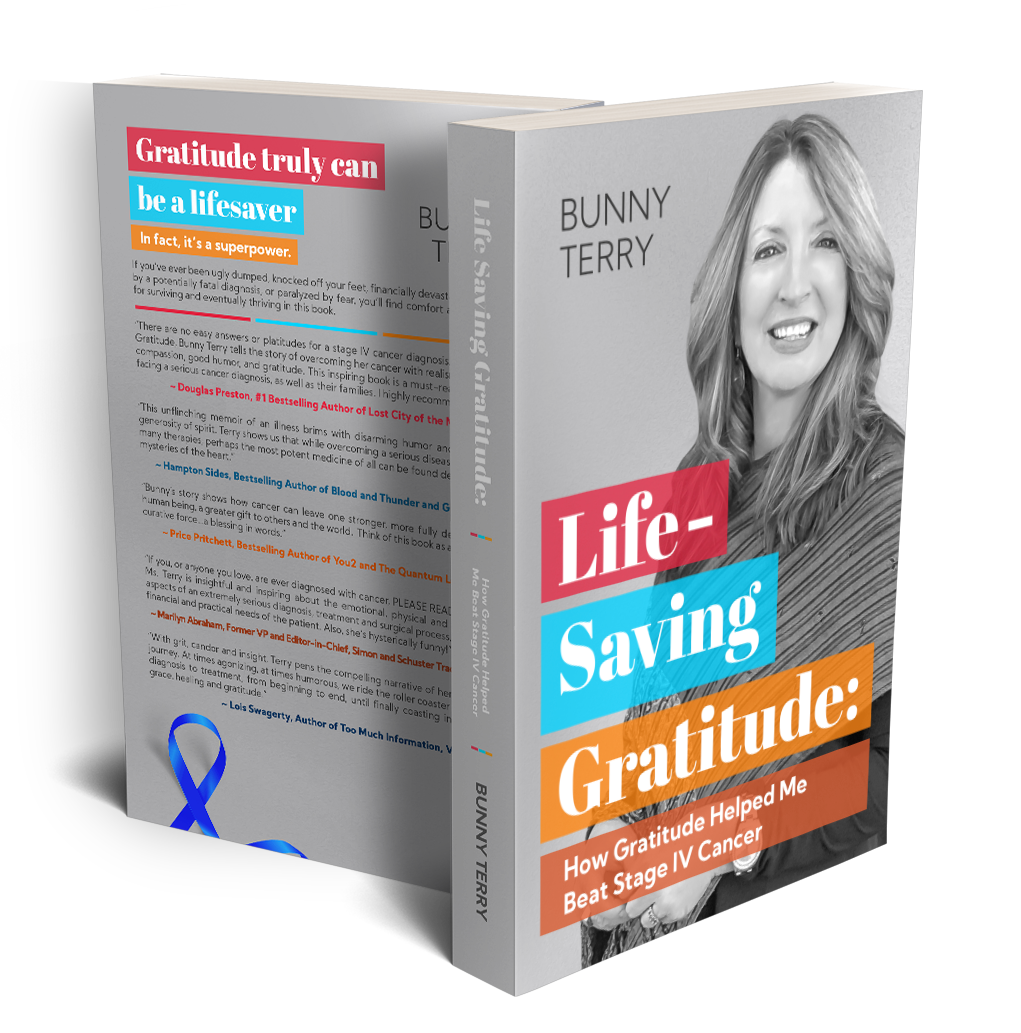
Buy Lifesaving Gratitude the book
Subscribe to Lifesaving Gratitude on your favorite podcasting platform





Featuring:
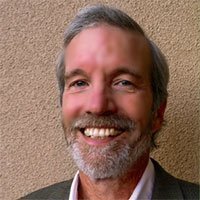
Bob Ansheles
Bob Ansheleses is the Development Director at Cancer Foundation for New Mexico, a cancer survivor and an advocate for anyone fighting this terrible disease. Bob has a deep love and empathy for his northern New Mexico neighbors and shows that daily through his work with the foundation. Bob is also an accomplished business, development and marketing executive with experience in the core of the business community and non-profit organizations who cultivates relationships with key corporate, foundation, and government contacts. Extensive background in revenue development and fundraising, event planning, relationship building, volunteer recruitment, personnel management, strategic marketing, public speaking and exceptional customer service.
Episode Transcript
Bunny:
Welcome to the life-saving gratitude podcast. My name is Bunny Terry . I’m your host. And I’m joined by my co-host and producer, Johanna Medina . Today we have a special guest. Who’s also just one of those human beings. I like this person better than almost anybody. I know, just because his heart is so big and he’s devoted his life to helping , Northern new Mexicans who have cancer gets treatment. And his name is Bob Ansheles. He is the development director at the cancer foundation for New Mexico. Um, I’m the board chair of that organization. Now after serving for seven years on the board, I just became the board chair in August. And this is my passion, making sure that people can get to the treatment that can help save their lives is so important to me because I know that if I hadn’t had treatment, my prognosis was about 12 months. So the foundation does a lot of important work and Bob’s going to speak to that. Um, and I would say at the, you know, we make a lot of pleas for different kinds of donations during this talk. We do it because it’s, it’s, this is an organization where your donation can change someone’s life today. It’s, you know, there are a lot of nonprofits that you can give your money and your energy and your time to not many of them say , uh, we’re saving lives. So I’m just, I’m curious, Joanna you’ve, you’ve been, you’ve heard me talk about the foundation you’ve been to all of our events. You’ve, you’ve helped , um, you volunteered on some levels in different ways, but was there anything that Bob talked about that surprised you today?
Johanna:
Um, yeah, I mean, it , it’s funny because just like you were saying, you’ve been a part of this foundation for over seven years and you’re, you know, really a big part of it now with being the board chair. And I have been to sweetheart auction several times, and I know a lot of people there, and then there are still things that Bob was talking about today that I didn’t even know the foundation date , you know, like the, the groups and like the support groups and other things like that. I just , um, there’s just so much that the foundation provides. And I totally agree that, you know, I think a lot of people know about like American cancer society or, you know, even other things like red cross and stuff that people give their money to, but this is something it’s so local that the people at the foundation actually know and see the people that they’re helping the patients, you know, and you’re right there in the parking lot of like right next door to the cancer , um, uh, the treatment center. So it’s just, it’s so personal and local. And , um, everyone that works at the foundation has such a heart for what they’re doing. So I think if, if, if you’re from New Mexico or you’re , even if you’re not in , you want to help in a way that, you know, it’s actually going to directly touch someone’s life, that this is such , um , a great place to do that
Bunny:
Well. And I wrote, I made sure that the book got published life-saving gratitude. And , um, I made the made sure that that got published because I wanted it to impact the cancer foundation. And every time a book sells a portion of our profits go directly to the foundation. More importantly, if after this, after hearing this podcast, you make a donation of at least a hundred dollars, whether that’s a recurring donation of $25 every month, or if it’s a one-time donation of $100 or even better, a one time donation of a thousand dollars, then I will send you a signed copy of the book. And I, you know, I’d be honored to communicate with folks who are interested in helping the patients that we’re so dedicated to serve. As Bob said in the last fiscal year that we’ve got the reporting for , we helped with over 28,000 patient visits. I mean, that’s, and we provided mileage reimbursements that equal the distance to the moon and back that’s, that’s helping a lot of people get to a lot of treatment.
Johanna:
Yeah. Especially in a state where we’re so rural. And there are so few places you can go for treatment really. There’s only like two main places, right? You can even go for cancer treatment in New Mexico in a , in a , it’s a , it’s a big state, you know, land wise, but we’re all spread out. So those mile mileage reimbursements have the biggest impact, I think. Um, and I think it’s awesome too , to just spread the word , uh, for people who might not know that these services are out there. Um, and because , I think as we know, and as we keep talking about, and here every week on this podcast, like cancer, is… It affects, you know, it’s probably touched, sorry, what I’m trying to say is it has affected almost everybody, you know, in one way or another, you probably know somebody or you are cancer patient, like it’s unfortunately a very wide reaching disease. So the fact that these services are out there is just so awesome.
Bunny:
Well, and it , you know, not only if you need the service services, but if you want to volunteer, you can volunteer and help us get items for the sweetheart auction. You can volunteer in the chemo room. If you’ve the volunteer meeting was one of the coolest things I ever went to. Um, there are volunteers who have been going to the chemo suite once a week, every, every week for 18 years. It’s just amazing. I mean, that’s how long we’ve existed. And since, and these are people and Johanna and I have to have direct , um, I mean, we, we have a recollection. Those are the folks who bring around the blankets. They brought around the hot tea, they came and sat and held . You know, if you’re having to go to treatment alone, which everybody has had to this year, they, they they’ll come and sit and visit with you in the middle of it. So we’re asking you to get involved, donate, and if you need the services of the cancer foundation, call the foundation right now, Johanna is gonna post the, the website and the phone number. So we want to help. We want to help you get involved, and we want to continue to make a difference for Northern new Mexicans into perpetuity forever. Never as long as cancer exists as Bob says. So listen in. It’s a great, it’s a great podcast. I’m really proud of this one. So welcome to our lifesaving gratitude podcast today. I’m here talking to one of my favorite people in the world. Um, somebody whose passions reflect mine, Bob Ansheles is the development director for the cancer foundation for the more for New Mexico. And, but more than that, he is a cancer survivor himself, and has a story about how this came to be his passion. So, Bob welcome. Thanks for being here.
Bob:
Thank you Bunny, for having me and again, congratulations on becoming a new board chair for the cancer foundation for New Mexico. I know you do a great job leading us now and into the future, and that’s, you’re very welcome. It’s, it’s so important because of the nature of this mission. Uh, as long as there’s cancer in New Mexico, there’s a need for our life critical services. So thanks for having me on today.
Bunny:
Well, you’re very welcome. And, and as you will know, my passion for the cancer foundation comes from the fact that I sat in a chair and had a doctor tell me you have cancer. And , um, as I, as I tell people all the time, and like I said, in the book that I wrote, life-saving gratitude. When you’re, when you get that diagnosis, your brain stops functioning very well. And you certainly stopped thinking about common sense things like, how am I going to pay the rent or, or, or you only think about those common sense ? Like, how am I going to pay the rent? How am I going to put groceries on the table? So, but Bob, you have your own experience of hearing those words. Tell us about that.
Bob:
I did in fact , uh , about 16 years ago , um, Bunny, and it, those are hard words to hear , um, particularly at that point in my life because , uh, I was , uh, at a, let eight year old and an 11 year old at that time. Um , but you know, my true passion for trying to help those with cancer , uh , comes from the fact that , uh , I’m a brother to six sisters , uh, and unfortunately four of whom have had cancer diagnosis. Um, but they’re tough. They’re very, very tough. Uh, in fact, my youngest sister , um , is a three time breast cancer survivor. And so that motivates me quite a bit. I can see my sisters in the patients that we serve. Um, even though my, my sisters and myself, we had the resources , um, it’s still a very difficult time. Uh, you know, they call it the cancer journey and it really is that , uh, it’s, it’s got ups and downs. Um, and so any support that people can offer you , uh , financial, emotional, physical , um, helps , uh, it helps your attitude and helps you get to survivorship. So that that’s really what motivates me is not particularly my cancer story, as much as it’s the cancer story of people I love , um , and care about. Um, and I believe that everybody probably has had some contact, it did themselves , uh, or that next ring out family or friends. Um, and so that’s why this cause has meaning to so many people.
Bunny:
Well, you know, I did , uh , I spoke once at an event and I did a stand up , sit down and, you know, stand up if you’re a Santa Fe native, you know, stand up. If you ever, you know, taking a picture of Petternel, like Georgia Keefe did it , we did all these really fun items. People would stand up if they were included in that group and they would sit down if they weren’t. And at the end, I said, stand up, if you, or somebody you love has ever been affected by cancer. And I, it still gives me chills to , to acknowledge that there wasn’t a soul sitting down in that room. And so I don’t know anybody that doesn’t know , something about the cancer journey, but , um, but what we do at the cancer foundation is so specific, you know, there’s the actually that event that I was speaking at was the American cancer society gala. And that was where the money that we made went got, you know , it got turned into a check , it got mailed off to a national organization. So , um, what we do at the cancer foundation for New Mexico is really specific. Um, you want to talk to that?
Bob:
Yeah, we , we are so directly involved with the patients that we serve. Um, that organization is very fortunate to have a terrific patient services coordinator, Carolyn Owen, who has been doing this for 10 plus years , um, and really is the face of the organization for the patients that we serve , uh, as she gives them their reimbursement checks and , grocery cards , uh, organizes their lodging at the hotel, all those things. But it, you know, it didn’t take long for me to really understand how important our mission is to the people of Northern New Mexico. I’ve told you this story before that , uh, I was here maybe three weeks. I’d been on the job for three weeks. Uh, I was out , uh, at a meeting. I came back to the office and in our lobby we have a bench and on that bench was an older , uh , couple , um, and I said, hello, can I help you at all? Oh, we’re just waiting for Carolyn . She’s going to bring us over a check , um, for our mileage reimbursement. Um, so couple more words. And then I went to my office. It was only later that I found out from Carolyn that they were waiting for a check for $26. They were that low in , uh , cash and in gas that they couldn’t go home to Rio Arriba county without cashing that check first. And it, as I said, made me realize how important the mission of this organization, but also that any donation to this organization has value that somebody who donated $25 to us would cover that trip for those folks, that somebody that offers us $50, that’s bringing groceries , um, to the table for a cancer patient and their family. And I’ve remembered that all I’ve been here seven years now. I remember that very, very clearly, and it helps to motivate me every day because I, you know, some days that we do quite well here and we get some good donations, some days it’s a little slim, but I realized that every day that we’re here, we’re helping people like that couple
Bunny:
Well, and it’s, it’s, it’s very local and it’s very life-saving . And , um, I mean, I, I just don’t know of a different organization where you can say my $25 donation or my $50 donation just help save somebody’s life. I mean, I know from experience, you know, from experience that if you don’t get some form of treatment, you don’t get well, I mean, this is not a disease that just resolves itself.
Bob:
Exactly, exactly. Yeah. One of the, one of the great moments was recently when one of the patients who we served about a year or so ago , uh, used our services of, of , uh, uh, travel lodging, grocery cards , uh, complete their treatment is healthy now and serves on the board of the cancer foundation for New Mexico. It’s a wonderful story because not only is of the survivorship, but here’s somebody who first ha has firsthand knowledge and experience of what the cancer foundation for New Mexico does. And at one point, this person spoke to a group of our donors, and I could tell as everyone else, so clearly move them with their cancer journey story, and how big of a difference , um, the cancer foundation from New Mexico made for the patient as well as their partner.
Bunny:
Well, and, and I can say I , because he’s been a , uh, a guest on the podcast previously, that, that, that the person you’re talking about is jock Soto who had this career , um, this , this amazing careers and artists with the New York city ballet, and then came home to take care of a family member and then found himself , um, with cancer. And, and one of the things that Jack said that I thought was it, wasn’t something I had heard somebody say before, but he said, bunny , the cancer foundation helped me maintain my dignity in the middle of this horrific experience. You know, I wasn’t, and like Krista woods said the other night when she, you know, she’s one of our oncology nurses in the chemo room and she spoke at the supper club and she said, we give, we give their dignity back. You know, they, instead of, you know, we had a homeless client who was living in a trailer with no running water and we gave her a place to sleep , um, a room to stay in that, I mean, that feels that there are so many of us that don’t have an inkling of how difficult, if you’ve never had a cancer diagnosis. First of all, you don’t get how diff difficult that is, but you have an inkling because you’ve sat in the room with somebody who was ill, but to get a cancer diagnosis and then have to make a choice between buying groceries or have I , I mean, just to have to make up an economical choice between whether you come to treatment or you keep feeding your family, that’s , that’s, nobody should ever have to make that choice. Right. I mean,
Bob:
Healthcare experts will tell you that attitude plays a large role in successful treatment and survivorship of getting somebody from the cancer diagnosis to back to their everyday life. That if , uh, a good attitude , um, is so important. And if a patient is worried, if they have stress about financial , uh, situation , um , putting food on the table, getting gas in the car , uh, making sure there’s a roof over the head for their family. I mean, you and I are both parents, you know how that is top of mind , uh , for somebody , um , dealing with the deadly disease. And also those worries at the same time , uh , do not provide the environment for a good attitude. And again, it’s, it’s one of the perks, if you will, of this , um, job is to be able to see the patients that we help. I do go over to the chemotherapy room from time to time , um , to thank the volunteers we have that work over there to thank the healthcare professionals. Um, but also just to , um , say hi to some of the patients that we serve so that they see another face of the organization , uh, and they understand how much we care about them and for them and want them to be back up and into their normal life again.
Bunny:
Well, and we know that the history of the foundation is that , um, you know, there was , uh , as I understand it, stand it and feel free to correct me. But there was a group of oncologist who, who went to a group of, of people who were known for their philanthropy and said, listen, we have people coming to tr coming and getting diagnosed. And , um, what we found is that they’re not coming back for treatment, and it’s not because they don’t have some form of medical insurance or Medicare or Medicaid. Some they don’t, it’s not that they can’t get the treatment itself it’s that they think they can’t get here. They can’t, you know, Santa Fe is an expensive place to spend the night. If you have to have radiology for five days a week for seven weeks or 11, I think that jock had 11 weeks of radiation. That’s a lot of nights in an expensive hotel in this, in Santa Fe. So, so that’s the history that’s when we do, but so this let everybody know in a nutshell, what exactly the foundation provides.
Bob:
Yes. And in a nutshell life critical support services to ensure that every new Mexican, every Northern new Mexican with cancer can get to treatment in Santa Fe. And we do this primarily through three , uh, systems. One is mileage reimbursement. The second is grocery cards. And the third is lodging. Um, we, since 2003, when the organization was , uh, started, the foundation has written checks for millions of miles of travel reimbursement just in the past 12 months. Uh, it was 417,000 miles of travel reimbursement from patients in Northern New Mexico. And I, I throw out that figure, cause I, I tell people think about this, think about how many trips that is because to the moon is only 240,000 miles, and we’re talking about 417,000 miles. That’s a lot of trips back and forth for treatment.
Bunny:
That’s a lot of Trips.
Bob:
The, the other , um, the second is, is the grocery cards. And this is, this is a terrific program that we offer. We call it meals that heal , uh, because when a person is going through treatment , um, there are two things that happen . One is they need really nutritious food because the chemotherapy and radiation is literally attacking their body. So they need to eat well. They need to eat nutritiously. Unfortunately, nutritious food is more expensive food in the grocery store. So these cards are used one way to help these patients specifically, the second way that they’re used is to make sure that the patient can continue to put food on the table for their family. 40% of the patients we serve have children in the household. That’s an amazing number to me. So we give away $50 grocery cards, multiple cards per month, to patients during their treatment. This has made a huge difference in the , uh, outcome , uh , for the patients one physically, but to , uh, emotionally , uh, it’s helped them quite a bit. And then you mentioned , uh , about Jack being able to stay in a hotel. We have an arrangement with a hotel that is literally 200 yards from the cancer treatment center. And so cancer patients can get their radiation treatment, which is not an easy day to begin with, but then rather than drive back home, 50, 70, a hundred, 200 miles, they can go hundred yards and they, and their caregiver have a room and it has a kitchen ed in it. And it has, you know, beds , TV. It’s a very nice setup for them. So they kind of have a home away from home. One. It is saves them a lot of time and effort, but two, it allows them to have the kind of rest between treatments that they need, rather than I’m bumping up and down the road from here to townhouse . Uh, they can relax in , in a chair, they can read whatever they’d like to do, but then they have recuperated for the next day session. Uh , that made a huge difference.
Bunny:
It does. And then I well, I just, think there’s so much that we do that just alleviates worry. You said that 40% of the people, the patients that we serve , um, have children in the home, there’s a large percentage of those that are actually grandparents raising grandchildren, right. I mean, that’s just, it’s just one of the facts of life , um, everywhere, but particularly in Northern New Mexico.
Bob:
Yes. And, you know, the , the way we set up our services , um, it’s, it’s for low-income people, but w it’s really goes a little bit beyond that. Um, we offer our services to any individual who is at 300% of the federal poverty level or lower. Now our first people say, oh, it’s 300% that that’s a lot of money. Well, that’s about 30 to $34,000 a year to be a 300% above the federal poverty level. And we all know that again, living in Santa Fe or , or other places in Northern New Mexico, that’s not a lot of money, particularly if suddenly you’re out of work because of treatment or you have additional expenses because of treatment. Um, there’s this statistic , uh, a couple of years ago that said , uh, nearly 50% of the households in the United States could not survive a , uh, emergency expense of $400. That is amazing to me that, you know, a $400 car expense, a refrigerator breaking or something like that would completely throw off the house household budget. So what we try to do is to include those people who are working, but , um, need some additional support. Again, going back to the whole emotional , um, support, the lowering of stress , uh, due to financial concerns. If we can do that, we are really helping people to be able to , um, uh, go through the difficult treatment without additional worries.
Bunny:
Talk just a little bit. Um , I mean, we have some other services that are not based on income levels.
Bob:
Yes. Yeah . We offer five , uh, different support groups. The support groups are free to anybody , uh, and they’re led by professionals , um, whom we pay to lead these weekly groups. Um, and it’s made a huge difference for fuel . Now, the different types, there is one , um, that specifically , uh , helps people who are newly diagnosed. Um, you, I know this, anybody else that’s listening to this, who’s heard those words. You have cancer understand that you have cancer. And then the rest of what the doctor is telling you is just blah, blah, blah, blah, blah. That’s on you, all these details of your treatment and stuff like that. You have no idea because you’re going through a checklist in your own mind. So
Bunny:
It’s like that Charlie brown, it’s like the Charlie Brown.. Wah, wah, wah… You know , yeah.
Bob:
In a way after that first sentence, what does it really matter? What’s being said to you afterwards, at least you feel that way initially, but that’s the advantage of this support group? Is it gathers. These people has them sit down, let’s take a deep breath here and all right , let’s just take this a step at a time of how you’re going to get from today to when you’re done with your treatment and you’re back to your everyday life. So that’s a very important support group. Another one is the caregiver support group. Caregivers are so important to patients in treatment. It’s one of the reasons that we provide volunteers in the treatment rooms, the foundation staffs, the treatment rooms , uh, all five days of the week , uh, to comfort the patients provide a blanket, a snack , uh, uh, a sympathetic ear. And many of these folks are cancer survivors themselves. And so they know of what they speak. So it is, it is very helpful to these people, but this is one of our more popular , um, support groups. And in fact, we have two sessions, one , uh, in Santa Fe and then one also also up in Los Alamos. Um, there are other sessions too . One is a writing workshop. Uh, that’s led by a professional writer and it allows patients , um, to kind of write their life out. And that seems to be a very helpful therapy.
Bunny:
I think it’s really a popular… I mean, it’s always filla up. That’s one of the support groups that is, is really in demand , um, because it, because it is so therapeutic, but , um…
Bob:
And then we have one that is , uh, for people who are in hospice , um, to help them and on that phase of their journey. And then we also have a , uh , grief group because , uh, unfortunately , uh, there, there are people that , uh, either as a caregiver or a family member or a friend , uh , may lose somebody and it’s very important to help them deal with that situation, that pain, that experience , for themselves, but also for the people around them.
Bunny:
The grief group. I mean, unfortunately it’s one of the most important groups, but , uh , and like you said, we have volunteers at the overt , the chemo room, but, you know, we’ve, so we’ve talked about, you know, what the issues are and , and what the needs are. Um, and we have a lot of stories. In fact, people could go to our website and look at , um, testimonials and we’re going to post the link. It’s just C F, F and m.org, but we’re, we’ll post the link to that. But you know, now I want to circle back and talk about how peep how’s , how our listeners can , um, either donate or make a difference or get involved. I mean, we have an event coming up that , um, we’d like folks help with, but first I want to talk about, you know, there’s an option Bob, where folks can just go to the website and make a donation, right?
Bob:
Yes, they can. And our website too , is a , uh , easy way to find out more about this organization and , and what we do. Um, and what we do besides providing life critical services is we have fun. Um, life, life is fun and life is to be celebrated. And, and so we do that with our big event , uh, that you mentioned, which is the sweetheart auction , uh, believe it or not, the 17th annual sweetheart auction will be coming up February 5th, 2022. That’s a Saturday. And it is amazing how that has grown. It began, as I said, 17 years ago, over in the cancer center with , uh , two tables that had a couple dozen items and they raised $2,500. The 17 Daniel sweetheart auction will probably have nearly 400 items. And our goal is that night is to raise almost a million dollars. It is the largest fundraiser that we have for those people that have been there. You’re probably smiling and say, yeah, I’ve been there, it’s a great event. And I can’t wait to see what items you have this year for folks who are hearing about it for the first time again, visit our website between now and February. You’ll get an idea of what some of the items are , uh, and how you can contribute all the money raised that night goes to our patient services fund. Um, and so that, that one night raises nearly 50% of the money that we use for our life critical services. We get tremendous community support with this as well because these 400 items are donated from restaurants, movie, theaters, car dealers, stores, artists. Um, it is amazing to see how this community comes together. It speaks well as a community, but it also speaks well of the confidence that these , uh, people have in the cancer foundation for New Mexico. They know that their donation to our organization will be used well to raise money, to help those it’s really neighbors, helping neighbors.
Bunny:
It is. And it’s, you know , if you’ve never been it’s, you know, the , the items range from a, an African safari, which we all want, and which we bid on and never win, but , um, to , uh, you know, a box of chocolates from cashmere plus chocolate down near the Plaza. And, you know, I w I just want to give a shout out to folks if you’re a retailer, if you own a business here in town, and you want to donate an item, please, please go to the website , um, call, call the office. Um, there’s a form that you can fill out to donate an item, but even better. I think if you own a business , um, Bob is in the business of drumming up sponsorships because that’s one way that we’d benefit our, our business friends is that we offer them a lot of exposure, a lot of positive exposure, as well as a way to give back to the community. I mean, talk about sponsorships, Bob.
Bob:
Oh, I’d love to thanks. Um, and anybody can feel free to give me a call again. My name is Bob. The number is 5 0 5 9 5 5 7 9 3 1, extension four, but we partner with , uh, local businesses area businesses , uh, for the sweetheart auction, what the , uh, sponsors for their donation , uh, get a lot of marketing benefits. What we do is highlight the sponsors before, during, and after the event in , uh , print advertising, electronic , uh , newsletters website, social media , uh, the event program banners. There are all sorts of benefits. And again, all this is available on the website and the business sponsorships range from $750 to $25,000, but sponsorship at any level makes a difference. Again, these, this donation goes directly to helping the patients that we serve. Uh, we’re very fortunate in that we’ve had terrific support by the business community in all different categories, because they found that in addition to feeling really good about helping a local nonprofit , and we are a local nonprofit , because all the money that we raise stays in New Mexico to help new Mexicans. And I think I know that people appreciate that fact, but they also , um , appreciate that they are , um, connected to a well-run organization that is helping save lives right here in New Mexico.
Bunny:
Well, and talk about the honor wall. That’s really a cool piece of the sponsorships that I don’t know anybody else offers. I don’t know of any other nonprofit that does
Bob:
The honor wall is one of the most moving parts of the sweetheart auction. Um, again, I can recall the first time I walked into the convention center , um, and mind you, you know, I had been selling the sponsorships, which include honor wall plaques, but too , and collecting the information and photos and all that. But to see that display with a hundred plaques with photos of loved ones being honored or memorialized , uh, was incredibly moving. It chokes me up a little bit right now. Just think of it again,
Bunny:
Me too Bob . It does every time I see it.
Bob:
Because again, I had a plaque up there, but to see the individuals come up and look at their plaque to stare at their loved one to , to touch the plaque, was we, I realized we were really doing a good thing right then and there, and that the sponsors really felt good for having made that donation and for having this moment to have their loved one , visible and remembered again. So the honor wall , uh, is a benefit for every sponsor and you supply a photo , uh, and the name of , uh, the person you would like to honor or memorialize. And so then a plaque that’s a little eight and a half by 11 plaque on a foam core is hung from this , structure in the middle of the , uh, convention hall. And as I said, there were about a hundred go to the website. You can see a picture of it. But in addition to that, the honor wall tribute also includes , um, a video presentation that night during the program. And it shows each individual on screen . What we’ve also done is we’ve expanded the honor wall. So that in addition to those two segments of it that night, we put it on our website. We have our virtual honor wall on our website so that people can visit it throughout the year or people who aren’t able to attend that may be friend relative or acquaintance of an honor wall honoree , uh, can go to the website and see the photo and see the , uh , display again, the honor wall for the 2021 sweetheart auction is available on our website right now, if you wanted to take a look.
Bunny:
Well and Bob. I want to make sure that people understand that the other, but the other thing is that we also , um , offer individual sponsorships. So I don’t want, and those start at what level I don’t recall.
Bob:
I start at 3 75 and then go to $5,000 and get half perks that include , uh, everything I mentioned before the honor wall being the most important , uh, that people , seem to like, but also it includes , admissions , uh, to the event. So if you’re planning to go , um, you know, the tickets are a hundred dollars each, but if you chip in a little bit more, you get the honor wall, you get recognition and you know, that your donation is going to help provide mileage reimbursement, overnight lodging and food on the table for cancer patients and treatment.
Bunny:
So we’ve talked about sponsorships, we’ve talked about donating items and when we’re really, if you’re a listener and you’re one of our listeners who lives in, I don’t know, Florida, and you own a short-term rental , um, or you own a hotel, or you own a , you know, a yacht service and you want to donate , uh , we found that experiences really are, are popular with the people who attend. Um, artwork is, is popular. Jewelry is incredibly popular. So, so we’re putting out a call. Um, you guys want to help us save lives. That’s one of the ways that you can do it. Sponsorships are one way, certainly attending the event and bidding on items. That’s an important way. So, so that, I think we’ve sort of covered the sweetheart auction and we’ll put a link to that, but, but I want to talk about the other ways that people can start thinking about, first of all, there, there’s an option on the website where you could donate right this minute. Um, you could also make your, your donation, a recurring donation, right? Is that an option? You know, if you wanted to do a hundred bucks a month forever, or, you know, 20 bucks a month, we’re, we’re open to any donation of any size.
Bob:
Well as you heard from the store at my story before any donation has meaning any donation is helping ease the next step for cancer patient and their, and their family. Um, I have found that , uh, and I’m going to encourage anybody if you want to help out. And you don’t know how right away just call. Um, we are very flexible and , uh, very inclusive in , in finding ways for people to support this mission. Um, we do cash . We are , uh, working on a proposal now to be able to accept real estate , uh, as gifts , uh, cars, we can accept cars at gifts. Uh, if you’d like to include us in your will , uh, in your IRA or something like that, we have , voiced that is available to people. So if you have the inclination that you want to support this mission, just get in touch with me, get in touch , uh, with bunny. Um, and we’ll guide you along. We’ll make sure that you are comfortable with how you are supporting the organization and that your gift , uh, makes a difference.
Bunny:
Well, and I, you know, I was just thinking, when you said any, anything, anything will work. I, you know, we ha and I want to give him a shout out. We have a local realtor, Andy alt, who gave me a call. And he said, bunny, I have these clients who are selling their home. They have a grand piano, and they want to donate it somewhere. And so I call Bob, Bob takes it from there. And so these folks got a tax deduction of a significant amount, and the foundation was able, I , I can’t recall the amount.
Bob:
$4,500.
Bunny:
That’s a lot, that’s a lot a meals. That’s a lot of grocery cards, isn’t it?
Bob:
Yes, it certainly is. And it was, again, that win, win, win situation. It was a win for the donors. It was a win for the real estate agent because he realized that boy, just by making a couple of phone calls, he could make a difference. And obviously it was a win for , uh , the foundation and the patients we serve.
Bunny:
You know, I’m always talking to the, in fact, I have a seller of a home right now. It’s going to close on the 11th of October Wendy Kapp. I’m going to give her a shout out because when I went and looked at her house, she said, you know, buddy, I have all this artwork, what am I going to do with all this artwork? And I said, oh, I have an idea. And she’s donating three really large valuable pieces to the foundation. So she was downsizing. Um , lucky Wendy , she’s moving to Belize, but she, she is going to get in today’s real estate market. People are making a lot of money when they sell their house. And so they need some tax deductions. So if you have an item that has some value and you want to use it for the good of, of your neighbors, your Northern New Mexico neighbors, we’ve got a way to make that work.
Bob:
And at the same time, you’re helping a great cause. A great local cause.
Bunny:
Right. Go ahead. I’m sorry.
Bob:
Just off topic a little bit, but I want to make sure too, that , we recognize the tremendous work of the doctors, nurses, and healthcare professionals over there at the cancer center. It, they are so good at coordinating , uh, with the foundation with Carolyn so that the patients are getting the services that they need. I mean that they’re the doctors, nurses and their focus is on , on getting the patient well. And they realized that the cancer foundation for New Mexico services play a key role in that. And so we appreciate so much how they talk to the patients , uh , about our services, how they connect the patients to Carolyn, and also how they support us , financially, emotionally , um, and , um, physically , uh, several of the doctors are on our service medical consultants , uh, to our board of directors and staff. Many of the , healthcare professionals over there served as volunteers at the sweetheart auction and other events that we’re doing. They make all the difference in the world, not only the patients, but to the foundation for how we are able to serve the patients.
Bunny:
You’re right. And , and , before we run out of time, I do want to talk for just a minute about our permanently restricted endowment. Because I know the , in fact, I talked to a donor recently who said, I’ve been to the sweetheart auction. I see what an amazing event you put on. And I see what kind of money you raise there. That’s incredible, but we want to tailor our estate planning around real long-term results. So can you explain to our listeners what the pre and the 10-10 visionary fund are ?
Bob:
You know, we were very fortunate, your predecessor, but Hamilton , uh, came up with the , uh, plan that in addition to , uh, raising money at the sweetheart auction and , um, other events that we should have quote, unquote, kind of a savings account. Um, and so that is how the 10, 10 visionary fund was started. The goal was to raise $10 million in 10 years to be put into a permanent permanently restricted endowment. Then the earnings from this endowment would cover the operating expenses each year for the organization. This would mean that all money raised, went directly to the services for patients. We could increase what we’re doing right now. The foundation really runs on a very, very slender budget for operating 80. The last audit I believe was 84 cents out of every dollar that we raised throughout the year went to patient surfaces.
Bunny:
Those are great numbers.
Bob:
Absolutely. You know, 80 , 80% is considered a very good. So anything above that , uh, is, is , uh, even better. And the foundation, our foundation , uh, is covered by charity navigator and a couple of other , uh, oversight , uh , groups that , uh, um, check on charities to make sure that they’re using best practices. And , um, to kind of give a seal of approval. The cancer foundation for New Mexico has a platinum , uh, seal of approval, which is the highest level. Um, so that gives you some idea of how the donations are being well used, but the permanently restricted endowment was started in 2015. We have a signature event for that called the supper club. And , uh , we’ve held a supper club at the compound restaurant , uh , the last few years. So in addition to raising money at that event, we also seek , bequests and other , legacy gifts from donors who want to see the cancer foundations for new Mexico’s mission continue for as long as cancer exists in New Mexico. We’re uh , in our seventh year, we are at $6.5 million. Um, so we’re a little bit behind pace. Um , but we have just had, I’m just coming off a very successful supper club. Uh, it was really fun to be able to get back together, live this year after having to do a virtual event last year. Uh, but the people there were , uh, very generous. Uh, we exceeded our goal that night of raising $150,000 in pledges. And we also heard from , uh, a couple of people who were interested in , um, hearing more about how they could provide a legacy gift to the , 10-10 visionary fund. So if anybody has that in mind, we’d like to hear more , uh, I’m more than ready to share that it’s a little tough in a podcast to get into, you know, somebody will and that sort of thing, but the opportunity to give and support an organization, even after you’ve moved on is such a wonderful thing. It gets people a peace of mind. It gives their life meaning, and obviously it, it supports our mission to help save lives.
Bunny:
Well, and it’s so… it gives me such peace of mind to know that , um, the pledge that we’ve made is, I mean, it’s going to help future generations of , both cancer patients and their families. Um , it’s so important to me. I just, I can’t tell you, I it’s to know that somebody is sitting over, I , and I’ve told, I’ve said this to , to you, you know, first of all, I have to give a huge shout out to the staff because you guys, I mean, I know this is how you make a living, but it , your heart is also obviously in this every single day. And when I pull up at the foundation, I touch my port scar and I look over at the cancer center because I think there is somebody sitting over there, right this minute, hearing an oncologist say you have cancer. And so for you and I who have heard those words for anybody out there who gets how devastating this can be. It’s, it’s important to me to know that my pledge is going to make that moment easier for the person who heard those words. So I, I, we talk about this all the time, and I think we get accustomed to talking about , um, you know, cancer, cancer, recovery, saving lives, but Bob, this is really personal. Everybody who donates $20 is helping one specific person get better. Right?
Bob:
That’s absolutely true. I, again, you know, one of the benefits, but also one of the liabilities of this job is the, is you connect with the patients, you see the patients, you know, their backstory, you know, that they’re leaving now. And even though they just finished chemotherapy, they’re going to work a shift tonight, or that they’re are going to drive home , because their next appointment is not for a week. And at least, you know, they’ll have enough food and that sort of thing. Um, but it should make , donors. And we try to relay this in our , uh , gratitude letter and other communications to our donors. It makes such a difference. We, we hear it from the patients directly. You mentioned the stories before, but I remember hearing from a patient who said, you know, the , the mileage checks you give me, allow me to get our , to a few more treatments, which allow me a few more days with my family. Sorry, that one that has a lot of meaning, allow me a few more days with my family. And when you think someone is living their life, that way that all they want to do is get through their treatments because they want more time with their family. How can you not be motivated to help them?
Bunny:
I’m like you, I get really choked up when we talk about this stuff. I really do
Bob:
You talk about this being a tough job. It is it physically, mentally, it’s a tough job, but emotionally it’s a tough job too, because unfortunately we can’t save everybody, you know, but the donations that people make make a difference. They give everybody an equal fighting chance. It’s really about equity in healthcare , that people aren’t denied their opportunity for treatment, just because they’re , don’t have the means to get to and from the cancer treatment that eliminates that. And, and it, it lets them know, look for as long as you want to make the effort to go, you’re motivated to go. We’re going to help make sure you get there. I’m most proud of the fact that the board of directors and the foundation staff , uh, and our donors , um, all worked particularly hard during the pandemic so that we were able to provide uninterrupted services during that time that there was no patient that wasn’t able to get to treatment , uh , because we weren’t able to fund their travel or provide the grocery cards or provide them the , the hotel room and in the entire existence of the cancer foundation. Again, thanks to our donors. No patient has ever been turned away. No patient has ever been told, you know, we’ve already spent $10,000. That’s probably enough, there is no cap. So that is a real , uh, achievement.
Bunny:
So, Bob, do you have a number for the patient visits that we have provided help within the last?
Bob:
Yes . Well, our reporting period is July 1st through June 30th. So you’re just in the process now of putting those figures together. Um, and so the , um, cancer center , uh, the manager over there provides us with a number of , uh , patients who have come through the doors , uh, for treatment , uh, and who have received our services. I can tell you in the last reporting period , uh, which was , uh , July 1st, 2019 through July through June 30th, 2020 , uh, it was more than 28,000 patient visits. As a matter of fact, I can give you real quickly . I can give you the numbers , uh , as I, it was I’m sorry, did I say 417,000 miles is 473. There were 1,372 $50 grocery cards that were distributed. And there were 727 lodging nights that were provided for patients. So they didn’t have to travel , home and back each day for their treatment.
Bunny:
I’m so proud of those numbers, but I’m so happy for the people that we were able to help. I, we have to, we have to wrap this up, Bob, but I, we can talk again. I want to talk again after the sweetheart auction to , to talk about how that went and give people an idea of what bear gifts and their donations meant for our patients. But , um, so we’re going to put a number of links up and , um, I’m going to offer some sort of an incentive for folks to give donations. So , um , thanks so much for talking to me, but more than that, thanks for what you do every single day. I’m so proud to know you.
Bob:
Thank you very much Bunny I’m proud to know you and the work that you’re doing for this organization. I remember the day that you first arrived at our doorstep, and it’s only been better each day since, but I really appreciate the opportunity to talk about the foundation. Yeah, it’s, it’s great to talk and, and try to solicit donations, but I ask everybody to listening to , to make sure that people know about our services. We want to help people. So if you know, somebody who’s been diagnosed with cancer or is in cancer treatment or needs help, please have them contact us.
Bunny:
Good plan . Yeah, absolutely. Okay, Bob, thanks again. I want to thank you for joining the life s aving gratitude podcast with your h ost bunny T erry, that’s me and my producer and assistant Johanna Medina. We feel like we’re in the business of sharing the stories that save us, and we hope you’ll share as well by letting your friends and family know about the podcast follow and like us wherever you listen. And please take the time to leave a review, whether it’s a stellar comment or a suggestion, we are open to suggestions all the time. Also follow us on Instagram at l ife-saving gratitude pod. You can also follow me personally at bunny T erry, Santa Fe. You can sign u p@mywebsiteatbunnyterri.com to receive weekly emails about how to become the ultimate gratitude nerd. Thanks so much for checking in.

About the Podcast
Gratitude is a superpower. It can transform—and even save—your life. Author and activist Bunny Terry discovered the life-saving power of gratitude when she survived Stage IV colon cancer. She interviews a wide variety of guests who have also used the art and science of gratitude to survive, and thrive, in their own lives.
Recent Episodes

I Love New Mexico Teachers: Bunny Terry
About the Episode: Summer is coming to an end and a new school year is...

I Love New Mexico Food: Kirk Muncrief of AlbuKirky Seasonings
About the Episode: In New Mexico you know we love food AND we love spicy...

100th Episode Recap: Bunny & Johanna
About the Episode: The I Love New Mexico podcast has made it to 100...
 Bunny Terry is a native New Mexican who grew up on a farm in northeastern New Mexico. Her first writing job was typing stories on index cards on her family’s Underwood, stories that were uncannily like the ones she read over and over in O Ye’ Jigs and Julips, her favorite childhood book. No one thought to save those index cards for posterity, although there is the theory sarcastically circulated by her siblings that they will certainly be worth millions someday.