About the Episode:
It’s our 40th episode! And on this episode we have our youngest and most thoughtful guest. Rem Liebert was diagnosed with Type I diabetes at 16 and has been learning from the experience ever sense. Check the links to see more of what Rem is up to.
Links
Rem’s podcast
The Stuff We Like podcast on Instagram
Rem’s Instagram
Bunny’s website
Bunny’s Instagram
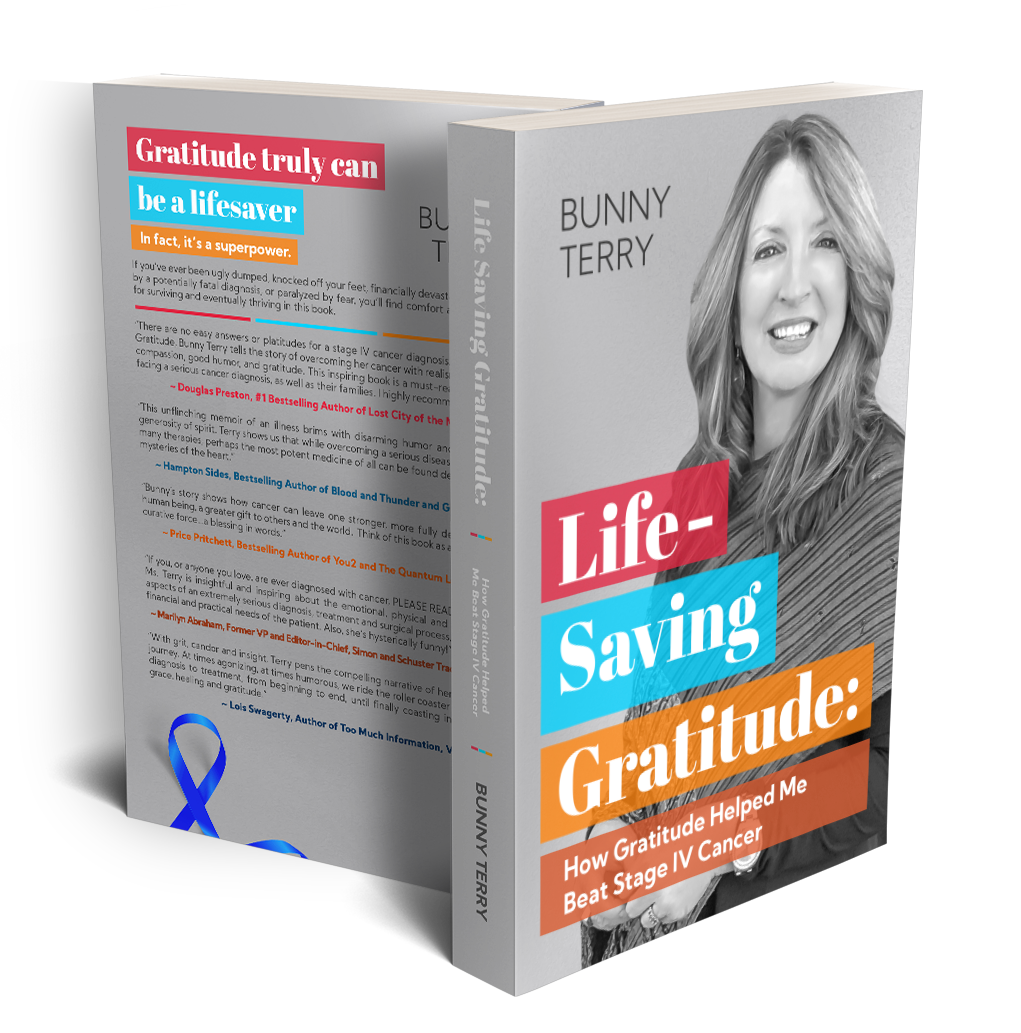
Buy Lifesaving Gratitude the book
Subscribe to Lifesaving Gratitude on your favorite podcasting platform





Featuring:
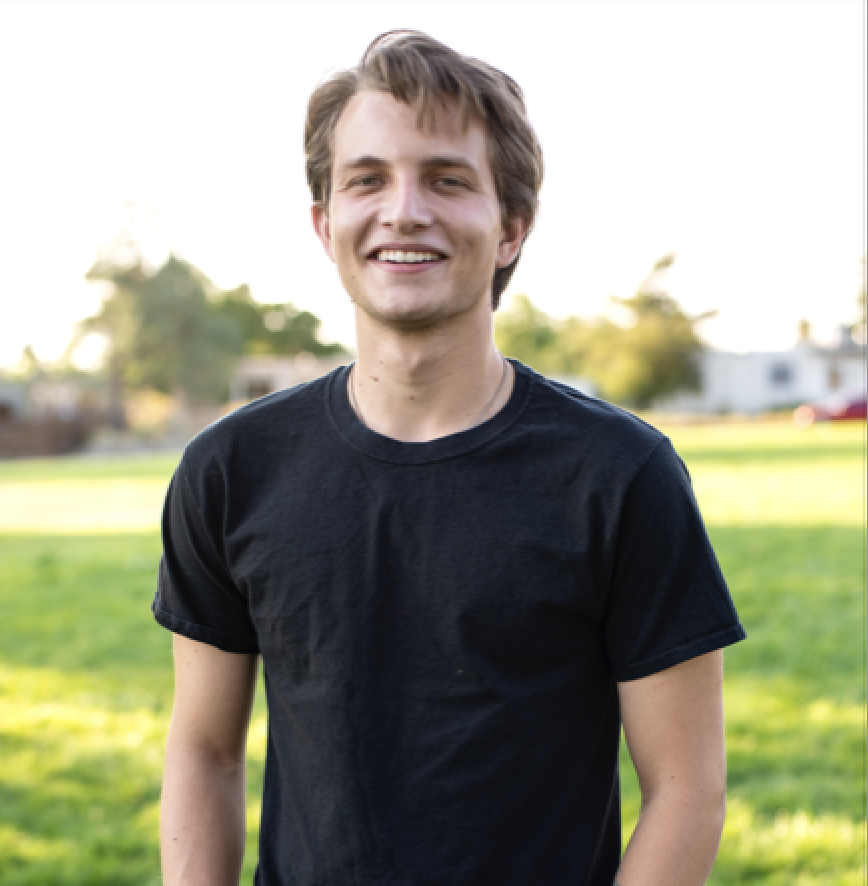
Rem Liebert
Rem Liebert is 19 years-old and was diagnosed with Type I diabetes at 16 after being seemingly healthy all of his life. Now, Rem has taken that experience and the lessons learned from it and used that to help guide him in this next phase of life. Rem is thoughtful, considerate and very self-aware. Along with being an actor, Rem is also a fellow podcaster. Check out his show with his friend Elijah – The Stuff We Like podcast.
Episode Transcript
Bunny: (00:10)
Hi there and welcome to the life saving gratitude podcast. This is Bunny Terry, and I’m here with my co-host and producer Johanna Medina. And we have a very special guest today who also was a delight to talk to. Our youngest podcast guest so far. Rem Liebert is 19 years old. He was diagnosed with a chronic illness at 16 and has learned lessons and put them to work, that most of us don’t get even by my age. And I’m 61 so I’m exactly the opposite of the age. Just turn those numbers around, when he was diagnosed. And, I gotta tell you, I love this conversation. Tell me what do you think, Johanna?
Johanna: (01:05)
I know I did too. I was so excited to get Rem on and, you know, when I asked him to be on the podcast, I was like, hopefully, you know, we’re not too old or uncool for him, but he’s, so he is very mature for his age. And he’s also, very mature for his age, I know people say that a lot, but he’s also just very kind and genuine and, you know, very humble. He’s doing a lot, but he’s also like, you know, he made time for us and, I just loved talking to him. He’s I know we say a lot, like most of our guests, you know, they’re an inspiration, but I think Rem can be an inspiration for people his age and people our age too. It was just really cool to hear him talk about how his diagnosis really changed his outlook on life. And you know, it reminded me a lot of you too, when you were diagnosed with stage four cancer and you went through that journey, I think you came out on the other side, a different person. You had a change in priorities and that that’s really the case for Rem too, but he’s just, you know, genuinely a cool person and it’s so much fun to talk to him because I was, you know, I would ask a question and he would be thoughtful and then he would just, I mean, he, you know, he’s, it’s, I don’t know.
Bunny: (02:23)
So almost like talking to Yoda he’s so, and I don’t, he’s such a guide for the rest of us about figuring out what your passion is and following it, even if it doesn’t look, it kind of reminded me of our podcast with Tiffany Dowell Lashmet where she said, you know, I was in law school and people thought I should do, the specific, you know, I should have gone to work for a judge. I should have. And, and, and I took a completely different path from what people expected. Well, Rem is 19 years old and he’s, he’s really following his passion and doing it exceptionally well. It’s a lesson to all of us, I think.
Johanna: (03:04)
Yeah. Yeah. And I think I mentioned in the episode too in the conversation that it’s reflective or like kind of the proof of what Daniel Mangena was saying that if we take the time to figure out what we like and what we actually want out of, if it’s gonna, you know, save us a lot of heartache later on, as opposed to just doing what society thinks we should do our parents. But yeah, Rem is really just following his heart and he, you know, lives, I think day to day with the thought, you know, like life is short. We all know that, but Rem really embodies that. And I think it’s so exciting to see what he’s doing and I’m excited to check in with, I mean, luckily we are close to him so we can keep keep tabs on him, but I think it’ll be cool to check back in with him on the podcast and see where he is, you know, six months a year down the road. And definitely check our links on our website for Rem’s podcast, it’s called The Stuff We Like podcast you know, be on a lookout for Rem on the newest season of stranger things and probably a movie sometimes soon, but he’s just really, like he says his, nonchalant-less about, that was the new, term he coined on the episode. But I think he brings that to this conversation, but like you said, he’s really thoughtful and he really does just listen. So it’s, it’s cool.
Bunny: (04:37)
Well, we use that term cool a lot because he’s so cool. He’s so incredibly cool. But take a listen. You’re gonna love this one and I think it’s gonna help you think about, what you’re grateful for and what your passion might really be.
Bunny: (04:58)
Hi there. And thanks for joining us on the life’s saving gratitude podcast. We have a special guest today, and we’re very excited about it because, we’re gonna talk to one of my favorite young men in the world who has had a, what a lot of people would think of as a devastating medical diagnosis and when he was 16, you’re 19 now, right? And, so almost three and a half years since that diagnosis, but has turned that into, or has, has used some of that, or perhaps it’s just been a natural outgrowth of that diagnosis to live a completely different. And what seems to me a really thriving it’s it’s not a survival story. It’s a thriving story. So, Rem Liebert is our guest today and I’m joined by my co-host and producer Johanna Medina. So welcome Rem.
Rem: (06:04)
Thank you for letting me join this podcast.
Bunny: (06:07)
We’re excited that you’re here.
(06:09)
I mean I agree with, with mom that you’re definitely one of the coolest people, we know, I feel like I’m always looking at you like what’s Rem doing, he’s doing everything that’s cool. So, it’s fun to have you on here.
Rem: (06:23)
Well, thank you. Thank you. That means a lot.
Bunny: (06:26)
Well, and the other thing is I would suggest to our listeners that they stick around till the end, because Rem has a podcast of his own. I do is how many episodes are you into this?
Rem: (06:39)
Seven so far. So not, not as nearly, as far as you, but Starting to get there
Bunny: (06:45)
Well, we, we have kept at this, I think we’re at, I think this is 38.
Johanna: (06:52)
This might be 39 or 40. This one.
Bunny: (06:57)
Wow. Oh, wow. Who knew? I mean, Consistency,
Johanna: (07:00)
Every single one, every single one feels like the first one. I’m like, how, how do we do this again?
Bunny: (07:09)
Well, and the other thing is that I know that every single one surprises us, you know, we start the podcast with this idea of what we’re gonna talk about. And then our guest takes us in this direction and I’m gonna say teaches us stuff that we never, that I mean that we didn’t consider before. So, I alluded to what happened before, I alluded before to your, diagnosis. So to tell us, tell our listeners what happened.
Rem: (07:42)
So my sophomore year of high school, I was diagnosed with type one diabetes. And it happened two days after my 16th birthday, I believe August 14th. And I had barely just started my sophomore year of school and I was super sick. I couldn’t lift weights. Like I was going to the gym almost every single day. And for some reason I was actually decreasing the weight I was lifting, which made no sense to me. And this was over months too. And I was playing basketball. I could, I could barely run, a lot of horrible symptoms. I don’t know how far you, how detailed you want me to go, but.
Bunny: (08:23)
oh please.
Rem: (08:24)
I mean, yeah. Yeah. I mean bad. Like I couldn’t breathe well, and then slowly, it just got worse. Like every time I ate, I was nauseous. Every time I played basketball, I felt really like low blood sugar and ironically that’s totally type one. I just did not see it at all. And, well I went to one doctor and they told me I was totally fine and that, I just had some kind of stomach thing. And then about a day later, I finally, it was like about nine o’clock at night, I think. And I was laying on the couch. I could barely see, like I had very blurry vision and, my mom called Papa to come over, in his truck and, drive me and mom over to the hospital. And then I think I found out literally in like the first 30 minutes I was there, like I waited there, they didn’t give me anything because they didn’t know what I had. And this really like high up doctor walked in, asked my symptoms and like instantly knew what I had. And so, yeah, I mean since then he like then sent me to UNM in an ambulance and I think it took about four or five days recovery in the hospital. And then it took hell almost a full year until I was recovered fully. Just like in the rhythm of living with type one, I think.
Bunny: (09:57)
I mean, first of all, I want it full disclosure. Rem’s Papa happens to be my husband. Yes. But so, so I went, I went to the hospital that night and was in the emergency room waiting room. But I want people to know that you, you were healthy. I mean, before that had happened, you had gone up to the lake and helped move stuff. I mean, you presented in this way and, I’m just thinking if we have listeners who have adolescents who are having some really weird symptoms, it could be an alarm. It could, it could be a wake up call of some sort.
Rem: (10:37)
Oh, totally. I mean, I didn’t even realize it.
Johanna: (10:41)
I was gonna say, yeah, it’s interesting to hear your side of it, uh, like that when you went to that, went to the ER, that they’ve kind of figured it out quickly because I remember hearing about it. That’s when we lived in Oregon and, my mom was calling me and I in my memory, it was like, something’s wrong with Rem… Something’s wrong with Rem. And we don’t know what it is. And I thought in my memory that it took a long time to figure out what was wrong and that, you know, you were like really, really sick. Like they were very scared for you.
Rem: (11:12)
Yeah. Well, I mean, yeah, yeah. I think part of it is I got really incoherent in the moment. So what I remember is probably totally different than everyone else.
Bunny: (11:26)
Well, except I will say that you were, you were feeling bad for several days before that and, and you did go to another doctor seems like on Thursday or something and they were like, no big deal. You know, you’ve just maybe got this stomach bug it’ll get better. But you had had these kind of consistent, weird, and you were losing weight as I recall.
Rem: (11:51)
Yeah. I was about 35 pounds under.
Bunny: (11:54)
You were losing a lot of weight that summer and then went to the ER and the doctor walked in, talked to you for about… I gotta tell you. It was like, you know, Toby, who is your Papa would say, in the first minute that guy took one look and said, I know what this is. And he diagnosed you correctly and got you hooked up. And, but you were, and this is the thing I want listeners to know that you were on the verge of a diabetic coma at that moment is what I recall hearing. So, if your kid is, you know, if your child is having some weird symptoms, get them to the doctor.
Rem: (12:38)
Yeah. I mean, honestly, it’s, it’s just that. And sometimes even if the doctor says something, you can’t always trust that, finding another doctor, you know what I mean? I mean, mm-hmm, there’s a lot of these diseases and disorders that aren’t really like diagnose the first time around. I know, I know a lot of celiacs aren’t, aren’t diagnosed the first time around for sure. Right. And so it’s, it’s interesting knowing that cuz you know, doctors are always seen as like the ones that know everything always, but they’re also just human, so sure. Mm-hmm, it’s important to just be aware of all these other diseases and just, you know, check up on your kids all the time.
Bunny: (13:18)
But as a 16 year old, you had to learn a whole different way to live.
Rem: (13:21)
Yeah. Oh yeah. No, totally. What were we gonna say?
Bunny: (13:27)
I was just gonna say also like, um, I was just gonna say same thing like with you and when mom got diagnosed, like when you look healthy for the most part or you’ve been healthy, most of your life doctors do tend to be like, oh, it’s, you know, a stomach bug or it’s hormones. And so, but you know, when something’s not right, you can just, and I know it’s hard to, I mean you’re a very, mature person for your age, but I think a lot of younger, my teenagers or kids would be like, I guess I’m fine cuz they said, I’m fine. So, but you know, it’s, it’s part of that like self advocating and learning to just trust your body too, um, that something’s wrong. Something’s wrong. And just, you know, like you said, get that second opinion.
Rem: (14:12)
Yeah. And I think also there’s so many diseases that have so many of the same, symptoms. I mean, a lot of these diseases have similar symptoms. I mean not, not to the exact amount, but some of ’em you won’t recognize at first and when you tell the doctor, they might, they might just misdiagnose you accidentally. But yeah. I mean, what I, what I meant by the, the first part is I think it took a while and like to get the diagnosis, but when that doctor finally walked in, it was like instant. He like just knew instantly what it was. And then from there it was just recovery.
Johanna: (14:51)
It was amazing.you guys found that doctor. Yeah.
Bunny: (14:55)
Well, but I also remember that one of the things that that happened is while you were in the hospital at U N M, they said, okay, you gotta learn now how you’re you gotta learn how to manage this disease from now on.
Johanna: (15:07)
That was just the beginning, right?
Rem: (15:10)
Oh, totally. And I mean, what was weird? They wouldn’t, they wouldn’t let me drink water. They would have to have me have this thing called ice chips, which is just like these little sponges, I guess and it’s like very little amounts of water. And when you first get
Johanna: (15:26)
Any person that’s been in labor understands what ice chips are.
Rem: (15:30)
Yeah. And, getting up to that diagnosis, I was super thirsty. That’s another big symptom. And so when you first get diagnosed, they like take away water for 24 hours, I think. And it was just ice chips for 24 hours. And I, that was probably one of the most painful things of the whole thing. Just because of that. And then, and then the next day when I woke up and they finally were like, teaching me how to eat, that was such a weird, like, uh, experience sensation of like learning how to, um, eat food. But you have to like actually count out carbs and actually put math to it every time and think about what you’re eating. It’s, it’s very interesting, but
Johanna: (16:19)
Like something no 16 year old really should have to do, like you should be able to just eat whatever you want when you’re a teenager. Oh, exactly.
Rem: (16:28)
Yeah, it’s crazy. But I think that almost helps. Before that I was super self-conscious about how I looked and how I felt and that’s partly why I was in the gym so much that summer was cuz I wanted to like just feel good and in a way that diagnosis was almost a reset because I lost those 35 pounds and I became super aware of my diet. And because of that, I kind of, I don’t know. I felt like a totally changed person after I came out of it, even though it took a long time.
Bunny: (17:04)
Well, and you, I mean that first year you missed a lot of school. I mean, you had to, I mean, you sort of had to isolate for a while. How did that work out? How did that go?
Rem: (17:17)
It was super tough? I feel like I’m, I think I missed 150 days of school, maybe more. Wow. And, they actually even took away two of my classes for one of the trimesters and I just took the main three just so I could catch up enough because I’d missed so much. And thankfully St Mike’s they’re very understanding about any diseases you have or any, any problems you have really. And so they really helped me manage what classes I could take and, and still be able to pass, um, sophomore year. Yeah, sophomore year. And that first year I had to get up every single night at three in the morning for, I think, three or four months to check my blood sugar manually because at first they have to see like what your rhythm is overall like for the 24 hours that you’re up and asleep. And so you’d wake up at three in the morning, check your blood sugar. And, and the thing is with school. And on, on top of that, I would, I would be going to bed at like 12 catching up with homework and then wake up at three, check my blood sugar and then go back to bed until six and then go back to school. And so part of missing school also was kind of trying to catch up with all this other stuff with, with sleep and with managing my numbers. So, um, and then even, even junior year, I was about the same until about probably winter season is when I finally kind of got a hang of it and I was able to actually go to school consistently and yeah, I mean, it, it was really tough.
Johanna: (19:06)
And then COVID hits.
Rem: (19:08)
Yeah, no, exactly. It’s kind of funny cuz I was talking to my friends about my gap year and after thinking about it, it’s interesting cuz I only really attended one full year of in person high school because my sophomore year I barely went junior year, halfway through my junior year COVID it started, so I didn’t finish that year fully. And then senior year was all online. So really only one, one year of high school
Bunny: (19:39)
Wow. So when you were a freshman, you went to school and then everything got turned upside down.
Rem: (19:45)
Exactly. And so, um, since then I’ve just been, you know, ex exploring all kinds of different things I like to do and just trying new stuff now that I finally got a handle on type one and my life as it is so
Bunny: (20:02)
Well. So I would say to listeners that, I mean, that first year and a half is really tough and part of it is, and I wanna say real quick, are we using the right terminology? I mean, do you speak of it as a disease or a condition or an illness or because I do remember, um, I’m trying to remember somebody. I have a, I have a, another friend whose son was type one diagnosed with type one when he was eight years old. And she said, don’t ever say he’s a diabetic, say he has type one diabetes. Like there’s this terminology that, that I wanna be sensitive to if, if you have any suggestions, I don’t know.
Rem: (20:49)
Yeah. No, that’s a great question. I think part of that comes with, how do I say this? Kind of just how people view diabetics. Usually, most people think of in, like the type two form where it’s more dietary obese and in that kind of form. And so I think what she means by that is when you’re a child or a teen or something like that, I feel like I mean, I was embarrassed too, but it feels kind of embarrassing to have something that’s with diabetes, just cuz it has such a weird connotation. Um, even though all the type one diabetics I know are not at all, it’s, it’s very weird cuz not all type two diabetics are like, it’s not all about diet. It’s also about, um, genetics and stuff like that. Right. But it’s just a weird, weird kind of with that. And so I think it can be kind of embarrassing.
Bunny: (21:52)
And let’s be clear when you’re type one, when you, when you have type one it’s because your pancreas has stopped functioning, right?
Rem: (22:01)
Correct. Yeah. And then type two, is either through hereditary, like your parents have it or it’s somewhere in the family and then, diet, I believe can also cause that, and I think that’s it diet and genetics really. But I also found out, I think this year, that type one can also pass type one down to their children as well. So I do. It’s kind of interesting.
Bunny: (22:31)
I dunno. Yeah. I’ve, I’ve read that before too, but so you took a year and a half to get your body back then COVID hit and you graduated in, um, 2020. Is that right? I mean, I feel like I lost the year. Okay. So you got, you graduated in 2021 and I, and I suspect that if, if you hadn’t got this diagnosis, you had this really traditional idea of what you were gonna do after graduation.
Rem: (22:59)
Oh totally. I feel like so after I got type one I had just a, I don’t know, almost because I had asked the doctor how many more hours I probably would’ve had if nothing had happened. And they said about six to eight hours. And so after hearing that it, I don’t know, it kind of sparked something in me, like just do what you kind of want to do and just have fun with it. Cuz before that I used to overthink a lot about what I should do and what other people think about what I’m doing. And I know that sounds kind of cliche, but it’s interesting how afterwards the view of my life has totally changed with what I’m doing. I mean, I didn’t go to college right away. I’m acting now I have a podcast. I don’t think any of that would’ve happened without having this disease, which is kind of weird, I guess it’s kind of polarizing to think it.
Bunny: (24:03)
Well, it’s not because that’s what we hear from a lot of guests. Right? Johanna, it seems to be that our guests say, you know, I’m not you know, we just had a podcast with somebody who lost their son at 13 to suicide. And she said, I’m not grateful that I lost my son. What I’m really grateful for is who I, what I’ve grown into and who I’ve become as a result of that horrible event in my life. You know, I don’t, I mean, I don’t, I don’t know where I would be if I hadn’t had stage four cancer, you know, wouldn’t have written a book, I probably wouldn’t be married to your Papa. There are a lot of things that wouldn’t have happened. So I can’t say, oh, I’m so grateful. I was so sick for so long. I can be really grateful for how that experience kind of how it transformed my life. And that’s what I hear.
Rem: (24:59)
Oh totally. I feel like that’s actually really beautiful way of saying it cuz um, it’s, it’s not, it’s like almost everything in life it’s like uncomfortable, there’s painful parts in it, but there’s so many lessons to be learned from that and diseases like this can really, um, accelerate that growth in your life I guess. And so it’s not the disease, you’re not happy that you got the disease, but you’re happy of the experience you got for from it. And uh, yeah, I totally agree with that.
Bunny: (25:31)
So, you said you’re acting, tell our guests, our listeners a little bit about that.
Rem: (25:37)
Yeah. So, right after I graduated, I had no clue what I wanted to do. And so I wanted to take a gap year. Um, I’m not sure if that resulted partly because of the pandemic or um, of everything else. But um, my parents just randomly said something about acting and that just sparked this memory I had when I was like 11 about wanting to become an actor. Cuz I’ve, I watched so many movies, I think both of you know that and I’ve always loved movies. And so this summer I just started doing a lot of background stuff for films, especially Stranger Things, which was, I think my first one I ever did. And ever since it’s been such an amazing, um, overall I think I gained a lot of confidence with myself and it’s also been a learning experience with type one because, you get this more independent feeling instead of having your parents there or having the school to lean on you’re you’re really by yourself, it’s almost like its own work environment or something like that because you’re, you’re on set. You have to make sure your numbers are okay, but you can’t like always take your phone on set and so, or a blood pricker or something like that. So you, you kind of have to, um, make sure your numbers are okay, even take better care of your diet. And it can be a lot more independent than just normal, normal day to day life. And so it’s been a lot of fun. I’ve learned a lot and I’ve experienced a lot too. It’s been, it’s been great so far and
Bunny: (27:23)
You’ve worked with some really interesting people, right?
Rem: (27:28)
Yeah, totally. Yeah. I mean, I got to work with Christian Slater, all the people on stranger things of course. And um, I don’t know who else did I work with? Oh, some people on this one show called dark winds. I don’t remember his name though. Some somebody famous, but yeah. Some awesome, great people for sure.
Bunny: (27:51)
Am I crazy?
Johanna: (27:53)
Not stars shock or anything?
Bunny: (27:53)
No,
Bunny: (27:57)
So what about, was there a day with Tina Fey?
Rem: (27:59)
Yeah. I did that as well. She was awesome. Oh yeah. She’s super. She’s so funny. Yeah. Well it’s funny cuz like in the moment you’re very starstruck and I mean, you can’t act like it. You’re like, oh my God, that’s Tina Fey. And, but you can’t act like it, but then afterwards it, it’s not that you’re not less starstruck, but it’s kind of like happened. I don’t know how to explain it, but I mean, it’s just like there.
Johanna: (28:27)
They’re like real people.
Rem: (28:29)
Yeah. I mean, at the end of the day, they’re just really cool, lucky people who’ve gotten to be able to be as famous and rich as they are.
Bunny: (28:39)
Well, Toby always says he watched this great interview with Tom Hanks.
Johanna: (28:44)
I was just gonna say, you know, you know what Rem’s been talking about? Reminds me a lot of what Daniel Mangena was saying on his episode. You know, like we get so in our heads, like what we’re supposed to do and like what, we’re the path we’re on? Like based on, you know, what parents tell you or teachers or whoever. And sometimes it takes people like a whole lifetime to figure out what they really actually want. And sounds like what Rem was saying was like through his diagnosis and the experience with all that and kind of just that like change in priorities, he was like, you know, I’m not gonna do, just what other people think I should do. I really wanna do what I want. And, and I think it’s exciting and awesome that you’re taking the time to figure out what that is and exploring your interests. So totally
Bunny: (29:38)
Well. And he said, yeah, I mean he said in the podcast that I think he said, I think that a midlife crisis is, you know, somebody who gets to be 50 years old and they’re, they said, wow, I’m, I’m living the life that my parents thought I should live or that somebody, you know, that I, that I thought society expected of me. And you’re not doing that. I mean, you took a completely different path and it seems to me, um, from what I observed that you, I mean, you have a lot of joy in your life cuz you’re having fun
Rem: (30:12)
Every day. Oh totally. And I think I’m lucky to have those parents that are able to understand that and support me through it. And like I I’ve had multiple conversations with so, and, and Kelly, my parents and they’ve both been so supportive of me being able to explore what I want to do because Soren went back to college when he was 38 to become a nurse. And now he owns his own medical clinic. So it’s, it’s cool seeing that, hearing that from Soren cuz he was, he was telling me what was it? He was like, if as long as you’re doing something you want do it as long as you want. And then if you wanna change, just change and do that. It’s, it’s very simple. It’s it’s really weird how we’ve I don’t know, molded everyone into like having to do what their family wants them to do. Cause I don’t know. I feel like that just carries on the children after them.
Bunny: (31:11)
Well, and I think that everybody, you know, you hear over and over, you gotta go to college, you have to, you know, you have to do this and you, then you have to move on and get a graduate degree and then you have to get a nine to five job and then you need to get married and then you need to have kids. And it’s um, I was, I was speaking with somebody who’s I think 43 or 44 recently. And he said, you know, I keep asking myself, is this all there is? And I thought it’s not all there is, but it’s been so long. You know, people get into these modes where they don’t even know what they want anymore, because for so long they’ve done what somebody else wanted or what somebody else expected. Exactly.
Rem: (31:55)
Yeah. Yeah. And I feel like, just college itself they’ve I don’t know. It’s probably part of them but accidentally it’s become this thing where they kind of force it the first two years after high school. Like it, it makes it seem as if you can only go to college those two years after high school, when you can totally go whenever you need to, or whenever you want to learn something new, I mean there’s there’s even two or not at all. Oh no, totally, totally. I just mean like if in some type of job you need to learn something new, you could totally go back, but there needs to be more of that freedom, you know? And I feel like right now there’s so much pressure for people my age to go to college right after high school. But yeah.
Bunny: (32:43)
Yeah. We talk all the time about saving like, oh, we gotta save for Milo’s college, you know, he’s one and a half, should we be saving? And then we’re like, well is college even gonna be a thing in 17 years? Or you know, what if he just went doesn’t wanna do like, it’s so weird because yeah, it was such the structure for so long. And then, and then you get in a job and you do that for 30 to 40 years and you retire. It’s like, that’s just changing so much, like from my generation to your generation, I think by the time, um, you know, Milo a young adult that it’s gonna be something we can’t even fathom right now.
Rem: (33:22)
Yeah. And I think, I think in a way, there’s like two different ways they could kind of structure college. They could either make high school easier so that you could decide what you want to do in high school, because college is so expensive. You could kind of go down on a better path or more specific path in high school and then choose your college from there. Or they just need to like go the route of like free university or cheaper university, like all these other countries in Europe. Cuz then I don’t know, the, the whole privatized part kind of gets me, uh, feeling weird about it cuz they, they have their own agendas and goals for college. So
Bunny: (34:04)
You’re doing something else too. I want you to tell the listeners about, this whole new, thing that you’re doing at Wise Fool. What is that and where did that come from?
Rem: (34:16)
Oh Yeah. Okay. So, because as I wanna become an actor right now in my life. I was looking at other things that would benefit me learning quicker. And one of ’em was acrobatics. And part of the reason is I was looking at other actors and a lot of ’em have either done some type of dance, like bad ballet, classic ballroom or something like that. And then I, I don’t know, I looked at Carrie Grant and he did acrobatics and that just sounded fun. And there was a class that popped up and it has been one of the best things I’ve ever done. It’s so much fun.
Bunny: (35:00)
That’s so Cool.
Rem: (35:01)
Yeah.It’s so much fun.
Johanna: (35:03)
It’s Cool that you’re just like, I’m gonna just try it like something totally brand new and just go for it. That’s awesome.
Rem: (35:09)
Yeah. I mean, I think if, if this was before the diagnosis, I would’ve totally not done it, but somehow I kind of, I don’t know. I got almost like a thicker skin afterwards because right before I went in, I was so nervous. But instantly when I walked in I was like, okay, this is gonna be fine. Just breathe a couple times. And you’ll, you’ll be fine. And the best thing I’ve ever done. But if this had happened before 2018 I don’t think I would’ve been able to do it. And it’s kind of interesting.
Bunny: (35:45)
So, I mean, it feels it’s sounds like you’re, you’re like it’s very physically intense, right?
Rem: (35:53)
Yes. I we’re doing about three hours Monday, Tuesday. We, we, we’re doing like three hours every day, except Thursday and Sunday for two weeks. Wow. From six to nine.
Johanna: (36:06)
I might sound totally like ignorant. But when I think of acrobatics, why do I think of like Circue de Sole? Are you like jumping around and doing flips and stuff? Like what is that?
Rem: (36:17)
I mean kind of, kind of it’s it’s trapeze, which is the one on the bar and then there’s also stilt walking and we did clown clown class, which was a blast. I think that that probably helped the most with acting, cuz it it’s pretty much just improv like class, but it just has a little twist of clown stuff on it, which is great. I love that part. And then we did like, fabrics, which is the like long fabrics that come down that you can like do dance moves on.
Bunny: (36:50)
Do you, do you like grab them and climb up?
Rem: (36:54)
Yeah. There’s a whole technique where you have to like fold your foot around the fabric and then you have to lift your body and then through like unfolding and folding it back higher up, you can climb up. It’s probably the hardest one I’ve tried there. It’s like the most physically demanding of ’em all just because it’s like, all the other ones are like some kind of like hard physical object you can grab on, but like fabrics, you have to create ate that like physical stance through like folding the fabric around your foot, which is Interesting.
Bunny: (37:25)
Our listeners can’t see me, but I’m like, that’s so cool. That’s awesome. Yeah. I’m like Johanna and I both have our eyes away.
Rem: (37:36)
And it’s great cuz it’s it’s about like 15 people in this class. It’s very, COVID safe and it’s so like body positivity there’s there’s no judgment. Like usually when there’s like they say it’s just judgment, free zone, like at planet fitness, there’s usually judgment. Oh yeah. I usually feel the judgment, but like there, I never felt any of it. There’s no, no judgment whatsoever. Like a genuinely nothing. It it’s all good vibes.
Bunny: (38:04)
And is it a really encouraging? I mean they’re excited to have you.
Rem: (38:09)
Oh no. They’re so excited and they’re so happy to just have people there.
Johanna: (38:14)
People of all ages and I mean it’s like a beginner’s class. Right?
Rem: (38:19)
Then, so it’s the adult intensive. So it’s I think 16 to 60 and I think I’m the second oldest. Okay. I guess. Yeah. Or second, second youngest. Sorry. Oh, that’s cool. Second youngest. Yeah. Second Youngest.
Bunny: (38:34)
So how Old do you think the oldest person is?
Rem: (38:38)
Um, 55. 60. Wow. Yeah. I mean, the thing is you can opt out of whatever you don’t wanna do and you can just like stand on the side and stretch and like be warm for the next part. And so, and they also, they also teach you like, like the easier part or whatever. You can always tell them like what injuries you have or what sore and they’ll kind of accommodate to what, what needs you need, which is great. I don’t think anyone’s ever felt like they were unwelcome or like they they’re missing out on anything.
Bunny: (39:13)
Well, I love that it’s real, really body aware. I mean, it’s, it’s I mean, you’re doing something with the acting that seems to me to be kind of cerebral, you know, you gotta pay attention, you gotta know what’s going on, but now you’re doing this thing. That’s also about body awareness.
Rem: (39:28)
Yeah. Yeah. And I think, I think the main part of the reason I did something like this is because in my, acting, I need to get better at, at using my body for emotion. And so there’s something really, really interesting by being more aware of your body or how to or how to like express those emotions that you can kind of get in classes like this in dance or, or at anything else.
Johanna: (39:57)
It all reminds me of like, it’s so awesome because it reminds me of my first job at a school. I worked with a counselor who, her specialty was like drama therapy. Like I didn’t even know that was a thing before. So it was like therapy through acting. And so she would get kids in a, and they would have to like, do these things, like act your emotions and then like shove ’em in a box and she would do all these cool things. And it was just like that, like, you know, get awkward, feel weird and like, just, I don’t know. I mean, obviously that’s not my specialty, but I thought that was so cool that, you know, like acting and, like drama and that way it could be therapeutic.
Rem: (40:38)
Oh, totally. I think, I think it’s been therapeutic for me personally because, I don’t know. I’ve always felt like I’m not that great at expressing my emotions other than like my happiness, I guess, which is probably the easiest emotion to express, but other, other emotions and stuff like that. Part of me always has been like, it’s been hard to, um, say something if it’s gonna hurt somebody else or if it’s not gonna be what they want. And so by acting it’s been empowering to be able to just express what people want of view or what, what you want. You know what I mean? You can, you can really express yourself through your body and I don’t know what you speak and what you say. It’s awesome. Honestly, I never knew that existed, but sounds good.
Bunny: (41:27)
Yeah, that’s really cool. Johanna, I kind of wanna get her on the podcast and talk about that because what a way to help young people deal with, well, not just deal with their emotions, but learn how to, how to use their body.
Rem: (41:42)
Oh, totally. Yeah.
Johanna: (41:44)
It was cool. You know, and then, they would just open up because it’s like the walls are already down and, and yeah.
Rem: (41:52)
I feel like if you get into those awkward moments socially, it’ll be so much easier to just express yourself in normal situations. So it’s like, if you go the extreme of one side, it’ll be so much easier to just do the normal.
Bunny: (42:09)
So you’re acting, I mean, is that, do you have any plans in the next, do you have something coming up? I know you’re in this, this last season of stranger things. Do you have other stuff on the calendar coming up?
Rem: (42:26)
I have I’m in one movie coming up. It’s a very small part in a student film. Well, most of the movies I’m doing right now are kind of building up my resume and demo reel, cuz I just started last year in the fall. And so right now I’m I have two auditions coming up this Tuesday that I have to memorize the scripts for. And then I have one other one coming up in March and then I have a modeling egg in March as well. So it is just kind of an ongoing possibility. Like I have, I have a chance of being in two more movies, but I don’t know until later on, I guess.
Bunny: (43:04)
Well, and it seems to me, I mean, what I get from you is that you’re not terribly nervous about this stuff anymore. I mean, you’re gonna do what you wanna do and if it works out that you get in those movies, that’s great. If not, you have a full play otherwise, right?
Rem: (43:17)
Yeah, totally. And that’s, that’s what I love about taking this gap year and just having this time because I’m able to work a job and broaden my horizon with music and acting and podcasting and all this other cool stuff that I wanted to do. And now I have the ability to do it.
Bunny: (43:34)
So We should talk about the podcast because I want you to tell how tell people how that yeah. Let’s, let’s see. How did that come about and what is, what is the podcast about?
Rem: (43:45)
Okay. So I think almost two years ago, I started talking to my friend about making a podcast and this isn’t the same friend that I do the podcast with. This is my friend, Ian who’s in Colorado. And at first we wanted to do a podcast about mental health with teens, like not strictly about teens, but it would be about the journey of life between two teens and then talking about with guests about, their journey overall. And then maybe other teens who, are in the audience can learn about their journey and kind of learn through our journey as well. But, um, you know, college gets busy and so I decided to make the podcast with my other friend, who’s taking a gap year named Elijah and we wanted to do more of a general kind of thing. And so we, we made a podcast called the stuff we like and it’s, it’s basically just the name, but it’s kind of more refined. It’s gonna be more about certain, certain topics that are close to us. So like I think this week we talked about, the top five animal discoveries of 2021. We just kind of find interesting topics that we find, talk about them. We’ll also have guests on that we can kind of learn stuff about. So you still got the mental health part a little bit. You get to learn something new and just have a good time.
Bunny: (45:16)
Really That’s so cool.
Rem: (45:18)
So yeah.
Johanna: (45:19)
I like that. It’s also like, it gives you know, like recommendations, like, oh, if they’re into this, maybe I should check this out. And then you guys kind of do good, like reviews of things too. The things that you are like, you know, exactly of course Spiderman and all that stuff. So, and it’s, it varies. So I think it could be of interest to like a wide variety of people.
Rem: (45:45)
Yeah. And that’s what I’m trying to do with it. I kind of want, I want there to be lessons within the, a podcast for all kinds of different people and it’s not supposed to just be tailored to one group, but it’s also not supposed to be super general, I guess it’s, it’s a weird kind of in between of all of this different stuff, but I kind of liked the, the just nonchalantness, that’s not really a word, but of a podcast where you kind of just have a conversation, like we are, you can kind of just have topics and you can kind of learn like a normal conversation. But yeah, at some point I wanna bring in guests and like have a community of people where they can express what they like as well, you know, and have like actually have the stuff we like as in like everyone.
Bunny: (46:35)
Yeah. Well, I love that word. The nonchalantness of what you’re doing. Cause it kind of, I mean, I want it to be clear to people that it’s not like, you know, it’s, it’s not that rim comes from this family where he’s getting to explore all this stuff and he, I mean, you, you still have a, a job you get paid for your acting gigs. You are, I mean, I wouldn’t say you’re, you know, a normal, post teenager because you’re, you’re so mature beyond your years, but you are still working and doing things, that other teenagers and other people in the gap years do, but you’re just doing it, not in a nonchalant way, but in a way that, that doesn’t look traditional and that really seems to feed your soul. And I love that, thank you. That’s so exciting.
Rem: (47:32)
Thank you. So yeah, I mean, I feel like it’s gap years have this tendency to be like something where people who don’t want to go to school are just gonna like fall off and not like have the motivation to do something. But I feel like if you have the motivation to do something and you don’t need college, then there’s no reason to waste that time. Doing it. Not that college is a waste of time, but I feel like there’s certain moments in your life when you don’t really need that. And if you need it, then you should go. But I mean, if you have a plan like I do, and you can still make money with other jobs, then you can really just not need college. One of the best parts, one of the biggest learning parts is you need I’m making money so I can supplement my passions so that at some point, those passions can become my job. And so yeah, those jobs aren’t gonna be like career jobs. Like they’re not gonna be something I’m gonna do for the rest of my life, but for the time being they’re gonna supplement until my passions can become my normal income.
Bunny: (48:39)
That is so cool. I mean, it’s, it’s so cool that you’ve figured out that following your passion at 19, you’ve figured out that following your passion is the most important thing for you.
Rem: (48:53)
Yeah. I mean, I was thinking about college and as much as some of the stuff interests me, like computer programming, uh, business, there’s, there’s just something missing. And I, I, it’s not that I don’t like that stuff. And it’s a one point I could totally be doing that, but I think something with what Soren said is just go for what you want right now. Don’t overthink it. And then if you wanna change it, then change it. Then, you know, you don’t, you don’t have to overthink about it as much.
Johanna: (49:27)
That’s what I was gonna say. I mean, you’re a human you’re evolving. Those, those interests might change in 10 years, 20 years you might decide, oh, I actually wanna go into like archeology or something. Totally random. But, um, but just listening to yourself and deciding what you wanna do, you know, and doing it, like you said, the smart way and knowing like, okay, I have to be somewhat responsible with it. I think it’s so inspiring. And I think, um, you know, if more people could follow their dreams like that, they would, they would be happy.
Rem: (49:59)
Totally. I think, I think the scariest part of it is almost the intimidation that everyone else gives you. There’s like seeing my other for friends succeed in college right now feels really weird because I don’t really get to see what I’m doing. And that feels like I’m not doing enough compared to what they’re doing. If that makes any sense, like seeing this seeing them finish their first semester and getting good grades and living in totally completely different states looks so, uh, successful, I guess. And it’s hard seeing your own achievements, I guess. And so until, until your passions can fully reward you with what you want, it’s it can be a long patient game, I guess, is the right word. It’s just a long game of waiting.
Johanna: (51:01)
I think that’s the pull quote right there. That is it spot on. Yeah.
Bunny: (51:08)
Well, I, you know, it is so cool that you agreed to come on the podcast and, and give us that insight. Like I said, at the beginning, we always, it we’re always surprised by what we hear. You know, I don’t, wanna do like a recap. I don’t wanna wrap it up, but I just, you know, what I wanna say is you don’t have to be 19 years old to decide to follow your passions.
Rem: (51:35)
Totally.
Bunny: (51:35)
You said, you know, Soren went back to school and when he was 38 and got his nursing degree and, um, and FYI, you wrote a book at 60 and you were wanted to be an author your whole life. So I wanted to be an author since I was six years old. So, so here we are figuring out what our passions are. And, this is just, this is one of my favorite stories is people figuring out what they love and then doing it. So congratulations so much to you.
Rem: (52:07)
Thank you so much. I think it down to effort and plan, that’s it.
Bunny: (52:13)
You know, and Johanna and I already talked about this because we figure, you know, when you’re about to get your academy award, we’ll put this podcast back up and say, uh, this was in the beginning. So yeah, we got the first interview. Yeah,
Rem: (52:29)
Go back, go back and watch this now. Okay.
Bunny: (52:33)
Right, right. Yeah. Yeah. It’s so exciting. Thank you so much, Rem. This was fun.
Rem: (52:39)
Thank you so much. Yeah, this was a blast. Yeah. Thank You. It was great.
Bunny: (52:42)
That’s all we’ve got today. Friends. I wanna thank you for joining the lifesaving gratitude podcast with your host Bunny Terry that’s me and my producer and assistant Johanna Medina. We feel like we’re in the business of sharing the stories that save us and we hope you’ll share as well by letting your friends and family know about the podcast follow and like us wherever you listed. And please take the time to leave a review, whether to stellar comment or a suggestion. We are open to suggestions all the time. Also follow us on Instagram at live saving gratitude pod. You can also follow me personally at Bunny Terry, Santa Fe. You can sign up at my website at bunnyterry.com to receive weekly emails about how to become the ultimate gratitude nerd. Thanks so much for checking in.

About the Podcast
Gratitude is a superpower. It can transform—and even save—your life. Author and activist Bunny Terry discovered the life-saving power of gratitude when she survived Stage IV colon cancer. She interviews a wide variety of guests who have also used the art and science of gratitude to survive, and thrive, in their own lives.
Recent Episodes

I Love New Mexico Teachers: Bunny Terry
About the Episode: Summer is coming to an end and a new school year is...

I Love New Mexico Food: Kirk Muncrief of AlbuKirky Seasonings
About the Episode: In New Mexico you know we love food AND we love spicy...

100th Episode Recap: Bunny & Johanna
About the Episode: The I Love New Mexico podcast has made it to 100...
 Bunny Terry is a native New Mexican who grew up on a farm in northeastern New Mexico. Her first writing job was typing stories on index cards on her family’s Underwood, stories that were uncannily like the ones she read over and over in O Ye’ Jigs and Julips, her favorite childhood book. No one thought to save those index cards for posterity, although there is the theory sarcastically circulated by her siblings that they will certainly be worth millions someday.