
About the Episode:
Today’s guest lives by the motto: “Stop dreaming, start being.” It’s something that has inspired Bunny and will definitely inspire you too!
Links:
Don’s email: donaldrich@kw.com
Call Don: (602)410-4366
Bunny’s Website
Bunny’s Instagram
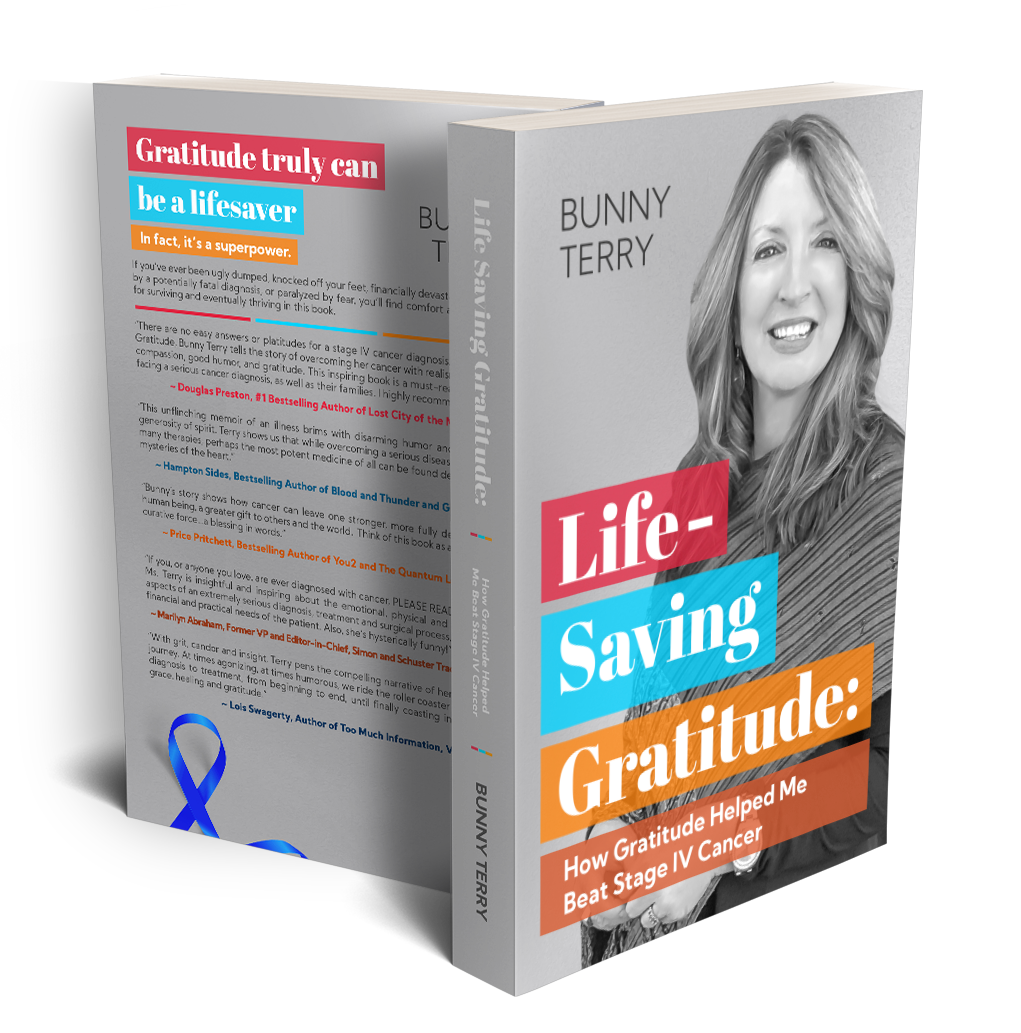
Buy Lifesaving Gratitude the book
Subscribe to Lifesaving Gratitude on your favorite podcasting platform





Featuring:
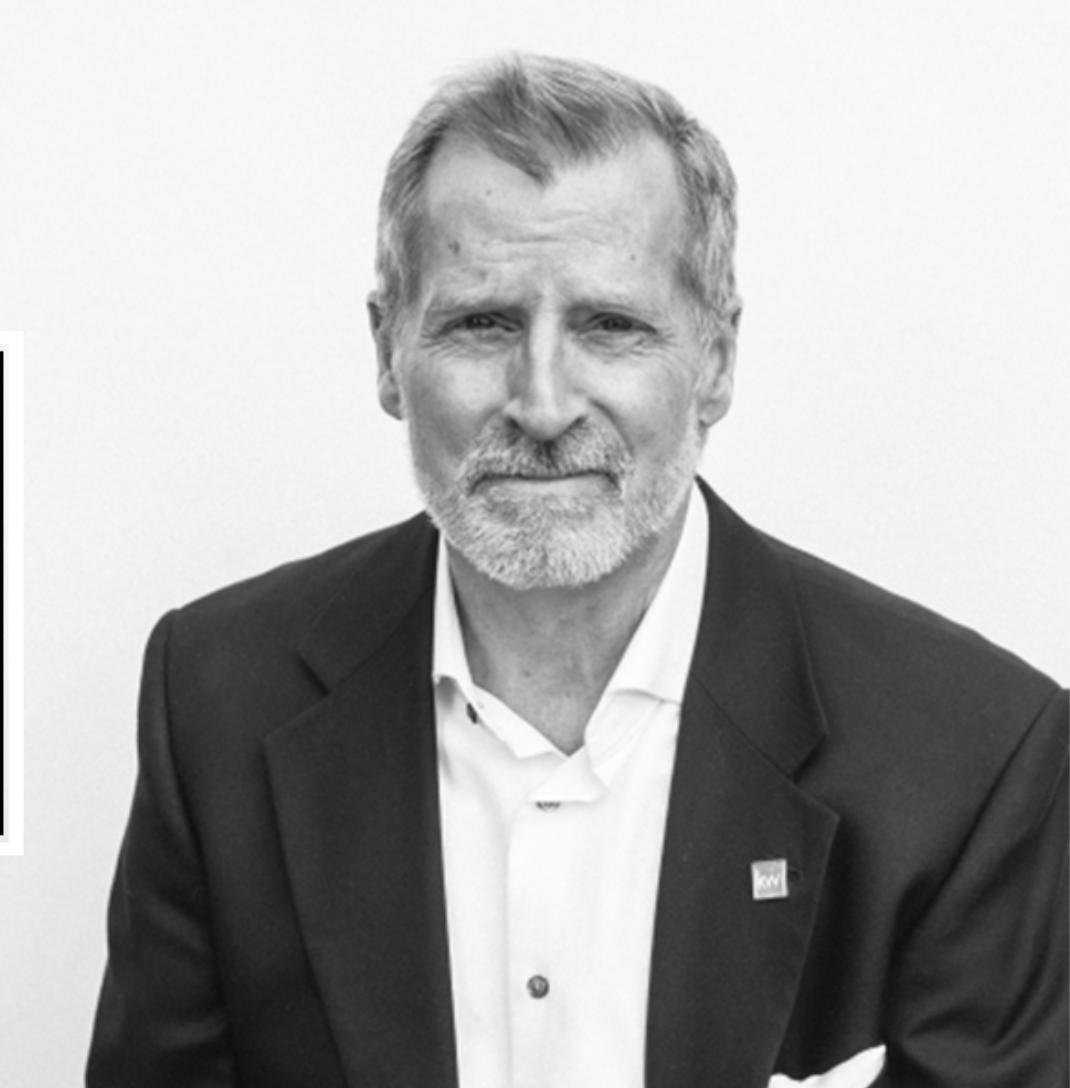
Don Aldrich
Realtor of the Kristan Cole Network and Keller Williams Arizona Realty
Episode Transcript
Bunny: (00:10)
Hi there and welcome to the lifesaving gratitude podcast. This is Bunny Terry, and I’m joined by my producer and co-host Johanna Medina. And today’s Don Aldrich is a friend of mine through real estate networks. However, I was inspired by Don because I maybe about three years ago, I started, I don’t know how we communicated. I probably handed him a card and I started receiving daily emails from him that were inspirational, that contained an affirmation. And I investigated a little further and I found out that Don writes these every single day, um, gets up early in the morning and, um, looks up what he calls bold laws. Those are just things like what you focus on expands or don’t compare your insights to other people’s outsides sort of life rules that, I mean, he sends them out. He writes a few paragraphs about what that means to him, how he thinks that can help you in business. And I just was so inspired by his consistency. It’s kind of crazy that he does it all the time. Right. Johanna,
Johanna: (01:30)
Now that you’re saying that, cause I got, I think a little bit confused or not confused. I think it’s good to clarify. I think sometimes in the episode, I wasn’t sure if it was daily or weekly. And so now that you say, oh, it’s daily, I’m I’m even more or shocked and he doesn’t, like you said, he doesn’t like write them ahead of time or write them and plan them out. He does them every day. So that’s pretty impressive.
Bunny: (01:53)
And he doesn’t, you know, he doesn’t batch them and he’s not preachy. I mean, the cool thing is he’s just sort of saying, so this is what this means to me. And this is how I think it could help you. And it, to me, it’s like, I mean, one of, one of, one of those affirmations, one of those rules is come from contribution. It seems like he does that in a more positive way than most people. And he does it, you know, he is really humble about it. He does it on a really small scale.
Johanna: (02:19)
Yeah. What he talks about definitely applies to everyone, not just realtors or people that work for Keller Williams, but, um, or even anybody that has their own business, just really, it could apply to anyone in life because like you said, their affirmations, um, he does talk a lot about workplace culture, which applies to everyone and, you know, even at the, and he talks about just kinda like his life and marriage and, and how he is just a normal person and struggles with things, but is honest about, uh, how he has worked through a lot of things and grown from it.
Bunny: (03:00)
And I think the cool thing is that it, he shows that this level of consistency and coming from contribution, doesn’t just affect the people that he sends these to, but it’s really changed his life as well. So, I was excited that he agreed to be on the podcast because I think he brings a lot, it was sort of unexpected. And, and so I would, you know, stick around, um, like Johanna says at the very end, he’s really clear about how this has changed his life. And, um, you know, we’re just, we’re excited. You’re here. I’m glad you’re gonna hear Don’s story. And we’re excited that you’re tuning in that you’re liking review and subscribing to the podcast we’re growing every day.
Bunny: (03:45)
I’m so excited that you agreed to be a guest Don, because when I met you and I signed up for what we’re gonna talk about later, I thought, well, you know, this is one of my colleagues with Keller Williams. I didn’t have any idea what an impact you were gonna have both on me on my mindset, but, but what you do for other people that sign up for these emails. And, and, and we’ll flesh this out a little bit, but I just want you to know, I want our listeners to know that you and I met through a Keller Williams event. I’ve discovered that it seems to me that Keller Williams brokers, it’s not that people be, well, I don’t know what it is. I was gonna say, it’s not that people become more positive when they become Keller Williams brokers.
Bunny: (04:33)
It feels to me like that’s, that’s the type of person that ends up working with this brokerage, but I don’t know, maybe it, we come to Keller Williams and we get trained and coached in mindsets. So, um, I’m gonna stop talking about that for a minute. And I just want you Don tell us your story, where, how did yeah. You know, how did you end up at Keller Williams? How did you become a realtor? And then how did you begin this practice? I’m just gonna tell folks, Don’s sends an email out five days a week that is inspiring to a whole raft of people. So I tell us where, where you began, Don.
Don: (05:12)
Okay. Well, I started selling real estate 36 years ago. I was in the Remax system for 25 years and, I had a coaching for probably 20 of those years. So, you know, I always wanted to surround myself with people that were doing more and better and having a leader. And the last 10 years I was at Remax, people that I had known through this coaching company who either became coaches or just moved over to Keller Williams from Remax, kept telling me, would you just go look at Keller Williams? I kept saying, no, I’m good. I’m good. I’m good. I’m good. I’m good. I wasn’t good. I didn’t know it. You know, I was in business for myself, by myself, with myself, even though I had a coach on a daily basis. After that coaching call, I was by myself Bunny for the next, you know, six and a half days. And so five years ago, this June, Ron Wexler in Chicago who had been asking me for 10 years called me stubborn. And, and three days later I happened to walk into the, uh, this office, this market center here in Scottsdale. And it just happens to be the most productive and profitable Keller Williams market center in the entire Southwest. And I was like, oh my gosh there’s a culture here that just pervades. You know, you jump in, you get surround honored by people that want to help you. And you just, you want to give, I walked out, I went home, I learned my lessons. I said to my wife, if you don’t want me to do it, I won’t, but you come back for a second interview. I did not need a second interview Bunny, but I wanted her to hear the presentation.
Don: (06:53)
She walked out of this market center in the lobby, turned to me and said, you need to join this, come right now. This is so you, the culture, the teaching, the coaching, oh my gosh, you need to join this right now. And I still have tears in my eyes, as I say that to you now. So it was like, let’s go. And that was five years ago. And, and joining KW and jumping all in really has changed my, it started changing my career pretty quickly. I was always a 10 million to a 12 million producer, which at family reunion where I was lucky enough to be on stage last month, you know, they asked me, well, why’d you do that? Well, you know, and I said, because obviously I haven’t figured out by myself. And when you surround yourself with others, that just are gonna pull you up, you know, so it started changing my career, but now it’s changing my life. And as I said on the stage, I was always a 10 to a 12 million a year producer, you know, from 30 transactions to 70 in lower price ranges and all that. And I said, you know, good, but it’s not great. And Jason Abras even said, yeah, well, that’s good, but you’re right. It’s not great. And in, in two years we’ve tripled our… I Mean, we did over, we did 30 million last year and the gold the year is 60 million that’s and that’s me a buyer agent and some showing assistance. So most of those transactions though, 95% are coming from me. Um, wow. So my life has changed. It’s made real estate fun and I’m on board with KW. Not gonna retire. We’re just gonna keep going. Cuz it’s fun. Really?
Bunny: (08:33)
What I do wanna make it clear to people that are not in real estate. We’re not gonna talk about real estate the whole time here, but I want you to know that when you get into a culture where you are surrounded by people that wanna help you succeed, I mean, it’s always the goal, um, of the people in my market center to help you succeed, then, then you can’t help, but move towards success. It’s, that’s, it’s all about culture and, and you created not, you know, not only did you, um, embrace that culture, but you created your own culture online by, doing this email. I’m just kind of blown away by the consistency with which you email people all every week. I can’t, I can’t believe it.
Don: (09:25)
Well, you’re referring to the Bold law emails.
Bunny: (09:29)
Yes. So Don and I met and I signed up because I went looking for him. I signed up for these emails. And so every Monday he sends out a new, what we call Bold Laws, which is what does bold stand for Don,
Don: (09:47)
Uh, business objective life by design.
Bunny: (09:50)
And I gotta tell you the life by design piece is the part that, I thought, man, I’m just going to another, this is a training that Keller William says, and I thought, I’m just going to another event where, you know, we’re gonna get more and more enthusiastic. Bold is life changing. Isn’t it?
Don: (10:10)
I’ve taken it seven times.
Bunny: (10:11)
Wow. Good for you. And, and bold explain to our listeners what bold laws are.
Don: (10:20)
So Keller Williams has, there are about 35 bold laws. They’re not trademarked. They didn’t make them up, but it’s like Yoda said in star wars, there is no try. There is only due, um, come from contribution, do what you’ve always done and you’re gonna get what you’ve always gotten. These are, these are statements you probably have heard from trainers and personal development people from, you know, Napoleon hill back in think and grow rich to today’s, you know, Tony Robbins, everybody else, these aren’t new, but Keller Williams has about 35 of them and they’re on posters and they’re on they’re on all kinds of, you know, t-shirts and paraphernalia. So I got the idea Bunny. So, Bold is, a seven week course taught by Keller Williams. And you go to each session for seven weeks, you know on a certain day, certain same day of the week for seven weeks, you have teams where seven or eight people, this is pre COVID, but it’s coming back, sit at a table and you know, like Bunny and I and six other strangers might be on a team.
Don: (11:33)
And Hey, we’re a team for the next seven weeks and you compete against the other tables, um, in the room. And sometimes there’s as many as a hundred people in the room and it’s all in a good spirit. It’s all about getting better. We have to be accountable for how many appointments we go on and contracts written and things learned. And it’s all very system system systematic. I’ll just say that. So at the end of the first time I ever had my first bold class, each cap, each table gets assigned a captain and the captain is the one for, accumulating the numbers of his seven, his or her seven teammates. You know, it’s a little bit more work and being first time bold, you know, it’s like the, the experienced people at the table, or even some of the newer shier people were like, you do it
Don: (12:26)
So I got the captainship by, because I didn’t say no, you know, and now when people point me, I go, you know what, I’ve done that, why don’t you do it? So you experience the gift of being the captain, right? So anyway, I became the captain of the team for that seven weeks. And I said, you know what? Just to keep my team engaged over seven days in between the sessions, I’m gonna email them a bold law. Every single day. This whole thing started with me, bunny sending a different bold law. And I didn’t know them from anybody else to my T to my table mates, my seven table mates. And I would type a little sentence or two, you know, Hey, here’s what this one means to me. You know, what does it mean to you eyes? And you know, you, ladies and gentlemen and so anyway, so it started going to seven or eight people. And then if a few people caught wind of it, say these are pretty good. And it went to 10 and then 12, that was four years ago. And over the years,
Don: (14:19)
He’s moving, but he’s not going anywhere. And that’s what I, that was my theme for the morning. Tomorrow. It’ll be Tuesday’s Bold Law is again the same Bold law don’t mistake movement for achievement. And I’ll talk about something else. And, and what it means bunny is I’m typing it to myself first. Right? And I’m, I’m thinking about, well, this, it goes to my dad, it goes to my wife. It goes to my daughter. It goes to some of my clients, it goes to some Keller Williams agents. It goes to other agents who know me, who are not in Keller Williams. It goes to a few friends and relatives, you know, cuz they’ve gotten wind of it. And so every, you know, every day I’m thinking, okay, who’s gonna get this. This has to be impactful. Um, and, and then on Friday I have a past client now who’s who is a he’s a smart guy.
Don: (15:14)
He’s he was a life coach. Well now he’s come into being a Keller Williams coach. He’s never been a realtor, but he was a guy. He was like a, a George, you know, used to be, you know, a stop smoking, you know, I can get you stop smoking those guys. He was a life changing coach. Right. And, and he subscribed to Bold law and he’s here in Scottsdale. And I said, would you mind just like doing Fridays for me, it gives me a break cuz by Friday, sometimes on, on Friday out. Um, and if anybody wants, you know, to participate, you’re welcome to always comment, send a, an ID. I, I need material, you know? So George looks at my four, my four takes on it through the week and then he interprets it as a, a business coach, a life coach, Akel Williams coach, a real estate coach, you know, and he, and he gives his take on it, which is kind of interesting. He’s an NLP coach as well, so, well,
Bunny: (16:15)
Yeah. And I think it’s important that
Don: (16:17)
I rambled on
Bunny: (16:18)
You. No, no, no. I love that because, because that’s, I was so interested in knowing where this came from, you know, why, what in the world made you decide to strike out and, and write for, um, or five informative emails every single week when you don’t have to. I mean, I’m a blogger I write, but I don’t post a blog every single day. And, and for you to, I mean, that’s a lot of effort and it sounds to me like you don’t, you know, do them weeks in advance, you tend to do them ’em at the time that they’re due to your audience. And I, and these are not, you’re not talking about real estate. You’re talking about life. I mean, I love that, that I read this morning about how, you know, we tend to think that if we, or I used to think this, I used to think if I’m harried all the time, I’m accomplished something and your bowl lot of day was all about that. Being hared, looking like you’re doing a lot, doesn’t necessarily mean that you’re moving forward. Does it?
Don: (17:24)
You’re busy, busy, busy, caught up in the busyness, but you’re not in business. Um, and I’ve been there. I’ve been there. So this Bold Law it started started with, you know, as, so as I’m thinking about, okay, geez, tomorrow, Bunny’s gonna get this. Right. And so is my dad and you know, so is my, my wife and, and, and even there, sometimes my, my wife doesn’t even read them, but my, my 23 year old daughter might. Right. And so I’m type, let’s be clear, I’m typing this to myself. So when I’m saying, um, don’t mistake movement for achievement. And I start like, start talking about the guy rowing on one side of the boat forever. I’ve been there. And, and if I type that in an email, and again, I try to keep them short. So they’re readable, you know, they hopefully can, they’re just a minute, maybe take you a minute to read.
Don: (18:13)
Right. I’m typing into myself first. So I have to, it’s a reminder that I gotta be that guy just for today. And as it’s grown, what’s been cool. Bunny is, and, and I’m not looking for it. I mean, if you want to comment it, you can obviously, I love it when you do. I, there are times where I type on and go, that was really profound. I’m proud of myself. That was good. And I get no response. Right. And then another day I’m like really struggling. And I don’t think it’s that good. And I get like four responses that say just what I needed to here today. Thank you so much. And that gives me the juice to do it again. I never know how they’re going to land, right. The ones I make a good, no response, one thing of bad. It doesn’t matter, but what’s cool. Is that on average, I get, you know, one or two a day and I do have some regular people that thank you. That do comment, once a week, twice a week, I got one today from a gentleman who, you know, maybe he responds maybe once every six months, but he gave me a really great quote on Buddha, which I’m going to, I’m gonna use. I don’t know how, but it will be in probably this week’s, Bold law email. So again, I’m typing it for myself, but now this has grown to a point Bunny. I’m up to 875 people, you know, one and two at a time. So when I let’s say, when I go to you folks that are maybe not in real estate or are when I go to a Keller Williams event, now, my goal has always been to be a big, to be a big network.
Don: (19:55)
I’m in Scottsdale. I’ve always gotten business from other agents because I’ve always stayed in touch without a state agents. I’m in a place like you are Bunny where people move to, right. They come to the Southwest cuz of the weather. And you know, if I was in Whitefish bay, I might not be getting as many referrals. Right. Um, so let’s be clear. I don’t, I’m not doing the Bold law for the referral. I never mentioned. Oh. And by the way, I’m in real estate, send me your bus. I never do that now by showing up on everybody’s doorstep or email five days a week, hopefully I am, you know, on the tip of people’s tongues, if they’re thinking real estate or a realtor in Arizona that you know, that can’t hurt. And I have obviously I have received referrals over that, but what’s cool about this now, cuz when I go to an event and I get you a card, you know, with your permission, I’m gonna put you on the bold law. And so now, I mean, we’re gonna be at a thousand subscribers, so I’m onto something. And, and so it’s in four years, it’s gone from my eight table mates. Pretty soon it be a thousand’s you had asked me, where is this gonna go’s um, at the family reunion, we, I was in a, a, a BNI, another business network, inter national and we’re all Kell Williams BNI. And there are about 50 of us in the room and I stood up and said, and they don’t all get it. But I said, for those of you that do get it, I’m that guy, I’m the bold guy. I’m the one that sends you out. Those bold law emails and some people go, oh, you are that guy. Oh, okay, cool. And so later on in that breakfast, as we had to all go around and talk, the leader of the breakfast said, okay, Mr. Bold, what do you think? Cuz I was like the senior member in the room. Right. And so you’ll see at the bottom of my email now I came I’ve got Mr. Bold You know? And so I’m, I’m somebody called me that. So I’m gonna run with it because it may lead to people saying, well, what does that mean? What does that, you know? And before that, probably about two years into this at, at some Keller Williams event, my broker came up to me and said, you know, those are really good. And I respect his opinion. I said, okay. He goes, you should write a book. I was like, I don’t know how to write a book. I don’t have enough material for a book. And he looked at me and said, well, first of all did pretty good.
Don: (22:30)
Secondly, how long you been doing it? And I was like, well, let’s see, 52 times five, that’s two 60 vacations. You know, I don’t do them on vacations or, you know, but I said, yeah, probably, probably I’ve done it for two years. And he goes almost every day, every week for 50, for two years, I’m like, yeah, he goes, you have enough information to do a book. And I’m like, yeah, I guess you do. So now I start print. I do print out today’s and it goes into a three ring binder and now I’ve got four years worth. So my, I guess my design is, or future hope. It’s some point is to, to have like maybe a bold law day, a bold law for the day book so that it not necessarily the real estate, but it may you open it up and it’s just, just one page one day, right?
Don: (23:27)
And maybe three days it’s success is simple, not easy. And another three days it’s come from contribution and maybe the next four pages are, you know, be, do achieve. Um, so that way it makes like a great graduation gift. It’s not a heavy read. It’s inspirational if they just picked it up in the middle of the bookstore and they go, Hey, this is pretty good. Maybe I’ll buy it. That’s that’s okay. And, and we both worked for a guy named Gary Keller who has written a few books. So I have not met or talked to Gary Kelly yet. I hope to one day, I’m sure I will. Cuz I am affiliated with Kristen Cole who is his queen of expansion.
Bunny: (24:13)
Right. And
Don: (24:14)
Right. Kristen knows that that’s a goal. And my thoughts are, you know, maybe everybody that takes bold in the future pays 10 bucks extra for the book. And 50% goes to KW cares, which is, um, a contribution to obviously people who in need and maybe Gary takes 30% and I get two bucks. I, I don’t know. Or maybe I get nothing, I don’t know. Um, or maybe it just goes Wildcat on the books, on the book. I don’t know. But the consistency will, may maybe lead to it one day.
Bunny: (24:48)
Well, you know, I wrote a book and it wasn’t so much you know, it’s, I know you’re the kind of guy who, I mean, you really do believe in, in coming from contribution. So, um, you know, the book idea, I mean you would change so many people. I mean, to have a handbook that they can pick up, you know, they don’t have to open their email all the time, but they can just pick up and refer to. And I want people to, I want listeners to get that, you know, these are basically affirmations that have real, um, real life applications, like um, um, one of, one of, I mean, one of my face, favorite bull laws other than come from contribution is what you focus on expands my, I I’m, I’m curious to know what yours is. What are, what are your favorites?
Don: (25:40)
Well come since being here, come from contribution has been certainly risen to the top. I think I’ve always come contributed, but there have been times where I probably didn’t contribute to my now 19 year old son, you know, did, did some things that I would not want. Like every parent you make mistakes. Right? It’s interesting. The one that got me here though, the one that changed my life, the one that got me out of where I was and got me to Keller Williams and opened it up was if, if you do what you’ve always done, you’re gonna get what you’ve always gotten. And five years ago, right now, I was like, okay, I’m 58. And in a few short years, plus 10, I’m gonna be 70. And what do I have? I got a list of clients that I don’t really own a business.
Don: (26:32)
I don’t own a building. I don’t, you know, what am I gonna do? Sell, sell my list of names for five grand, 10 grand. I don’t really have anything I can sell. And it was like, you know, and I’m only gonna have the money that I make minus the taxes minus the downturns minus expenses. You know, like I said, not exactly, you know, good, but not great and certainly not a superstar. Right. And so that one just hit me. I mean, I I’ve heard that for years. If you do what you’re already done, you’re gonna get what you always got. Right. But it just hit me at that point. And it’s like, you know, you got enough people telling you to make this switch. Maybe they know something you don’t and you should at least go look. And then when Ron called me stubborn, I’m like, okay, I’m in. So the, the do it, do what you’ve always done. You’re gonna get what you’ve always got. You know, that was a big one. That one got me here. And, again, number one, change the way you look at things and the things you look at change, you know, that’s probably number two contribution, but you focus on expands. Those are the big ones. And a lot of them are very similar folks, you know, they tie in into each other. Right. Right.
Bunny: (27:46)
Well, let’s break a few of those down like that. You know, I I’ve been thinking about do what you’ve always done and you’ll get what you’ve always gotten is, you know, people tend to, um, wanna make huge changes in their life. They, or they want, they want the circumstances they’re in to change. They’re really, really determined that their circumstances are going to change, but they don’t wanna change their behaviors. I mean, I’m guilty of that. You know, if I, continue to go out and have chili reanos and green chili cheeseburgers every day, the outcome is not going to start to be different. And I think I’ve thought about that one a lot lately. But, but talk to people about, you know, like don’t compare your insights to other people’s outsides. We talk about that a lot on this podcast. What does that mean for you?
Don: (28:39)
That’s another, that’s a big one. I forgot about that one. In fact, I mentioned that even though it wasn’t, um, that wasn’t the bold law last week inside the bold law. That’s what I talked about. Cause I had a very profound coach who left us permanently last year and he had, he had it all, but he, he, he got somewhat weird disease and passed away. I remember him coming up to me at one point where I was looking at people on a stage, you know, who I was like, wow, you know, they’re, they’re really good. And I’ve been doing this for years. Right. I can’t help, but compare myself to those people. And by comparing myself to those people up on that stage, who, who probably most would say, Hey, if I can do it, so can you
Don: (29:31)
I’m never gonna be them. And, and by doing that, when I sat next to somebody who wasn’t doing, what I’m doing, I’m also judging their, who might have judged them. Right. But if I put those people on a pedestal, I’m putting these people down, it’s a lose. You know, you don’t feel good either way. So when Tim came up to me and poked me in the chest intently and said, don’t, he said,
Don: (31:24)
I just go down the list, just pick one. And when I get to the end, I go back. Right. And, and there have been times where, you know, it’s Wednesday and maybe I stayed up late or whatever, and I’m struggling. I do go back now to my reference books and I thought, what did I write three years ago? And I go, oh, well, that’s pretty good. And I don’t, I’ll copy and paste it cuz that would take too long. But I might go, you know, that was a, okay. And then I’m good. Right. I want to, the challenge is keeping ’em short. That’s the challenge. Right?
Bunny: (31:57)
I bet that’s true. I know last week, as I recall, it was keep your emotions between the lines and I thought that’s such an important one and that doesn’t just that doesn’t just apply. Am I wrong? Was it not? Yeah. And…
Don: (32:13)
That was two, that was two weeks ago. Last week was success is simple but not easy. Oh. And guess what? Success gets simple when you, success gets simple when you keep your emotions between the line. Right.
Bunny: (32:26)
I Mean that, and that works for everything. I mean, not just, not just transactions, but it works for, you know, if, if, if I can keep myself from getting emotional, even about the charity work that I do and about the results that we’re getting there, I’m so much more effective. It works so much better. Yeah.
Don: (32:48)
Well, I mean, you know, like anybody, you have challenges with teenagers, right. And there have been times where, you know, I’m outta line. I overreact and I was like, well, that wasn’t coming from contribution. And I certainly didn’t keep my emotion between the lines and guess what? We got nothing accomplished, you know, what did he learn by that? So keep your emotion between the lines. It’s like, okay, I’m not gonna, I’m gonna stay cool and calm. I’m not gonna react to the storm because the storm passes in like 10 minutes and he’s okay. 10 minutes later, but I’m miserable for a day, you know? So again, folks, this isn’t all just real estate. It’s, it’s just how you live your life. And then if some of these can impact somebody and improve, you know, then great, then you know, I contributed to somebody, right.
Bunny: (33:43)
So there’s one more that I had a hard time with in the beginning. I mean, it was really hard for me to understand is, and that is I can now I hope I’m gonna get it right. Your cells, listen to your thoughts, how
Don: (33:57)
Your cells eaves, drop on your thoughts.
Bunny: (33:59)
Yes. Talk about that one. Your cells
Don: (34:03)
Okay. So you’re, and I’ve talked about this in many different ways. Your, our unconscious is listening all the time to your conscious. And you know, like if I go out and stub my toe and I, sayoh, you idiot, you know, or knock over a ball, you dummy, you know, well, your subconscious here’s that. And it goes, okay, you’re dumb, you’re an idiot. So your cells are always eavesdropping on your thoughts. And it’s just about, that’s why it’s so important to, you know, as I type this, right? It’s like writing affirmations. It’s like writing your definite major purpose. It’s like stating, and I’m doing that with a mastermind group. Now for the last couple years, we state our definite major purpose. Um, as you, the more you do that, the more you’re training, the more I’m training my unconscious or my subconscious to tell my conscious what to do, cuz our, our SUBC just never sleeps. Right. So, right. It’s important before you go to sleep, be good to yourself, give yourself some grace. Okay. You messed up today. Okay. Learn the lesson. I’ll do better tomorrow. You know, it’s okay. I messed up or today was a great day, but it isn’t because I’m Superman. It’s just, you know, so you’re you’re so are always listening to what you’re telling yourself. So be really careful about what you’re telling yourself. Self-talk right.
Bunny: (35:34)
I had a really great coach who just said to me recently, funny when you pull up somewhere or when you start to go into a room or when you start to do a podcast or when you start a task of any sort that involves somebody else, I think it’s important for you to state your intentions. Even if you only state them to yourself, you know, take some breath, Fs, get calm, and then state your intention. And mm-hmm
Don: (36:41)
Yeah. And, and along those lines, that’s where I learned a long time ago with an affirmation. You know, they want to be positive. They want to be in the future. They, but, and, and you know, some people type them out or you, you can say them, first of all, you gotta say them with emotions. So I’ve got likes 60 or 70 affirmations that I have on index cards. They’re in my, in my console. And as I back my car out of the garage, I start saying, well, it starts with this one right here. Great spirits have always en encountered violent opposition from mediocre minds. Right.
Don: (37:30)
We’re not getting burned at the steak, but anyway, my affirmations, especially when it’s nice out, my windows are down. And you know, I, I say each one, three times, it takes you about 15 minutes on the way to the office. But if I save them with passion and I get, ’em all pretty much memorized, but I have them on the index cards. I, you know, I’ve been doing ’em for years now. And I change ’em a little bit, but you know, I’m, you know, as I’m driving to work, it’s like, um, sometimes people might think I’m crazy. I don’t care. Cuz I’m telling my brain that you know, today is gonna be today is isn’t going to be, today is a great day for my family and me, you know, I am a loving husband and a drawing father for my children. I, you know it, I mean, if I started going, I could take me 10 minutes, but the point is you gotta do affirmation with emotion.
Don: (38:22)
You know, you gotta, you know, I am a great salesperson. I am a great salesperson. I’m a great salesperson. Yes, that’s sale-sy. But if you’re in sales and you don’t think you’re a great salesperson and then you’re subconscious going, no, you’re not. Well, guess what you aren’t. So you gotta override what they used to call a drunk monkey in these. Now they say monkey mind cuz they, we, we don’t wanna offend someone. That’s had challenges. So, uh, but your monkey mind is always, I don’t think so. You just gotta beat that all the time. And eventually, you know, I believe now more in me than I ever have and that emotion and that confidence and that delivery is just, it’s just coming out. So it’s part of me saying my affirmations, it’s part of writing affirmations. I learned a long time ago. You can say them, you can think them, you can, but if you take a pen and a paper and you go from here, right, your brain down into here, down your shoulder, all the way to your fingers and, and it takes you 30 seconds to write out a statement, you’re looking at it and thinking about it that whole time versus just rattle off on a keyboard. I’m not saying that’s bad. I’m just saying that this is better because you’re involved with it longer and it’s gonna be, it’s been more impactful for me. So right. Again, getting back to the bold laws as I type them. And then I go back and I like that sentence or typo, you know, I’m spending
Don: (40:26)
I’m very transparent. I say, okay, true confession. Here’s what happened to me. I, you know, no pressure, no diamonds. I didn’t put any pressure on myself to do much work. So I didn’t guess what, I didn’t get any diamonds yet today. But boy, when I work, like you said, with intensity, with a stated desire, the diamonds come in and diamonds, we’re not talking about, I mean, diamonds are a girl’s best friend. I know that. But the diamonds of life are gonna come to you. The more you work at going to get when you apply yourself, when you state it, when you go to work that’s what I’m, that’s what I’m saying. That’s that’s another one we have mentioned. No pressure, no diamond.
Bunny: (41:06)
I love that one. I love ’em all. So, so we’re gonna ask at the end of this, we’re gonna ask you to give us how people, how people can sign up, how they can let you know that they’d like to get your emails. But I’m curious
Don: (41:27)
I am grateful that, it’s a long story, but um, like a lot of people, a lot of realtors, we went through a very tough time in the last crash. I thought I was hot stuff, bought properties. I shouldn’t have bought, bought them without my wife’s endorsement. Just, you know, sign here. And we crashed and we crashed hard. We had bankruptcies, we had for foreclosures, we had short sales, we lost about everything. Um, when I came to KW, I had about three grand to my name after 31 years in the business. Right. Wow. But I knew like within a couple of days of being here, I might have been financially wrecked. Right. And, or just
Don: (42:31)
Oh, I’m so excited and proud of it because 15 years ago, my wife, my wife had taken off the ring. You know, it was like, you gotta go move somewhere. I’m like, where am I gonna go? We have no money. I’m not gonna sleep on my friend’s couch. You know, I was fighting real estate wars folks that I was coming home, fighting financial and marriage wars. And it was awful, but I’m most proud out of that. Through, you know, the people I know and affirmations and reading and being around people like you, Bunny, you know, I was an enemy for a long time with my wife. I didn’t do it intentionally. I didn’t do anything wrong. I just bought properties. I shouldn’t have been allowed to buy with good intentions and, and lost everything, took it in the shorts.
Don: (44:07)
That was our home. Then everything else we bought was investments and rentals and sign here. This is a good deal. You know, this is the first one where we’re buying something now together in our sixties. And this is gonna be, you know, our home song, I guess I’m most proud of that. We’re, we’re still together, not perfect, but we’re still together. And we built this and we’re now on each other’s sides and we’re teammates and, and it resulted in us getting the call last night, Sam, congratulations, the house is yours. And we had to beat out others to do it so long story to her long to a short question, but most grateful for my wife and hanging in there with me to get here. So well,
Bunny: (44:47)
I love that you made me cry.
Don: (44:48)
Well, I’m starting to cry too, so there’s no crying in baseball. Um, but that’s, what’s cool about being at KW, this culture, this, this, this, this culture is just, you know, people have their, we all have our crap happen to us, but it’s how you respond to the crap that happens to you. And, you had your challenges. And so what’s cool about this now at I’ll be 64 in a couple of months. It’s like, well, first of all, I can’t financially retire. Right? It’s okay. But I’m in a position now where everything that’s going on, man, the next five or so six or seven or eight years, I’m gonna be in a position where, where are we gonna be? We’re gonna be, so if we’ve done all that just in five years coming from zippity, DDA, what are we gonna do in the next 5, 6, 7 years by the time I’m 72, 73.
Don: (45:47)
I don’t know. Maybe I’ll, you know, maybe now the little team I’m building is a big team and I step away. Maybe I, I consult, maybe I teach, maybe I coach. Maybe I stay in it. And I, I don’t, you know, I’m not, I’m gonna have many, many options, which I get to choose and have fun with because you know, as this card says, I mean, do what do what others won’t do for five years? And you can have what others won’t have for the rest of their lives and not trying to put anybody down, but you put in the work, it’s gonna come back, right. Hockey stick. And so we are now just, you know, I’ve said it before. It was pointed out to me by my first bold coach, after you got to know, he goes, you know what? You’re like this big Denny Grimes, he’s a pilot. He says, you’ve been this jumbo jet going down the runway, you know, 200 miles an hour for 20 years. Talk about movement with no achievement, you know, and, and being here at KW and with the people around me now in the last two years, I’m finally full-throtle and, and we are now starting to climb. And that’s, that’s exciting that how can you not get turned on and have fun with that? Right.
Bunny: (47:03)
Well, and it’s just I mean, it’s just a matter of consistency. I also think in the next three to five years, you’ll have your book published and you’ll be going on speaking tours. So that’s so exciting. I’m so grateful that you came on this show. That’s so nice.
Don: (47:19)
Well, thank you. And, and you know what, and I love real estate more than I ever have. And it isn’t just because the market right now is crazy, right. It’s because of who we’re around, who I’m meeting, who I’m learning from and when the market’s not so crazy, we’re still gonna do very, very well. Cuz we’re, we’re just expanding with so many more people that know us and we’re contributing to other people’s lives versus 5, 10, 15, 20 years ago. I was grinding it out, but it was like one at a time. And they’re just, it was more of a job. This is like, you know what? This is fun.
Bunny: (47:53)
So tell me how so tell people how they can get in touch with you to be included on your email list. Sure.
Don: (48:01)
And by the way, you can opt out at any time.
Bunny: (48:05)
I’m not opting out. It won’t
Don: (48:06)
Bother me. No, it it’s okay. If you do, you don’t like it opt out. It’s all right. I, you know, I don’t, I maybe I do take it personally, but it’s okay. So, uh, my, my, uh, email address is my name, Don Aldrich and that’s D O N a L D R IC H Don Aldrich, kw.com. You can just send me an email, Don Aldrich, kw.com. If you wanna call or text me six oh two four one oh four three six six six oh two four one zero four three six six. Just request that you wanna be on bold line. And if there’s anybody else you want on it, put ’em on your email. You know, if it’s kids, family members, a friend, they, they don’t have to be in real estate. They don’t have to be, oh, no. I think the website’s being designed right now. So yeah, I’m sure you can find it on a website, but I, you know, I let other people control Facebook and all that for me, but just email or call me or text me and I’m happy to add you to it. Um, you would be on like the next Monday and you you’re gonna get this five days a week. Typically my goal is nine o’clock Eastern standard time. Cause I’m doing these early in the morning in the west. Wow. So nine o’clock Eastern standard time. You should have it five days a week.
Bunny: (49:27)
So, well, Don, thank you so much for being on the podcast and thank and thank you for every week. Inspiring me in some way. I so appreciate it.
Don: (49:36)
Well, you inspired me too right back at you, baby
Bunny: (49:51)
I that’s all we’ve got today. Friends. I wanna thank you for joining the lifesaving gratitude podcast with your host bunny Terry that’s me and my producer and assistant Johanna Medina. We feel like we’re in the business of sharing the stories that save us and we hope you’ll sure as well by letting your friends and family know about the podcast follow and like us wherever you listed. And please take the time to leave a review. Whether it’s a stellar comment or a suggestion, we are open to suggestions all the time. Also follow us on Instagram at live saving gratitude pod. You can also follow me personally at Bunny Terry, Santa Fe. You can sign up my website at bunnyterry.com to receive weekly emails about how to become the ultimate gratitude nerve. Thanks so much for checking in.

About the Podcast
Gratitude is a superpower. It can transform—and even save—your life. Author and activist Bunny Terry discovered the life-saving power of gratitude when she survived Stage IV colon cancer. She interviews a wide variety of guests who have also used the art and science of gratitude to survive, and thrive, in their own lives.
Recent Episodes

I Love New Mexico Teachers: Bunny Terry
About the Episode: Summer is coming to an end and a new school year is...

I Love New Mexico Food: Kirk Muncrief of AlbuKirky Seasonings
About the Episode: In New Mexico you know we love food AND we love spicy...

100th Episode Recap: Bunny & Johanna
About the Episode: The I Love New Mexico podcast has made it to 100...
About the Episode:
Can gratitude help you to become a . . . better marketer or realtor? It might sound like a strange pairing, but it’s worked wonders for Craig Cunningham, a Sante Fe-based realtor, 30-year veteran in the hotel business, and founder of the marketing firm Cunningham + Colleagues. In this interview, Craig shares what he’s learned about using the power of gratitude to build a successful career in marketing, customer service, and sales and get him through his own battle with cancer.
Resources mentioned in the episode:
- Bunny’s Website
- Lifesaving Gratitude: How Gratitude Helped Me Beat Stage IV Cancer by Bunny Terry
- Cunningham + Colleagues marketing firm website
- Sante Fe Kitchen Angels
- How to Win Friends and Influence People by Dale Carnegie
- Craig’s Blog: Santa Fe Scenes
Subscribe to Lifesaving Gratitude on your favorite podcasting platform

Featuring:
Craig Cunningham
Thanks to a career in the hotel business, Craig Cunningham has traveled extensively throughout the world and now calls Santa Fe home. As an enthusiastic observer of cultures, traditions and history, Craig enjoys sharing all things Santa Fean and New Mexican.
Bunny met Craig as a fellow realtor at Keller Williams in Santa Fe. Craig’s experience as a hotelier and his expertise in sales and marketing gives him a unique perspective on customer service. Craig knows just how valuable it is to show gratitude toward his clients and colleagues.
He writes regularly about Santa Fe on his blog, Santa Fe Scenes.
Episode Transcript
Bunny: Hi everyone. This is Bunny with the Lifesaving Gratitude podcast. Just in case you don’t know me, I am a stage four colon cancer survivor and the author of Lifesaving Gratitude, which is a book about how gratitude helped me kick cancer’s ass.
Today we’re going to talk to a special guest about how marketing and marketers can use gratitude to create business and connections with clients and also for themselves to create a really positive way to do their job. But first, I just want to thank you for being here and ask that you download the podcast if you’d like. And certainly subscribe wherever you listen to other podcasts. But enough about me and enough about the podcast.
I want to introduce you to my special guest, who’s also a friend. Craig Cunningham is currently a realtor with Keller Williams, Santa Fe. And that’s how I met him. However, this is a recent career for him and he was, and correct me if I mispronounce the word, but you were a hotelier. Is that the way to say that?
Craig: Yes.
Bunny: Yes. He’s spent 30 years in corporate sales and marketing. He’s traveled extensively. I’m going to let him tell you all the places that he’s been to, but he is the founder and principal of Cunningham + Colleagues marketing consultants. He was in the past the VP of marketing and quality for Seaport Hotels and World Centers and the VP of marketing for Core North America. So welcome Craig Cunningham.
Craig: Thanks so much for having me on your podcast.
Bunny: I’m excited. I know you have some great tips for all of our listeners. When I think about these podcasts, I always think about the people that are going to want the information we’re offering. I mean, we’re here to help people and we’re here to figure out how gratitude can make everyone’s life not just easier and simpler, but also fuller. So why don’t you start, Greg? Just tell us a little bit about yourself. Tell us how in the world you ended up in this completely different career? And yet the truth is we’re still just marketers first and realtors, second. Tell me a little bit about yourself. Tell our listeners.
Craig: Yeah. So, as you said, I’ve been in marketing and sales for more than 30 years. I actually started off with an advertising and PR agency and then had the good fortune to be hired by my hotel client at the time, Wyndham hotels. At that time it was a North American chain and it’s now international.
But from then on, I was in the hotel business. It’s definitely a career where if you are not focused on client service and the whole concept of gratitude, you’re not going to be successful. I always thought of our job as just surprising and delighting our guests and making them feel like they chose the right hotel to be with. And so it was always about waking up every day and saying, “What can I do to make somebody’s day and to give them a great experience?” And, of course, to do this you have to be grateful because they opted to choose your hotel over the million other choices that they had.
So when I retired from the hotel business two years ago, I was trying to figure out what else I wanted to do with my life. I started doing more volunteering. I volunteer with Kitchen Angels here in Santa Fe to deliver meals to people who are not able to leave their homes. But I also started thinking of whether I wanted to do something else from a professional standpoint and the real estate business seemed like a natural extension, because it’s all about client service. You have to figure out ways to make people feel like they’ve made the right choice in working with you. So it’s all about being grateful every day and figuring out what can I do to help them today. How else can I extend what I’m doing for them in a way that they will appreciate and know that I appreciate them. So that’s what it’s really all about, because of course they could work with a million other other people
Bunny: Right. And let’s talk for just a second. Don’t you think that marketing has changed over the 30 years that you’ve been doing this? I mean, it seems to me that when we were kids, which was back before the crust cooled, we were sort of marketed at. Just talk for a minute about how marketing is different now than it was 10 years ago or 30 years ago.
Craig: It’s funny, because I was going to say the exact same thing. Back in the day, you were running a TV ad or a radio spot or a print ad and it was passive in that you just presented the information, unless you were direct sales. But really with the advent of so much digital media, you are instantly able to forge a relationship with customers through social media, through Facebook, Instagram, where you’re having a dialogue with them from the very beginning. This allows you to work in a much more personal way and to be able to find out much more quickly how you can serve those people.
So I think it’s changed completely. Before you just sort of put it out there into the ether and hope that something worked, and now you’re able to engage. And I’ve found that so much in real estate where I’m getting emails from folks and then it evolves from the email into a phone call or a zoom call or something like that instantly. I think that’s so much better for both people. Especially for somebody like me who wants to find ways to engage with people and to be of service to them, it makes it a lot easier and more rewarding.
Bunny: I just think about the ways that I connect with my clients. It’s as if you’re somehow conveying to those people that you’re grateful that they showed up.
Craig: Yeah, exactly. I mean, my whole thought is that it’s not a transaction, it’s a relationship. And that relationship can be multifaceted. Once you’ve sold them a house or sold their house, I like to think that we’ve formed a friendship and a bond and that relationship is going to continue. And honestly, I don’t even care if I ever get another piece of business for them. Now think of them as friends. I want to have them to my house for dinner or go have coffee or something like that.
I think that kind of thing that makes a difference for people in wanting to work with me. It’s coming from a position of wanting to be of service to them and wanting to make them happy and finding the right solution for them. I’m working with some first-time-buyers right now and I kind of feel like they’re my kids. It’s about, okay, how can I really help them with this? And they’re grateful for the counsel I’m able to give to them, and I’m grateful for the opportunity to work with them. So it’s very rewarding. I think if you approach business relationships in the same way as you would with your friends, it’s a win-win situation for everybody.
Bunny: Well, talking about those first-time home buyers, I mean, that’s one of my favorite deals. You never make the most money from those transactions, but I’m so grateful to be reminded that we are providing the American dream when we’re selling real estate. Yeah. It’s amazing. It’s my favorite experience.
Craig: Yeah. I mean, for somebody to have their first home and to be excited about how they’re going to decorate it and what they’re going to do. And with this young couple, seeing them excited when they see a house brings out all my empathy and makes me want to really go the extra mile for them to make sure they find the right house at the right price for them. And then I just never want to stop. So then it’s like, “Okay, now I’m going to find this person for you to do the plumbing, and I’m going to find this person, etc, and I’ll be with you with you to help explain things.” I just want to really continue to be of service.
Bunny: I talk a lot, especially on my blog, about Judy Camp, who was one of my first real estate mentors. She was a great friend and Linda Gammons partner for a long time before she passed away. But Judy Camp always says, “If you come from contribution, you can’t help but be successful.”
Craig: Yeah. I mean, just as I was saying, you can’t think of it as a transaction. I think, coming from contribution, how can I help you? How can I make this a better experience? How can I make this work? Because, especially in a real estate transaction, it can be stressful. It’s the biggest financial transaction for the majority of us. So how do you take the burden and the pressure away from them and sort of guide them through the process? I just think the main thing is that it’s much more fun, whether you’re doing volunteer work or in business, to wake up every day and figure out how I could make it fun for somebody else. Because then it’s fun for you and it gets you excited and passionate about what you’re doing.
Bunny: Well, it sounds like our big “why’s” are really similar. I certainly don’t want to put any words in your mouth, but it sounds like your big “why” is just to make the life of the people you come in contact with better.
Craig: Yeah. Of course making money is nice, but there are lots of ways to make money. It’s more about whether you are getting energy from it. And I think you really get energy when you’re working with someone and trying to figure out how you can help them, how you can make their day better, how you can make the service that you’re providing better. And also just doing things that saying, “What about if I do X, Y, Z?” and they’re like, “Oh, you’ll do that for me?” And I’m like, “Of course.”
I have another set of clients where the transaction was fairly complicated and we were looking at lots of properties. Coming from a corporate background, I love to do spreadsheets and PowerPoint presentations—things like that. And so after about the third thing we had to do, they’re like, “Oh, how are we going to organize all these bids?” And then one of the guys said to the other guy, “Well, Craig’s going to do a spreadsheet for us. He’s probably already got it done.” So it’s that kind of thing where you’re looking for ways to make their experience better.
Bunny: So this is always a funny question for me to ask, because I have such a loose gratitude practice other than just waking up in the morning and saying, “thank you, thank you, thank you,” and then writing things down, but do you have a practice that you follow that helps you both in your business and your personal life?
Craig: Well, since I came into real estate with Keller Williams, which focuses a lot on being servant leaders and helping people, I’ve gotten into the habit of writing three things I’m grateful for that day. It could be that it’s a beautiful day or a dog or my partner or the opportunity to help somebody or the coffee’s really good that day, but waking up and appreciating what you have in your life is a good way to get in a good mindset for the rest of it.
Bunny: Oh, absolutely. Something I always say is that we kind of rewire our brains. We do. We create new neural pathways every time we say that we’re grateful. So in terms of nuts and bolts, is there a way that you let your clients know? I mean, I find that there are a lot of young people, young entrepreneurs or people who are new to business, who forget how to tell their clients how they’re grateful for them, even if it’s a line in an email. Do you have something that you do specifically over and over?
Craig: I think for me, it’s maybe more in the actions. I think of “This is really going to be helpful if I do this or if I provide this information.” I think it’s always in my voice and the way that I write. I try to always communicate openly and in a friendly and conversational manner. But then I also think “It would be really cool and really helpful if I did X , Y , Z.” I created a whole PowerPoint just on the neighborhoods in Santa Fe, because if you’re out of town it gets confusing. And that came out of a client saying, “Well, I don’t really know the neighborhoods.” And I thought that this would be a great tool for them. So I created it and then I was able to use it with others.
So I think for me, maybe it’s sort of on the fly. I used to say in the hotel hotel business, “How can I make this a wow experience?” Because the other way to think about it is that every relationship is with people. When you’re in a service business you’re really in the business of creating memories. You can create good memories or you can create bad memory and it’s much more fun to create good memories.
Bunny: And that just comes from a spirit of generosity. I mean, you obviously want this to be the best real estate experience they’ve ever had.
Craig: Right. Right. I’m very grateful for the people that have helped me along the way. I’ve been very fortunate in my career to always work for people who were concerned about my career development and my personal development and became dear friends. And I’ve had a couple of bosses that have hired me twice in two different jobs. So I’m always grateful for the things that other people have done for me.
So then I want to pay it forward. When I came to Keller Williams and I was introduced to the team here, there was so much openness and willingness to share and help and support. It has been fantastic. What strikes me the most is how grateful I am for what other people have done for me. And how do I pay that back?
Bunny: I mean, this is not a podcast to plug Keller Williams. It’s really more to talk about mindset, but the place where I learned it was sitting in that training room and learning that my mindset was the secret sauce. I mean, that’s the success piece, right?
Craig: Yeah, exactly. It’s not just about production and everything. It’s about weight and having a sense of gratitude and contribution and a sense of abundance. And I don’t mean that in a monetary way. It could be abundance in your health or your friends or all of that kind of stuff. And I think back to you. Your experience with cancer was far worse than mine, but I did have prostate cancer about nine years ago. Everyone I worked with during that entire time when I was going for radiation every day for 10 weeks was so supportive. And then on the last day of radiation, there was this very important meeting, and everyone knew it was my last day.My whole team had a celebration for me on my last day. That was turning something that was obviously a challenging situation into something where I knew they really cared about me and supported me.
Bunny: Wow. I’m interested to hear how your mindset was in the middle of that?
Craig: I’m just by nature, an optimistic person. So even though it was scary, I felt like I was in good hands from a medical standpoint and I just felt like I was gonna beat it. I had done the education that I needed to and then it was really about having a positive mindset.
This is probably too much information, but I’ll say it anyway. You’re doing the radiation stripped down to your boxer shorts. And so I jokingly put this Facebook thing about the fact that I needed a new pair of boxer shorts for every day. And people started sending me underwear—different pairs of boxer shorts for every day. So while I was sitting there in the big machine, where you’re sort of in there and it’s buzzing and scanning and all that kind of stuff, it got to be kind of a joke with the techs: “Oh , what’s he going to be wearing today?”
Bunny: I love that.
Craig: That was a way to keep my spirits up. And also during that process, I really learned how to be very focused. I was in a waiting room with people that were going through, frankly, worse things than prostate cancer. Don’t get me wrong, prostate cancer is pretty serious. It is. People die from it. But I was seeing so many other people that were having a much more challenging time than I was. And we became a family. We all bonded together during that process, because we were all waiting, sometimes for an hour. So it’s things like that. And also things like the kitchen angels service, where it helps reboot you every day for how grateful you should be in your own life and grateful for the opportunity to help other people.
Bunny: Right. There are tons of people who do get what a gift it is. People who don’t even have a specific gratitude practice, but at least an attitude every day that you’re going to figure out something. I just wrote a blog post on limiting beliefs and one of the things that I wanted to convey is that we get to choose every single moment how we view the world. And maybe for somebody out there who’s brand new in business or who’s starting a new business. I just read a statistic that said that the entrepreneur demographics are changing. And now like 48% of new entrepreneurs are over 50. So hooray for the old people!
But I know that there are people out there right now who are thinking, “Well, I’m not any good at marketing. I’m not any good at that piece of it. I can sell stuff, but I’m not good at the marketing stuff.” I’ve got to tell you, I’m married to a guy who doesn’t believe in self promotion because he came from a generation when you played down your assets, instead of being grateful for them and talking about them. So I’d love to hear what you have to say to somebody who has that limiting belief that they can’t market. And they can’t promote themselves.
Craig: You know, we could all market ourselves, and we do it every day in our interactions. Whether we think of it as marketing or not, we’re marketing ourselves all day long in how we react and treat other people. The thought I had as you were talking about your husband thinking self-promotion sounds like a dirty word is that it doesn’t have to be you talking about “me, me, me” and “I did this million dollars in revenue.” This is kind of a turnoff in some ways, because you’re talking about yourself. But if you’re talking about how you can help somebody else and how you can provide a good experience for them with your information and knowledge, you’re not talking about yourself in that context. You’re talking about how you can be of service. I think that’s a much easier way for a lot of people from a generation where we weren’t really supposed to be talking about ourselves.
Bunny: Well, it was pre-social media. Our face wasn’t out there. We just weren’t trained to tell people, “Here’s the reason you should hire me instead of the other person.”
Craig: Yeah, exactly. I mean, now we’re all our own brands on social media. But I think that rather than saying to somebody, “Here’s why you should hire me versus somebody else,” you should just talk about how you can be of service in what you do in an authentic way. Then people are more likely to want to work with you, because you’re radiating a sense of positivity and an interest in them. And they’re not thinking that you just look at them as a transaction and then you’re onto the next person.
Bunny: I frequently use with my marketing coaching clients the example of a dinner party. If you went into a dinner party (and this is for people who are just beginning in whatever business they’re in, especially if they’re self-employed), you wouldn’t simply walk in, take your coat off and say, “Hey, I’m selling something, come and talk to me.” Right? I mean, that’s what you don’t want to do with marketing. You want to start by building a relationship. Can you talk a little bit about that?
Craig: I think it goes all the way back to Dale Carnegie’s How to Win Friends and Influence People. People do like to talk about themselves. And so the first thing is you should be listening. That was one of the first things I learned in marketing client service. You need to ask questions and learn from your clients. Focus on what they need, as opposed to talking about yourself. You really want to establish a dialogue with them about their wants and needs and hopes and fears and everything else. Then you can talk about how you can address them. But nobody wants to go in and all of a sudden have you sit down and say, “Here’s my PowerPoint about me and what I’ve done.” It should be more of establishing, from the very beginning, a relationship of openness with folks. Then, after hearing from them, you can say “Well, here’s how I think I can you and here are some ideas that I have that I could share with you.” So I think a key thing is really listening from the very beginning.
Bunny: I even found that to be helpful when I used to first go on listing appointments. I was so nervous that I would sit down and I would immediately try to book an appointment. You know, if you’re not in real estate, a listing appointment is just like sitting down with a prospective customer. I would be so nervous in the beginning and really coming from a place of scarcity where I thought, “If I don’t get this listing, I’m not sure I can pay the rent next month.” And if you’re coming from a place of scarcity, you’re likely to self-sabotage. But that’s such good advice because things changed when I finally learned how to sit back and listen: “I’m here to help you. Tell me what it is that you need. Talk to me.” It’s so powerful to give a client time to talk to you. And I think people forget to do that, right?
Craig: Yeah. And I think sometimes we do it because we’re afraid. What I’ve learned so much over the years in business working with people is that people are terrified of silence, so they will immediately start talking. If there’s a second of silence, you jump in and start babbling. Lord knows I do it. But if you just let somebody talk and let it sort of sit there for a second and not just try to be filling in all the time. It drives me crazy when people are doing that. It’s much better if you can have the client talk and then ask some more questions and then be warm and reflective about it. Back to the Dale Carnegie thing, I think one of his first points was if you’re at the dinner party, ask people about themselves. Most people do like to talk about themselves. So ask them and don’t just start talking about yourself.
Bunny: I think that even people who would say, “I don’t like to talk about myself,” really do want somebody to ask them and listen to them.
Craig: Yeah. And it’s not just asking them to go on and on. It’s more meaningful questions about, for example, why they decided to move here. Just those kinds of questions that get them thinking. Growing up in materialistic Dallas, the joke was that the questions at a party were like, “Where do you live? What do you do? What do you drive?” And so it’s not questions like that. It’s asking them more about their life experience,
Bunny: You just brought me to another completely different point, which is for any realtors out there listening: I think it’s really important to convey to your clients how grateful you are for where you live. I mean, if our lifestyle is such a selling point, don’t you think you should share that?
Craig: Oh, yeah, exactly. I mean, living in Santa Fe there’s so much beauty. I’m looking out my window right now at the beautiful blue sky. When I leave my house in the morning and I see the mountains, and then when I’m coming home at night and the sun is setting over the mountains and I see all the different colors and everything, it’s just breathtaking. It’s great to live in such a great and wonderful environment and in a place that is very spiritual, going back with the native Americans—respect for the earth and nature and all of those things—I think it does help center us more than a lot of other places.
Bunny: How do you convey that to your clients? I know you’re doing something really cool online that’s different from some other realtors.
Craig: Well, I’m not just posting on my Facebook page,” Hey, I just sold this house or just sold that house.” Well, that’s great. But I’m more talking about new experiences in Santa Fe: new restaurants, or a new place to go hiking, or something exciting that’s happening at one of the museums or things like that—enthusiastically talking about the experience of living in Santa Fe. And if down the road, by the way, you’re looking at this stuff and you decide you want to buy a house here, I would love to help you. But it’s more about conveying the reason why we all want to live here
Bunny: And tell us about your blog, because I think it’s amazing.
Craig: So I created this blog, which is called Santa Fe Scenes. It’s that same kind of thing where it’s just talking about having fun in Santa Fe. One of the things was, you know, we’ve got the old Santa Fe trail and we’ve got the old Pincus trail, but did you know that we had a Margarita trail and a Chocolate trail? Stuff like that. Just being whimsical about it and talking about some of the things are unique about the city and sharing my own passion for Santa Fe. I was very fortunate to be able to do a lot of international travel for my job. I was grateful for the opportunity that I was given to see places that I wouldn’t have seen otherwise from Bogota to Sao Paulo and Rio de Janeiro and Beijing and places like that. So I’ve always been enthusiastic about travel and now living in such a beautiful place like Santa Fe, I want to share that enthusiasm with people.
Bunny: And you’re getting some good feedback on that I bet, right?
Craig: Yes, I am. I’m getting good feedback on it. It’s been a wonderful thing to reconnect with friends who are saying, “Good for you, you old dog! You’re back out there trying something new.” Because whenever someone says, “Oh, you’re a new realtor,” I say, “Well, I’m an old new realtor. I’m 61 and I’m starting this for the first time.” But it’s been great from that perspective and the support that you get from your friends. Then people are saying, “Oh, well, I know somebody who might be interested in sending you that information.” I think that’s one of the positive things that social media has done where we’ve been able to reconnect with so many people that we might have completely lost touch with.
Bunny: Oh yeah. I did a post not very long ago about how grateful I was, and it was in the middle of all the fear over Facebook and Twitter. And I just said that it’s such a great platform for reconnecting with cousins that I haven’t seen since I was six. I mean, I just turned 60. I’m an old dog and this is a new trick for me, but I think that if you use it the right way, it’s a real gift. I also think there are so many realtors, like you said, who just post either pictures of houses that they have listed or their accomplishments. And I think they’re really missing an opportunity.
Craig: Yeah. Because then you’re just talking at someone. You’re not sharing information and excitement about things with them. People don’t want to look at that stuff. They want to look at things like the fact that there are like six great chocolate tiers in Santa Fe. And then the next time I’m in town, I want to go to each one of them. Or discovering an amazing new hiking trail or a beautiful image of a shop window or a piece of art or something like that.
Bunny: Yeah, it’s so much better than “I just listed this house at 123 main street. Don’t you wish you owned it?” Exactly.
Craig: Exactly. I think more people would react to it. I’d really like to have some of that green chili chocolate over at The Chocolate Smith or whatever. It’s much more interesting than a picture of a kitchen that has granite countertops. Oh my goodness.
Bunny: And, you know, Craig, I found that people will call me and they’ll say, “Well, I’ve been following you on Facebook for two years. And I feel like you’re my best friend. I think you’d be the right person to show me around and help me find a house.” And I bet that’s happening to you too.
Craig: Yeah, exactly. It’s funny, you mentioned that. One of the people I’ve been mentoring told me a story about how she posted a lovely picture of herself and then somebody called her and said, “I feel like I already know you because you just look like a nice person and I feel like I can trust you.” I think also that it’s our eyes and our smile and everything that conveys so much of what you’re talking about. If you have a spirit of gratitude and service and a sense of abundance, not scarcity, it shows in your face, your eyes, your smile, and your whole persona.
Bunny: Well, we’re going to have to wrap up here in a minute, but I would love to hear if you have just three great tips that you would give to somebody who feels kind of stuck in their marketing. It could be what you’ve learned in 30 years or in the last three days, whatever it is.
Craig: I think one is changing your question from “How do I market myself?” to “What can I do for this client?” or “What can I do that’s going to excite the people? How can I make them feel appreciated and valued?” And this can work in cases where you’re actually working one-on-one with a client or cases where you’re trying to figure out how to promote what you’re doing. How do I find ways to surprise and delight people? So I like to do that with social media buys, where you come up with quirky, little things to talk about that are authentically Santa Fe or a funny picture of my dog or something like that. You want to put a smile on people’s faces. And social media gives us so many opportunities to be able to do that in ways that we couldn’t before. So the main thing at the end of it is to put your client first, and then I think everything else will come from there.
Bunny: You’re absolutely right. I think as long as your passion is helping people, then success is just a natural by-product of that.
Craig: Exactly. People feel that energy and then they want to tell their friends about you.
Bunny: What I’ve found is that people want to be able to trust somebody, especially in this business where they’re making possibly the biggest purchase of their life.
Craig: Right? I’m thinking back to these younger clients. We were touring houses, and they were interested in one particular house and I was like, “No, I’m not going to let you buy this. This is not the right move.” And I think all of a sudden they’re like, “Wow, he really cares. He’s not just thinking ‘Tick tock, tick tock. We’ve seen three houses.’” This is not House Hunters International where there are the three properties and you have to buy one. So again, it’s not a transaction. It’s a journey. It’s a relationship.
Bunny: I think that’s the most important tip for somebody to take away. Whether you’re selling widgets or earrings or house cars or houses, this is not a transaction. It’s a relationship. We want people to trust you and come back over and over. I don’t know how you can love your job if you’re not doing it the way we’re doing it.
Craig: Yeah, exactly. And have fun with it. We get to meet interesting people all day long. We get to see things. We get to use our own creativity to express ourselves. I know there are people that are in jobs that don’t have that. But I also read things about the janitor in an elementary school who takes real pride in what they do, and they are going to do the best job that they possibly can. So I think in almost everything, you can come at it with a mindset of “How can I make this a great experience for me and for others?”
Bunny: That’s great stuff. Tell us where people can find you and where they can find your blog.
Craig: Well, probably the most fun thing I’m doing is the Santa Fe Scenes blog.
Bunny: Okay. And we’ll share that on the information page for the podcast. And then, of course, if people want to buy a house from you, they can find you through there?
Craig: Yeah. All my information is on there. So one stop shop.
Bunny: Craig, I’m so excited that you were here. This was fun. I think we could do it again.
Craig: Yeah. Yeah.
Bunny: Because I think this is the place where people get stuck. People who are self-employed get stuck in this part. And so I think there’s a lot of stuff that we can talk about. But I’m of course really grateful that you agreed to talk with us.
Craig: Oh, thanks. It’s been a lot of fun. I appreciate it.
Bunny: And to everybody else, thanks for being here. This is once again, the Lifesaving Gratitude podcast. I’m Bunny Terry. You are welcome to go to my website if you’d like to learn more about me and about buying my book, which is all about gratitude and how gratitude helped me kick stage four cancer’s ass. And we’d love to have you follow us and subscribe on spot Spotify, Apple, or wherever you listen to podcasts. Thanks so much, Craig.
Craig: Thank you. Next time.
About the Podcast
Gratitude is a superpower. It can transform—and even save—your life. Author and activist Bunny Terry discovered the life-saving power of gratitude when she survived Stage IV colon cancer. She interviews a wide variety of guests who have also used the art and science of gratitude to survive, and thrive, in their own lives.
Recent Episodes
I Love New Mexico Teachers: Bunny Terry
About the Episode: Summer is coming to an end and a new school year is...
I Love New Mexico Food: Kirk Muncrief of AlbuKirky Seasonings
About the Episode: In New Mexico you know we love food AND we love spicy...
100th Episode Recap: Bunny & Johanna
About the Episode: The I Love New Mexico podcast has made it to 100...
 Bunny Terry is a native New Mexican who grew up on a farm in northeastern New Mexico. Her first writing job was typing stories on index cards on her family’s Underwood, stories that were uncannily like the ones she read over and over in O Ye’ Jigs and Julips, her favorite childhood book. No one thought to save those index cards for posterity, although there is the theory sarcastically circulated by her siblings that they will certainly be worth millions someday.