About the Episode:
“We can think that we know someone well, and then we sit down and have a very thoughtful, very intentional conversation with them. And we learn a lot of things about them, but I think we also learn about ourselves. “
Sandra Claymore is a long-time friend of Bunny’s, but somehow, even after nearly a decade of friendship there are still some amazing stories Sandra shares in this episode that surprised Bunny. Sandra’s life has taken some truly fascinating and unique turns. Her story will inspire and amaze you. We hope you enjoy it. Thanks so much for checking in!
Links
Sandra’s website: https://www.waterstonemortgage.com/originators/sandra-claymore
Find Sandra on Facebook: https://www.facebook.com/sandra.claymore
Follow Bunny on Instagram: https://www.instagram.com/bunnyterrysantafe/
Bunny’s Website: https://bunnyterry.com/
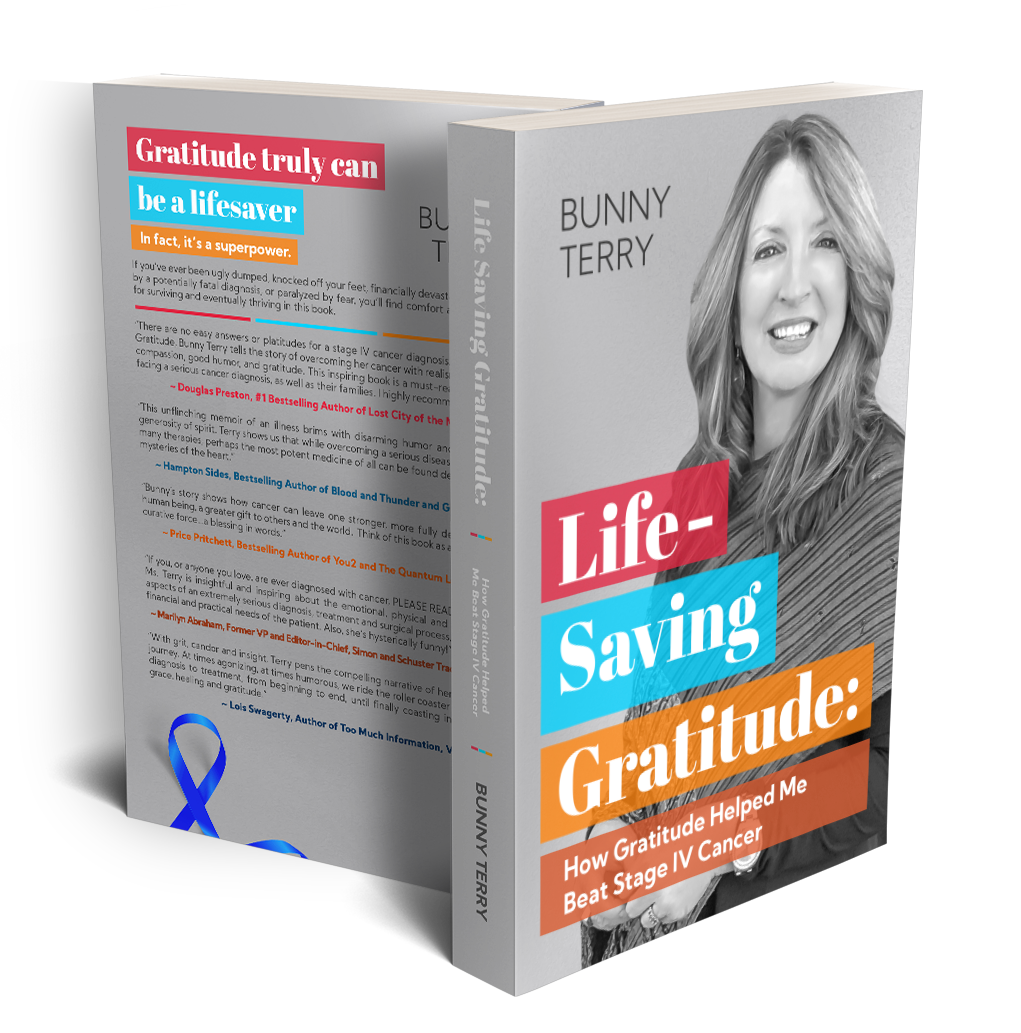
Buy Lifesaving Gratitude the book: https://www.amazon.com/Lifesaving-Gratitude-Helped-Stage-Cancers-ebook/dp/B08SPY2GXX
Subscribe to Lifesaving Gratitude on your favorite podcasting platform





Featuring:
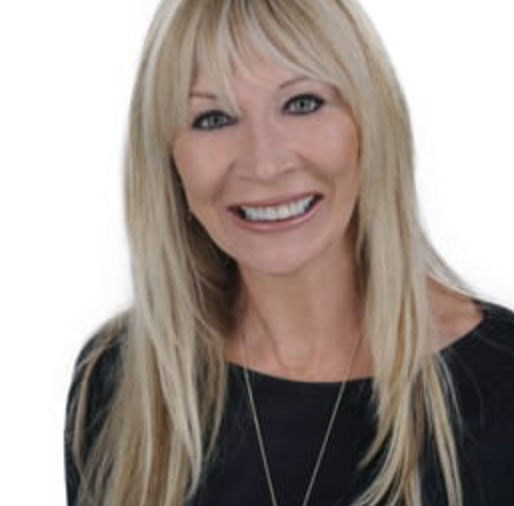
Sandra Claymore
In addition to more than 30 years of lending experience in Northern New Mexico, Sandra also possess extensive knowledge in single-loan close construction loans and portfolio loans. Sandra has lived in New Mexico since 1990 raising her family, horses, and dogs. In her spare time, Sandra is an avid skier and art enthusiast and collector, and enjoys horseback riding.
Episode Transcript
Bunny:
Hi there and welcome to the Lifesaving Gratitude podcast. We have a really special guest today. Sandra Claymore is an amazing woman who comes from a very diverse and rich background. Part of what you’ll recognize is that she was raised on the standing rock reservation and she is part Lakota Sioux, her dad was German. She has this fascinating story of lots of different cultures and a very diverse background. She also has a really great story of how she came to be a healer in the Sue tradition. I hope I’m getting that right because I’m telling you by the time we were done with the podcast, I was very impressed. First of all, by this woman, who’s been my friend for almost a decade and all the things I didn’t know about her. I think that’s the fascinating thing about life. We can think that we know someone well, and then we sit down and have a very thoughtful, very intentional conversation with them. And we learn a lot of things about them, but I think we also learn about ourselves. So it was a real treat to talk to Sandra and want you to stick around, take a listen, and know that this podcast episode is going to just like it did for me. It’s going to inspire you. It’s also going to give you some insight and I hope that as a result, you’ll take some time and have some very thoughtful, intentional conversations with people. You thought you knew very well, but who turned out to be both a surprise and a blessing. I’m so grateful that Sandra took 45 minutes to visit with us. And I know you’re gonna love her story. Thanks to everybody who’s checking in. Who’s liking, downloading and reviewing our podcast. We’re growing every day and I’m always grateful. Thanks so much for checking in. I’m so excited to tell you about my guests today. We were acquaintances and then we became friends. And what I learned from her and what I want you, what my listeners to get today is that you can know someone. And even if you, I feel like we’re really, really close friends. Now we serve on the board of the cancer foundation together. And yet every time we’re together, I learned another fascinating story about you just like last week at the retreat, when you told that story about bringing the buffalos to New Mexico, which we’ll talk about about later , I thought these, you have a really ins inspiring story, and I want listeners to get that. It’s good to share your stories with one another. Even if you think that you’ve known one another forever, do you agree?
Sandra :
Yes, definitely. For sure. We’ve got well, you and I are good storytellers, that’s that’s for sure. So <laugh> we always make it a little interesting <laugh>
Bunny:
Right. But you know, I think that we had known each other probably for five or six years and you know, I’m, I’m always talking talk and talk and talk and I’m cancer, survivor cancer survivor. And then you told this story about something that happened in your life. And I went, what, talk about a survivor. But before we talk about that piece, I just want our listeners to hear who you are. What’s your background? Where did you come from? How did you end up where you are now? What would you like for them to know?
Sandra :
Well, my n ame is Sandra C laymore and I was born in North Dakota. I grew up a large part of my life on the standing r ock z oo, Indian reservation, and then off town, 40 miles o ut o f there in g rant county, u m, where my dad was from. And he h ad bought some newspapers there. So, u m, we moved over to the grant county side. And I’ve, my mother is Lakota and ho-Papa, two different types of, u h, two different tribes of Lakota S ue. And the L akota side is down i n Cheyenne river in Eagle B utte, South Dakota. And that’s where her father’s from, who was, a native American rancher. And her mother is h o P apa, which is Dakota. And she’s from, u m, standing rock. And, u m, so t hat, so they met and got married. They lived down in Cheyenne river and they had five kids and they were, my, my grandpa was a really big successful rancher. And then during the, the, depression i n t he, i n the war they came a nd they took a lot of his cattle and he ended up catching pneumonia during that time period trying to, you know, save his cattle and all that. And he died. And my mom was like three months old and my grandma had to go back to her parents in standing rock to live with them, to raise their kids. And she lived with her mother and father. Her mother was French. Her father was native American. There’s a lot of French native American on that side, back and forth kind of thing. And you know, sometimes it’s, it’s pretty mixed with native American a nd F rench ancestry anyway. So they went back and they lived with my grandma and grandpa in a small l og h ouse with, I don’t think they had running water at that time. Outhouse, you know, all that kind of thing with all those kids and my grandma and grandpa. And t hen later on, as they grew up, my aunt married my uncle Butch, who a ll talked to y ou about the Buffalo thing. And he was German and my mother married a German man. A lot of German men w ere married, a lot of Indian girls down there in standing rock <laugh>. So we had our own little group, you know, we were called “Escas(?)” c uz we were half breeds, you know, so we there’s a name for us. And you know, it was, it was a little clan of people that y ou h ad the same background a nd t he, the husbands came from the same places and all that kind of t hing. So anyway, long story short my father went off to college and my aunt and her three children and my mom and her three children grew up in my grandma’s house. We had running water, but we didn’t have and we had flooring. We didn’t have any bathroom. So in this little teeny shack that they lived in, my mom and my two younger sisters slept in one bed and my grandma, my aunt, and one of hers slept in the other double bed, right beside each other. And in this little back room on a bunk bed, my cousin Greg’s was on the top of my cousin, Shelly and I shared the bottom. And , my grandma, we were very close to my grandma white. So I was born on her birthday. She’s my grandma’s mother and she was French. And um, so we just, you know, we were very tight knit. We took care of each other. We were, we didn’t have a lot of money. You know, dad would come home from the university of North Dakota and you know, it was just, it was really humble. And our grandma was good to us. She took care of us. Our mothers would take off to work every day and take some of us to school. And some of us in the summer we’d just stay with her at home. And, you know, she liked to, if, if you got in trouble, she’d wash your mouth out with soap and there that’s no kidding. So <laugh>, she was, she was tough. Um, but anyways, so my, my mothers and all of them, they grew up , um, going to schools that were run by nuns. And , um, I know there’s a lot of history about that too. We can go, that’s another story. But , um, so, you know, we were taught to be really clean because the nuns were that way. So we were like scrubbers and cleaners and I mean, I can clean a house like you can eat off the floor, you know, kinda thing because I know how it has to be done or you were in trouble. So anyway, that’s that side of the family. And , my dad is German and his family came over their Ketterings and they came over. His family were in the, they were Germans and they fled Germany and they went into Ukraine and then they were, they were religious people and then they had to leave there. And my, and they came to the United States and my grandmother on that side, I know all about her family. I don’t know much about my grandpa’s family, the ones that were in Ukraine, but they came over, they were religious people too. I think they were Lutheran ministers or something like that. And so they got married and then Brett county and Sue county where my dad’s from and my mom are from, are on a border. And on the border of that county, there used to be these dances called Bowery dances. And that’s where you’d come in the middle of a section line and they’d have, you know, a wooden floor set up and, and you would dance and people would come from all over and spend the night, bring picnics and food and all that kind of stuff. And my dad had just gotten home from the Navy and his best friend was dating my godmother and they introduced them at this Bowery. My dad was a lot shorter than my mom. Mom’s real tall. Native American, you know, my dad’s a little short , a little short German. So , Dickie told my godmother Lee , we’ve gotta introduce Willie to Mary . And my mom looked , took one , look at him. And she said , I’m not gonna date a little shrimp like him . He just , but he just pursued. And , my dad and my grandma were very close and you know, and she raised those kids by herself and , you know, raised us with my mom too. And , so they had this great relationship, my dad and my my duck grandmother. And so , um, we had a nice wife . We all got along. We’re a big tribe of family cousins. I mean, I know you said you had 60 some cousins. I I’m sure of that. I pro I have to sit down and count ’em , but I’m sure I do too. And we’re very tribal, you know, and some of us would live with one aunt and some would live with another aunt, you know, it just kind of how it worked out. I spent a lot of time living with my aunt, family and uncle Butch on their ranch and , um, working in my aunt’s clothing store and Western clothing store. So , um, yeah, we’ve just, we were very tight tribal family, you know , kind of thing. And so it was really cool. So that’s kind of my background.
Bunny:
And, you went from there to, I mean, you, you have a lot of education. And you know, I think there’s maybe a misconception amongst people who don’t understand let me , they don’t understand where, how my family, you know, what, what poverty we lived in. But I think there’s this idea that people who live in what looks on the outside , like poverty, perhaps don’t thrive the same way that others do, but you’re obviously you’re a contradiction to that. But I think that, that every there’s that there are a lot of contradictions. In fact, I think that’s a bad stereotype, but.Yeah. What, what’s your educational background?
Sandra :
Well, I think part of my gratitude story is that, and then I would encourage all of you to be one of these people in your life. If you haven’t already, probably a lot of times, I’m sure if you listen to this podcast in part of this journey with Bunny , a lot of us probably are birds of a feather in a certain way. Um, my journey really came about because of mentorship. I was mentored. Um, I was just lucky as hell. I was mentored by some incredible mostly women. And , so my English teacher told me I should go to college. My school counselor told , said, I should be a hairdresser and probably should have been the hairdresser, cuz I probably would’ve owned something like vidal sassoon or something, you know, <laugh> but I instead , she got me to go to school at the University of North Dakota where my dad went and got his journalism degree. And so I got up there, went to school there. I was in social work, wanted to do good, you know, that whole kind of thing. And then I did my first internship out at the air . There’s an air force base up there and I was working in the sexual abuse kind of department and I couldn’t do it. I just couldn’t do it. I could not do it. I was just, I couldn’t. So anyway , my aunt and uncle on my dad’s side lived in the bay area and they said, why don’t you come out and live with us? And you’d get a job out here. And you can think about what you wanna do, blah, blah blah. So I did, I went out there and they had didn’t have children. My dad’s only brother. And so they would take me around to apply for jobs. I mean, it was really different in California. You know , you have to stand in long lines to apply for jobs. And you know, we tried all kinds of different things cause I had a social work degree. And why were you gonna do with that? You know , if you weren’t gonna be in social work. So , um, it’s later somehow I was trying to remember this in my brain, but I got into work as an administrative assistant for , um, the California Indian health council and the California rural Indian health council, which was made up of 52 different tribes, a rural and urban tribes. And I was an administrative assistant with them. And then the university of north Dakota , the university of California, Indian studies department division was right across the hallway for UC Berkeley. So I got to meet a lot of students. I got really involved in the mental health training part of it. There were clinics all over and all the clinics have , um, mental health centers. And so I got really involved in that and at one point the person who was running that division , um, couldn’t do it anymore. And so I got promoted to run that and it was so cool. Yeah. And so what I did was I’d go to all these , urban Indian centers where we had clinics and rural health centers where we had clinics. And I would work with , native Americans that were, you know, receiving services there. And I really enjoyed it. I put some really unique programs on , um, really tried to work in the , you know, setting up where there was community health workers that were helping us to reach out. So they eventually talked me into going to graduate school at UC Berkeley. And I didn’t think I was smart enough cause I still had it in my brain. I was supposed to be a hairdresser. And now trust me, I thinking back on that, I probably would’ve been really been a good one <laugh> and I probably would’ve been quite an entrepreneur, but , um, so I didn’t think I could do it. And so they paid for me to go to take classes all summer to pass my test. And so I did and I took these classes all summer and I worked running the clinic still and I took my , GRE? I think it was at the time I was , I think it was G graduate record exam. Yeah. To get into graduate school at Berkeley. And I got in, I could not believe it. Yeah . So and Indian health service, because I had been working in healthcare gave me a full scholarship, but the person who talked me into going to , um, applying was the woman who was the head of the Indian studies department, graduate Indian studies department across the hallway. And , Dr . Fooks who worked in there , there was several doctors that were on advisory board and I got to know them all really well and they were all Berkeley professors. So I had a nice little in, and um, we had this place for , I met Indian students from all over the United States that got into Berkeley and we became a family, created our own little tribe. We were tribes from all over the place. And um, I got to working with Dr . THS and took some of his classes and he started what we call the community health worker program. And that’s where local people get this community health worker status. And , um, let me back up. I met him when I was working for the California urban Indian health and rural Indian health council across the way. And he started telling me about the community health worker program and his ideas about it and all that. So we incorporated that into our program and we were probably the first people that had that program. It’s real common now, but you know, he really was the mastermind behind that type of thing. And so local people would go bring their aunts and knuckles and best friends and all that in for treatments and healthcare and help them understand what was going on and, you know, kind of things . It was a really integral service, especially for mental health. And so I started that in our program. And then when I got out of there , um , I went to graduate school. That program still ex still exists to this day. And , um, it was really cool to be in the beginning part of that. So that was that mentor. Then I got into , graduate school and public health, public policy and hospital and health administration, hospital administration, and with the emphasis on Indian health , Indian healthcare . So I wanted to be a health planner. And so I met Dr . Bloom who was the head of the , um, public health department at Berkeley . And I , you know, I had to take all of his , a lot of his classes, he’s called the father of public health. He wrote the red book, which anybody in public health knows. And , um, I got to meet a lot . Lot of physicians become public health, get a public health degree behind them. And so, you know, there was Indian physicians there , um, that were my good friends. You know, of course not being a physician, but , I wanted to be in public health. So Dr . Bloom was working on two big projects and one was the AB healthcare system. And one was the Canadian healthcare system and he was helping revise the policies and all that . And he’s also the father of the HMO . He created HMO , whether you think that’s good or bad, it was him and , um, Kaiser, which is the biggest HMO out there. And it’s all over California. And now I’m sure you’ve heard of it. So that was Dr . Bloom . So next mentor Dr . Bloom . So he gets me involved in the revamping of the healthcare system and the Canadian healthcare system. And I was on a student advisory board and we wrote papers and helped and did all that kind of thing. And so, you know, here I am, again, working with indigenous people aborigines and the work that was being on the Canadian healthcare system was just kind of, they have socialized medicine, but kind of working that angle with HMO and just kind of trying to make it better for them kind of thing, you know , advise that he was on an advisory council . And so then , I did an internship in Oakland with this group. I can’t think of her name was child Indian child something. And what they did was they were the resource center for there’s a lot of native Americans who came out into the cities like Seattle, Portland, San Francisco, because they could get jobs during the war , world war II . And then they stayed on and they came and , and they came out . They did everything from picking up in the , you know, being farmers of fruit farmers and stuff like that, picking the fruit to, you know, and then when they got out here, they , um, to the big cities they got lost and the local police in that did not, nobody understood native Americans really. And there was a lot now, okay . And a lot of them ended up in the cities on the streets and just barely surviving and didn’t have any resources and all that kind of thing . So the one that I did the internship on was for children children’s resource center and through them, I met my next mentor. Her name was Joan Boardman, and she ran a group called the Indian training network. It was comprised of 18 native American students that she had met going through UC Berkeley. And she started this Indian training network in organizational development. And , so she liked me. She was impressed by the work I was doing there. And she asked me if I would join this really elite group. And I said, I’d love to. So we got a really big grant from the San Francisco foundation. And the first project I worked on with them in organizational development was to train Oakland police through this San Francisco foundation, diversity and understanding urban native Americans and, you know, where they can get them help and how they can get them tied back into some sort of community, you know, so they’re not just dying out in the streets like they were, you know, and kids displaced all over the place. And so we trained the, the Oakland police department did the first diversity training with that department. And it was all about getting to know native Americans and understanding our culture and , and , and then, and the urban native American culture.
Bunny:
Can I ask you what year this might have been? Cuz it sounds to me like it was really, really early in the diversity
Sandra :
Training. It was , it was very early. Yeah. It was in the late seventies and early eighties. Wow. Wow . Then she got me , somebody else was doing that. Yeah . Yeah . Well we it’s amazing. So she belonged to this group called the , um, national training laboratories Institute for behavioral science for behavioral sciences. And it was a group of consultants who did diversity work and I’m still in , I’m a freshman in, or I’m a first year graduate student when I met her and she says, well, you’ve gotta join this program. You can get a degree in organizational development and you can really help this Indian training network happen in a bigger way. We , you know, we , we are starting to really get noticed and getting these big grants like San Francisco foundation. I mean, that’s pretty huge. So what I would do is I would fly four times a year for two years from Berkeley. I’d take the red eye out to Boston. And then I would go to this national training laboratories, which was based out of Arlington Virginia, but they put us in labs to learn all the isms like sexism, racism, blah , but we’d sit in these labs and we’d deal with these issues. And it was mostly Harvard students and Berkeley students that were in it. And , um, we would go up into Bethel, Maine . We have different places that we would go and we would spend two weeks together discussing all these issues, which are, you know, they’re just huge issues. And that was a very diverse group of people , um, from around the United, from around the world that were actually in this, in this Institute graduate program. So I ended up getting a graduate degree in organizational development through that as well. And um, then I just studied mediation a lot so that I could really, I thought that was important to go along with that whole thing. So that’s the extent of that, but yeah, the diversity was my first life.
Bunny:
Think , thank , thank , thank goodness you didn’t become a hairdresser <laugh> because ,
Sandra :
Well, there’s nothing wrong, I don’t mean to downplay cause I don’t want anybody.
Bunny:
Oh, No, no, no , no, no, no. That’s important work. You and I know we get our hair done at the same place, but it’s really important work and it’s creative work, but, but to have been really on the forefront of talking in a public place about diversity and to be, and you’re from this diverse , um, background, I, you know, this always happens when we do a podcast, we start thinking we’re gonna go one place and then it goes completely in a completely different place. But you have talked a lot about finding your tribe and being part of a tribe. And you’re not just talking about people that are blood relatives. When you say that. I mean, it seems to me that you’re, you’re saying wherever you are, you gotta find like-minded people and create a community mm-hmm <affirmative> am I right? Is that mm-hmm <affirmative>
Sandra :
Yeah.
Bunny:
Yeah. Like it’s life changing when you can do that. I mean, it sounds like you’re really grateful for that.
Sandra :
I am very grateful for that. And for the ,
Bunny:
For all those, I feel like we’re, we’re , we’ve created a tribe here.
Sandra :
Yeah. We really have, you know, we’ve gotten ourselves through some pretty tough times, you know, and , but I really like the idea that what I’d like to get across is how important it is to recognize mentors and to go out there and be one for other people, you know, and like, like the work that Bunny and I do on the cancer foundation, you know, funny being the director and all that, but she’s had cancer and survived stage four cancer. And , um, we were at a, we were at a, a gratitude thing for all the volunteers and this one woman, mostly everybody there is this is one of my best stories. Now I Bunnys probably heard me say it two or three times is that she said all of the volunteers that work in the chemo room, almost all of them have survived cancer. And it made me realize that they were mentoring the people who have cancer to look at them and say, oh, that can be me. I can be this person with the next person. It’ll be me up there being the mentor and helping people get through that , that chemo process and all that. And so for me, it’s, it’s kind of about, you know, really grabbing hold . When you see that you’ve got somebody that you can teach something to or help them along or get them to the next stage or whatever you can. I think that’s what I’m most grateful for is that I’ve had many opportunities of my own to mentor people and I’ve had many opportunities to be mentored. And , um, so one of the things that I think you wanted me to talk about was , how I moved into the spiritual world of being a native American.
Bunny:
I did, I was really interested because, so I’m just gonna , I’m gonna confess right here, Sandra. I’m gonna tell you a story about Toby and I and how we underestimated your power <laugh> and we did you and I started out, we got really well. I mean, we were business associates and then we got really well acquainted when we did the American cancer society gala together. And I believe that was in 2015, maybe spring of 2015. I can’t recall exactly, but we did that together and we put to you and I was the speaker, but you, we were on the committee together. And my sweet mom came and did flowers. I mean, we, I mean, we gathered up a community and we raised money for people who were mostly for research. And we were all in the courtyard at Keller Williams. And you said at the end, it still gives me a chill. When we talk about this, we’re at the end. And you said, I want us all to join hands because I want to sing a blessing over you and this, and you know, Toby, my husband, he’s very taciturn. And he said, at that moment, he thought, oh my God, what is that just gonna be? And we joined hands and you started singing this blessing. And before it was over, we were all crying. You were so powerful. I mean, you , so I want you to know that you do have this, this healing power that I know, you know about it, but I want you to talk. We were, you know, we were sharing in this success, but we were all kind of winding down and you saying that blessing and I gotta tell you it was so powerful and so amazing. And I still, we still talk about it. We still Toby says, remember that time that Sandra saying that blessing and I was so skeptical and it was so amazing. So I want you to know that you do have this healing power that I know you know about it, but I want you to talk to our listeners about how you came to that. It’s. So it’s such an incredible story about what you do
Sandra :
Well , it kind of started like this. When I was in Berkeley, my, I was supposed to be leaving to go to the white house to work a top 10 students that were picked, to work there in the public health sector. And , I was working for a management company at the time to earn some extra money. And , while I was in graduate school and they were pretty proud of me that I was gonna get to get this internship. That was amazing. And , so thank God. Maybe I didn’t get no , I always think of Monica Lewinsky and going like, oh my God <laugh>.
Bunny:
Was it during then?
Sandra :
No, no , it wasn’t . It was before that , but it kinda hilarious. So, but it is a pretty unique situation when you , you get picked up to go there to do that. And so I was just thrilled. I probably would’ve been a , a bureaucrat, you know, doing public health work and all that kind of stuff in more administrative area. But instead I, my boss took me out to lunch . He said, where do you wanna go? And I said, I wanna go to this Chinese restaurant in the , in the redwoods, in Redwood city that I’ve always heard about. And , you know, I could never afford to go to, and whatever I said, I don’t think is that expensive, but I’d like to go, that’s where I’d like to go. And his, our bosses who were down in thousand Oaks, California said, take her wherever she wants. This is just pretty amazing. You know, we can put this in our feather . We can enter this person and blah, blah, blah. So he takes me down there, we go to lunch and on our way back, he had just gotten a new Porsche, my boss, and he lost control of it and he hit a Redwood tree as big as any building. And I flew out and I wa I flew through the front and I hit my head in the tree and got thrown back in. And I woke up at one point and this man came walking out of the woods and he was barefoot. And he came walking out of the woods and he had kind of long hair and Sandy colored hair, real finished kind of guy. And he looked , walks up to my window and he says, hang in there. It’s not your time yet. And so I went, oh, okay. So anyway for next that’s I don’t know how I remembered that, cause I don’t remember hardly anything. And , but I do remember three times , my heart had gotten hit so hard by the tree that, you know, I was stopping my heart. And so three times they had to bring me back. And each time they brought me back, I saw my aunt, Lisa , my godmother, the one who introduced my dad , to my mom. And she was my godmother and she was real tiny. And I was so in love with her. And she was so tiny. She had these little teeny feet and she’d always give me her high heels so I could wear ’em around when I was a little girl and we’d drive around in the pickup and, you know, eat sunflower seeds. I mean , she just, we loved each other. We were super close. Anyway. She kept coming to me, you know, calling my name and I’d go Lee to like that. And then they’d, you know, do the shopping , the , the , whatever it’s called again, the paddle and I would wake up and there’d be this woman sitting there and she’d say, I’m not Leeta , it was the paramedic. I’m so and so , and she was really rude, you know, you need, he would need to stay here and I go, why are you so mean? And then I guess it would , she , they brought me back three times and each time I had your godmother passed away. Yes. Oh, okay. Wow. Wow. <laugh> so, anyway , um , and then I saw the light. I saw all of that, you know, and when I was paralyzed from the waist down and I was in really bad shape. And , they sent me back to North Dakota because they said that there was a great rehab center at the university of North Dakota, where I went to undergraduate school . And my mother by then was working at the university of North Dakota, Indian studies department and my dad. And so I, they flew me home and I went to that, that rehab center. And one day I remember I was in there with a bunch of young guys who had had motorcycle accidents and they were paralyzed too kind of thing. And , I remember this , one day my my psychiatrist, you get a team of people told me he’s , he’s looked at me. He said, you know, you’ll, you know, one thing you’re never gonna be able to do is you’re not gonna build the ride horse like that anymore. Cause I was really into horses. And after that, I just decided I was gonna get better. And I don’t know what happened, but if it was my will or if it was just that I healed properly or whatever, but now I wear high heels and ride horses and ski and you know, so it’s pretty miraculous. But I remember for a long time after that , I was kind of walking around, like I was kind of lost, you know, and just not, not connecting. And , I went home to our reservation and , saw I was at my aunt’s house up she lives up on this hill. And we were sitting there and my cousin Jody came home from a Sundance early in the morning. He came in and , we were sitting out there, we were sitting at the kitchen and I had heard of Sundances. I knew about ’em . I knew that we used to go to them. We used to, well, it was against the life who go to prison for participating in a sun OA , sub Indian Sundance. And so he told me about this, about grandpa Fools Crow , who had gone to Washington DC in 1978. And he had gotten our ceremonies sacred ceremonies back that we could have them in the open that, you know, we wouldn’t be persecuted for, you know, sent to prison and all that kind of for participating in our ceremonies and the Lakota sun dance is a healing dance. And so we were talking about it and then he got up, he’s sitting at the table and he’s a sun dancer . And he started singing to my aunt Thelma and I that morning. And he was still walking on from, you know, dancing for four days and, you know, working on healing people and that . So he was still holy , you know, kind of thing. And this song just killed me. I was like, oh my God. So I asked him if I could go to his Sundance the next summer. And he said, sure. So I went down there and, you know, he coached me on how to dress and what to wear and what to bring and all that kind of stuff. And , um, I was in his camp and he was hon godd , which means that you’re adopted by a spiritual family, into their family and you become their family. And it’s, it’s a honah ceremony. There’s seven sacred , um, ceremonies with a little coach people. And , and one of them is being hon godd and was being hoed . And so I met Dorothy brave Eagle and her and I got to be really close and CLA two elk. He couldn’t Sundance that year for some reason, I think he heard himself read surgery and he became, so he was adopted CLA two elk. And my cousin Jody were adopted. We’re adopted , by Chuck and Dorothy as their brothers and Dorothy and I got to be really close and I got the calling to be a sun dancer . So they told me that I’d have to go to bear Butte , which is where we do our, he Blache , which is where we do our vision quest. You have to do a vision quest. You have to do a vision quest before you can participate in the Sundance. And so I went down, I drove down to South Dakota to bear , but , and I metChuck Ross and , and Dorothy Ray Eagle down there. Chuck Ross wrote this famous book as in like 13 languages called atta Yasi , we’re all related. And so I get down there and his parents are there and this whole family’s there. And they put me up on the hill. John be healer , which is he’s from Cton . All of their adopted children , um, were there. And so that’s kind of what happened . That’s how, how we met. They put me up on the hill, it was very powerful. And , um, I was up there in a, you know , you just sit in a small little space and you have to pray with your Eagle fan and your pipe, which is your ceremonial pipe. So anyway, I went up there and I’m doing this my , my first, he Blache , and I’m scared to death, you know, and I’m the only blonde green eye Indian up there on the hill, you know? And I was always that person. So , anyway, it was kind of hilarious, but , um, they take you and they leave you. And I had my first, you know, where the spirits came to visit me in the night. And then they bring you back after you, you stay there. Most, some people stay four days. Some people stay three, some, two, some just one night, it’s your choice. But in old , back in the day, you had to do four days, no water, no nothing. And then you come back down and you tell your vision what your vision was. And mine was really interesting. It was really pouring down rain. And there was a medicine man down there who was sick and they had brought him there to pray for him. And they were having this ceremony and they , you know, we’re all Eagle sundowners. So it was pretty crazy. It was an intense, it was an a NEPI , which is a very powerful healing ceremony inside the sweat lodge. But my what happened to me that night was amazing. I mean, it was crazy. And, I had to hang on cause I was on this steep kind of Cliffy part because it was raining so hard and I was gonna get washed away. And , and so I came down and I told my vision, and then they told me about , and then all of a sudden this Eagle started flying around and they were still doing the ceremony next to us. And so, you know, telling my vision next to saving this native American medicine man in , in an ape together at the same time was crazy. So I ended up deciding that this was my life. I really wanted to do this. So I started Sundance. This was in the spring, maybe April. And it was, you know, cold at night Dakota’s and bear , but is outside of Sturgis , South Dakota. It’s a , it’s a sacred hill where people go to do their vision quest and pray. And so then what we did next was that we , um, went to Sundance and I started Sundance and Dorothy took me in and I made all my clothes. You what you do is you dance for four days and four nights around a sacred tree. And you pray for people and you don’t touch anybody, and you have your Eagle feathers, and the men have their Eagle whistles . And we just pray for people that are sick. It’s a very powerful healing ceremony. Even the AMA has written articles about how powerful it really is. So shortly after that first Sundance Dorothy told me she wanted to adopt me as her daughter. And so we had a ceremony , uh , next year at the he Bucha , um, at bear Butte and they adopted me and , um, my great grandmother came and my mom and her sister who came to every Sundance after that, and my great, great aunt gave me her mother’s Lakota name. And , um, so she was, she was a French Indian, you know, and she’s just, she came with the French side . I was like, you pronounce that name. Right. You know , she was like, oh, particular. She was a little old lady with little blue hair and her little shoes. You’d never imagine, you know, so it was kind of hilarious. It was funny. But anyway, I got, and , um, I was given my adult Indian name, which comes from my family and my great, great , great grandfather , um , Brazil Clayo , which was their name was changed to Claymore later. He , was a Frenchman who worked with came Lewis and Clark he’s written up in the Smithsonian. Anyway, he had these five Indian wives, not all at one time, they died, you know, it was really rough times, but my great, great grandmother was one of those wives and I got her name. So it was really, really pretty special for me. And then to be adopted by Dorothy and Chuck was like, I’m not kidding you. Um , my, my Hunka mother and my mother died like five months apart last year. So I have really been struggling, but , um, we had a wiping of the tears ceremony , um, just recently and, you know, we’re supposed to move up anyway. So the bottom line of it is, is I become a sun dancer . And , um, I, at one point , um, had to start leading the Sundances women. And so I would put women up for their hem butches. I would listen to their visions when they came down and I learned all the Lakota songs, they just came to me. It was like, they came to me. I just, I don’t know , it was weird. I could sing these songs all the time. <laugh> and I didn’t grow up, you know, like that. I really didn’t. I grew up, you know, we , we loved horses and ranching and, you know, just by data that newspapers, at some point, I mean, we were, we were Catholic. Um , my dad was Luther. I mean, it’s just, it was , I mean, we knew a lot, don’t get me wrong. We were very spiritual family and we were very proud of our native American roots and our ancestors and all of that. But I had never, ever we all Indian rodeo, we went to pow , but I had never taken part in something like this. And , so basically they taught me my second life and I remember one time , um , Lula red cloud , her that’s one of their best friends. She’s my daughter. Ashley’s , Hunka um , mother. And she , um, she came from a very famous chief, chief red cloud . And we were up at my place in Taos and they were helping me build a sweat lodge up there for all of us to be. And then she would, she liked to dance at women’s traditional dance, the tos , pow, I dunno if any of you’ve ever been there, but it’s a beautiful pow and they would always come and we would, you know, pray and sing and have sweat lodges and, you know, just get ready for, you know, Sundance or, you know, prepare whatever we need . So this one time they came up and we were building the sweat lodge and Lula looked at me and she said, have you died before you passed on before? And I said, yeah. And she said, I said why? And she said, well, so have I. She said, you know, you’re not grounded and you’re not grounded. I know you’re doing all the spiritual work and it’s helping you and you’re helping others, but you need to recognize that you had passed and somehow you came back and you had to come back for a reason. And she did a special women’s sweat lodge for me and prayed for me that I would get grounded on this earth and stay here and do what I’m supposed to do. <laugh> and I did. So here you are , you know, and I live in two worlds, I’m a mortgage banker. I work with numbers and people and all day long. And then I’ve got this other side of me, this very spiritual side of myself. And , um, so I kind of go back and forth into two worlds. And a lot of people have asked me, is that hard? And I go, it never was for me. I made a decision. And , um, so yeah, so that’s kind of my story. And , um, I really believe in spiritual grounding of whatever sort, you can get mentoring people, allowing yourself to be mentored, you know? That’s pretty much how , how I live my life.
Bunny:
Okay. So see, I I’ve thought , I think that I’ve always heard , I’ve heard all your stories and then I’m like, what? Wow. And I think, you know, I always, I mean, we would, if I had my way, we would just, we, we would, well, I think one of the ways to do it in festive podcast is just to tell our stories over and over. But I love that you made it clear that you didn’t create this life on your own. There were a lot of people that led you and it wasn’t, and you didn’t limit, you know, you’s like you didn’t limit yourself to just being an academic and a professional. You, you know, I think it’s I mean, I, this may seem sexist, but I do think it’s harder for women sometimes to choose to , um, embrace both sides of themselves. You know, we feel like, oh my gosh, I’ve gotta be this. I’ve gotta be a professional here. I’ve gotta be a family person over here. I’ve gotta be spiritual here. And you’ve done an amazing job of integrating all of that without losing who you are in your soul. I just wanna tell you, I I’m, I’m so grateful to know you and to hear this story, but, I mean, once again, you surprise me. <laugh>, it’s so cool. <laugh> yeah ,
Sandra :
Yeah, no , it’s really beautiful, you know, and when you meet somebody like you and I did, we , we get each other, you know, and I just, it’s really nice to have that kind of friendship and, you know, especially cuz I don’t have family down here, we have created a little bit of our own family, you know, and we’re going through aging parents together and you know, we’re supporting each other and you know, it’s really important. And I think because we came from such humble beginnings, we have that humbleness that we’ve been able to carry through with us, which I think is really important as well. You know, when you’re trying to get through things in life.
Bunny:
Well, I think and I think that’s one way that we help heal one another. I do wanna ask you now and maybe, and you alluded to it before, but , are you grounded now? Are you sticking around? <Laugh>
Sandra :
Yeah, yeah, that I’m in my sixties and that was in my thirties. So I guess I’m here to stay for a while .
Bunny:
Thank goodness. Thank goodness. Well, we are going to , um, we’re gonna put some links to how people can find you in general, you know, if they wanna find you professionally or , um, and, and I think we could come back and do this again in a few months and talk about , cuz I know you’re always , you know, you’re always involved in whatever tribe you’re in what that tribe is doing. So I’m so grateful to know you tell me what you’re most grateful for today. We always ask folks.
Sandra :
Well, you know, I told you about my Hunka father writing this book called Mata and what it means is we’re all related. And I think through the conversation that we had today, I had the fun of reliving all the different people that I’ve met throughout my lifetime and who have touched me in so many ways, including yourself and the , the Lakota thinking way of belief is that we are all related. We all came from the same place. And so I really enjoyed today. Being able to remember some of those times in my life, you know, you get so busy where, you know, you just, you get touched and you know that you’re related, you know, that we are all related. And so I’m grateful that I was able to figure that out. <laugh> that’s what I’m grateful for . Yeah .
Bunny:
I love it. I love it. Well, Sandra , thank you so much for being our guest.
Sandra :
You’re welcome. We’ll talk again. Bye. All right .
Bunny:
That’s all we’ve got today. Friends. I wanna thank you for joining the life saving gratitude podcast with your host Bunny Terry that’s me and my producer and assistant Johanna Medina. We feel like we’re in the business of sharing the stories that save us and we hope you’ll share as well by letting your friends and family know about the podcast follow and like us wherever you listed. And please take the time to leave a review. Whether it’s a stellar comment or a suggestion, we are open to suggestions all the time. Also follow us on Instagram at live saving gratitude pod. You can also follow me personally at Bunny Terry , Santa Fe. You can sign up my website at bunnyterry .com to receive weekly emails about how to become the ultimate gratitude nerd. Thanks so much for checking in .

About the Podcast
Gratitude is a superpower. It can transform—and even save—your life. Author and activist Bunny Terry discovered the life-saving power of gratitude when she survived Stage IV colon cancer. She interviews a wide variety of guests who have also used the art and science of gratitude to survive, and thrive, in their own lives.
Recent Episodes

I Love New Mexico Teachers: Bunny Terry
About the Episode: Summer is coming to an end and a new school year is...

I Love New Mexico Food: Kirk Muncrief of AlbuKirky Seasonings
About the Episode: In New Mexico you know we love food AND we love spicy...

100th Episode Recap: Bunny & Johanna
About the Episode: The I Love New Mexico podcast has made it to 100...
About the Episode:
Can gratitude help you to become a . . . better marketer or realtor? It might sound like a strange pairing, but it’s worked wonders for Craig Cunningham, a Sante Fe-based realtor, 30-year veteran in the hotel business, and founder of the marketing firm Cunningham + Colleagues. In this interview, Craig shares what he’s learned about using the power of gratitude to build a successful career in marketing, customer service, and sales and get him through his own battle with cancer.
Resources mentioned in the episode:
- Bunny’s Website
- Lifesaving Gratitude: How Gratitude Helped Me Beat Stage IV Cancer by Bunny Terry
- Cunningham + Colleagues marketing firm website
- Sante Fe Kitchen Angels
- How to Win Friends and Influence People by Dale Carnegie
- Craig’s Blog: Santa Fe Scenes
Subscribe to Lifesaving Gratitude on your favorite podcasting platform

Featuring:
Craig Cunningham
Thanks to a career in the hotel business, Craig Cunningham has traveled extensively throughout the world and now calls Santa Fe home. As an enthusiastic observer of cultures, traditions and history, Craig enjoys sharing all things Santa Fean and New Mexican.
Bunny met Craig as a fellow realtor at Keller Williams in Santa Fe. Craig’s experience as a hotelier and his expertise in sales and marketing gives him a unique perspective on customer service. Craig knows just how valuable it is to show gratitude toward his clients and colleagues.
He writes regularly about Santa Fe on his blog, Santa Fe Scenes.
Episode Transcript
Bunny: Hi everyone. This is Bunny with the Lifesaving Gratitude podcast. Just in case you don’t know me, I am a stage four colon cancer survivor and the author of Lifesaving Gratitude, which is a book about how gratitude helped me kick cancer’s ass.
Today we’re going to talk to a special guest about how marketing and marketers can use gratitude to create business and connections with clients and also for themselves to create a really positive way to do their job. But first, I just want to thank you for being here and ask that you download the podcast if you’d like. And certainly subscribe wherever you listen to other podcasts. But enough about me and enough about the podcast.
I want to introduce you to my special guest, who’s also a friend. Craig Cunningham is currently a realtor with Keller Williams, Santa Fe. And that’s how I met him. However, this is a recent career for him and he was, and correct me if I mispronounce the word, but you were a hotelier. Is that the way to say that?
Craig: Yes.
Bunny: Yes. He’s spent 30 years in corporate sales and marketing. He’s traveled extensively. I’m going to let him tell you all the places that he’s been to, but he is the founder and principal of Cunningham + Colleagues marketing consultants. He was in the past the VP of marketing and quality for Seaport Hotels and World Centers and the VP of marketing for Core North America. So welcome Craig Cunningham.
Craig: Thanks so much for having me on your podcast.
Bunny: I’m excited. I know you have some great tips for all of our listeners. When I think about these podcasts, I always think about the people that are going to want the information we’re offering. I mean, we’re here to help people and we’re here to figure out how gratitude can make everyone’s life not just easier and simpler, but also fuller. So why don’t you start, Greg? Just tell us a little bit about yourself. Tell us how in the world you ended up in this completely different career? And yet the truth is we’re still just marketers first and realtors, second. Tell me a little bit about yourself. Tell our listeners.
Craig: Yeah. So, as you said, I’ve been in marketing and sales for more than 30 years. I actually started off with an advertising and PR agency and then had the good fortune to be hired by my hotel client at the time, Wyndham hotels. At that time it was a North American chain and it’s now international.
But from then on, I was in the hotel business. It’s definitely a career where if you are not focused on client service and the whole concept of gratitude, you’re not going to be successful. I always thought of our job as just surprising and delighting our guests and making them feel like they chose the right hotel to be with. And so it was always about waking up every day and saying, “What can I do to make somebody’s day and to give them a great experience?” And, of course, to do this you have to be grateful because they opted to choose your hotel over the million other choices that they had.
So when I retired from the hotel business two years ago, I was trying to figure out what else I wanted to do with my life. I started doing more volunteering. I volunteer with Kitchen Angels here in Santa Fe to deliver meals to people who are not able to leave their homes. But I also started thinking of whether I wanted to do something else from a professional standpoint and the real estate business seemed like a natural extension, because it’s all about client service. You have to figure out ways to make people feel like they’ve made the right choice in working with you. So it’s all about being grateful every day and figuring out what can I do to help them today. How else can I extend what I’m doing for them in a way that they will appreciate and know that I appreciate them. So that’s what it’s really all about, because of course they could work with a million other other people
Bunny: Right. And let’s talk for just a second. Don’t you think that marketing has changed over the 30 years that you’ve been doing this? I mean, it seems to me that when we were kids, which was back before the crust cooled, we were sort of marketed at. Just talk for a minute about how marketing is different now than it was 10 years ago or 30 years ago.
Craig: It’s funny, because I was going to say the exact same thing. Back in the day, you were running a TV ad or a radio spot or a print ad and it was passive in that you just presented the information, unless you were direct sales. But really with the advent of so much digital media, you are instantly able to forge a relationship with customers through social media, through Facebook, Instagram, where you’re having a dialogue with them from the very beginning. This allows you to work in a much more personal way and to be able to find out much more quickly how you can serve those people.
So I think it’s changed completely. Before you just sort of put it out there into the ether and hope that something worked, and now you’re able to engage. And I’ve found that so much in real estate where I’m getting emails from folks and then it evolves from the email into a phone call or a zoom call or something like that instantly. I think that’s so much better for both people. Especially for somebody like me who wants to find ways to engage with people and to be of service to them, it makes it a lot easier and more rewarding.
Bunny: I just think about the ways that I connect with my clients. It’s as if you’re somehow conveying to those people that you’re grateful that they showed up.
Craig: Yeah, exactly. I mean, my whole thought is that it’s not a transaction, it’s a relationship. And that relationship can be multifaceted. Once you’ve sold them a house or sold their house, I like to think that we’ve formed a friendship and a bond and that relationship is going to continue. And honestly, I don’t even care if I ever get another piece of business for them. Now think of them as friends. I want to have them to my house for dinner or go have coffee or something like that.
I think that kind of thing that makes a difference for people in wanting to work with me. It’s coming from a position of wanting to be of service to them and wanting to make them happy and finding the right solution for them. I’m working with some first-time-buyers right now and I kind of feel like they’re my kids. It’s about, okay, how can I really help them with this? And they’re grateful for the counsel I’m able to give to them, and I’m grateful for the opportunity to work with them. So it’s very rewarding. I think if you approach business relationships in the same way as you would with your friends, it’s a win-win situation for everybody.
Bunny: Well, talking about those first-time home buyers, I mean, that’s one of my favorite deals. You never make the most money from those transactions, but I’m so grateful to be reminded that we are providing the American dream when we’re selling real estate. Yeah. It’s amazing. It’s my favorite experience.
Craig: Yeah. I mean, for somebody to have their first home and to be excited about how they’re going to decorate it and what they’re going to do. And with this young couple, seeing them excited when they see a house brings out all my empathy and makes me want to really go the extra mile for them to make sure they find the right house at the right price for them. And then I just never want to stop. So then it’s like, “Okay, now I’m going to find this person for you to do the plumbing, and I’m going to find this person, etc, and I’ll be with you with you to help explain things.” I just want to really continue to be of service.
Bunny: I talk a lot, especially on my blog, about Judy Camp, who was one of my first real estate mentors. She was a great friend and Linda Gammons partner for a long time before she passed away. But Judy Camp always says, “If you come from contribution, you can’t help but be successful.”
Craig: Yeah. I mean, just as I was saying, you can’t think of it as a transaction. I think, coming from contribution, how can I help you? How can I make this a better experience? How can I make this work? Because, especially in a real estate transaction, it can be stressful. It’s the biggest financial transaction for the majority of us. So how do you take the burden and the pressure away from them and sort of guide them through the process? I just think the main thing is that it’s much more fun, whether you’re doing volunteer work or in business, to wake up every day and figure out how I could make it fun for somebody else. Because then it’s fun for you and it gets you excited and passionate about what you’re doing.
Bunny: Well, it sounds like our big “why’s” are really similar. I certainly don’t want to put any words in your mouth, but it sounds like your big “why” is just to make the life of the people you come in contact with better.
Craig: Yeah. Of course making money is nice, but there are lots of ways to make money. It’s more about whether you are getting energy from it. And I think you really get energy when you’re working with someone and trying to figure out how you can help them, how you can make their day better, how you can make the service that you’re providing better. And also just doing things that saying, “What about if I do X, Y, Z?” and they’re like, “Oh, you’ll do that for me?” And I’m like, “Of course.”
I have another set of clients where the transaction was fairly complicated and we were looking at lots of properties. Coming from a corporate background, I love to do spreadsheets and PowerPoint presentations—things like that. And so after about the third thing we had to do, they’re like, “Oh, how are we going to organize all these bids?” And then one of the guys said to the other guy, “Well, Craig’s going to do a spreadsheet for us. He’s probably already got it done.” So it’s that kind of thing where you’re looking for ways to make their experience better.
Bunny: So this is always a funny question for me to ask, because I have such a loose gratitude practice other than just waking up in the morning and saying, “thank you, thank you, thank you,” and then writing things down, but do you have a practice that you follow that helps you both in your business and your personal life?
Craig: Well, since I came into real estate with Keller Williams, which focuses a lot on being servant leaders and helping people, I’ve gotten into the habit of writing three things I’m grateful for that day. It could be that it’s a beautiful day or a dog or my partner or the opportunity to help somebody or the coffee’s really good that day, but waking up and appreciating what you have in your life is a good way to get in a good mindset for the rest of it.
Bunny: Oh, absolutely. Something I always say is that we kind of rewire our brains. We do. We create new neural pathways every time we say that we’re grateful. So in terms of nuts and bolts, is there a way that you let your clients know? I mean, I find that there are a lot of young people, young entrepreneurs or people who are new to business, who forget how to tell their clients how they’re grateful for them, even if it’s a line in an email. Do you have something that you do specifically over and over?
Craig: I think for me, it’s maybe more in the actions. I think of “This is really going to be helpful if I do this or if I provide this information.” I think it’s always in my voice and the way that I write. I try to always communicate openly and in a friendly and conversational manner. But then I also think “It would be really cool and really helpful if I did X , Y , Z.” I created a whole PowerPoint just on the neighborhoods in Santa Fe, because if you’re out of town it gets confusing. And that came out of a client saying, “Well, I don’t really know the neighborhoods.” And I thought that this would be a great tool for them. So I created it and then I was able to use it with others.
So I think for me, maybe it’s sort of on the fly. I used to say in the hotel hotel business, “How can I make this a wow experience?” Because the other way to think about it is that every relationship is with people. When you’re in a service business you’re really in the business of creating memories. You can create good memories or you can create bad memory and it’s much more fun to create good memories.
Bunny: And that just comes from a spirit of generosity. I mean, you obviously want this to be the best real estate experience they’ve ever had.
Craig: Right. Right. I’m very grateful for the people that have helped me along the way. I’ve been very fortunate in my career to always work for people who were concerned about my career development and my personal development and became dear friends. And I’ve had a couple of bosses that have hired me twice in two different jobs. So I’m always grateful for the things that other people have done for me.
So then I want to pay it forward. When I came to Keller Williams and I was introduced to the team here, there was so much openness and willingness to share and help and support. It has been fantastic. What strikes me the most is how grateful I am for what other people have done for me. And how do I pay that back?
Bunny: I mean, this is not a podcast to plug Keller Williams. It’s really more to talk about mindset, but the place where I learned it was sitting in that training room and learning that my mindset was the secret sauce. I mean, that’s the success piece, right?
Craig: Yeah, exactly. It’s not just about production and everything. It’s about weight and having a sense of gratitude and contribution and a sense of abundance. And I don’t mean that in a monetary way. It could be abundance in your health or your friends or all of that kind of stuff. And I think back to you. Your experience with cancer was far worse than mine, but I did have prostate cancer about nine years ago. Everyone I worked with during that entire time when I was going for radiation every day for 10 weeks was so supportive. And then on the last day of radiation, there was this very important meeting, and everyone knew it was my last day.My whole team had a celebration for me on my last day. That was turning something that was obviously a challenging situation into something where I knew they really cared about me and supported me.
Bunny: Wow. I’m interested to hear how your mindset was in the middle of that?
Craig: I’m just by nature, an optimistic person. So even though it was scary, I felt like I was in good hands from a medical standpoint and I just felt like I was gonna beat it. I had done the education that I needed to and then it was really about having a positive mindset.
This is probably too much information, but I’ll say it anyway. You’re doing the radiation stripped down to your boxer shorts. And so I jokingly put this Facebook thing about the fact that I needed a new pair of boxer shorts for every day. And people started sending me underwear—different pairs of boxer shorts for every day. So while I was sitting there in the big machine, where you’re sort of in there and it’s buzzing and scanning and all that kind of stuff, it got to be kind of a joke with the techs: “Oh , what’s he going to be wearing today?”
Bunny: I love that.
Craig: That was a way to keep my spirits up. And also during that process, I really learned how to be very focused. I was in a waiting room with people that were going through, frankly, worse things than prostate cancer. Don’t get me wrong, prostate cancer is pretty serious. It is. People die from it. But I was seeing so many other people that were having a much more challenging time than I was. And we became a family. We all bonded together during that process, because we were all waiting, sometimes for an hour. So it’s things like that. And also things like the kitchen angels service, where it helps reboot you every day for how grateful you should be in your own life and grateful for the opportunity to help other people.
Bunny: Right. There are tons of people who do get what a gift it is. People who don’t even have a specific gratitude practice, but at least an attitude every day that you’re going to figure out something. I just wrote a blog post on limiting beliefs and one of the things that I wanted to convey is that we get to choose every single moment how we view the world. And maybe for somebody out there who’s brand new in business or who’s starting a new business. I just read a statistic that said that the entrepreneur demographics are changing. And now like 48% of new entrepreneurs are over 50. So hooray for the old people!
But I know that there are people out there right now who are thinking, “Well, I’m not any good at marketing. I’m not any good at that piece of it. I can sell stuff, but I’m not good at the marketing stuff.” I’ve got to tell you, I’m married to a guy who doesn’t believe in self promotion because he came from a generation when you played down your assets, instead of being grateful for them and talking about them. So I’d love to hear what you have to say to somebody who has that limiting belief that they can’t market. And they can’t promote themselves.
Craig: You know, we could all market ourselves, and we do it every day in our interactions. Whether we think of it as marketing or not, we’re marketing ourselves all day long in how we react and treat other people. The thought I had as you were talking about your husband thinking self-promotion sounds like a dirty word is that it doesn’t have to be you talking about “me, me, me” and “I did this million dollars in revenue.” This is kind of a turnoff in some ways, because you’re talking about yourself. But if you’re talking about how you can help somebody else and how you can provide a good experience for them with your information and knowledge, you’re not talking about yourself in that context. You’re talking about how you can be of service. I think that’s a much easier way for a lot of people from a generation where we weren’t really supposed to be talking about ourselves.
Bunny: Well, it was pre-social media. Our face wasn’t out there. We just weren’t trained to tell people, “Here’s the reason you should hire me instead of the other person.”
Craig: Yeah, exactly. I mean, now we’re all our own brands on social media. But I think that rather than saying to somebody, “Here’s why you should hire me versus somebody else,” you should just talk about how you can be of service in what you do in an authentic way. Then people are more likely to want to work with you, because you’re radiating a sense of positivity and an interest in them. And they’re not thinking that you just look at them as a transaction and then you’re onto the next person.
Bunny: I frequently use with my marketing coaching clients the example of a dinner party. If you went into a dinner party (and this is for people who are just beginning in whatever business they’re in, especially if they’re self-employed), you wouldn’t simply walk in, take your coat off and say, “Hey, I’m selling something, come and talk to me.” Right? I mean, that’s what you don’t want to do with marketing. You want to start by building a relationship. Can you talk a little bit about that?
Craig: I think it goes all the way back to Dale Carnegie’s How to Win Friends and Influence People. People do like to talk about themselves. And so the first thing is you should be listening. That was one of the first things I learned in marketing client service. You need to ask questions and learn from your clients. Focus on what they need, as opposed to talking about yourself. You really want to establish a dialogue with them about their wants and needs and hopes and fears and everything else. Then you can talk about how you can address them. But nobody wants to go in and all of a sudden have you sit down and say, “Here’s my PowerPoint about me and what I’ve done.” It should be more of establishing, from the very beginning, a relationship of openness with folks. Then, after hearing from them, you can say “Well, here’s how I think I can you and here are some ideas that I have that I could share with you.” So I think a key thing is really listening from the very beginning.
Bunny: I even found that to be helpful when I used to first go on listing appointments. I was so nervous that I would sit down and I would immediately try to book an appointment. You know, if you’re not in real estate, a listing appointment is just like sitting down with a prospective customer. I would be so nervous in the beginning and really coming from a place of scarcity where I thought, “If I don’t get this listing, I’m not sure I can pay the rent next month.” And if you’re coming from a place of scarcity, you’re likely to self-sabotage. But that’s such good advice because things changed when I finally learned how to sit back and listen: “I’m here to help you. Tell me what it is that you need. Talk to me.” It’s so powerful to give a client time to talk to you. And I think people forget to do that, right?
Craig: Yeah. And I think sometimes we do it because we’re afraid. What I’ve learned so much over the years in business working with people is that people are terrified of silence, so they will immediately start talking. If there’s a second of silence, you jump in and start babbling. Lord knows I do it. But if you just let somebody talk and let it sort of sit there for a second and not just try to be filling in all the time. It drives me crazy when people are doing that. It’s much better if you can have the client talk and then ask some more questions and then be warm and reflective about it. Back to the Dale Carnegie thing, I think one of his first points was if you’re at the dinner party, ask people about themselves. Most people do like to talk about themselves. So ask them and don’t just start talking about yourself.
Bunny: I think that even people who would say, “I don’t like to talk about myself,” really do want somebody to ask them and listen to them.
Craig: Yeah. And it’s not just asking them to go on and on. It’s more meaningful questions about, for example, why they decided to move here. Just those kinds of questions that get them thinking. Growing up in materialistic Dallas, the joke was that the questions at a party were like, “Where do you live? What do you do? What do you drive?” And so it’s not questions like that. It’s asking them more about their life experience,
Bunny: You just brought me to another completely different point, which is for any realtors out there listening: I think it’s really important to convey to your clients how grateful you are for where you live. I mean, if our lifestyle is such a selling point, don’t you think you should share that?
Craig: Oh, yeah, exactly. I mean, living in Santa Fe there’s so much beauty. I’m looking out my window right now at the beautiful blue sky. When I leave my house in the morning and I see the mountains, and then when I’m coming home at night and the sun is setting over the mountains and I see all the different colors and everything, it’s just breathtaking. It’s great to live in such a great and wonderful environment and in a place that is very spiritual, going back with the native Americans—respect for the earth and nature and all of those things—I think it does help center us more than a lot of other places.
Bunny: How do you convey that to your clients? I know you’re doing something really cool online that’s different from some other realtors.
Craig: Well, I’m not just posting on my Facebook page,” Hey, I just sold this house or just sold that house.” Well, that’s great. But I’m more talking about new experiences in Santa Fe: new restaurants, or a new place to go hiking, or something exciting that’s happening at one of the museums or things like that—enthusiastically talking about the experience of living in Santa Fe. And if down the road, by the way, you’re looking at this stuff and you decide you want to buy a house here, I would love to help you. But it’s more about conveying the reason why we all want to live here
Bunny: And tell us about your blog, because I think it’s amazing.
Craig: So I created this blog, which is called Santa Fe Scenes. It’s that same kind of thing where it’s just talking about having fun in Santa Fe. One of the things was, you know, we’ve got the old Santa Fe trail and we’ve got the old Pincus trail, but did you know that we had a Margarita trail and a Chocolate trail? Stuff like that. Just being whimsical about it and talking about some of the things are unique about the city and sharing my own passion for Santa Fe. I was very fortunate to be able to do a lot of international travel for my job. I was grateful for the opportunity that I was given to see places that I wouldn’t have seen otherwise from Bogota to Sao Paulo and Rio de Janeiro and Beijing and places like that. So I’ve always been enthusiastic about travel and now living in such a beautiful place like Santa Fe, I want to share that enthusiasm with people.
Bunny: And you’re getting some good feedback on that I bet, right?
Craig: Yes, I am. I’m getting good feedback on it. It’s been a wonderful thing to reconnect with friends who are saying, “Good for you, you old dog! You’re back out there trying something new.” Because whenever someone says, “Oh, you’re a new realtor,” I say, “Well, I’m an old new realtor. I’m 61 and I’m starting this for the first time.” But it’s been great from that perspective and the support that you get from your friends. Then people are saying, “Oh, well, I know somebody who might be interested in sending you that information.” I think that’s one of the positive things that social media has done where we’ve been able to reconnect with so many people that we might have completely lost touch with.
Bunny: Oh yeah. I did a post not very long ago about how grateful I was, and it was in the middle of all the fear over Facebook and Twitter. And I just said that it’s such a great platform for reconnecting with cousins that I haven’t seen since I was six. I mean, I just turned 60. I’m an old dog and this is a new trick for me, but I think that if you use it the right way, it’s a real gift. I also think there are so many realtors, like you said, who just post either pictures of houses that they have listed or their accomplishments. And I think they’re really missing an opportunity.
Craig: Yeah. Because then you’re just talking at someone. You’re not sharing information and excitement about things with them. People don’t want to look at that stuff. They want to look at things like the fact that there are like six great chocolate tiers in Santa Fe. And then the next time I’m in town, I want to go to each one of them. Or discovering an amazing new hiking trail or a beautiful image of a shop window or a piece of art or something like that.
Bunny: Yeah, it’s so much better than “I just listed this house at 123 main street. Don’t you wish you owned it?” Exactly.
Craig: Exactly. I think more people would react to it. I’d really like to have some of that green chili chocolate over at The Chocolate Smith or whatever. It’s much more interesting than a picture of a kitchen that has granite countertops. Oh my goodness.
Bunny: And, you know, Craig, I found that people will call me and they’ll say, “Well, I’ve been following you on Facebook for two years. And I feel like you’re my best friend. I think you’d be the right person to show me around and help me find a house.” And I bet that’s happening to you too.
Craig: Yeah, exactly. It’s funny, you mentioned that. One of the people I’ve been mentoring told me a story about how she posted a lovely picture of herself and then somebody called her and said, “I feel like I already know you because you just look like a nice person and I feel like I can trust you.” I think also that it’s our eyes and our smile and everything that conveys so much of what you’re talking about. If you have a spirit of gratitude and service and a sense of abundance, not scarcity, it shows in your face, your eyes, your smile, and your whole persona.
Bunny: Well, we’re going to have to wrap up here in a minute, but I would love to hear if you have just three great tips that you would give to somebody who feels kind of stuck in their marketing. It could be what you’ve learned in 30 years or in the last three days, whatever it is.
Craig: I think one is changing your question from “How do I market myself?” to “What can I do for this client?” or “What can I do that’s going to excite the people? How can I make them feel appreciated and valued?” And this can work in cases where you’re actually working one-on-one with a client or cases where you’re trying to figure out how to promote what you’re doing. How do I find ways to surprise and delight people? So I like to do that with social media buys, where you come up with quirky, little things to talk about that are authentically Santa Fe or a funny picture of my dog or something like that. You want to put a smile on people’s faces. And social media gives us so many opportunities to be able to do that in ways that we couldn’t before. So the main thing at the end of it is to put your client first, and then I think everything else will come from there.
Bunny: You’re absolutely right. I think as long as your passion is helping people, then success is just a natural by-product of that.
Craig: Exactly. People feel that energy and then they want to tell their friends about you.
Bunny: What I’ve found is that people want to be able to trust somebody, especially in this business where they’re making possibly the biggest purchase of their life.
Craig: Right? I’m thinking back to these younger clients. We were touring houses, and they were interested in one particular house and I was like, “No, I’m not going to let you buy this. This is not the right move.” And I think all of a sudden they’re like, “Wow, he really cares. He’s not just thinking ‘Tick tock, tick tock. We’ve seen three houses.’” This is not House Hunters International where there are the three properties and you have to buy one. So again, it’s not a transaction. It’s a journey. It’s a relationship.
Bunny: I think that’s the most important tip for somebody to take away. Whether you’re selling widgets or earrings or house cars or houses, this is not a transaction. It’s a relationship. We want people to trust you and come back over and over. I don’t know how you can love your job if you’re not doing it the way we’re doing it.
Craig: Yeah, exactly. And have fun with it. We get to meet interesting people all day long. We get to see things. We get to use our own creativity to express ourselves. I know there are people that are in jobs that don’t have that. But I also read things about the janitor in an elementary school who takes real pride in what they do, and they are going to do the best job that they possibly can. So I think in almost everything, you can come at it with a mindset of “How can I make this a great experience for me and for others?”
Bunny: That’s great stuff. Tell us where people can find you and where they can find your blog.
Craig: Well, probably the most fun thing I’m doing is the Santa Fe Scenes blog.
Bunny: Okay. And we’ll share that on the information page for the podcast. And then, of course, if people want to buy a house from you, they can find you through there?
Craig: Yeah. All my information is on there. So one stop shop.
Bunny: Craig, I’m so excited that you were here. This was fun. I think we could do it again.
Craig: Yeah. Yeah.
Bunny: Because I think this is the place where people get stuck. People who are self-employed get stuck in this part. And so I think there’s a lot of stuff that we can talk about. But I’m of course really grateful that you agreed to talk with us.
Craig: Oh, thanks. It’s been a lot of fun. I appreciate it.
Bunny: And to everybody else, thanks for being here. This is once again, the Lifesaving Gratitude podcast. I’m Bunny Terry. You are welcome to go to my website if you’d like to learn more about me and about buying my book, which is all about gratitude and how gratitude helped me kick stage four cancer’s ass. And we’d love to have you follow us and subscribe on spot Spotify, Apple, or wherever you listen to podcasts. Thanks so much, Craig.
Craig: Thank you. Next time.
About the Podcast
Gratitude is a superpower. It can transform—and even save—your life. Author and activist Bunny Terry discovered the life-saving power of gratitude when she survived Stage IV colon cancer. She interviews a wide variety of guests who have also used the art and science of gratitude to survive, and thrive, in their own lives.
Recent Episodes
I Love New Mexico Teachers: Bunny Terry
About the Episode: Summer is coming to an end and a new school year is...
I Love New Mexico Food: Kirk Muncrief of AlbuKirky Seasonings
About the Episode: In New Mexico you know we love food AND we love spicy...
100th Episode Recap: Bunny & Johanna
About the Episode: The I Love New Mexico podcast has made it to 100...
 Bunny Terry is a native New Mexican who grew up on a farm in northeastern New Mexico. Her first writing job was typing stories on index cards on her family’s Underwood, stories that were uncannily like the ones she read over and over in O Ye’ Jigs and Julips, her favorite childhood book. No one thought to save those index cards for posterity, although there is the theory sarcastically circulated by her siblings that they will certainly be worth millions someday.