About the Episode:
This is a fun one! A little different conversation than we usually have, but definitely helpful for our listeners. Debbie and Bunny have an open and honest conversation about love, intimacy, relationships and how all of them can be impacted by internal and external gratitude.
Links:
Debbie’s Website
Debbie’s Facebook group
Debbie’s Youtube channel
Bunny’s Website
Bunny’s Instagram
Buy Lifesaving Gratitude the book
Subscribe to Lifesaving Gratitude on your favorite podcasting platform





Featuring:
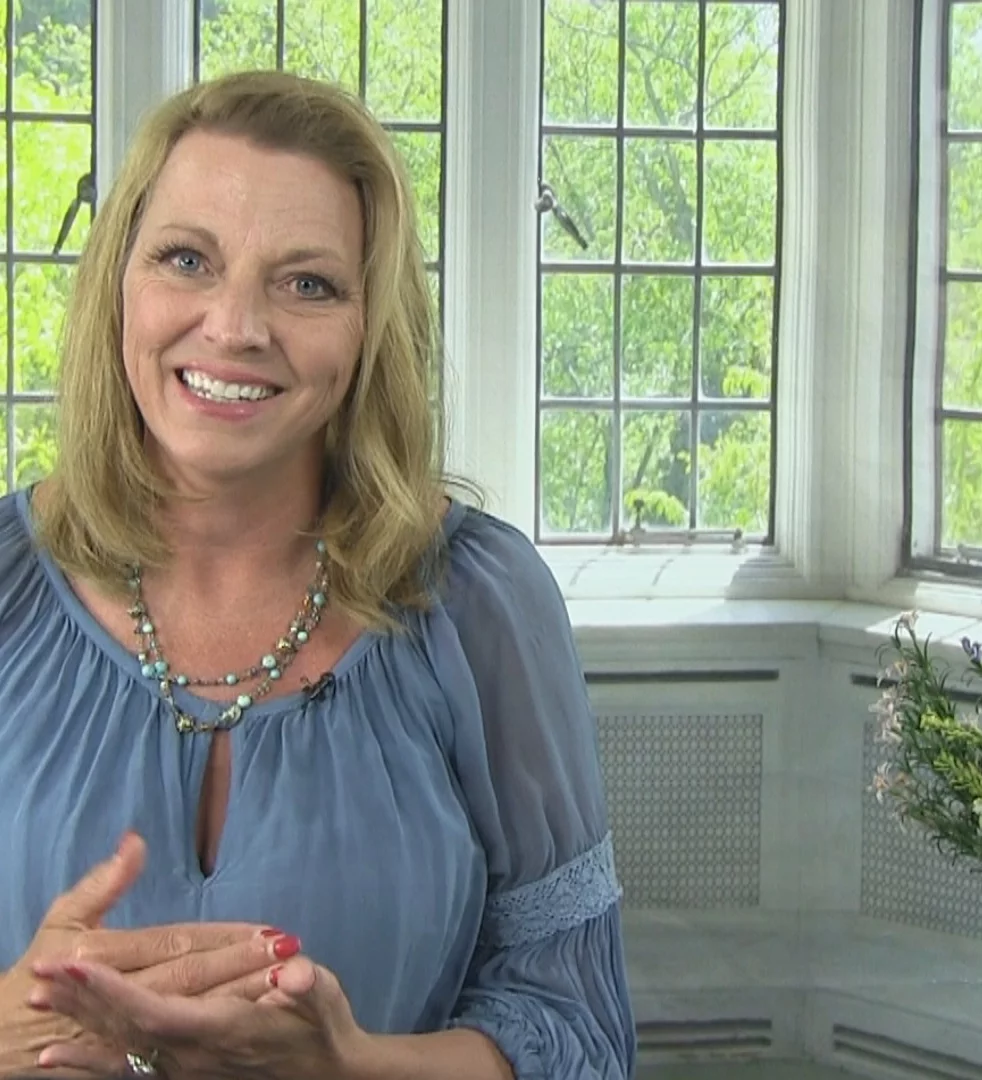
Bunny Terry
Debbie’s professional story is unique: flight attendant to attorney, to Colorado psychotherapist & love and sex coach! I’m a cherished wife and a mama of a special needs child and medical student.
Debbie’s specialties include positive psychology/self care, female sexuality and empowerment, sacred sexuality/Tantra, and understanding and celebrating our masculine/feminine dynamic and instinctual differences.
Episode Transcript
Bunny Terry: (00:10)
Hi, friends and welcome to the lifesaving gratitude podcast. We have a very interesting guest and very different from what we’ve done before. Debbie Elzea is a sex coach and a psychotherapist who was formerly an attorney and her list of accomplishments is long. But what I want you to know is that we are talking today about how gratitude can improve relation when we’ve done this before. We’ve talked a lot about how it, um, how it helps you grow as a person, how gratitude is a great strategy, how being grateful in the darkness is an incredible gift and, and quite tricky at times. And yet today we just jump right in and talk about, a lot of how gratitude can possibly save a relationship. And we talk about body image and I’m gonna be really Frank with you on occasion. Debbie has said things that surprised me and that I, while I found them valuable, in terms of a different viewpoint, I didn’t agree with every single thing she said, but I was so grateful that she came on and talked frankly, with how relationships can work and how they can be improved. And I’m interested to hear how, what you thought Johanna
Johanna : (01:40)
Yeah, no, I think that’s a fair, assessment. And I think that that’s true. There’s a lot of really good points that Debbie makes. And, you know, like you said, she’s an intimacy coach and kind of does some, some life coaching, but she does have a very like specific niche and, you know, it’s, it might not apply to every person in every relationship. You know, I, myself, I’m not in a heterosexual, marriage, and it is, you know, her advice is very heteronormative, very gendered. So just to kind of give that, I guess, disclaimer, upfront, but I think a lot of our listeners will, will get some good points out of it. You know, I loved the commerce station. The two of you had about, um, body image and especially you learning to love your scar after your surgery after you had colon cancer. I thought that was really beautiful. And so I think that’s like a good thing to stick around for. And, you know, I think it’s just, like you said, you know, it’s one person’s point of view, but I think we, it was a good conversation with you and Debbie and there’s a lot of things you can take away from it. She also, you know, offers like free consultations if anybody, uh, feels like they can get something outta this episode and then wanna continue speaking with her. Like you said, the gratitude piece is obviously what’s most important to us and what we focus on. I thought that was really cool because I’ve actually heard that advice before that. Um, you know, uh, I, I know people that will sit down with their partner spouses the end of the day, and just say, you know, these are the things that I appreciate you for, like in making that a practice, just like we have talked about other gratitude practices, but actually sharing that with your significant other so that they, they know like, cuz we can go day to day in autopilot. Just like we talk about all the time when we talk about mindfulness, you can be on autopilot with your partner or two and, and you know, just go day to day without taking the time to show your appreciation for them. So I think that was a big part of this episode and a really important thing for us to be reminded of.
Bunny Terry: (03:51)
Right. And I, and I also want to be really clear and I know you have a strong opinion about this and I think it’s important for us to state it. One of the things that Debbie says is that, um, she wanted to coach rather than do psychotherapy because she felt like psychotherapy comes from a place where you discuss pain and negative and that it’s negatively based. And I’m, I’m sure, I’m not saying it nearly as eloquently as she does, but I know that that is not, you’re a counselor and I know that that’s not what you or Lisa or the, I don’t, I know that’s not the place you come from. So I’d really like for you to address that piece.
Johanna : (04:33)
Yeah, I think, there’s a lot of different stigmas around mental health and therapy and just if, if nobody’s had experience with therapy and they kind of maybe take what Debbie says, I get where she’s coming from. And I understand like at her as a coach, what she’s saying, but she does mention, you know, therapy is different from coaching, which of course it is. Um, but it’s not always focused, you know, on the negative or the pain. And she says there are a lot of therapists that come from a strength based perspective. You know, myself, Leasa, a lot of therapists. I know that’s, a very popular modality now. So just, just to kind of put that out there as a PSA, if people are thinking about going to therapy and, um, they’re worried that that’s all they’re gonna focus on, you know, this is kind of going off topic, but even, even now with the focus on trauma, it used to be very typical for therapists to want their clients, to like relive their trauma and go through it over and over again. But we’re like really the profession is trying to steer away from that because we’ve figured out, you know, that is not the healthiest thing. So, I guess that’s just me coming from the social work, mental health side, trying to remind people that therapy. Isn’t not always scary and not always, um, focus on, on negative. But, man, I think this, this conversation is it goes in a lot of different direction, um, different than what we’ve had in the past. But I think, our our listeners will enjoy it, but yes, just to be worn, we’re gonna talk about sex. So if that makes you squeamish at all, or if you have little ones in the car with you, maybe, you know, skip this one till later.
Bunny Terry: (06:13)
Well, and the other thing that I will say that she says very well and that I believe is that, um, if you want to win in a relationship and Johanna, I think this works in a, it works in a parenting relationship or in a professional relationship, or, you know, I’m really involved with a nonprofit and I manage a lot of different people or, and if you, if you want to win in a relationship, being powerful, exerting power over someone, or taking them for granted is not the answer, letting them know how grateful you are for what they do for how they serve their community for how they serve your business, or I, I think that’s a, an amazing strategy. And, and like you said, it’s one we tend to take for granted the people that we see on a regular basis and especially the ones who have, have, you know, pledged to be our partner forever. It’s so easy to fall into the trap of not seeing them. So I thought that was great. That was, that was really important information to share and too, and I, that’s a good reminder.
Johanna : (07:23)
I think it reminds me too, as I was listening back, I was thinking of kind of the best advice you’ve given. Uh, I think Zach and myself, like in a, in a marriage or in any kind of relationship, like not to keep score. So this is, this podcast talks a lot about the opposite of that, right? Like, showing appreciation for all the, all the little things day to day, instead of saying, oh, well, you didn’t do this. And I did this, you know, so I think that is really good relationship advice too.
Bunny Terry: (07:52)
Yeah. And so we’re dying. Take a listen. Please contact Debbie, if you think that she could be helpful for you in your current relationships and I I’m fascinated about what she does, I think, wow, what a cool, what a cool job and, and what a way to help people, you know, rather than not talking about sex, which is, you know, I grew up in a, in a generation where we never, you know, we didn’t bring it up, certainly not with the people who, I don’t even know what I’m trying to say. But it’s cool. It’s I like that, she’s so open and upfront about achieving intimacy and about being responsible for your own pleasure. I thought that was good stuff. I thought, you know, um, the body image stuff. So stick around, listen to it and please get in touch with Debbie. If you think that she can be helpful to you, and here we go,
Bunny Terry: (08:47)
Hi there friends and welcome to the life saving gratitude podcast. I have a special guest today. Debbie Elzea, I hope I said that correctly. And Debbie is an intimacy specialist for women, as well as a psychotherapist, but, but I love this part of her bio and I think it’s appropriate for, um, our determination to help people have a more, you realized life in general. And that is that Debbie is a sex coach and, um, she’s in her bio. She says I’m a romantic. And I delight in discussions of sex and love and male, female dynamics and differences. And, Debbie and I have spoken on the phone a couple of times, and it’s just some great ideas and some great tips for we, and I was trying to think of the best way to say this before Debbie. I sort of re igniting whatever relationship you’re in. Am I correct?
Debbie Elzea: (09:55)
Yeah. How gratitude is important for keeping the attraction alive? Is that what you’re asking?
Bunny Terry: (10:04)
Well, yeah, I think, I mean, there are so many facets to this and it’s so essential to our mental wellbeing, but, I’d love to hear what, first of all, I wanna hear back story. I wanna know, what you’d like our guests to know about you and how you came to this, um, job that I think some of us would well, first of all, we’re gonna be fascinated with it, but it, I mean, it sounds to me like it’s fun.
Debbie Elzea: (10:31)
Well, I like to think of myself as a “Divorce Buster,” as someone who grew up in a broken home. And then I did the same to my daughter and all of these largely had do with sexual issues. I was in a long sex starve marriage, my first time around. So I had a lot of time to think about sex and love and relationships and such. And then I create life changing intimacy with my beloved husband. And then this weekend career for me, I was an attorney before. So, I’d love to ask you some years ago after we had discovered or sacred sexuality together, which is like, we’re a spirituality and sexuality meet, and it’s so conscious, beautiful that he asked me, well, what are you interested in? What are you gonna do? What, what are you passionate about? And I said, love sex romance, keeping people together. So they don’t have to raise their children in broken homes and such. So that became, um, a, a new path for me. And I just decided because of so much the, the one ultimately I believe has so much power to change the dynamics of the relationship. I focus now on helping the woman, single handedly change the dynamic of her loving relationship, her marriage. And again, it’s like an alternative to marriage counseling, which I believe most men will go kicking and screaming into because it is just so against sky code to go in and talk to a stranger about your feelings, your fears, your failures, and to do so in front of your woman, who you want to know your love and respect and admiration from. It’s just not always ideal for a couple. And so I, I have developed methods that help the woman singlehandedly change the dynamics. Does that make sense?
Bunny Terry: (12:19)
Yeah, I’m dying to hear when you and I talked about it I said, you know, we do a podcast about gratitude, and you said a lot of times in my initial coaching session, one of the things you’ll talk with your, with the women you’re working with is about expressing their gratitude for their spouse. Yes. Did I get that Right?
Debbie Elzea: (12:40)
Yeah. That’s right. If you wanna change the dynamics of your relationship within days, you know, if not, I mean, it might take a few weeks, but my goodness within days, um, women come and often, like my husband’s a bad guy. He, he needs to change, right. That’s often, right. He’s a bad guy. He needs to change. So one of the first, in the first session, I start to say, look for things, that ways that your husband is a good guy, right? Look for appreciate the things that he for you. Because we tend to, as human nature, hone in on the negative, we notice that he hasn’t taken the garbage out. We notice that he isn’t this or that, but instead, if we start noticing what he is like, what is your, why did you marry your husband? He, you must have married him for a reason. You loved him for some things. What did you love? What did you, or do you love, admire or respect about your husband? And they usually come up with a pretty good list. Like the basics are there. He’s a good provider. He’s kind, he’s fun. I mean, good stuff there. And it’s just like, when you start to focus on the good things, then you’d, you know, let it slide that he leaves his socks on the floor, right? I mean, you don’t take it personally that he, he needs to be reminded to take out the garbage. So focus on the good things about your man. And then I have them tell him at least one a day, tell him one a day thing that you love. I admire a respect about him. And many times they haven’t. So women might think this, we might know we are married to a good man, and he’s a good guy and he’s trying, and he works hard. But do we tell him, we forget to tell him and men play for points, right? They have this kind of competitive thing in their nature and they wanna know, am I scoring, am I scoring points with my woman? And if we don’t dull out appreciations to them on a regular basis, they don’t wanna try very hard do they?
Bunny Terry: (14:46)
That is so interesting because I think that we tend to not think in those terms. I mean, I’m not playing for points. You’re I don’t know if you are, but I, it’s not in my nature to keep score. I think some women do keep score, but, but you’re saying that the guys wanna feel like they’re winning every single day, right?
Debbie Elzea: (15:11)
Yeah, sure. That’s one way to look at it. Yeah. They want to know that they’re pleasing you. They wanna know that they are appreciated. And the best way to show appreciation is to notice. Thank you for doing that. Thank you. I love the way you do this. I’m glad you are this. I mean, if you just give a little appreciation to a man, he’s gonna still to look for ways to please
Bunny Terry: (15:32)
You. Wow. That It’s so powerful.
Debbie Elzea: (15:35)
Bunny Bunny. It is so powerful.
Bunny Terry: (15:38)
Well, and it’s so… It’s such common sense stuff, but don’t, I think that people who, who are in relationships. I mean, we do tend to take one another for granted after a while. Don’t we?
Debbie Elzea: (15:50)
I mean certain things you can take for granted, but if you want to improve your relationship, this is like the lowest hanging fruit that you can grab onto. What do you love, admire respect about your husband and tell him once one, a day, it will change. It could change the entire course of your relationship. He will start the women come to me and they’re like, ah, he’s been nice. He’s just been so nice. You know? I used to have to nag him about this and we had this curtain rod that needed to be hung. And it’s been sitting here for two years. Well, when I was out, he went and hung it up. You know, it’s like literally hearing things, stories like that within weeks within no time at all,
Bunny Terry: (16:29)
We were talking about how you have you clients who say that, they try this method and then, and the behavior of their partner, their spouse, that behavior starts to change because they’re expressing how grateful they are for what they’re doing.
Debbie Elzea: (16:49)
Yes. It’s amazing. It works quickly. I even have done like some coaching on how to get your man to help out more around the house and such. And that’s part of it too. Show gratitude also as an intimacy and sexuality coach, of course my emphasis is, are you connecting intimately in the bedroom because that will also motivate a man to help be more helpful around the house if he’s not feeling nurtured in that area. Well, you know what, he might not feel that helpful either. So…
Bunny Terry: (17:19)
Oh, because remember that, that initial, sort of drunkenness that you feel when you’re in a new relationship and you, and you’re newly attracted to somebody.
Debbie Elzea: (17:37)
It’s not sustainable in a long term relationship. So you no longer feel that way about your partner like you did for that first year or two, you are not alone. You are not broken. There’s nothing wrong with you. That is totally normal because at the beginning of a relationship, I mean, let’s face it, survival of the species is so programmed into every creature on Earth’s DNA. So your cells are telling you, your hormones are telling you reproduce, reproduce procreate procreate, right? And that there’s a hormone release called P during that time, that causes you to like, think about your beloved all the time and such well, after that, it’s not sustainable though, because that hormone fades after a year or two. And it turns into oxytocin, which is the bonding or cuddle hormone that’s designed to keep you together for the longer term. So it’s totally normal bunny for that kind of passion die. And that doesn’t mean that the thrill is gone and the relationship is over, but it does mean that you actually will need to put some effort into cultivating love making, um, and different, different style of relating to each other and prioritizing it when it doesn’t seem like you’re just walking around, turned on all the time, you can still have a great love life, absolutely. For the long term. So
Bunny Terry: (18:52)
So I just, so, so when you… I wanna understand how this works and how successful it is when you coach somebody who is slowly learning to appreciate their spouse or their partner again other than the appreciation piece. What’s next?
Debbie Elzea: (19:12)
Well, I mean, there’s many different aspects. As I work one on one with coaching, it would be a, it would be very much customized on what are you needing most in your relationship, but let’s say the sexual piece is what is, what has been lacking. And often four and 10 women experience either low desire, you know, low libido or low pleasure, you know, lack of orgasms and such, so that doesn’t inspire them exactly to want to make love on a regular basis. So, a side approach, in addition to getting the relationship in, you know, happy again, emotionally connected. Again, those are getting emotional and is often the biggest source of desire for a woman is that she feels like we are spending quality time together. He sees me, he wants to be with me, we’re affectionate, right? That is often the biggest increase, uh, for women in libido. So we have to get the relationship where it feels loving and playful again, but also there’s many different blocks that cause a woman and, um, to have low desire, to have a lack of pleasure and lovemaking, and you know, what most of them are not the man’s fault necessarily. They are emanating from our negative conditioning about sex, our inability to relax and be in the moment, our lack of confidence and worthiness and such. So I would work with her on unblocking blocks that she might have to intimacy. And, you know, maybe, maybe her man is a lousy lover, and that is a cause of it. But what have we done to explore what it is that we like and provide him with? Here’s, here’s what I like, rather than just saying, oh, don’t do that. Right.
Bunny Terry: (20:53)
Wow. And, I know we talked about doing you and I are gonna wanna revisit this a couple of times, but I do wanna shift to you told me the six things that a woman needs to know.
Debbie Elzea: (21:07)
Yeah. Yeah. I did a publication for the American Association of Marriage and Family Therapist, which is kind of eyeopening. And that is not every challenge. Sexually is a couple’s problem. Many of them originate with one of the partners. And in the case of women, I’ve identified six things that women need, which are knowledge. And by that, I’m me knowledge about her, about the female arousal cycle and what, you know even anatomy, most women don’t even understand really their own anatomy, arousal, and then knowledge about what she likes. Then there’s worriness and confidence. I mean, if you are trying to suck in your belly, you are not gonna be present in enjoying yourself. If you are judgey or full of guilt and shame, there’s practically nothing your man can do to turn you on if you have you don’t feel worthy, of it. So how do we work on that? We attack that in coaching. Time. Women need time. Our bodies take approximately 10 times longer to get fully aroused compared to a man’s. So being aware that that is natural and no normal how to get the kind of turn on you need time also means prioritizing your love life, not just making it the, you know, “Ya Wanna” at 11 o’clock at night, that’s never gonna, work in a long term relationship. One more is embodiment. The ability to get out of our busy, busy, distracted minds and be present in the moment in our pleasure. Another one is creativity like bedroom boredom sets in for both men and women. We need variety. And how do we know? We like, if we’ve not explored it. And I say for last, what I believe is actually the most important for most women, which is emotional connection. If we don’t feel safe and we don’t feel a seen and appreciated by our partner for a female, at least we are not going to feel in the mood. So as you can see, female sexuality is complicated. There’s a lot of moving parts. It’s an art. It’s a science, and it’s a learned skill. And that’s what my coaching is designed to provide.
Bunny Terry: (23:05)
Well, one of the points that you brought up is the confidence piece. And, we, as women, we tend to not ever think that our body measures up. I mean, it’s, is it rare? The client you have, who says, wow, I absolutely love my body. I think I look amazing naked.
Debbie Elzea: (23:26)
Oh, occasionally. But, in general, no, that’s not it. Because we are conditioned even, I don’t know how it comes, conditioning. I almost think it’s natural for women to always wanna compare ourselves to some ideal that is better than us. We don’t even have to know that person. We’ve just seen them on what Instagram or the movies. We’re always comparing ourselves to some ideal. And 99% of us don’t look like that. They don’t even look like that. It’s just so unrealistic. We have to stop being so hard on ourselves. And gratitude is one of the exercises that I use. There’s a number of exercises in feeling more body confident, but gratitude is one of them. It’s like, let’s stop focusing on how our body looks. And let’s start thinking about what wonderful things it can do for us. Let’s think about how good it can feel, how nice and soft our skin feels, how good it feels to be touched. How much does our partner? Because for the most part, our partner is never as judgey about our body as we are ourselves. In fact, if your partner’s a man, it’s not even on the short list of things a men want from a, from his woman, he wants his woman to desire him. That’s the number one thing about, a man. He wants a woman who is into it, who is enjoying herself, who can be pleased. So, you know the shape of her body is not even on the short list for a man. He wants you to be present, enthusiastic, want to be with him. And that is mindset shift. That many women, once they’ve made the leap, they feel like they’re having fun now. And I always say also, you’re the only naked woman in the room.
Bunny Terry: (25:00)
I love that. And it’s so true. I, but I like that is a huge consciousness shift when you stop thinking that they, I, that, that the man you’re with cares more about what your body looks like than the fact that you desire them. I mean, isn’t it a shift when they suddenly realize how much we desire them, as opposed to what we’re thinking of about
Debbie Elzea: (25:27)
Yeah. If, if you don’t believe it, ladies ask your man.
Bunny Terry: (25:31)
So I’d love for everybody to just call you up and hire you as a coach, because that’s where, where the good, the hard work begins and the really effective works. But if you were, um,
Debbie Elzea: (25:59)
I always like to start with the, the lowest hanging fruit, which is start with what you like about your body, right? And you know, let’s say it’s your hair or your, your hand and your fingernails and things like that really put a focus on what you like, rather than those things that you don’t like. And that’s a neat thing about coaching versus therapy.I think in therapy, the tendency is to focus in on the pain, the problem, and because I use a lot of positive psychology methods be, the whole field of positive psychology is all based upon what’s life. Good. What makes life worth living and human flourishing and how do we get more of that? So just like in my coaching was, you know, focusing on gratitude, what are you grateful for in your life? You can say this thing about your body, what do you like about your body? And then let’s emphasize those. You know, if we like our eyes put on some mascara, bat, your eyelashes, play it up. Right? Make sense?
Bunny Terry: (27:02)
It does. And when we were talking on the phone, I was telling you how hard it was for… you know, I’m a colon cancer survivor. And I have a 12 inch scar on my gut. And it goes from the bottom of my ribcage down below my, um, belly button. And that’s where they opened me up and took out part of my colon and part of my liver. And it took me a long time to love that scar. And, and, and we are products of the lives that we’ve led. So everybody’s got scars in some way. And I, you know, I’m 61 this year. I don’t have the same body I had when I was 27 or, you know, even when I was 47. But once I figured out that that scar, um, was a symbol of what my body could survive. And once I learned to be grateful for that scar, I mean, there were years when I was afraid that somebody was gonna see that scar. And now it’s like, this is a celebration. And that that’s a big shift for me to have learned how to love my body again, after I kind of felt like it betrayed me.
Debbie Elzea: (28:14)
Yeah. But it survived. Didn’t it? It protected you, it kept you a lot.
Bunny Terry: (28:18)
It did survive.
Debbie Elzea: (28:19)
Our ancestors ancestors would be dead of old age by our, by our time, you know, um, I always like to take a historical perspective. So much of my stuff is based upon evolutionary psychology and our ancestors, our cave, men cave, woman ancestors, our, you know, we were gatherers and our men were hunters and warriors. And I mean, all of this extra life, we have look at us. We, the way we, we, we, you know, our children survived childhood. It would be like half the children would not survive childhood. We live in amazing times where we can expect to live into old age and be sexy into old age. You know, we don’t have to give up on our sexuality just because we hit menopause and such. So, it’s all how we approach it. And if we approach of gratitude and, and Explorer mindset, we don’t have the same body we had when we were twenties, but we still, you know, we still got a lot of good things that we can appreciate about our lives, our bodies, our partners.
Bunny Terry: (29:18)
So tell me, talk about self-care because we’ve one of my words for this year is care and that is gonna manifest itself, hopefully self-care, but talk about how self-care, is good for life and relationships.
Debbie Elzea: (29:34)
It’s huge. I always say, ladies, you are, your self-care is not only not frivolous. Your man will thank you for it because you know what? Your partner wants more than anything. He wants you to show up in a good mood and be happy. And if you are not taking care of yourself, if you are overwhelmed and frazzled and run down and stressed and in poor health due to all that, there’s nothing you’re partner can do to make you happy. This is within your control. You know, you have to do things that make you feel good that relieve your stress so that you can show up in your life happy. And is self care the same for everybody? Oh, no, I it’s totally different. I mean, it’s, it’s defined the same, which is doing things that make you, you feel good in the moment, not just like, oh, I feel good when I put away the laundry, cuz I don’t have to look at it anymore. That’s not really self care. Right? No self-care means like, I like to listen to music. I dance, I go outta nature. I have social engagement. I move, you know, I do things that feel good now. So you would have to explore it. What do you enjoy? Oh my God. I did the most amazing thing with my husband the other day, because he’s not, you know, he’s in the automobile industry. He’s a regular guy. He’s not like, you know, like many men, he’s not like fixated on self growth. He’s like, I’m good with the me the way I am. Right. I love that about men but the other, but I tried an exercise on him because he was really glum and gloomy the other day and the whole, world’s going to a hell in the hand, basket and COVID and politicians so that stuff. But I’m, I’m like the it’s funk. I did this exercise with him on self, basically like self care and gratitude. And so when I’ve presented it to him, he was like, I don’t wanna do that. Right. Typical man. Right. I’m not gonna do that. And so what I did was I said, oh, you are so stressed out, get over here and let me give you a massage. So I’m like, I’m gonna give him as a massage. And rather than kind of push this exercise on him, I said, I’m gonna say one thing that I’m grateful for, or one thing that I like to do. And then you say something that you’re great or, or like, right. I don’t wanna use the word self-care. So we started doing that and he would stop. He’d be like, oh, he was so crabby that he said, you know, he only said one thing, he goes sex with you. And that’s the only thing. And I was like, come on, keep going. So I stopped massaging him until he come up with a new thing. And so I’m you know, touching him and he loves to be touched. And he comes up with ten things that he likes and is grateful for. And I’m like, how’s your mood now, honey? And he’s like, it’s actually really good. so that was him to brainstorm and change his mind shift. So even if your partners in a glum mood, you don’t have to join them. I mean, you could, you can be the high vibration cheerful one in the partnership too. And that is one way is if you focus on your self care, you don’t get pulled down into the dumps as you know, easily.
Bunny Terry: (32:40)
You know, it’s, that’s so interesting be when you said that about him not being interested in self growth, because this is a complaint I’m hearing from a lot of my female friends is I’m so dedicated to self growth. I’m so interested in my life and becoming bigger and better. And my guy is not that at all. Is that a complaint you hear pretty frequently?
Debbie Elzea: (33:04)
Yeah. And to some extent, I mean, if your guy is just fixated on video games and things like that, I could understand where that would be a huge frustration. But on the other hand, if he’s nice, if he’s a good guy and he’s like a good provider and he work hard and then plays hard or whatever he does, he lives his life. Oh my gosh, please do not dump your husband because he is not on the self care path. I see that like posted in social medias like that, I’m really into yoga and spirituality. My husband is not, should I dump him? Heck no. You know, absolutely not. We cannot change another person to be exactly who we are. That’s just not fair. You know, it not fair and it won’t work. And good luck finding somebody that is everything that you want in the whole world for you go, it’s wonderful that you live a time and you know, a relationship that you have the ability to pursue yourself self growth. But as my husband says, can’t we just what’s wrong with just being good with who we are. I mean, that is to be celebrated too.
Bunny Terry: (34:04)
Well, he’s right. That is to be celebrated. Absolutely.
Debbie Elzea: (34:10)
I mean, we Beat ourselves up on self growth if we’re not growing every day. I think that is a new trend in that women beat ourselves up. It’s one more thing to beat ourselves up against. I’m not growing best enough. It’s like, can we ever just take a break and be happy with who we are?
Bunny Terry: (34:25)
I posted something the other day. It was a quote that I borrowed from somebody else, but it was like, you know, I was listening to my body and I was saying, what does she want? Does she want more water? Does she, you know, does she want me to, you know, to exercise more? Does she want, uh, me to take her on a hike or her to a spa? And it was like, what, what if she said, just love me exactly the way I am right now. And we tend to just think.
Debbie Elzea: (34:51)
Hey Bunny, let’s do an exercise on that. That reminds me of an exercise. Why don’t we just let’s do it?
Bunny Terry: (34:55)
Let’s do it!
Debbie Elzea: (34:55)
And take a, a couple of deep breaths. Cuz a big part of my coaching is guided meditations. I mean we have to, we need them for so many things. We need them for our happiness. It gets us into our relaxed state of mind that makes us feel happier with ourselves, with our lives, with our beloved, with our body, by just being relaxed and present. And this is also key to love making because the best love making comes from a place of relaxation. So Bunny you said something really profound. So why don’t we take a few and just notice how safe we are in this body, how they safe we are in this moment and how this is enough just for this breathed moment. Let’s just breathe and notice how we are enough. We are safe. We have the ability to take a few breaths and just relax and just let judgment go and be grateful to just be you for a change. Now, I invite you to say out loud or in your head. Thank you. Thank you. And invite you to say out loud or in your head. I love you. I love you. How’s your, what are you noticing now?
Bunny Terry: (36:21)
I think my blood pressure has gone down and I’m really relaxed in this. It’s like my arms relaxed.
Debbie Elzea: (36:28)
And there you go. See that’s within, you took a seconds seconds to just relax, show a little appreciation, notice how safe we are in this moment and imagine if we could live our lives that way. Well,
Bunny Terry: (36:44)
And you mentioned that that was a good practice for love making. Do you suggest that?
Debbie Elzea: (36:47)
Yeah, absolutely. I mean, we are responsible largely for our own. Like I said, we are up in our busy, tense, judgey distracted minds. Our man would have to be a magician to turn us on.
Bunny Terry: (37:07)
That’s so right. You’re so right.
Debbie Elzea: (37:09)
Yeah. How is he gonna turn us on from that place of tension and shame and guilt and all that? No, he can’t. We are largely, we are responsible for our own state of mind and turn on. So yeah, if you want to, I mean there’s many ways to get into the mood. And many times it’s very individual. I ask the woman, you know, and do you turn yourself off? Right? And she can usually come up with a whole lot listings that, oh, I turn myself off. When I’m frazzled over my I’m stressed. I’m angry at my partner. I’m this, I’m that right. All kinds of ways we turn ourselves off and then I ask, how do we turn? How do you turn yourself on, what do you mean? That’s like my partner’s job to turn me on. And I’m like, you are outsourcing your sensuality, your sexuality to your partner. And he has no idea what it’s really like to be in your head or even in a female body. And so no wonder it’s not working out. What if you could figure out what it is that puts you in the mindset to make love, that turns you on that kind of touch you like the kind of emotions you wanna feel during love making and then how to get it from your partner. No, this is how you get what you want. He’s not a magician or a mind reader.
Bunny Terry: (38:26)
And am I right it’s so erotic for a male when his female partner is so turned on, right? I mean, that’s just ups the eroticism factor. Doesn’t it? When and the intimacy factor when you are turned on,
Debbie Elzea: (38:47)
It’s the number one desire for your man.
Bunny Terry: (38:50)
So we have, I know we have guests who have little kids. I almost think it’s impossible for this to work with somebody when they have little kids. What do you, what do you tell your clients that have small children?
Debbie Elzea: (39:01)
That is no Excuse. That is no excuse Bunny it’s no excuse your marriage. Yeah, no, excuse. Sorry. This is not the place to come to say, honey, when our kids are 18, we’re gonna have a good, great sex life. I know, I know mom, please police. That is no excuse. Okay. There’s like eight weeks that you’re not supposed to have sex even after making love. But my goodness, I’ve got clients at F given birth while we’ve been working together and you can still have intimacy. You just, you, you have to take your mindset off of, it’s always penis in vagina, intercourse, right? For, but there’s plenty of, of ways to connect intimately outside of it. But anyways, if you have little kids, it’s, it’s, you know, you still have to make your it’s the cornerstone of your family. What a lot of women end up doing is, um, you know, like putting their kids before all else. And their husband, poor guy, you know, is left begging for crumbs and in a set starved marriage. And um, that’s, it’s just not a recipe for happiness. So you have to prioritize it if it means getting a babysitter. So be it guess sitter, you know, if it means putting, you know, training your kids to get mommy and daddy need alone time. So be it there’s many ways around this and it is absolutely no excuse.
Bunny Terry: (40:17)
So this is something I remember from my childhood. My parents have now been married 70, almost 72 years, and they’re still crazy about each other and they’re still very physical with each other. My, you know, my dad used to embarrass all of us by patting my mom on the butt all the time, or mean her slow, deep kisses in front of us. But, I knew as a child that my parents took a long nap every Sunday afternoon and the door was locked. I mean that, it was just what happened in our lives.
Debbie Elzea: (40:52)
Are you scarred By that Bunny. And did it scar you?
Bunny Terry: (40:53)
SI’m not, it was just the norm. It didn’t bother me once. And I was the youngest and the other thing was that we only, you know, we lived in the farmhouse that only had a tub and every night that when my mom was bathing, my dad would say, I’m gonna go in and wash your mom’s back. And when I think about that now, I think how many kids grew up with continual message that my spouse is the most important part of this family, our relationship, and you guys are gonna be cared for and you’re gonna be safe and you’re gonna be loved, but this relationship is primary. And it’s a huge gift to grow up with that.
Debbie Elzea: (41:35)
Oh, it should be. I mean, look at your parents been together for 70 years. You probably moved out when you were 20. They you really, emphasized one relationship is your spouse.
Bunny Terry: (41:46)
Yeah. But that’s just a good example of setting some boundaries with your kids that I never even really, as they were setting, except except they were, there was part of our life.
Debbie Elzea: (41:57)
And that’s how they ended up happy together for so many years, they prioritized their physical bond. They did.
Bunny Terry: (42:04)
I wanna talk now about what you do, you, I see that you have two different programs that you offer to your clients, um, the cherish woman and the sensuous woman. Am I getting that right?
Debbie Elzea: (42:18)
Yeah. Yeah. I mean, there’s a big overlap. The overlap is largely on the emotional connection part. So because emotional connection can play a big part of enjoying your sensuality and your physical relationship, there is a big overlap. So what happens is if you have a relationship that has conflict or is in shut down roommate mode and things like that, I need to help the woman get the emotional connection, the safety, and get herself in a good enough mood, right? So that they can become sexual Explorer together. If you already have a great relationship, but you’re not, you’re not connecting wonderfully sexually. It’s not pleasurable for you. Then you can just focus on the sexual aspects, but a lot of the relationship needs to be in order. And I can help with that. And a lot of that has to do with, getting yourself happier, being responsible for your own, reducing your stress levels. And so I use positive psychology in that aspect, which includes a lot of gratitude, self care and other methods because you’re notice funny when you show up happy and in a good mood, your man is magnetic drawn to you?
Bunny Terry: (43:29)
Absolutely. Yeah.
Debbie Elzea: (43:33)
And he wants you to be happy and happy wife, happy life. Right? So, we have to get you happier with your life and then looking at your husband through love, colored glasses, building the intimate connection knowing that your man is not a big, hairy woman who is misbehaving, but that he views the world differently. How to get the best out of your man by treating your man in the few simple ways your memory does, you’ve being treated. So now you’ve created attraction, right? You’re happy. Now we can go on and be sexual explorers together.
Bunny Terry: (44:08)
So I feel certain, I mean, cuz you said four, four and 10 or how I, I can’t remember the statistics. You said women who are in relationships where they don’t have a physical intimacy of any kind with their spouse. What, what do you, what’s the statistic, do you think?
Debbie Elzea: (44:22)
No, that’s not true. That’s that’s not the snap. The statistic is four 10 women suffer from low desire, lack of pleasure in sex or pain. It doesn’t mean they don’t have an intimate relationship. It just means that they don’t really enjoy It much.
Bunny Terry: (44:36)
Well I’m just thinking about our listeners and if we have, you know, a hundred downloads and there are, you know, 20 or 30 people who wanna get in touch with you, can we just give them an overview of, of how they get started?
Debbie Elzea: (44:52)
Yeah. I offer a complimentary call where we talk about your vision for your relationship, the challenges that you have. Often you can even just take my quiz on my website, which is what’s your top block to bliss, you know, out of those six things women need for, um, great love making it’ll it’ll there’s a quiz is on the subject. So we would talk about your challenges, your goals, and see if coaching, how coaching could be a fit for you. So my website is more intimacy.net. So I chose the word intimacy on purpose because women hear the word intimacy. And for the most part we think about like this loving bonding connection, your man hears the same exact word. And what does he think, bunny? What do you think, man? Here’s intimate.
Bunny Terry: (45:34)
He might think sex?
Debbie Elzea: (45:36)
Right. So it’s all about how do you both get what you both want in your relationship? So I invite your listeners to listen to find me on more intimacy or my lively Facebook group called more intimacy in marriage for women.
Bunny Terry: (45:51)
So, we’re gonna put the links to both of those, both your Facebook group and your website on the podcast. And you know, I’m gonna urge anybody. Who’s curious to at least get on the website and do the, do the quiz and find out where you are, find out how Debbie can help. We always ask our guest what their own gratitude practice is. Do you have something you wanna share with the guests with our I’m sorry.
Debbie Elzea: (46:23)
Yeah. I keep a gratitude journal next to my bed and I write in it daily or not always, not every single day let’s face it, but it works well enough, built up enough resilience from that, that things that are, um, that might get me down frequently don’t because then I think about the things that I’m grateful for, or it trains my brain to look for things throughout the day that I am grateful for. And that’s a good way to go through life. It’s a glass half full way to go through life. Um, I also stopped watching the news a few years ago. That’s a big plus my goodness. And so, and I tell my husband things that I’m grateful for all the time. So, so that reinforces for me rather than my socks on the floor all the time. But I’m like, I gotta good guy. He works hard. You know, I don’t take it personally that his socks are on the floor. So that’s always good advice too. Don’t take it personally. Not everybody is going to be or meet our standards.
Bunny Terry: (47:26)
Oh Wow. That you just said a mouthful there. We could have an entire show about not taking it personally because that is the downfall. Lots of times in our relationships with others, whether it’s professional or personal, but I love that you have that gratitude practice and that you said it builds up resiliency because we talk about that a lot. That gratitude creates. So Debbie, thank you so much. I know we wanna revisit this topic and I wanna hear from my listeners how they took your words to heart and perhaps contacted you. But, I so appreciate you being here.
Debbie Elzea: (48:03)
It’s my pleasure. Thank you, Bunny.
Bunny Terry: (48:06)
That’s all we’ve got today. Friends. I wanna thank you for joining the lifesaving gratitude podcast with your host Bunny Terry that’s me and my producer and assistant Johanna Medina. We feel like we’re in the business of sharing the stories that save us and we hope you’ll share as well by letting your friends and family know about the podcast follow and like us wherever you listed. And please take the time to leave a review, whether it’s a stellar comment or a suggestion, we are open to suggestions all the time. Also follow us on Instagram at live saving gratitude pod. You can also follow me personally at Bunny Terry, Santa Fe. You can sign up at my website at bunnyterry.com to receive weekly knows about how to become the ultimate gratitude nerd. Thanks so much for checking in.

About the Podcast
Gratitude is a superpower. It can transform—and even save—your life. Author and activist Bunny Terry discovered the life-saving power of gratitude when she survived Stage IV colon cancer. She interviews a wide variety of guests who have also used the art and science of gratitude to survive, and thrive, in their own lives.
Recent Episodes

I Love New Mexico Teachers: Bunny Terry
About the Episode: Summer is coming to an end and a new school year is...

I Love New Mexico Food: Kirk Muncrief of AlbuKirky Seasonings
About the Episode: In New Mexico you know we love food AND we love spicy...

100th Episode Recap: Bunny & Johanna
About the Episode: The I Love New Mexico podcast has made it to 100...
About the Episode:
Can gratitude help you to become a . . . better marketer or realtor? It might sound like a strange pairing, but it’s worked wonders for Craig Cunningham, a Sante Fe-based realtor, 30-year veteran in the hotel business, and founder of the marketing firm Cunningham + Colleagues. In this interview, Craig shares what he’s learned about using the power of gratitude to build a successful career in marketing, customer service, and sales and get him through his own battle with cancer.
Resources mentioned in the episode:
- Bunny’s Website
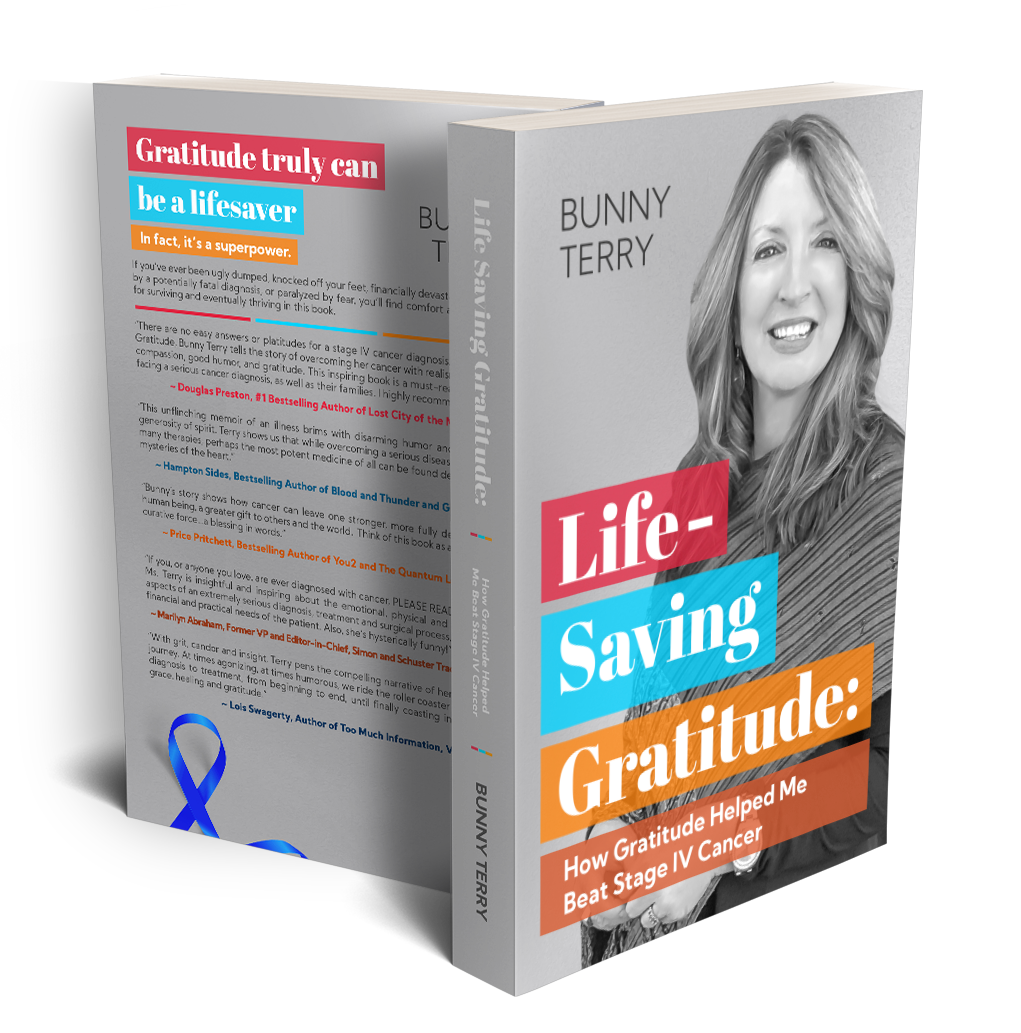
- Lifesaving Gratitude: How Gratitude Helped Me Beat Stage IV Cancer by Bunny Terry
- Cunningham + Colleagues marketing firm website
- Sante Fe Kitchen Angels
- How to Win Friends and Influence People by Dale Carnegie
- Craig’s Blog: Santa Fe Scenes
Subscribe to Lifesaving Gratitude on your favorite podcasting platform

Featuring:
Craig Cunningham
Thanks to a career in the hotel business, Craig Cunningham has traveled extensively throughout the world and now calls Santa Fe home. As an enthusiastic observer of cultures, traditions and history, Craig enjoys sharing all things Santa Fean and New Mexican.
Bunny met Craig as a fellow realtor at Keller Williams in Santa Fe. Craig’s experience as a hotelier and his expertise in sales and marketing gives him a unique perspective on customer service. Craig knows just how valuable it is to show gratitude toward his clients and colleagues.
He writes regularly about Santa Fe on his blog, Santa Fe Scenes.
Episode Transcript
Bunny: Hi everyone. This is Bunny with the Lifesaving Gratitude podcast. Just in case you don’t know me, I am a stage four colon cancer survivor and the author of Lifesaving Gratitude, which is a book about how gratitude helped me kick cancer’s ass.
Today we’re going to talk to a special guest about how marketing and marketers can use gratitude to create business and connections with clients and also for themselves to create a really positive way to do their job. But first, I just want to thank you for being here and ask that you download the podcast if you’d like. And certainly subscribe wherever you listen to other podcasts. But enough about me and enough about the podcast.
I want to introduce you to my special guest, who’s also a friend. Craig Cunningham is currently a realtor with Keller Williams, Santa Fe. And that’s how I met him. However, this is a recent career for him and he was, and correct me if I mispronounce the word, but you were a hotelier. Is that the way to say that?
Craig: Yes.
Bunny: Yes. He’s spent 30 years in corporate sales and marketing. He’s traveled extensively. I’m going to let him tell you all the places that he’s been to, but he is the founder and principal of Cunningham + Colleagues marketing consultants. He was in the past the VP of marketing and quality for Seaport Hotels and World Centers and the VP of marketing for Core North America. So welcome Craig Cunningham.
Craig: Thanks so much for having me on your podcast.
Bunny: I’m excited. I know you have some great tips for all of our listeners. When I think about these podcasts, I always think about the people that are going to want the information we’re offering. I mean, we’re here to help people and we’re here to figure out how gratitude can make everyone’s life not just easier and simpler, but also fuller. So why don’t you start, Greg? Just tell us a little bit about yourself. Tell us how in the world you ended up in this completely different career? And yet the truth is we’re still just marketers first and realtors, second. Tell me a little bit about yourself. Tell our listeners.
Craig: Yeah. So, as you said, I’ve been in marketing and sales for more than 30 years. I actually started off with an advertising and PR agency and then had the good fortune to be hired by my hotel client at the time, Wyndham hotels. At that time it was a North American chain and it’s now international.
But from then on, I was in the hotel business. It’s definitely a career where if you are not focused on client service and the whole concept of gratitude, you’re not going to be successful. I always thought of our job as just surprising and delighting our guests and making them feel like they chose the right hotel to be with. And so it was always about waking up every day and saying, “What can I do to make somebody’s day and to give them a great experience?” And, of course, to do this you have to be grateful because they opted to choose your hotel over the million other choices that they had.
So when I retired from the hotel business two years ago, I was trying to figure out what else I wanted to do with my life. I started doing more volunteering. I volunteer with Kitchen Angels here in Santa Fe to deliver meals to people who are not able to leave their homes. But I also started thinking of whether I wanted to do something else from a professional standpoint and the real estate business seemed like a natural extension, because it’s all about client service. You have to figure out ways to make people feel like they’ve made the right choice in working with you. So it’s all about being grateful every day and figuring out what can I do to help them today. How else can I extend what I’m doing for them in a way that they will appreciate and know that I appreciate them. So that’s what it’s really all about, because of course they could work with a million other other people
Bunny: Right. And let’s talk for just a second. Don’t you think that marketing has changed over the 30 years that you’ve been doing this? I mean, it seems to me that when we were kids, which was back before the crust cooled, we were sort of marketed at. Just talk for a minute about how marketing is different now than it was 10 years ago or 30 years ago.
Craig: It’s funny, because I was going to say the exact same thing. Back in the day, you were running a TV ad or a radio spot or a print ad and it was passive in that you just presented the information, unless you were direct sales. But really with the advent of so much digital media, you are instantly able to forge a relationship with customers through social media, through Facebook, Instagram, where you’re having a dialogue with them from the very beginning. This allows you to work in a much more personal way and to be able to find out much more quickly how you can serve those people.
So I think it’s changed completely. Before you just sort of put it out there into the ether and hope that something worked, and now you’re able to engage. And I’ve found that so much in real estate where I’m getting emails from folks and then it evolves from the email into a phone call or a zoom call or something like that instantly. I think that’s so much better for both people. Especially for somebody like me who wants to find ways to engage with people and to be of service to them, it makes it a lot easier and more rewarding.
Bunny: I just think about the ways that I connect with my clients. It’s as if you’re somehow conveying to those people that you’re grateful that they showed up.
Craig: Yeah, exactly. I mean, my whole thought is that it’s not a transaction, it’s a relationship. And that relationship can be multifaceted. Once you’ve sold them a house or sold their house, I like to think that we’ve formed a friendship and a bond and that relationship is going to continue. And honestly, I don’t even care if I ever get another piece of business for them. Now think of them as friends. I want to have them to my house for dinner or go have coffee or something like that.
I think that kind of thing that makes a difference for people in wanting to work with me. It’s coming from a position of wanting to be of service to them and wanting to make them happy and finding the right solution for them. I’m working with some first-time-buyers right now and I kind of feel like they’re my kids. It’s about, okay, how can I really help them with this? And they’re grateful for the counsel I’m able to give to them, and I’m grateful for the opportunity to work with them. So it’s very rewarding. I think if you approach business relationships in the same way as you would with your friends, it’s a win-win situation for everybody.
Bunny: Well, talking about those first-time home buyers, I mean, that’s one of my favorite deals. You never make the most money from those transactions, but I’m so grateful to be reminded that we are providing the American dream when we’re selling real estate. Yeah. It’s amazing. It’s my favorite experience.
Craig: Yeah. I mean, for somebody to have their first home and to be excited about how they’re going to decorate it and what they’re going to do. And with this young couple, seeing them excited when they see a house brings out all my empathy and makes me want to really go the extra mile for them to make sure they find the right house at the right price for them. And then I just never want to stop. So then it’s like, “Okay, now I’m going to find this person for you to do the plumbing, and I’m going to find this person, etc, and I’ll be with you with you to help explain things.” I just want to really continue to be of service.
Bunny: I talk a lot, especially on my blog, about Judy Camp, who was one of my first real estate mentors. She was a great friend and Linda Gammons partner for a long time before she passed away. But Judy Camp always says, “If you come from contribution, you can’t help but be successful.”
Craig: Yeah. I mean, just as I was saying, you can’t think of it as a transaction. I think, coming from contribution, how can I help you? How can I make this a better experience? How can I make this work? Because, especially in a real estate transaction, it can be stressful. It’s the biggest financial transaction for the majority of us. So how do you take the burden and the pressure away from them and sort of guide them through the process? I just think the main thing is that it’s much more fun, whether you’re doing volunteer work or in business, to wake up every day and figure out how I could make it fun for somebody else. Because then it’s fun for you and it gets you excited and passionate about what you’re doing.
Bunny: Well, it sounds like our big “why’s” are really similar. I certainly don’t want to put any words in your mouth, but it sounds like your big “why” is just to make the life of the people you come in contact with better.
Craig: Yeah. Of course making money is nice, but there are lots of ways to make money. It’s more about whether you are getting energy from it. And I think you really get energy when you’re working with someone and trying to figure out how you can help them, how you can make their day better, how you can make the service that you’re providing better. And also just doing things that saying, “What about if I do X, Y, Z?” and they’re like, “Oh, you’ll do that for me?” And I’m like, “Of course.”
I have another set of clients where the transaction was fairly complicated and we were looking at lots of properties. Coming from a corporate background, I love to do spreadsheets and PowerPoint presentations—things like that. And so after about the third thing we had to do, they’re like, “Oh, how are we going to organize all these bids?” And then one of the guys said to the other guy, “Well, Craig’s going to do a spreadsheet for us. He’s probably already got it done.” So it’s that kind of thing where you’re looking for ways to make their experience better.
Bunny: So this is always a funny question for me to ask, because I have such a loose gratitude practice other than just waking up in the morning and saying, “thank you, thank you, thank you,” and then writing things down, but do you have a practice that you follow that helps you both in your business and your personal life?
Craig: Well, since I came into real estate with Keller Williams, which focuses a lot on being servant leaders and helping people, I’ve gotten into the habit of writing three things I’m grateful for that day. It could be that it’s a beautiful day or a dog or my partner or the opportunity to help somebody or the coffee’s really good that day, but waking up and appreciating what you have in your life is a good way to get in a good mindset for the rest of it.
Bunny: Oh, absolutely. Something I always say is that we kind of rewire our brains. We do. We create new neural pathways every time we say that we’re grateful. So in terms of nuts and bolts, is there a way that you let your clients know? I mean, I find that there are a lot of young people, young entrepreneurs or people who are new to business, who forget how to tell their clients how they’re grateful for them, even if it’s a line in an email. Do you have something that you do specifically over and over?
Craig: I think for me, it’s maybe more in the actions. I think of “This is really going to be helpful if I do this or if I provide this information.” I think it’s always in my voice and the way that I write. I try to always communicate openly and in a friendly and conversational manner. But then I also think “It would be really cool and really helpful if I did X , Y , Z.” I created a whole PowerPoint just on the neighborhoods in Santa Fe, because if you’re out of town it gets confusing. And that came out of a client saying, “Well, I don’t really know the neighborhoods.” And I thought that this would be a great tool for them. So I created it and then I was able to use it with others.
So I think for me, maybe it’s sort of on the fly. I used to say in the hotel hotel business, “How can I make this a wow experience?” Because the other way to think about it is that every relationship is with people. When you’re in a service business you’re really in the business of creating memories. You can create good memories or you can create bad memory and it’s much more fun to create good memories.
Bunny: And that just comes from a spirit of generosity. I mean, you obviously want this to be the best real estate experience they’ve ever had.
Craig: Right. Right. I’m very grateful for the people that have helped me along the way. I’ve been very fortunate in my career to always work for people who were concerned about my career development and my personal development and became dear friends. And I’ve had a couple of bosses that have hired me twice in two different jobs. So I’m always grateful for the things that other people have done for me.
So then I want to pay it forward. When I came to Keller Williams and I was introduced to the team here, there was so much openness and willingness to share and help and support. It has been fantastic. What strikes me the most is how grateful I am for what other people have done for me. And how do I pay that back?
Bunny: I mean, this is not a podcast to plug Keller Williams. It’s really more to talk about mindset, but the place where I learned it was sitting in that training room and learning that my mindset was the secret sauce. I mean, that’s the success piece, right?
Craig: Yeah, exactly. It’s not just about production and everything. It’s about weight and having a sense of gratitude and contribution and a sense of abundance. And I don’t mean that in a monetary way. It could be abundance in your health or your friends or all of that kind of stuff. And I think back to you. Your experience with cancer was far worse than mine, but I did have prostate cancer about nine years ago. Everyone I worked with during that entire time when I was going for radiation every day for 10 weeks was so supportive. And then on the last day of radiation, there was this very important meeting, and everyone knew it was my last day.My whole team had a celebration for me on my last day. That was turning something that was obviously a challenging situation into something where I knew they really cared about me and supported me.
Bunny: Wow. I’m interested to hear how your mindset was in the middle of that?
Craig: I’m just by nature, an optimistic person. So even though it was scary, I felt like I was in good hands from a medical standpoint and I just felt like I was gonna beat it. I had done the education that I needed to and then it was really about having a positive mindset.
This is probably too much information, but I’ll say it anyway. You’re doing the radiation stripped down to your boxer shorts. And so I jokingly put this Facebook thing about the fact that I needed a new pair of boxer shorts for every day. And people started sending me underwear—different pairs of boxer shorts for every day. So while I was sitting there in the big machine, where you’re sort of in there and it’s buzzing and scanning and all that kind of stuff, it got to be kind of a joke with the techs: “Oh , what’s he going to be wearing today?”
Bunny: I love that.
Craig: That was a way to keep my spirits up. And also during that process, I really learned how to be very focused. I was in a waiting room with people that were going through, frankly, worse things than prostate cancer. Don’t get me wrong, prostate cancer is pretty serious. It is. People die from it. But I was seeing so many other people that were having a much more challenging time than I was. And we became a family. We all bonded together during that process, because we were all waiting, sometimes for an hour. So it’s things like that. And also things like the kitchen angels service, where it helps reboot you every day for how grateful you should be in your own life and grateful for the opportunity to help other people.
Bunny: Right. There are tons of people who do get what a gift it is. People who don’t even have a specific gratitude practice, but at least an attitude every day that you’re going to figure out something. I just wrote a blog post on limiting beliefs and one of the things that I wanted to convey is that we get to choose every single moment how we view the world. And maybe for somebody out there who’s brand new in business or who’s starting a new business. I just read a statistic that said that the entrepreneur demographics are changing. And now like 48% of new entrepreneurs are over 50. So hooray for the old people!
But I know that there are people out there right now who are thinking, “Well, I’m not any good at marketing. I’m not any good at that piece of it. I can sell stuff, but I’m not good at the marketing stuff.” I’ve got to tell you, I’m married to a guy who doesn’t believe in self promotion because he came from a generation when you played down your assets, instead of being grateful for them and talking about them. So I’d love to hear what you have to say to somebody who has that limiting belief that they can’t market. And they can’t promote themselves.
Craig: You know, we could all market ourselves, and we do it every day in our interactions. Whether we think of it as marketing or not, we’re marketing ourselves all day long in how we react and treat other people. The thought I had as you were talking about your husband thinking self-promotion sounds like a dirty word is that it doesn’t have to be you talking about “me, me, me” and “I did this million dollars in revenue.” This is kind of a turnoff in some ways, because you’re talking about yourself. But if you’re talking about how you can help somebody else and how you can provide a good experience for them with your information and knowledge, you’re not talking about yourself in that context. You’re talking about how you can be of service. I think that’s a much easier way for a lot of people from a generation where we weren’t really supposed to be talking about ourselves.
Bunny: Well, it was pre-social media. Our face wasn’t out there. We just weren’t trained to tell people, “Here’s the reason you should hire me instead of the other person.”
Craig: Yeah, exactly. I mean, now we’re all our own brands on social media. But I think that rather than saying to somebody, “Here’s why you should hire me versus somebody else,” you should just talk about how you can be of service in what you do in an authentic way. Then people are more likely to want to work with you, because you’re radiating a sense of positivity and an interest in them. And they’re not thinking that you just look at them as a transaction and then you’re onto the next person.
Bunny: I frequently use with my marketing coaching clients the example of a dinner party. If you went into a dinner party (and this is for people who are just beginning in whatever business they’re in, especially if they’re self-employed), you wouldn’t simply walk in, take your coat off and say, “Hey, I’m selling something, come and talk to me.” Right? I mean, that’s what you don’t want to do with marketing. You want to start by building a relationship. Can you talk a little bit about that?
Craig: I think it goes all the way back to Dale Carnegie’s How to Win Friends and Influence People. People do like to talk about themselves. And so the first thing is you should be listening. That was one of the first things I learned in marketing client service. You need to ask questions and learn from your clients. Focus on what they need, as opposed to talking about yourself. You really want to establish a dialogue with them about their wants and needs and hopes and fears and everything else. Then you can talk about how you can address them. But nobody wants to go in and all of a sudden have you sit down and say, “Here’s my PowerPoint about me and what I’ve done.” It should be more of establishing, from the very beginning, a relationship of openness with folks. Then, after hearing from them, you can say “Well, here’s how I think I can you and here are some ideas that I have that I could share with you.” So I think a key thing is really listening from the very beginning.
Bunny: I even found that to be helpful when I used to first go on listing appointments. I was so nervous that I would sit down and I would immediately try to book an appointment. You know, if you’re not in real estate, a listing appointment is just like sitting down with a prospective customer. I would be so nervous in the beginning and really coming from a place of scarcity where I thought, “If I don’t get this listing, I’m not sure I can pay the rent next month.” And if you’re coming from a place of scarcity, you’re likely to self-sabotage. But that’s such good advice because things changed when I finally learned how to sit back and listen: “I’m here to help you. Tell me what it is that you need. Talk to me.” It’s so powerful to give a client time to talk to you. And I think people forget to do that, right?
Craig: Yeah. And I think sometimes we do it because we’re afraid. What I’ve learned so much over the years in business working with people is that people are terrified of silence, so they will immediately start talking. If there’s a second of silence, you jump in and start babbling. Lord knows I do it. But if you just let somebody talk and let it sort of sit there for a second and not just try to be filling in all the time. It drives me crazy when people are doing that. It’s much better if you can have the client talk and then ask some more questions and then be warm and reflective about it. Back to the Dale Carnegie thing, I think one of his first points was if you’re at the dinner party, ask people about themselves. Most people do like to talk about themselves. So ask them and don’t just start talking about yourself.
Bunny: I think that even people who would say, “I don’t like to talk about myself,” really do want somebody to ask them and listen to them.
Craig: Yeah. And it’s not just asking them to go on and on. It’s more meaningful questions about, for example, why they decided to move here. Just those kinds of questions that get them thinking. Growing up in materialistic Dallas, the joke was that the questions at a party were like, “Where do you live? What do you do? What do you drive?” And so it’s not questions like that. It’s asking them more about their life experience,
Bunny: You just brought me to another completely different point, which is for any realtors out there listening: I think it’s really important to convey to your clients how grateful you are for where you live. I mean, if our lifestyle is such a selling point, don’t you think you should share that?
Craig: Oh, yeah, exactly. I mean, living in Santa Fe there’s so much beauty. I’m looking out my window right now at the beautiful blue sky. When I leave my house in the morning and I see the mountains, and then when I’m coming home at night and the sun is setting over the mountains and I see all the different colors and everything, it’s just breathtaking. It’s great to live in such a great and wonderful environment and in a place that is very spiritual, going back with the native Americans—respect for the earth and nature and all of those things—I think it does help center us more than a lot of other places.
Bunny: How do you convey that to your clients? I know you’re doing something really cool online that’s different from some other realtors.
Craig: Well, I’m not just posting on my Facebook page,” Hey, I just sold this house or just sold that house.” Well, that’s great. But I’m more talking about new experiences in Santa Fe: new restaurants, or a new place to go hiking, or something exciting that’s happening at one of the museums or things like that—enthusiastically talking about the experience of living in Santa Fe. And if down the road, by the way, you’re looking at this stuff and you decide you want to buy a house here, I would love to help you. But it’s more about conveying the reason why we all want to live here
Bunny: And tell us about your blog, because I think it’s amazing.
Craig: So I created this blog, which is called Santa Fe Scenes. It’s that same kind of thing where it’s just talking about having fun in Santa Fe. One of the things was, you know, we’ve got the old Santa Fe trail and we’ve got the old Pincus trail, but did you know that we had a Margarita trail and a Chocolate trail? Stuff like that. Just being whimsical about it and talking about some of the things are unique about the city and sharing my own passion for Santa Fe. I was very fortunate to be able to do a lot of international travel for my job. I was grateful for the opportunity that I was given to see places that I wouldn’t have seen otherwise from Bogota to Sao Paulo and Rio de Janeiro and Beijing and places like that. So I’ve always been enthusiastic about travel and now living in such a beautiful place like Santa Fe, I want to share that enthusiasm with people.
Bunny: And you’re getting some good feedback on that I bet, right?
Craig: Yes, I am. I’m getting good feedback on it. It’s been a wonderful thing to reconnect with friends who are saying, “Good for you, you old dog! You’re back out there trying something new.” Because whenever someone says, “Oh, you’re a new realtor,” I say, “Well, I’m an old new realtor. I’m 61 and I’m starting this for the first time.” But it’s been great from that perspective and the support that you get from your friends. Then people are saying, “Oh, well, I know somebody who might be interested in sending you that information.” I think that’s one of the positive things that social media has done where we’ve been able to reconnect with so many people that we might have completely lost touch with.
Bunny: Oh yeah. I did a post not very long ago about how grateful I was, and it was in the middle of all the fear over Facebook and Twitter. And I just said that it’s such a great platform for reconnecting with cousins that I haven’t seen since I was six. I mean, I just turned 60. I’m an old dog and this is a new trick for me, but I think that if you use it the right way, it’s a real gift. I also think there are so many realtors, like you said, who just post either pictures of houses that they have listed or their accomplishments. And I think they’re really missing an opportunity.
Craig: Yeah. Because then you’re just talking at someone. You’re not sharing information and excitement about things with them. People don’t want to look at that stuff. They want to look at things like the fact that there are like six great chocolate tiers in Santa Fe. And then the next time I’m in town, I want to go to each one of them. Or discovering an amazing new hiking trail or a beautiful image of a shop window or a piece of art or something like that.
Bunny: Yeah, it’s so much better than “I just listed this house at 123 main street. Don’t you wish you owned it?” Exactly.
Craig: Exactly. I think more people would react to it. I’d really like to have some of that green chili chocolate over at The Chocolate Smith or whatever. It’s much more interesting than a picture of a kitchen that has granite countertops. Oh my goodness.
Bunny: And, you know, Craig, I found that people will call me and they’ll say, “Well, I’ve been following you on Facebook for two years. And I feel like you’re my best friend. I think you’d be the right person to show me around and help me find a house.” And I bet that’s happening to you too.
Craig: Yeah, exactly. It’s funny, you mentioned that. One of the people I’ve been mentoring told me a story about how she posted a lovely picture of herself and then somebody called her and said, “I feel like I already know you because you just look like a nice person and I feel like I can trust you.” I think also that it’s our eyes and our smile and everything that conveys so much of what you’re talking about. If you have a spirit of gratitude and service and a sense of abundance, not scarcity, it shows in your face, your eyes, your smile, and your whole persona.
Bunny: Well, we’re going to have to wrap up here in a minute, but I would love to hear if you have just three great tips that you would give to somebody who feels kind of stuck in their marketing. It could be what you’ve learned in 30 years or in the last three days, whatever it is.
Craig: I think one is changing your question from “How do I market myself?” to “What can I do for this client?” or “What can I do that’s going to excite the people? How can I make them feel appreciated and valued?” And this can work in cases where you’re actually working one-on-one with a client or cases where you’re trying to figure out how to promote what you’re doing. How do I find ways to surprise and delight people? So I like to do that with social media buys, where you come up with quirky, little things to talk about that are authentically Santa Fe or a funny picture of my dog or something like that. You want to put a smile on people’s faces. And social media gives us so many opportunities to be able to do that in ways that we couldn’t before. So the main thing at the end of it is to put your client first, and then I think everything else will come from there.
Bunny: You’re absolutely right. I think as long as your passion is helping people, then success is just a natural by-product of that.
Craig: Exactly. People feel that energy and then they want to tell their friends about you.
Bunny: What I’ve found is that people want to be able to trust somebody, especially in this business where they’re making possibly the biggest purchase of their life.
Craig: Right? I’m thinking back to these younger clients. We were touring houses, and they were interested in one particular house and I was like, “No, I’m not going to let you buy this. This is not the right move.” And I think all of a sudden they’re like, “Wow, he really cares. He’s not just thinking ‘Tick tock, tick tock. We’ve seen three houses.’” This is not House Hunters International where there are the three properties and you have to buy one. So again, it’s not a transaction. It’s a journey. It’s a relationship.
Bunny: I think that’s the most important tip for somebody to take away. Whether you’re selling widgets or earrings or house cars or houses, this is not a transaction. It’s a relationship. We want people to trust you and come back over and over. I don’t know how you can love your job if you’re not doing it the way we’re doing it.
Craig: Yeah, exactly. And have fun with it. We get to meet interesting people all day long. We get to see things. We get to use our own creativity to express ourselves. I know there are people that are in jobs that don’t have that. But I also read things about the janitor in an elementary school who takes real pride in what they do, and they are going to do the best job that they possibly can. So I think in almost everything, you can come at it with a mindset of “How can I make this a great experience for me and for others?”
Bunny: That’s great stuff. Tell us where people can find you and where they can find your blog.
Craig: Well, probably the most fun thing I’m doing is the Santa Fe Scenes blog.
Bunny: Okay. And we’ll share that on the information page for the podcast. And then, of course, if people want to buy a house from you, they can find you through there?
Craig: Yeah. All my information is on there. So one stop shop.
Bunny: Craig, I’m so excited that you were here. This was fun. I think we could do it again.
Craig: Yeah. Yeah.
Bunny: Because I think this is the place where people get stuck. People who are self-employed get stuck in this part. And so I think there’s a lot of stuff that we can talk about. But I’m of course really grateful that you agreed to talk with us.
Craig: Oh, thanks. It’s been a lot of fun. I appreciate it.
Bunny: And to everybody else, thanks for being here. This is once again, the Lifesaving Gratitude podcast. I’m Bunny Terry. You are welcome to go to my website if you’d like to learn more about me and about buying my book, which is all about gratitude and how gratitude helped me kick stage four cancer’s ass. And we’d love to have you follow us and subscribe on spot Spotify, Apple, or wherever you listen to podcasts. Thanks so much, Craig.
Craig: Thank you. Next time.
About the Podcast
Gratitude is a superpower. It can transform—and even save—your life. Author and activist Bunny Terry discovered the life-saving power of gratitude when she survived Stage IV colon cancer. She interviews a wide variety of guests who have also used the art and science of gratitude to survive, and thrive, in their own lives.
Recent Episodes
I Love New Mexico Teachers: Bunny Terry
About the Episode: Summer is coming to an end and a new school year is...
I Love New Mexico Food: Kirk Muncrief of AlbuKirky Seasonings
About the Episode: In New Mexico you know we love food AND we love spicy...
100th Episode Recap: Bunny & Johanna
About the Episode: The I Love New Mexico podcast has made it to 100...
 Bunny Terry is a native New Mexican who grew up on a farm in northeastern New Mexico. Her first writing job was typing stories on index cards on her family’s Underwood, stories that were uncannily like the ones she read over and over in O Ye’ Jigs and Julips, her favorite childhood book. No one thought to save those index cards for posterity, although there is the theory sarcastically circulated by her siblings that they will certainly be worth millions someday.