About the Episode:
One of our favorite quotes from this episode was when the guest mentioned that she was able to find “purpose in the pain,” so of course we had to name the episode after it. We felt that this phrase really applied to most of our guest, but it especially applies to Tricia Roos. Tricia is a brave and inspiring mom, coach, speaker, author and advocate. Take a listen to her story and see why we loved talking to her so much.
Links and Resources:
Book Link
Website
Speaker page
Tricia’s Facebook page
Tricia’s Instagram & TikTok- @whenwisheschange
VIDEOS:
Cameron Roos sings to Annabelle
Subscribe to Lifesaving Gratitude on your favorite podcasting platform





Featuring:
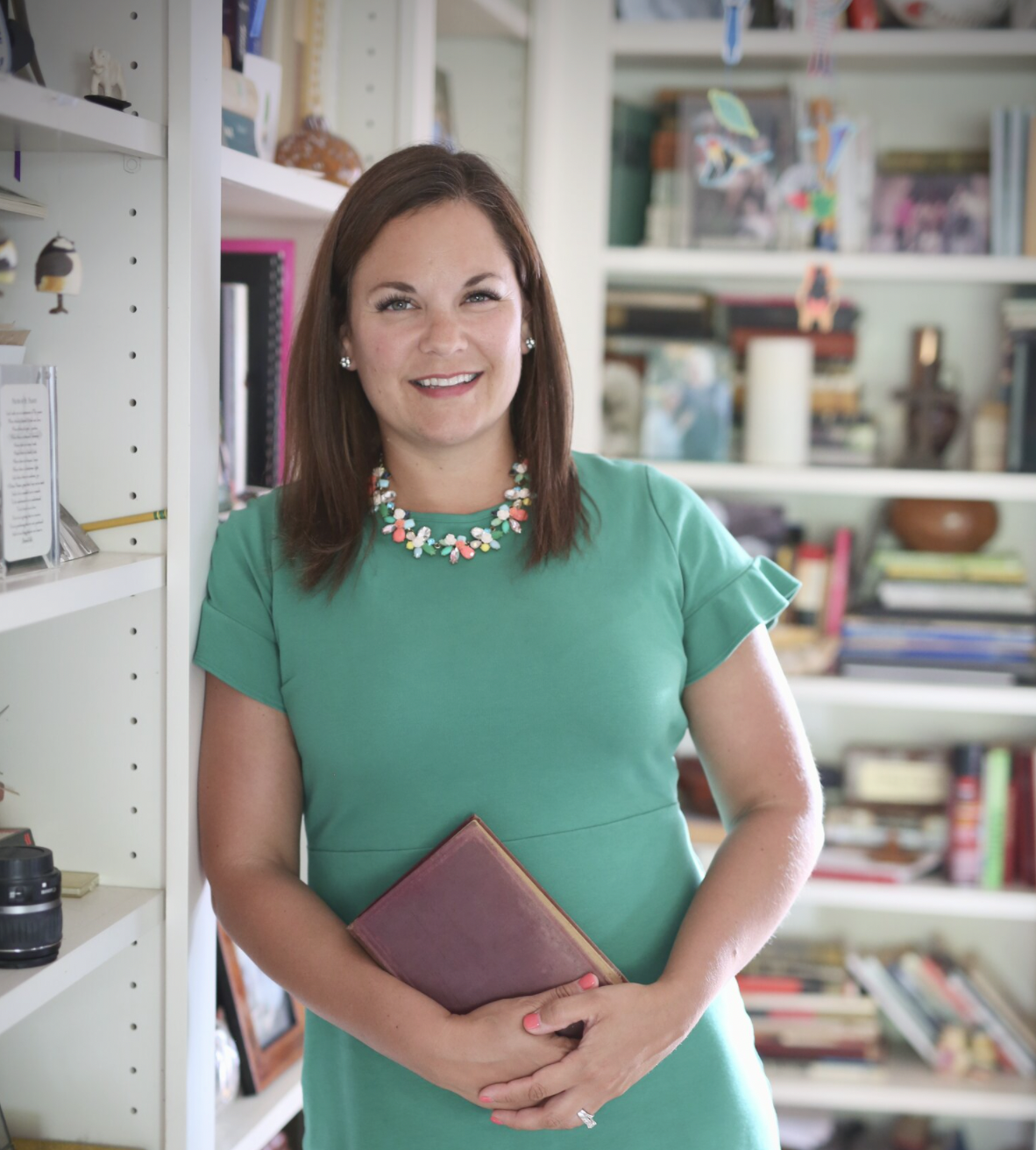
Tricia Roos
Tricia Roos is a Dallas wife and mother who built a winning career in sports and high school admissions but found her greatest victory in loss. Against the advice of medical experts, Tricia carried full term a child she was warned would die at birth or before. That season Tricia’s team won every game, the child in her grew, and eventually she held and loved the daughter who wasn’t supposed to live. In six days of a brief and remarkable life, Annabelle Roos rewrote the medical chapter on a chromosomal condition called Trisomy 18—giving life to a story that galvanized a large high school, a big city, readers of When Wishes Change, and audiences nationally.
As director of admissions for the largest co-ed private Catholic school in Texas, Tricia burst the seams on annual student applications. Her volleyball teams often ranked nationally and statewide among both public and private schools on numerous occasions. Dozens of her athletes played at the college level—in critical roles at LSU, Baylor, Boston College, SMU, Loyola Maryland, St. Francis University, Tulane, St. Mary’s College, and many others.
When Wishes Change is about how her wish for a healthy baby girl changed into something more beautiful than she could have ever dreamed.
More than that, the lesson of allowing your wishes to change transcends the loss of a child. We can all learn that through change, we can love deeper, go further, and grow more than we can ever imagine for ourselves.
Tricia has a deep passion for sharing her story with others as well as sharing her knowledge of branding, marketing and educational consulting with others.
Episode Transcript
Bunny: (00:10)
Welcome to the life saving gratitude podcast. This is Bunny, Terry I’m joined by my co-host and producer Johanna Medina, and we have a special guest today. Tricia very consciously chose a path that some parents might not, and it’s, it’s touching it’s her choice. She’s a coach of a state championship volleyball team and
Johanna: (00:41)
Yeah, different kind of coach than we usually have on.
Bunny: (00:44)
Right. We usually have life coaches or success coaches, and this is a, I go every day and help young people in sports, but she’s also really dedicated to helping them be, um, good humans. Right. And so she, um, made, made a choice to, to keep a child that, and um, her story is really touching and, and inspiring. I don’t, I maybe I’ve already said that like three times, but it’s just because, um, this, this one is worth a listen.
Johanna: (01:16)
Yeah. I mean, we don’t have anyone on the podcast. That’s not inspiring. So get used to saying that if you’re not yet, but yeah. Tricia is definitely an inspiration for her story and the way she continues to live her life after going through, you know, really painful experience and she’s again, find as she puts it finding purpose in the pain, um, and continuing to live a life that’s, um, you know, just a model to everybody and, you know, we’re hoping that she’ll come out here to Santa Fe and speak to some students here. So, if you love her story I think she’s even interested in coming to, you know, other states to speak. So give it a listen and check her out her website and her book “When Wishes Change.” And then, you know, see if we wanna to book her to come maybe to your school or to your town, you can always find those links in our show description or on Bunny’s website. But yeah, Tricia is really cool. I’m hoping we can get to meet her in person sometimes soon too.
Bunny: (02:24)
Me too, me too. And thanks as always for listening for rating, reviewing us and subscribing that’s how we keep doing this. So thanks for checking in.
Bunny: (02:36)
Our guest today is Tricia Roos. And, I’m excited because I’ve read a little bit of your story preparing for this podcast, but I want to hear in your words, Tricia is an author, she’s a consultant. She, this is really funny Tricia, because we did a podcast recently was somebody who said she became a coach in 1990. And she said, you know, where I come from coaching is, you know, football, basketball. And I looked at your bio and I was like, that’s what you were doing. I mean, I don’t know if you’re still doing that, but your bio says multiple state volleyball championship ships. And was that in Texas? Because that’s a big deal.
Tricia: (03:23)
Yes. All in Texas. And I was at the largest private schools and so we competed against other private schools, but the private school world of volleyball is really competitive. So, we had a lot of good years.
Bunny: (03:38)
Wow. Wow. Well, I know that’s a tiny piece of your story and I read your bio a few times and then I thought, I can’t do an adequate intro. So I want you to tell us your story.
Tricia: (03:53)
Awesome. Well, so I went to Baylor university and majored in marketing and public relations. But there was a part of me that knew I did not wanna work in like corporate America. And while I was, um, pursuing my degree, I was also coaching part-time at a local high school, a little Catholic high school. And so I was like, how do I marry coaching athletes and the marketing and public relations? And so, so I landed in Dallas as the director of admissions of a large private school, and then also became the head volleyball coach. And so I was getting to do, you know, both of the things I loved to do. And, I was there for 16 years. And so as you know, I was building my career and working on the admissions side and growing enrollment and the brand, I was also coaching. And I kind of just learned how to read people and really how to work with kids to get the best out of them. And so, um, my first year coaching, we did terrible. We lost really bad. I had taken over from enough other coach and I had just a lot of changes I wanted to make. But by my second year we won the state championship. And then from then on never looked back. We were always in the state finals or state semifinals or winning. And so in 2012, 13, 14, and we won four straight state championships. But in the midst of all that with work and life, I was raising a little toddler boy who, wanted a lady baby. He specifically asked for a baby girl. And, that was the conversation I wasn’t ready to have with a three year old about how that works, but it got us thinking in our busy lives, like, yeah, we really do wanna have a second child and we want our son to have a sibling.
Tricia: (05:50)
And clearly he wants a girl. So a few months later I was pregnant, going into that 2014 volleyball season. And in my first pregnancy, I told everybody really early. It was just one of those things. I didn’t really know bad things could happen in pregnancy. And why not just tell everybody early? And so with my second pregnancy, I did tell everyone really, but then we found out through a blood test that our daughter it was a girl tested positive for trisomy 18. And essentially that is like down syndrome, but a more severe version. So as you can imagine, that was really hard news to take in. And we were devastated not knowing what the future would hold for us. And actually the specialist, we went to recommended an abortion because it was basically only a 10% chance of us making it full term. And then we found out she had a two chamber heart, so everything was just stacked against her life. But we knew that that was not our path and we wanted to do everything we could to see what God’s plan for her was, and to just, you know, take care of her and love her, despite how hard it was and how painful it was, and to be happy and grateful for being chosen as her parent it. And so in that volleyball season, you know, you can imagine the start of a volleyball season, everybody’s excited and everybody’s happy. And I come in like, Hey guys, I found out, you know, my daughter may not survive and I’m really sad. But I need y’all to get me through this. I need practices to be uplifting and happy and drama free and, you know, just help me out here. And in those next few months, it was just this amazing active selflessness and love that this team showed that ultimately won us the state championship and they won it in her honor. And I went on to give birth to her about a month later, she was born alive, which no one expected with her little two chamber heart. And then she went on to live six amazing days. And if you’ve taken freshman biology, you know, that you’re supposed to have four chambers and she only had two. And so even doctors and nurses prepped us for seeing her and meeting her for minutes, if that, and then every day they came back, expecting her to be gone and she was still there. And so I think for us, just, you know, I’ve learned over the years and especially being able to write about our story that I think it was just that optimistic outlook and the hopeful spirit that we had that kept us going. And despite it being so hard, and incredibly painful and sad. I see it now that I’m just happy. I was picked as you know, her mom, like I got to be there for her to care for her. And so instead of seeing it as this terrible thing that happened to me and a tragedy and being that it happened, I’m grateful that it happened and it took me a long time to get there fully. But I really felt called to start writing about our experience. And then the pandemic happened in the middle of me writing. And so the book I wrote is called one wishes change. And it’s just a bigger look at how we approach a sad or tragic situation. So when our wishes for ourselves, obviously I would’ve wished for a healthy pregnancy and a healthy baby, didn’t come true. It’s all about your outlook and seeing it in a positive way and as an opportunity instead of something, you know, terrible happening to you. Um, so, you know, it’s been seven years. I had another child since then another little girl named Andy. She is a hot mess. She’s a lot, she is a rainbow baby. She wears every color of the rainbow and acts like a rainbow baby. But it’s our story and we’re really proud of where we’ve come from and where we’ve been.
Bunny: (10:25)
Well, Tricia, our listeners, I don’t know if they can see us, but both Johanna and I were… Johanna has an 18 month old. So this is an especially, and, and that, that child is my grandson. So it’s an especially poignant story, but it is for anybody. And I was think, I mean, there’s a whole lot, there’s a whole lot that I, that I was thinking while you were telling this story, but I was thinking about those high school girls and the you were really transparent and vulnerable with them. I mean, there are other people who would’ve said, you know what? This is a misfortunate, this is a, you know, unfortunate thing that’s happening in our life. We’re gonna, you know, there are a lot of people who don’t wanna share. I mean, just like when I had stage four cancer, there were a lot of people who had the same diagnosis and there were like, I’m not telling a soul. And I thought, wait a second. There’s a whole, I mean, for me, I had an entire village that wanted to take care of me. And you had these high school girls who not only listened to you, but they watched you and they heard what you were saying. And then they did the, the thing you ask them to do, which is they, they maintained a positive attitude. I can’t imagine seven years ago. So those, those young girls are now women making their own life. And I can’t imagine the impact that you had on them and on your community. How did that play out?
Tricia: (12:02)
Yeah, that’s actually a good question. So I’ve kept in touch with so many of the girls from that team. And, most of them so far that have graduated and are out in the real world are in the medical field. And so I just imagine, like, I just think of this ripple effect, right, where I was able to share this story with them and be really vulnerable and honest about my faith and about what we were going through. But they all got to see this huge miracle play out. And so all know doctors and nurses, I mean, they are obviously well educated, but they don’t know everything. They can’t predict exactly what would happen with her life. And so when we were told there was no chance to survival, we were told that she would die within minutes if she even made it alive. And the chances of her being born alive were practically we got to say, Hey, we’d like to see actually what happens. And it was a shocking ending for all of them. And it was hard sometimes because I think that being vulnerable is just opening up what, what real is going on in your mind. And we all put on like a front to some extent, to all of the different groups that we’re a part of. But I think at that time in my life, I had no capacity to be fake or anybody else. I was just, this is who I am today is a bad day and you’ll read it on my face. And what I realized was when I stopped feeling bad about not putting on that front or faking happiness, and I allowed myself to have bad days and the good days and everything in between, um, everybody just realizes like, that’s real. You’re genuine and you have these emotions. And I think that opened up others, to be honest with what they were experiencing, because, you know, with high school girls, it’s a lot about putting on a front all the time. But deep down, they all have confidence issues and relationship issues with their parents, boyfriends, friends grades all the pressure of applying to colleges and getting into where they think they have to go. And I think as a female, I felt really called to just be honest, because that’s what, you know, I think that they should be in their lives and then know for years of the coach, I’m like fight till the end, no matter what, that’s what I preach. So I don’t care if we’re taking on a team that’s a thousand times better than us. I just want you to try your best. And that way, if we lose, we can walk away and feel like, Hey, that’s all right. You know, we tried our best and I felt like with Annabel, it was like, why should I only try to fight for her if she’s healthy and she’s a normal baby, right? Like normal pregnancy, why wouldn’t I fight for her, even if I’m gonna lose the battle, even if she’s gonna die. She deserves the opportunity for me to give her a chance. And I felt like it was a huge victory because we did get to meet her. All of our family met her and we had her as long as we did. But regardless, I think that even if she would’ve died at birth or during pregnancy, I would’ve felt like I get gave it my all. And I, it played out how it should have instead of me being the decision maker of when her life would end. And so I really, parlayed that with how coaching is and how I had been talking to my athletes for 20 years prior to just say, all right, this is my chance to be an example of living it out till the end and fighting a good fight.
Johanna: (15:56)
I love that. And I was thinking too, well, between both of you talking that I was putting myself in those girls’ situation too. Cause I remember being a high school volleyball player and it wasn’t always the most positive, loving environment, you know? And I mean, I know, you know, like how that can be having all those girls together and the competition. And so I think that just even coming from that, that perspective, like giving them kind of that common goal, that’s bigger than them too, even bigger than, than the game or bigger than, um, the school, because at that age, you know, you can, you can be so intrinsically like focused and maybe a bit selfish sometimes, but having that to having just that, that something bigger to work for and, and having them come in every day, knowing, you know, we gotta be there for coach be positive for her. Like I’m sure that made such a big impact. And then, and then for you to kind of have that extra community around you, that knows what you’re going through. Seems like that, that made all the difference too.
Tricia: (17:06)
Oh yeah. And you know, at the same time it was, it was really a good distraction because if you allow yourself to live in the worry and the anxiety and the what’s gonna happen next, is she alive? Is she dead? Is she gonna be alive tomorrow? Like it would drive my brain nuts, you know? And so when I had something else to be fighting for and working for, and you know, my troops rallying around me it helped me to get my mind off of that. You know, and even if it was just two hours in that two hour practice, I tried to give everything I could to them and they gave everything they could to me. And yeah, by the night I was probably in tears and I was, you know, worried and upset and praying like what is gonna happen. But at least I had that time every day. And in terms of timing, I mean, I found out the diagnosis on July 15th, volleyball started August 1st and then ended by Thanksgiving break. So it gave me a really long time to be distracted and have something else to be working towards. And then it gave me a solid month and a half to be laser focused on the birth and birth plan and, you know, kind of like all the circumstances and scenarios that we were looking at with the doctors and nurses that we were meeting with. And again, if I would’ve had to worry about only that for like an additional three or four months, I think I would’ve driven myself crazy. And so, you know, it’s just such a mindset, like finding things like hobbies and things that you love to take you away from the stresses of life are good for all of us. So for me, it’s coaching and volleyball and for others, it may be pottery or something else, but I love coaching and I loved those kids and I was so grateful for every moment I had with them. And I know it got me through that time.
Bunny: (19:08)
Are you still coaching?
Tricia: (19:10)
Yeah, so I actually left the job I was at, um, for 16 years last year. COVID was hard. I was working 40 50 nights and weekends with coaching and with tours and admissions events. And there was just some different leadership changes that went really, and I needed something different and right around then the book title came to me around this time last year. And it was really funny because I’m writing about a story when wishes change. And then all of a sudden something got really uncomfortable inside of me with my job and with my work environment, I was no longer happy. I was like having really bad anxiety and panic attacks. It was a really negative, it became a negative environment and I’m like hearing my book title “When Wishes Change,” like speak to me in my own head. And I mean, I was like live or die. I was gonna like be there till the end of time and be buried in the courtyard. And then something was changing and my kids were demanding more time from me and I was missing a lot of their events. And so I think that was like, God’s, he’s very sarcastic with me, but it was like, when wishes change, like I’m moving you in a different direction. And that’s when I found my editor publisher and started getting public speaking opportunities. And then I immediately got contacted on LinkedIn, by a guy who owns a volleyball club here in town. And so he wanted me to be the director of coaching, meaning I get to coach coaches. And so instead of having my own team that I’m with two or three days a week and, you know, missing all of my kids activities, I’m able to create a schedule that works for me and, and coach coaches, you know, a lot of coaches come out when they’re in their twenties and they just us know what their coach taught them, you know, and some of that is good and some of it’s not so good. And so it’s just a different, type of influence for me. And then I also recently started consulting. So I love I’m a nerd for admissions and branding and marketing for private schools. And, and so I’m working with the consulting groups. So, so I’ve been saying, I traded one job for four. But they’re on my time and it’s what makes me happy. And I’m, I wake up every day really excited about what I’m doing that day and just really grateful for the opportunity. So we’ll see, it keeps evolving and, um, I’m learning a lot of new things. I’m living this whole different world, but I cannot get away from coaching volleyball and having influence. I have a private lesson tonight. So I’m like really excited about the girls I’m working with.
Bunny: (22:00)
Well, Tricia of course this is you know, this is a podcast that was born out of my own, surviving stage four cancer. But we talk to people all the time who, I mean, I’m gonna tell you that losing a child seems to me the most horrific trauma that, that anyone could go through. We talk to people all the time that have had some sort of events, you know, a loss, an illness, something that is there’s, there’s this underlying theme of, um, this really awful thing happened. And then, and it’s the, ‘and then’ that seems to be the most inspiring. It’s not like people say, you know, we’ve, you know, we’ve we have talked to a great friend of mine recently, who’s in the final stages of colon cancer at 42. And we’ve talked to somebody who lost their child to suicide. And we, you know, nobody says, wow, so glad that event happened, but they’re really clear that they’re grateful for the transformation that occurred as a result. And it sounds to me like your story, isn’t different. I mean, it’s an, and, and then this happened.
Tricia: (23:26)
Yeah. I felt like, I think I used the phrase in the book that you have to find purpose and the pain. And I felt like for me, um, I had to find purpose for my life and for my existence in what happens or else the pain is almost for nothing, right. I mean, I do believe I’ve changed and I’m a different person because of it, but it’s more than that. It should be about helping others. And, and I think that theme, like when wishes change, it’s really relevant because all of of us have had some kind of dream or wish that we’re like, this is how my life will go. This is the job I’m gonna get or who I’m gonna marry, or I’m gonna have this many kids and this gender, like whatever you can get as specific as you want. But none of that actually all comes true. And if you can pull that off, maybe you’re a mind reader or something thing, or you can predict the future. But I think all of us have to get comfortable with change and embrace, change, and tragedy and loss and be like, what am I supposed to get out of this? Like, what purpose can evolve from this terrible painful situation? Because purpose gives us so much more to look forward to. And it continues to wake me up every day and say, I wanna spread the word about this. I wanna keep writing about this. I wanna do public speaking and speak to others about how this experience change me. And maybe hearing my story can help you look at a different situation in your life differently. And I’ve done a lot of speaking in high schools and colleges, and of course that audience has not experienced having children or losing a child, either one of those things. But the stories that I get out of that, like, you know, my mom is, and dad are going through a divorce. I never wish for this to happen, but I’m like gonna try to find the good in it. Or I didn’t get into the college. I desperately thought my entire life I was gonna go to, and now I’m gonna see opportunity. And like what else is out there that I can find hope in? And so I just think it’s a relatable message and it really applies to everyone’s life. And particularly those of course that have lost a child or had a miscarriage or infant loss. It’s, it’s really relatable. But I try to write the book in, in a bigger picture that, about what it’s like when wishes, change and how to respond to that. So, yeah, I mean, I just wanna have a purpose in this and feel like when you go through something hard, you wanna help others to navigate that situation or avoid it or help through it.
Bunny: (26:28)
So we just had a guest who is a young man who’s 19, and he was diagnosed with stage one or type one diabetes at 16. And he knew, he discovered by talking to his doctor that he, if he had, had gone like another six hours without going to the ER, that he probably wouldn’t have survived. And he says, when I learned that, I mean, he’s, he graduated last spring, but he, or yeah, last spring, but he’s taken a gap year and he he’s doing stuff. He said, you know, if that hadn’t happened, um, I probably would’ve gone to the college that I thought my parents wanted me to go to. And I probably would, you know, he’s pursuing an entirely different life that he has a passion for. And, and he was really eloquent about saying this experience me, it, it made a light bulb go off, you know, he’s the most thoughtful 19 year old in the world. But, it is, it does give you an opportunity to have an impact that, um, that you gotta pay attention to. I mean, you say in your bio that it also said, you lived out a story that galvanized the high school you worked in, but it also says the media in your city, I’m really interested to hear what happened in Dallas
Tricia: (27:56)
I think because of my platform, like I was a very winning coach in Texas and at a high school. And, you know, in the school as the director of admissions, like our story got picked up by channel eight news, the local affiliate, you know, ABC and the Dallas morning news, which is kind of like the big newspaper. And then the Texas Catholic picked it up and made it into a documentary. And what was really interesting was I think for some reason, the, the pro-life, you know, the pro-life pro-choice issue with abortion can be really aggressive. And for me, it wasn’t about that. It was telling our story and not, I’m not offending anyone, I’m not judging. I’m just saying, you know, Hey, we wanna fight for this child. We wanna give her a shot. And we’d love you to support and pray for her because we believe her life has value. And I just think it’s a different spin. I think that some times it can be so aggressive the messaging and I just really wanted the, especially in the world of special needs children. I mean, if you look at the statistics of abortions of, you know, down syndrome, babies or other things like that’s really, really high, and this was a situation where that was recommended for me. But I didn’t want to make a choice just because she was made differently. And if you see, like, from my website, pictures of her and my there’s a video that went super viral of my son singing to her you see love, that’s all you see, you see the love between a family and a mother and a daughter and a father and a daughter and a brother and the sister. And, um, and we did everything we could to love her, but yeah, she died, but we just wanted to care for her the best that we could. So I think we just brought a little bit of a different spin that got up a lot, a lot of attention and the documentary that the Texas Catholic made, I mean, they had me micd up from August 1st, immediately when they heard about it all the way through the following January and beyond. And so they literally followed me from the minute I found out the diagnosis, like a week later the entire volleyball season all our games and team talks and everything else, and our family struggles behind the scenes and through the birth, through the, the funeral. And I think it just gives like a really more in depth perspective of what a family goes through, you know, in a really difficult time like that.
Bunny: (31:04)
Well, that’s super vulnerable. I mean to say this may have a positive impact on somebody else, so I’m going to allow my life to be a gift of some sort to the public. I mean what a big decision, but I think an important one, can we access that documentary?
Tricia: (31:29)
Yeah. So on my website, if you go to Whenwisheschange.com, it’s under the author page. It’s one of the videos. I also have like a highlight video of the state championship game, which, I just love that because it’s real, right. I mean, we won a state championship, I’m running up and down the floor like uber pregnant, and these girls are just going nuts. I mean, we got in trouble for over celebration on multiple occasions from the referees. And I was like, I’m fine with that. Like, you guys go crazy. Um, they were just, there was so much passion and determination, you know, from those kids. And it was just really cool that it all came together in that way. So I do have some behind the scenes footage. And then I’m about to start on Instagram, kind of doing some back story. There are some pretty unbelievable stories in the book that are a hundred percent true, and I felt like the only way to prove it is to like video it and show it. And so I’m recording some videos right now of like kind of real places and things that happened. And then I also am, it’s funny, you mentioned this at the beginning of the interview, but sent emails, emails and message on Instagram, my entire team to do like a kind of a, where are they now? Because the oldest girls that were say 18 they’re 25 now. And then the younger schools that were probably 14 or 15 are, you know, just kind of getting out of college or about to graduate with their, graduate degree or whatever. And so it has been on my mind for years, like what could be an impact of Annabel’s life through those players and, or my assistant coaches, like whoever was around us, um, now that they’re into their careers and they’re starting to get married and no one’s had a kid yet, but I mean, sure enough in another few years, I’m sure there will be several high having babies. And so it will be really interesting to me the feedback, um, you know, that I get back because I would love to know that I would love to know that and know it and show that because I think then it gives hope for anybody making a difficult decision in their life that you can go through a hard time, but then have of impact that last forever, um, through your decisions and your voice. So, um, I just started that this week of starting to reach out and contact them. I wanted to wait long enough until the book came out and then just for them to even know, you know, who they are, and what their career years are now.
Johanna: (34:23)
I love that. I think that is so cool to be able to kind of see it go full circle and yeah, just the long lasting impact. Cause I think that’s something whenever similar stories like this happen, we get that initial like kind of interest or like the, like you’re saying kind of the spark, well, what’s, what’s going on the ripple and yeah, anyway, I think that’s really cool to get that
Bunny: (34:48)
Well. And just so you know, Johanna and I, we know high school sports, we, we love small, well we’re from small town, so we love small town, high school sports. So I, I can’t wait to watch the footage of that, of that ball game. What about your son? What does, how, what impact did this have on him? Does he have a memory of all that?
Tricia: (35:09)
All of it. So I actually love to share a few things about him. Number one, the specialist that recommended abortion. One of the things he used to convince me was that this would be too hard for my son. You know, he was years old that this would be too hard for him to experience. And I thought about that and I was like, well, life is hard, you know, and we would walk him through that. And I just hated hearing that. And I can say now he’s 10 and a half years old. I mean, without giving a beat, if you ask him how many sisters he has or siblings, he’s going to tell you two sisters, one in heaven and one on earth. He loves to reflect and like share stories about what he remembers about her. In the hospital, she was always like on my chest and literally when his little voice would speak, she would like perk up and listen. It was something about, and he spoke to my belly, like all during pregnancy, he would have full hour long conversations with her in there. And so he members that so vividly and can tell you exactly like different circumstances of her doing that. And I’ve also noticed, especially now that he’s like preteen he’s really compassionate and caring, particularly for kids that are different or that have special needs. And, and we’ve talked with him about what Annabel would be like, you know, um, if she was still alive and, um, he’s pointed out kids like, Hey, is that kind of what Annabel would be like? And I think it’s important for him, to just be cognizant of that, that you do treat everybody with love and respect no matter who they are. And, my church did a video right after all this happened, then they did a follow up video this fall that was like, where are they now? And I told him, I was like, please do another one in like 15 years when Cameron is 25, because I know that God has such a plan and a purpose for his life that will be influenced by what he went through as a little boy. And yes, he went through sadness and grief and we all get a little sad around her birth or, you know, the day that she died. And he got really scared during the pandemic because death was a little bit more real to him than most kids, his age, because he had experienced death. And so he was a little scared by it, but I feel like we have walked him through the loss and the grief. And although that’s not easy, he is a much stronger person, I think, because of that. And so I hate the idea that a doctor would say like, save your son from the grief or pain, or just like move on and get it out of the way and act like it never happened. Because in our case I felt like he is, um, such an amazing young man. And I believe that the story will continue to unfold of how he is influenced. So, um, yeah, he, he’s 10 and that is a really interesting time in a little boy’s life. Like he’s independent, but he still needs his mommy. Um, but even the way he loves his little sister that was born a year and a half later. I mean, he takes care of her. He protects her, he looks after her. And I just think he has a little bit like a special awareness that, you know, he lost one and this is the only other sister he has and he’s gotta take care of her. And so you see them cuddling on the couch and punching like two minutes later like all siblings, but I think they have a really special bond. And, and the idea that the doctor said, like the, you want your kids to play together and be closer in age, it was kind of like a reason to move on. And I was like, whatever. I mean, yeah, we had to go through that pregnancy and Annabel died, but we still got pregnant again. And my kids are five years apart almost to the day, but they still hang out and they play and they cut and they do everything else that normal siblings do, even though there’s an age difference. It doesn’t matter.
Bunny: (39:44)
Tricia, how rare is trisomy18 and, can you explain it?
Tricia: (39:52)
Yeah, it’s kind like a fluke at inception. Like an extra chromosome goes one direction. And what’s interesting is that they say only about 10% of trisomy 18 births make it full term. So it’s very possible that a lot of miscarriages happen because maybe that was what the baby had, but most people when they have a miscarriage don’t know that. And so it’s very rare to go full term, especially like in our situation where we knew her heart only had two chambers. But it does. I mean, if, if she would’ve had a four chamber heart and there wouldn’t have been as many issues internally, I mean, she could have lived months, years. I mean, there are definitely kids out there that can’t survive and just have special needs, but in our particular situation, because of what we found out about her heart, we knew that, you know, a heart surgeon can’t build two more chambers on the three pound baby. But you know, so many people have miscarriages and they never know, and what went wrong in the pregnancy and, um, very possible that could have been it. People just dunno it.
Bunny: (41:08)
Have you met other parents who had a similar experience to yours?
Tricia: (41:12)
Yeah. You know, luckily in this day and age like there’s a couple Facebook communities that are, you know, parents of Trisomy babies either, you know, 18, 13, there’s a couple different varieties. And you know, a lot of them experience loss early or shortly after birth, or perhaps they find out the baby has trisomy 18 and then it’s a stillbirth. Um, but it’s such a great community to have. And so I remember for me personally, when I first found out about the pages when I was pregnant, I mean, I was always asking questions and it was just constant support and encouragement for me. And so it’s nice to now be a part of that community and do that for others. And especially when a new mom comes in and they share their exact situation, there’s always somebody that can directly relate to them. And there’s people in those groups from all over the world. And so, you know, I think between my team and my work and friends and those Facebook groups, I am a very relational person and I needed community, um, to help me get through that. And I don’t know if that relates to everyone, like you said, some people have situations where they are too afraid to tell a soul, but I just think so isolating, and it prevents you from finding the people out there that can relate to you and can fully understand what you’re going through and share advice with you. And that was something I felt like I did, right. I, I looked everywhere far and wide for people just like me so that I could relate and better and understand.
Johanna: (42:56)
I just love the thought that just the broad reach, that your story, you know, just your life, like how, how far that’s reached from, you know, from close in your home, your own son to the, the team you were coaching your community, the city now it’s like getting broad broader. And just like the, that awareness of your story spreading can just affect so many people. And I hearing you say that and saying that you’re, you know, like you said, reaching out to those Facebook groups, like you just telling your story could probably help someone, you know, on the other side of the world and, and, um, help them know that they’re not alone. And they, you know, they have someone they could talk to or just reach out to. And I just, I love the thought of that, like how it’s just gonna continue to grow and grow.
Tricia: (43:44)
Yeah, and that kinda, again, it’s like that purpose, like, you feel like there’s a reason to wake up every day and keep going. I mean, I was on like a podcast, but it’s like a radio station in the UK. And from that I had several people in England reach out to me and email me and was like, thank you so much. I recently just went through a similar situation and that really helped me. I was driving to work and having a bad day. And so you think like if it can just help one person and hopefully more that maybe then they should share that with somebody else and so on. And, um, and I think that’s how I’ve always been. Like, I wanna have an impact or have purpose in what I do for a living. I think that’s why I love coaching because I, I see impact immediately whether it’s skill or confidence or combination of both, or they just learned to love the game that I love so much. You see it, like you tangibly can see impact with kids. And I mean, Hey, there’s been plenty of parents that probably didn’t like anything I did or any decisions I made or if their kid was on the bench. But I feel like if, you know, and you believe in what you’re doing, even if there’s, cause I did get on the do morning news, um, site, when they posted the article, I thought it was really well done. They did a nice job and there was people just so mean on there. I mean, telling me that I made it terrible decision and how dare I like put this baby through pain and I’m like, she’s in my stomach. Like she’s doing OK. But I had to like take that out and ignore like the negative and just focus on the positive and knew that I was still making the right decision.
Johanna: (45:30)
Yeah, yeah, of course. So there’s always those people. Right. And, it made me think too, when we first started talking Bunny, like when you wrote about, like what not to say to a cancer patient, I’m sure there were people telling you horrible things, or even even telling you things that they thought were helpful. And they were just like, you’re like, I don’t wanna hear that. Do you, do you remember any of those types of things?
Tricia: (45:55)
Oh my gosh. Yes. Actually in my book I created like a part three that addresses that topic because, um, I just remember like, it’s a lot of the comparison. So like I lost the baby and you’re like, ah, yeah, I remember when I lost my dog and granted my dog and I were like super tight growing up. But like that is not the same loss, not the same a child. Oh, that lived inside of you. But I think I’m a person I don’t really take much personally and I can recognize like good intentions and you know, like awkwardness and not really care. I mean, I never, um, really took it super seriously. Um, one thing that was really hard was so I gave birth December 29th and then, um, I was so swollen because she couldn’t S swallow amniotic fluid. So I gained 80 pounds just in the last month was most of it. And so of course, like going through like postpartum, you don’t get skinny fast. Not that I’ve ever been skinny, but I was still large. Anyway, I didn’t take my full maternity. I like went straight back to work. I needed to be distracted for better, for worse. And so February is when we interview 700 people for the next school year for admissions. And every interview night, I would have people like, oh, you’re pregnant, congrats. And I was like, no, I just lost a baby, um, a month ago and I’m not pregnant anymore. And the baby died. And I, I had to have like, people kind of step in for me. Like my work people did a really good job. And of course, like people were mortified when they found out what happened because like their applicants to the school. So they weren’t necessarily in the community yet, but that happened more times than I could count even like out of the grocery store. And so I do not say a word about somebody looking pregnant until it’s super like obvious, or they say something first because especially like postpartum, you, you never know, like if they had a miscarriage or if they just had a baby or they’re just overweight, like there’s a million scenarios, but I mean, I did look still sort of pregnant, you know, and my clothes didn’t fit the same way. And that was probably the hardest, um, thing that I went through. But, you know, I chose to go back to work and I put myself out there and as long as I could just laugh my way through it, I was like, okay, this will go away like in due time. So that was, that was pretty bad.
Bunny: (48:45)
Yeah. So I just, I have to ask, tell us about Annabelle. I mean, do you think that she’s still having a huge effect on your life?
Tricia: (48:58)
Oh, absolutely. We’ve woven her into our lives, you know? And so even with the kids, both kids and their prayers, it’s like, we pray for Annabel is happy and healthy. And, and we talked a lot with our kids about, um, we used the reference, like she had a broken heart, like because of her two chambers and like only God could heal her in heaven and we couldn’t keep her. And, um, you know, one thing that’s real cute is my little one, Andy. So, you know, she never met Annabel because she came afterwards. But if we have like a new friend, so like she’s in kinder. And so, you know, she’s just kind of starting school and making new friends. If we have a friend over and the mom is there talking to me, she will jump in my lap lap and whisper mommy. Can you please tell her about Annabelle? And you know, we’re always in the middle of a very casual conversation and she says that and I’m like, well, I don’t wanna say no. And so I’ll just say, Andy wants you to know that, you know, she has a big sister in heaven and then Andy takes over immediately. She’s like, her name is Annabel. She kind of had a broken heart, but she was really cute. And like she tells the whole story. And so it’s, it’s, it’s super sweet, but then you can always see the other mom being like, oh my gosh, this was a lot. This is kinda heavy. But like the Bible is like have the faith of a child and it’s so black and white. And so it’s really sweet to see that. And so, um, you know, we have a birthday party for her every year on her birthday and we do a balloon release. And, um, I think for both of our kids, um, we wanna talk about her show pictures and share memories so that it can be a part of who they are instead of ignoring or, you know, never acknowledging her existence.
Johanna: (50:58)
Yeah.
Bunny: (50:59)
Well, Tricia, this is like one of the, I mean, it’s one of the most heartbreaking, but one of the coolest stories that I’ve heard and we’re gonna run out of time, but I what when wish, when wishes changed, I can’t wait to read that and I’m sorry, I didn’t read it before we got together. We’ve kind of stacked all these, um, we’ve, we’ve done some batching, so it’s gonna be next, but what’s next for you?
Tricia: (51:31)
You know, I think that for me, like, I am very passionate about public speaking and I really like speaking to others about our story and if I can continue to do that, no matter where work take me or life takes me, I think it just continues to give purpose to her life. You know, there could be a sequel with Andy, the rainbow baby, but, um, she’s still young, so I don’t know yet. But I just, that’s the part of who I am and who I will be forever and, you know, through promoting the book and, um, and just speaking about it, I think that it can continue to have an effect on others. I would love it to be a movie. It has looked all the elements, you know, and I’ve talked to some people in the film industry. So I think that would be really awesome. I wanted to get the book out first before the movie, you know, everybody has to read the book first. But I don’t know. I just, and I also think like a year ago, I couldn’t have imagined where I am now. And especially since my whole life changed in my job and everything I’m doing, but I like to not plan too much because I love to where life takes me and what evolved and what I can do to have impact. So I hope I can say the next that in the year from now, like I, would’ve never guessed where I am and what I’m doing and what’s happened in a year from now because you just can’t plan it out. You gotta let your wishes change.
Bunny: (53:13)
Well, so we’ll have you back in a year. We wanna know what’s going on.
Tricia: (53:16)
There you go. Okay.
Johanna: (53:20)
Yeah. Get one of those speaking gigs in Santa Fe. We’ll meet up.
Tricia: (53:26)
Oh, I would love to.
Bunny: (53:26)
We’ll schedule it. Yeah.
Tricia: (53:28)
I’ll start looking right away for one.
Bunny: (53:31)
Good.
Tricia: (53:31)
Well, and the other thing I feel passionate about is like, I’m not like Uber into social media, but I’m like the rest of the world I go on there. I scroll like whatever. And I realized at one point about a year ago that the people that I chose to follow it was not really making me feel good about myself and it wasn’t super encouraging. I don’t know, like I never planned it that way just organically happened. And so I subconsciously was like, Hmm, I think I need to review who I follow and what I’m looking at and reading. And so I chose to follow more, you know, motivational speakers or authors or, you know, just people that give a little bit more like encouragement, um, women of faith, things like that. And so when I created my platform on TikTok and Instagram and Facebook, I was like, that’s my purpose. I wanna have encouragement. And like, so that you’re scrolling and you see a quote and you’re like, oh, that’s really good. And like I said, I’m about to start some videos of some cool things about the book, but that’s been something, I just kind of enjoy on the side, you know, keeping up with and learning about. And because I, I really have had some people that comment and say that really made my day think, you know, for the quote. So I’m trying to make a more positive impact through social media than you getting off of it and feeling like your day is ruined.
Bunny: (55:11)
Yeah. Well, we’re so excited that you agreed to come and talk with us. This has been so special.
Tricia: (55:18)
Well, thank you. So I really wanna go to Santa Fe now, like you brought that up and I’m like, I’m gonna go search for some schools in Santa Fe that I can speak to.
Bunny: (55:28)
Oh yeah. Yeah. Great idea. Okay. And we’ll give you some ideas.
Tricia: (55:33)
Yeah, exactly. I love it.
Bunny: (55:36)
Perfect.
Bunny: (55:38)
That’s all we’ve got today. Friends. I wanna thank you for joining the lifesaving gratitude podcast with your host Bunny Terry that’s me and my producer and assistant Johanna Medina. We feel like we’re in the business of sharing the stories that save us, and we hope you’ll share as well by letting your friends and family know about the podcast follow and like us wherever you listed. And please take the time to leave a review, whether it’s a stellar comment or a suggestion, we are open to suggestions all the time. Also follow us on Instagram at live saving gratitude pod. You can also follow me personally at Bunny Terry, Santa Fe. You can sign up my website at bunnyterry.com to receive weekly emails about how to become the ultimate gratitude nerd. Thanks so much for checking in.

About the Podcast
Gratitude is a superpower. It can transform—and even save—your life. Author and activist Bunny Terry discovered the life-saving power of gratitude when she survived Stage IV colon cancer. She interviews a wide variety of guests who have also used the art and science of gratitude to survive, and thrive, in their own lives.
Recent Episodes

I Love New Mexico Teachers: Bunny Terry
About the Episode: Summer is coming to an end and a new school year is...

I Love New Mexico Food: Kirk Muncrief of AlbuKirky Seasonings
About the Episode: In New Mexico you know we love food AND we love spicy...

100th Episode Recap: Bunny & Johanna
About the Episode: The I Love New Mexico podcast has made it to 100...
About the Episode:
Can gratitude help you to become a . . . better marketer or realtor? It might sound like a strange pairing, but it’s worked wonders for Craig Cunningham, a Sante Fe-based realtor, 30-year veteran in the hotel business, and founder of the marketing firm Cunningham + Colleagues. In this interview, Craig shares what he’s learned about using the power of gratitude to build a successful career in marketing, customer service, and sales and get him through his own battle with cancer.
Resources mentioned in the episode:
- Bunny’s Website
- Lifesaving Gratitude: How Gratitude Helped Me Beat Stage IV Cancer by Bunny Terry
- Cunningham + Colleagues marketing firm website
- Sante Fe Kitchen Angels
- How to Win Friends and Influence People by Dale Carnegie
- Craig’s Blog: Santa Fe Scenes
Subscribe to Lifesaving Gratitude on your favorite podcasting platform

Featuring:
Craig Cunningham
Thanks to a career in the hotel business, Craig Cunningham has traveled extensively throughout the world and now calls Santa Fe home. As an enthusiastic observer of cultures, traditions and history, Craig enjoys sharing all things Santa Fean and New Mexican.
Bunny met Craig as a fellow realtor at Keller Williams in Santa Fe. Craig’s experience as a hotelier and his expertise in sales and marketing gives him a unique perspective on customer service. Craig knows just how valuable it is to show gratitude toward his clients and colleagues.
He writes regularly about Santa Fe on his blog, Santa Fe Scenes.
Episode Transcript
Bunny: Hi everyone. This is Bunny with the Lifesaving Gratitude podcast. Just in case you don’t know me, I am a stage four colon cancer survivor and the author of Lifesaving Gratitude, which is a book about how gratitude helped me kick cancer’s ass.
Today we’re going to talk to a special guest about how marketing and marketers can use gratitude to create business and connections with clients and also for themselves to create a really positive way to do their job. But first, I just want to thank you for being here and ask that you download the podcast if you’d like. And certainly subscribe wherever you listen to other podcasts. But enough about me and enough about the podcast.
I want to introduce you to my special guest, who’s also a friend. Craig Cunningham is currently a realtor with Keller Williams, Santa Fe. And that’s how I met him. However, this is a recent career for him and he was, and correct me if I mispronounce the word, but you were a hotelier. Is that the way to say that?
Craig: Yes.
Bunny: Yes. He’s spent 30 years in corporate sales and marketing. He’s traveled extensively. I’m going to let him tell you all the places that he’s been to, but he is the founder and principal of Cunningham + Colleagues marketing consultants. He was in the past the VP of marketing and quality for Seaport Hotels and World Centers and the VP of marketing for Core North America. So welcome Craig Cunningham.
Craig: Thanks so much for having me on your podcast.
Bunny: I’m excited. I know you have some great tips for all of our listeners. When I think about these podcasts, I always think about the people that are going to want the information we’re offering. I mean, we’re here to help people and we’re here to figure out how gratitude can make everyone’s life not just easier and simpler, but also fuller. So why don’t you start, Greg? Just tell us a little bit about yourself. Tell us how in the world you ended up in this completely different career? And yet the truth is we’re still just marketers first and realtors, second. Tell me a little bit about yourself. Tell our listeners.
Craig: Yeah. So, as you said, I’ve been in marketing and sales for more than 30 years. I actually started off with an advertising and PR agency and then had the good fortune to be hired by my hotel client at the time, Wyndham hotels. At that time it was a North American chain and it’s now international.
But from then on, I was in the hotel business. It’s definitely a career where if you are not focused on client service and the whole concept of gratitude, you’re not going to be successful. I always thought of our job as just surprising and delighting our guests and making them feel like they chose the right hotel to be with. And so it was always about waking up every day and saying, “What can I do to make somebody’s day and to give them a great experience?” And, of course, to do this you have to be grateful because they opted to choose your hotel over the million other choices that they had.
So when I retired from the hotel business two years ago, I was trying to figure out what else I wanted to do with my life. I started doing more volunteering. I volunteer with Kitchen Angels here in Santa Fe to deliver meals to people who are not able to leave their homes. But I also started thinking of whether I wanted to do something else from a professional standpoint and the real estate business seemed like a natural extension, because it’s all about client service. You have to figure out ways to make people feel like they’ve made the right choice in working with you. So it’s all about being grateful every day and figuring out what can I do to help them today. How else can I extend what I’m doing for them in a way that they will appreciate and know that I appreciate them. So that’s what it’s really all about, because of course they could work with a million other other people
Bunny: Right. And let’s talk for just a second. Don’t you think that marketing has changed over the 30 years that you’ve been doing this? I mean, it seems to me that when we were kids, which was back before the crust cooled, we were sort of marketed at. Just talk for a minute about how marketing is different now than it was 10 years ago or 30 years ago.
Craig: It’s funny, because I was going to say the exact same thing. Back in the day, you were running a TV ad or a radio spot or a print ad and it was passive in that you just presented the information, unless you were direct sales. But really with the advent of so much digital media, you are instantly able to forge a relationship with customers through social media, through Facebook, Instagram, where you’re having a dialogue with them from the very beginning. This allows you to work in a much more personal way and to be able to find out much more quickly how you can serve those people.
So I think it’s changed completely. Before you just sort of put it out there into the ether and hope that something worked, and now you’re able to engage. And I’ve found that so much in real estate where I’m getting emails from folks and then it evolves from the email into a phone call or a zoom call or something like that instantly. I think that’s so much better for both people. Especially for somebody like me who wants to find ways to engage with people and to be of service to them, it makes it a lot easier and more rewarding.
Bunny: I just think about the ways that I connect with my clients. It’s as if you’re somehow conveying to those people that you’re grateful that they showed up.
Craig: Yeah, exactly. I mean, my whole thought is that it’s not a transaction, it’s a relationship. And that relationship can be multifaceted. Once you’ve sold them a house or sold their house, I like to think that we’ve formed a friendship and a bond and that relationship is going to continue. And honestly, I don’t even care if I ever get another piece of business for them. Now think of them as friends. I want to have them to my house for dinner or go have coffee or something like that.
I think that kind of thing that makes a difference for people in wanting to work with me. It’s coming from a position of wanting to be of service to them and wanting to make them happy and finding the right solution for them. I’m working with some first-time-buyers right now and I kind of feel like they’re my kids. It’s about, okay, how can I really help them with this? And they’re grateful for the counsel I’m able to give to them, and I’m grateful for the opportunity to work with them. So it’s very rewarding. I think if you approach business relationships in the same way as you would with your friends, it’s a win-win situation for everybody.
Bunny: Well, talking about those first-time home buyers, I mean, that’s one of my favorite deals. You never make the most money from those transactions, but I’m so grateful to be reminded that we are providing the American dream when we’re selling real estate. Yeah. It’s amazing. It’s my favorite experience.
Craig: Yeah. I mean, for somebody to have their first home and to be excited about how they’re going to decorate it and what they’re going to do. And with this young couple, seeing them excited when they see a house brings out all my empathy and makes me want to really go the extra mile for them to make sure they find the right house at the right price for them. And then I just never want to stop. So then it’s like, “Okay, now I’m going to find this person for you to do the plumbing, and I’m going to find this person, etc, and I’ll be with you with you to help explain things.” I just want to really continue to be of service.
Bunny: I talk a lot, especially on my blog, about Judy Camp, who was one of my first real estate mentors. She was a great friend and Linda Gammons partner for a long time before she passed away. But Judy Camp always says, “If you come from contribution, you can’t help but be successful.”
Craig: Yeah. I mean, just as I was saying, you can’t think of it as a transaction. I think, coming from contribution, how can I help you? How can I make this a better experience? How can I make this work? Because, especially in a real estate transaction, it can be stressful. It’s the biggest financial transaction for the majority of us. So how do you take the burden and the pressure away from them and sort of guide them through the process? I just think the main thing is that it’s much more fun, whether you’re doing volunteer work or in business, to wake up every day and figure out how I could make it fun for somebody else. Because then it’s fun for you and it gets you excited and passionate about what you’re doing.
Bunny: Well, it sounds like our big “why’s” are really similar. I certainly don’t want to put any words in your mouth, but it sounds like your big “why” is just to make the life of the people you come in contact with better.
Craig: Yeah. Of course making money is nice, but there are lots of ways to make money. It’s more about whether you are getting energy from it. And I think you really get energy when you’re working with someone and trying to figure out how you can help them, how you can make their day better, how you can make the service that you’re providing better. And also just doing things that saying, “What about if I do X, Y, Z?” and they’re like, “Oh, you’ll do that for me?” And I’m like, “Of course.”
I have another set of clients where the transaction was fairly complicated and we were looking at lots of properties. Coming from a corporate background, I love to do spreadsheets and PowerPoint presentations—things like that. And so after about the third thing we had to do, they’re like, “Oh, how are we going to organize all these bids?” And then one of the guys said to the other guy, “Well, Craig’s going to do a spreadsheet for us. He’s probably already got it done.” So it’s that kind of thing where you’re looking for ways to make their experience better.
Bunny: So this is always a funny question for me to ask, because I have such a loose gratitude practice other than just waking up in the morning and saying, “thank you, thank you, thank you,” and then writing things down, but do you have a practice that you follow that helps you both in your business and your personal life?
Craig: Well, since I came into real estate with Keller Williams, which focuses a lot on being servant leaders and helping people, I’ve gotten into the habit of writing three things I’m grateful for that day. It could be that it’s a beautiful day or a dog or my partner or the opportunity to help somebody or the coffee’s really good that day, but waking up and appreciating what you have in your life is a good way to get in a good mindset for the rest of it.
Bunny: Oh, absolutely. Something I always say is that we kind of rewire our brains. We do. We create new neural pathways every time we say that we’re grateful. So in terms of nuts and bolts, is there a way that you let your clients know? I mean, I find that there are a lot of young people, young entrepreneurs or people who are new to business, who forget how to tell their clients how they’re grateful for them, even if it’s a line in an email. Do you have something that you do specifically over and over?
Craig: I think for me, it’s maybe more in the actions. I think of “This is really going to be helpful if I do this or if I provide this information.” I think it’s always in my voice and the way that I write. I try to always communicate openly and in a friendly and conversational manner. But then I also think “It would be really cool and really helpful if I did X , Y , Z.” I created a whole PowerPoint just on the neighborhoods in Santa Fe, because if you’re out of town it gets confusing. And that came out of a client saying, “Well, I don’t really know the neighborhoods.” And I thought that this would be a great tool for them. So I created it and then I was able to use it with others.
So I think for me, maybe it’s sort of on the fly. I used to say in the hotel hotel business, “How can I make this a wow experience?” Because the other way to think about it is that every relationship is with people. When you’re in a service business you’re really in the business of creating memories. You can create good memories or you can create bad memory and it’s much more fun to create good memories.
Bunny: And that just comes from a spirit of generosity. I mean, you obviously want this to be the best real estate experience they’ve ever had.
Craig: Right. Right. I’m very grateful for the people that have helped me along the way. I’ve been very fortunate in my career to always work for people who were concerned about my career development and my personal development and became dear friends. And I’ve had a couple of bosses that have hired me twice in two different jobs. So I’m always grateful for the things that other people have done for me.
So then I want to pay it forward. When I came to Keller Williams and I was introduced to the team here, there was so much openness and willingness to share and help and support. It has been fantastic. What strikes me the most is how grateful I am for what other people have done for me. And how do I pay that back?
Bunny: I mean, this is not a podcast to plug Keller Williams. It’s really more to talk about mindset, but the place where I learned it was sitting in that training room and learning that my mindset was the secret sauce. I mean, that’s the success piece, right?
Craig: Yeah, exactly. It’s not just about production and everything. It’s about weight and having a sense of gratitude and contribution and a sense of abundance. And I don’t mean that in a monetary way. It could be abundance in your health or your friends or all of that kind of stuff. And I think back to you. Your experience with cancer was far worse than mine, but I did have prostate cancer about nine years ago. Everyone I worked with during that entire time when I was going for radiation every day for 10 weeks was so supportive. And then on the last day of radiation, there was this very important meeting, and everyone knew it was my last day.My whole team had a celebration for me on my last day. That was turning something that was obviously a challenging situation into something where I knew they really cared about me and supported me.
Bunny: Wow. I’m interested to hear how your mindset was in the middle of that?
Craig: I’m just by nature, an optimistic person. So even though it was scary, I felt like I was in good hands from a medical standpoint and I just felt like I was gonna beat it. I had done the education that I needed to and then it was really about having a positive mindset.
This is probably too much information, but I’ll say it anyway. You’re doing the radiation stripped down to your boxer shorts. And so I jokingly put this Facebook thing about the fact that I needed a new pair of boxer shorts for every day. And people started sending me underwear—different pairs of boxer shorts for every day. So while I was sitting there in the big machine, where you’re sort of in there and it’s buzzing and scanning and all that kind of stuff, it got to be kind of a joke with the techs: “Oh , what’s he going to be wearing today?”
Bunny: I love that.
Craig: That was a way to keep my spirits up. And also during that process, I really learned how to be very focused. I was in a waiting room with people that were going through, frankly, worse things than prostate cancer. Don’t get me wrong, prostate cancer is pretty serious. It is. People die from it. But I was seeing so many other people that were having a much more challenging time than I was. And we became a family. We all bonded together during that process, because we were all waiting, sometimes for an hour. So it’s things like that. And also things like the kitchen angels service, where it helps reboot you every day for how grateful you should be in your own life and grateful for the opportunity to help other people.
Bunny: Right. There are tons of people who do get what a gift it is. People who don’t even have a specific gratitude practice, but at least an attitude every day that you’re going to figure out something. I just wrote a blog post on limiting beliefs and one of the things that I wanted to convey is that we get to choose every single moment how we view the world. And maybe for somebody out there who’s brand new in business or who’s starting a new business. I just read a statistic that said that the entrepreneur demographics are changing. And now like 48% of new entrepreneurs are over 50. So hooray for the old people!
But I know that there are people out there right now who are thinking, “Well, I’m not any good at marketing. I’m not any good at that piece of it. I can sell stuff, but I’m not good at the marketing stuff.” I’ve got to tell you, I’m married to a guy who doesn’t believe in self promotion because he came from a generation when you played down your assets, instead of being grateful for them and talking about them. So I’d love to hear what you have to say to somebody who has that limiting belief that they can’t market. And they can’t promote themselves.
Craig: You know, we could all market ourselves, and we do it every day in our interactions. Whether we think of it as marketing or not, we’re marketing ourselves all day long in how we react and treat other people. The thought I had as you were talking about your husband thinking self-promotion sounds like a dirty word is that it doesn’t have to be you talking about “me, me, me” and “I did this million dollars in revenue.” This is kind of a turnoff in some ways, because you’re talking about yourself. But if you’re talking about how you can help somebody else and how you can provide a good experience for them with your information and knowledge, you’re not talking about yourself in that context. You’re talking about how you can be of service. I think that’s a much easier way for a lot of people from a generation where we weren’t really supposed to be talking about ourselves.
Bunny: Well, it was pre-social media. Our face wasn’t out there. We just weren’t trained to tell people, “Here’s the reason you should hire me instead of the other person.”
Craig: Yeah, exactly. I mean, now we’re all our own brands on social media. But I think that rather than saying to somebody, “Here’s why you should hire me versus somebody else,” you should just talk about how you can be of service in what you do in an authentic way. Then people are more likely to want to work with you, because you’re radiating a sense of positivity and an interest in them. And they’re not thinking that you just look at them as a transaction and then you’re onto the next person.
Bunny: I frequently use with my marketing coaching clients the example of a dinner party. If you went into a dinner party (and this is for people who are just beginning in whatever business they’re in, especially if they’re self-employed), you wouldn’t simply walk in, take your coat off and say, “Hey, I’m selling something, come and talk to me.” Right? I mean, that’s what you don’t want to do with marketing. You want to start by building a relationship. Can you talk a little bit about that?
Craig: I think it goes all the way back to Dale Carnegie’s How to Win Friends and Influence People. People do like to talk about themselves. And so the first thing is you should be listening. That was one of the first things I learned in marketing client service. You need to ask questions and learn from your clients. Focus on what they need, as opposed to talking about yourself. You really want to establish a dialogue with them about their wants and needs and hopes and fears and everything else. Then you can talk about how you can address them. But nobody wants to go in and all of a sudden have you sit down and say, “Here’s my PowerPoint about me and what I’ve done.” It should be more of establishing, from the very beginning, a relationship of openness with folks. Then, after hearing from them, you can say “Well, here’s how I think I can you and here are some ideas that I have that I could share with you.” So I think a key thing is really listening from the very beginning.
Bunny: I even found that to be helpful when I used to first go on listing appointments. I was so nervous that I would sit down and I would immediately try to book an appointment. You know, if you’re not in real estate, a listing appointment is just like sitting down with a prospective customer. I would be so nervous in the beginning and really coming from a place of scarcity where I thought, “If I don’t get this listing, I’m not sure I can pay the rent next month.” And if you’re coming from a place of scarcity, you’re likely to self-sabotage. But that’s such good advice because things changed when I finally learned how to sit back and listen: “I’m here to help you. Tell me what it is that you need. Talk to me.” It’s so powerful to give a client time to talk to you. And I think people forget to do that, right?
Craig: Yeah. And I think sometimes we do it because we’re afraid. What I’ve learned so much over the years in business working with people is that people are terrified of silence, so they will immediately start talking. If there’s a second of silence, you jump in and start babbling. Lord knows I do it. But if you just let somebody talk and let it sort of sit there for a second and not just try to be filling in all the time. It drives me crazy when people are doing that. It’s much better if you can have the client talk and then ask some more questions and then be warm and reflective about it. Back to the Dale Carnegie thing, I think one of his first points was if you’re at the dinner party, ask people about themselves. Most people do like to talk about themselves. So ask them and don’t just start talking about yourself.
Bunny: I think that even people who would say, “I don’t like to talk about myself,” really do want somebody to ask them and listen to them.
Craig: Yeah. And it’s not just asking them to go on and on. It’s more meaningful questions about, for example, why they decided to move here. Just those kinds of questions that get them thinking. Growing up in materialistic Dallas, the joke was that the questions at a party were like, “Where do you live? What do you do? What do you drive?” And so it’s not questions like that. It’s asking them more about their life experience,
Bunny: You just brought me to another completely different point, which is for any realtors out there listening: I think it’s really important to convey to your clients how grateful you are for where you live. I mean, if our lifestyle is such a selling point, don’t you think you should share that?
Craig: Oh, yeah, exactly. I mean, living in Santa Fe there’s so much beauty. I’m looking out my window right now at the beautiful blue sky. When I leave my house in the morning and I see the mountains, and then when I’m coming home at night and the sun is setting over the mountains and I see all the different colors and everything, it’s just breathtaking. It’s great to live in such a great and wonderful environment and in a place that is very spiritual, going back with the native Americans—respect for the earth and nature and all of those things—I think it does help center us more than a lot of other places.
Bunny: How do you convey that to your clients? I know you’re doing something really cool online that’s different from some other realtors.
Craig: Well, I’m not just posting on my Facebook page,” Hey, I just sold this house or just sold that house.” Well, that’s great. But I’m more talking about new experiences in Santa Fe: new restaurants, or a new place to go hiking, or something exciting that’s happening at one of the museums or things like that—enthusiastically talking about the experience of living in Santa Fe. And if down the road, by the way, you’re looking at this stuff and you decide you want to buy a house here, I would love to help you. But it’s more about conveying the reason why we all want to live here
Bunny: And tell us about your blog, because I think it’s amazing.
Craig: So I created this blog, which is called Santa Fe Scenes. It’s that same kind of thing where it’s just talking about having fun in Santa Fe. One of the things was, you know, we’ve got the old Santa Fe trail and we’ve got the old Pincus trail, but did you know that we had a Margarita trail and a Chocolate trail? Stuff like that. Just being whimsical about it and talking about some of the things are unique about the city and sharing my own passion for Santa Fe. I was very fortunate to be able to do a lot of international travel for my job. I was grateful for the opportunity that I was given to see places that I wouldn’t have seen otherwise from Bogota to Sao Paulo and Rio de Janeiro and Beijing and places like that. So I’ve always been enthusiastic about travel and now living in such a beautiful place like Santa Fe, I want to share that enthusiasm with people.
Bunny: And you’re getting some good feedback on that I bet, right?
Craig: Yes, I am. I’m getting good feedback on it. It’s been a wonderful thing to reconnect with friends who are saying, “Good for you, you old dog! You’re back out there trying something new.” Because whenever someone says, “Oh, you’re a new realtor,” I say, “Well, I’m an old new realtor. I’m 61 and I’m starting this for the first time.” But it’s been great from that perspective and the support that you get from your friends. Then people are saying, “Oh, well, I know somebody who might be interested in sending you that information.” I think that’s one of the positive things that social media has done where we’ve been able to reconnect with so many people that we might have completely lost touch with.
Bunny: Oh yeah. I did a post not very long ago about how grateful I was, and it was in the middle of all the fear over Facebook and Twitter. And I just said that it’s such a great platform for reconnecting with cousins that I haven’t seen since I was six. I mean, I just turned 60. I’m an old dog and this is a new trick for me, but I think that if you use it the right way, it’s a real gift. I also think there are so many realtors, like you said, who just post either pictures of houses that they have listed or their accomplishments. And I think they’re really missing an opportunity.
Craig: Yeah. Because then you’re just talking at someone. You’re not sharing information and excitement about things with them. People don’t want to look at that stuff. They want to look at things like the fact that there are like six great chocolate tiers in Santa Fe. And then the next time I’m in town, I want to go to each one of them. Or discovering an amazing new hiking trail or a beautiful image of a shop window or a piece of art or something like that.
Bunny: Yeah, it’s so much better than “I just listed this house at 123 main street. Don’t you wish you owned it?” Exactly.
Craig: Exactly. I think more people would react to it. I’d really like to have some of that green chili chocolate over at The Chocolate Smith or whatever. It’s much more interesting than a picture of a kitchen that has granite countertops. Oh my goodness.
Bunny: And, you know, Craig, I found that people will call me and they’ll say, “Well, I’ve been following you on Facebook for two years. And I feel like you’re my best friend. I think you’d be the right person to show me around and help me find a house.” And I bet that’s happening to you too.
Craig: Yeah, exactly. It’s funny, you mentioned that. One of the people I’ve been mentoring told me a story about how she posted a lovely picture of herself and then somebody called her and said, “I feel like I already know you because you just look like a nice person and I feel like I can trust you.” I think also that it’s our eyes and our smile and everything that conveys so much of what you’re talking about. If you have a spirit of gratitude and service and a sense of abundance, not scarcity, it shows in your face, your eyes, your smile, and your whole persona.
Bunny: Well, we’re going to have to wrap up here in a minute, but I would love to hear if you have just three great tips that you would give to somebody who feels kind of stuck in their marketing. It could be what you’ve learned in 30 years or in the last three days, whatever it is.
Craig: I think one is changing your question from “How do I market myself?” to “What can I do for this client?” or “What can I do that’s going to excite the people? How can I make them feel appreciated and valued?” And this can work in cases where you’re actually working one-on-one with a client or cases where you’re trying to figure out how to promote what you’re doing. How do I find ways to surprise and delight people? So I like to do that with social media buys, where you come up with quirky, little things to talk about that are authentically Santa Fe or a funny picture of my dog or something like that. You want to put a smile on people’s faces. And social media gives us so many opportunities to be able to do that in ways that we couldn’t before. So the main thing at the end of it is to put your client first, and then I think everything else will come from there.
Bunny: You’re absolutely right. I think as long as your passion is helping people, then success is just a natural by-product of that.
Craig: Exactly. People feel that energy and then they want to tell their friends about you.
Bunny: What I’ve found is that people want to be able to trust somebody, especially in this business where they’re making possibly the biggest purchase of their life.
Craig: Right? I’m thinking back to these younger clients. We were touring houses, and they were interested in one particular house and I was like, “No, I’m not going to let you buy this. This is not the right move.” And I think all of a sudden they’re like, “Wow, he really cares. He’s not just thinking ‘Tick tock, tick tock. We’ve seen three houses.’” This is not House Hunters International where there are the three properties and you have to buy one. So again, it’s not a transaction. It’s a journey. It’s a relationship.
Bunny: I think that’s the most important tip for somebody to take away. Whether you’re selling widgets or earrings or house cars or houses, this is not a transaction. It’s a relationship. We want people to trust you and come back over and over. I don’t know how you can love your job if you’re not doing it the way we’re doing it.
Craig: Yeah, exactly. And have fun with it. We get to meet interesting people all day long. We get to see things. We get to use our own creativity to express ourselves. I know there are people that are in jobs that don’t have that. But I also read things about the janitor in an elementary school who takes real pride in what they do, and they are going to do the best job that they possibly can. So I think in almost everything, you can come at it with a mindset of “How can I make this a great experience for me and for others?”
Bunny: That’s great stuff. Tell us where people can find you and where they can find your blog.
Craig: Well, probably the most fun thing I’m doing is the Santa Fe Scenes blog.
Bunny: Okay. And we’ll share that on the information page for the podcast. And then, of course, if people want to buy a house from you, they can find you through there?
Craig: Yeah. All my information is on there. So one stop shop.
Bunny: Craig, I’m so excited that you were here. This was fun. I think we could do it again.
Craig: Yeah. Yeah.
Bunny: Because I think this is the place where people get stuck. People who are self-employed get stuck in this part. And so I think there’s a lot of stuff that we can talk about. But I’m of course really grateful that you agreed to talk with us.
Craig: Oh, thanks. It’s been a lot of fun. I appreciate it.
Bunny: And to everybody else, thanks for being here. This is once again, the Lifesaving Gratitude podcast. I’m Bunny Terry. You are welcome to go to my website if you’d like to learn more about me and about buying my book, which is all about gratitude and how gratitude helped me kick stage four cancer’s ass. And we’d love to have you follow us and subscribe on spot Spotify, Apple, or wherever you listen to podcasts. Thanks so much, Craig.
Craig: Thank you. Next time.
About the Podcast
Gratitude is a superpower. It can transform—and even save—your life. Author and activist Bunny Terry discovered the life-saving power of gratitude when she survived Stage IV colon cancer. She interviews a wide variety of guests who have also used the art and science of gratitude to survive, and thrive, in their own lives.
Recent Episodes
I Love New Mexico Teachers: Bunny Terry
About the Episode: Summer is coming to an end and a new school year is...
I Love New Mexico Food: Kirk Muncrief of AlbuKirky Seasonings
About the Episode: In New Mexico you know we love food AND we love spicy...
100th Episode Recap: Bunny & Johanna
About the Episode: The I Love New Mexico podcast has made it to 100...
 Bunny Terry is a native New Mexican who grew up on a farm in northeastern New Mexico. Her first writing job was typing stories on index cards on her family’s Underwood, stories that were uncannily like the ones she read over and over in O Ye’ Jigs and Julips, her favorite childhood book. No one thought to save those index cards for posterity, although there is the theory sarcastically circulated by her siblings that they will certainly be worth millions someday.