About the Episode:
“Transparency is the new tough love.” “You can’t pour from an empty cup.” These are some of the amazing quotes and tips on parenting, and really on living that we get from today’s guest, the exceptionally wise and passionate, Aaron Huey. So whether you’re a caregiver of a struggling teen, a new parent, or even just a person who wants some tips on how to take care of yourself, you’re going to want to give this episode a listen! Find more about Aaron and the work he’s doing at the links below.
Links and Resources:
Aaron’s website – Fire Mountain Residential Treatment
Aaron’s Podcast – Beyond Risk and Back
Brab-app course website
Facebook Group
Bunny’s Website
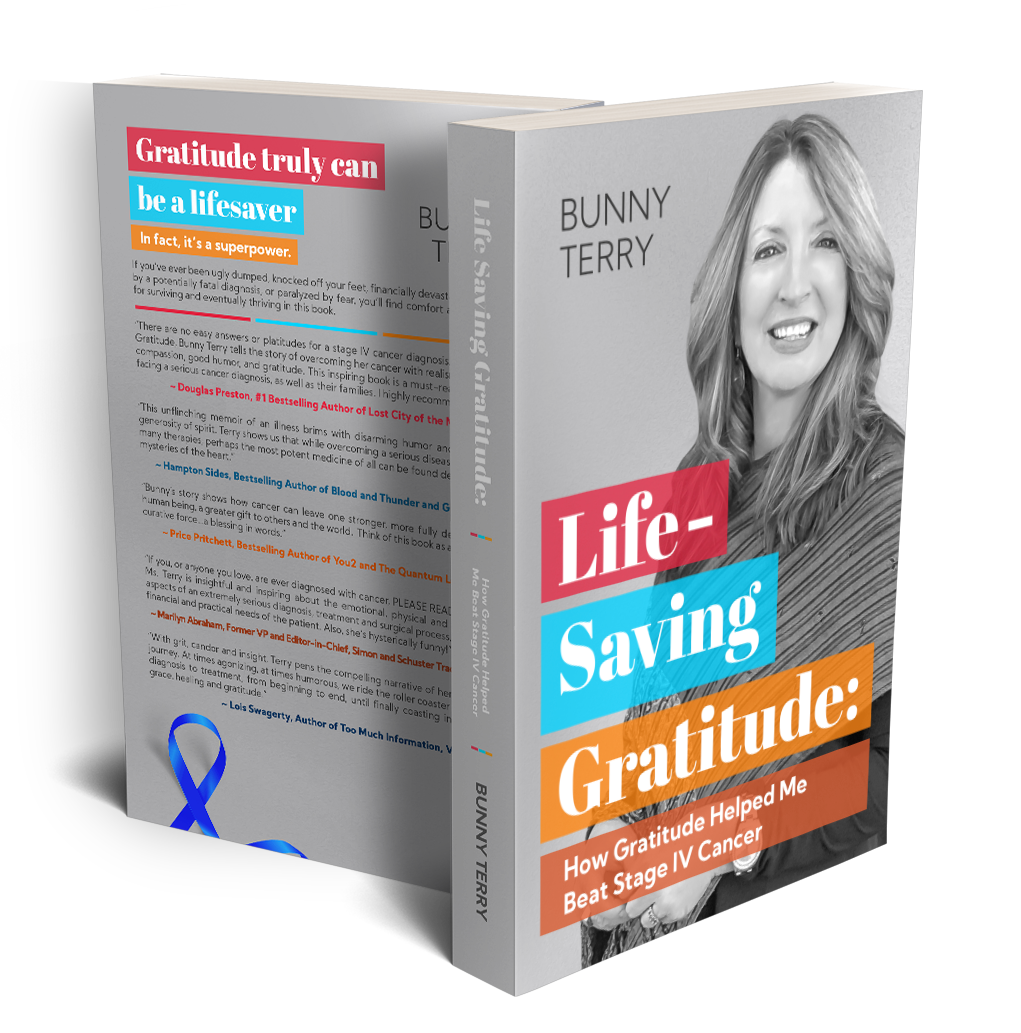
Buy Lifesaving Gratitude the book
Subscribe to Lifesaving Gratitude on your favorite podcasting platform





Featuring:
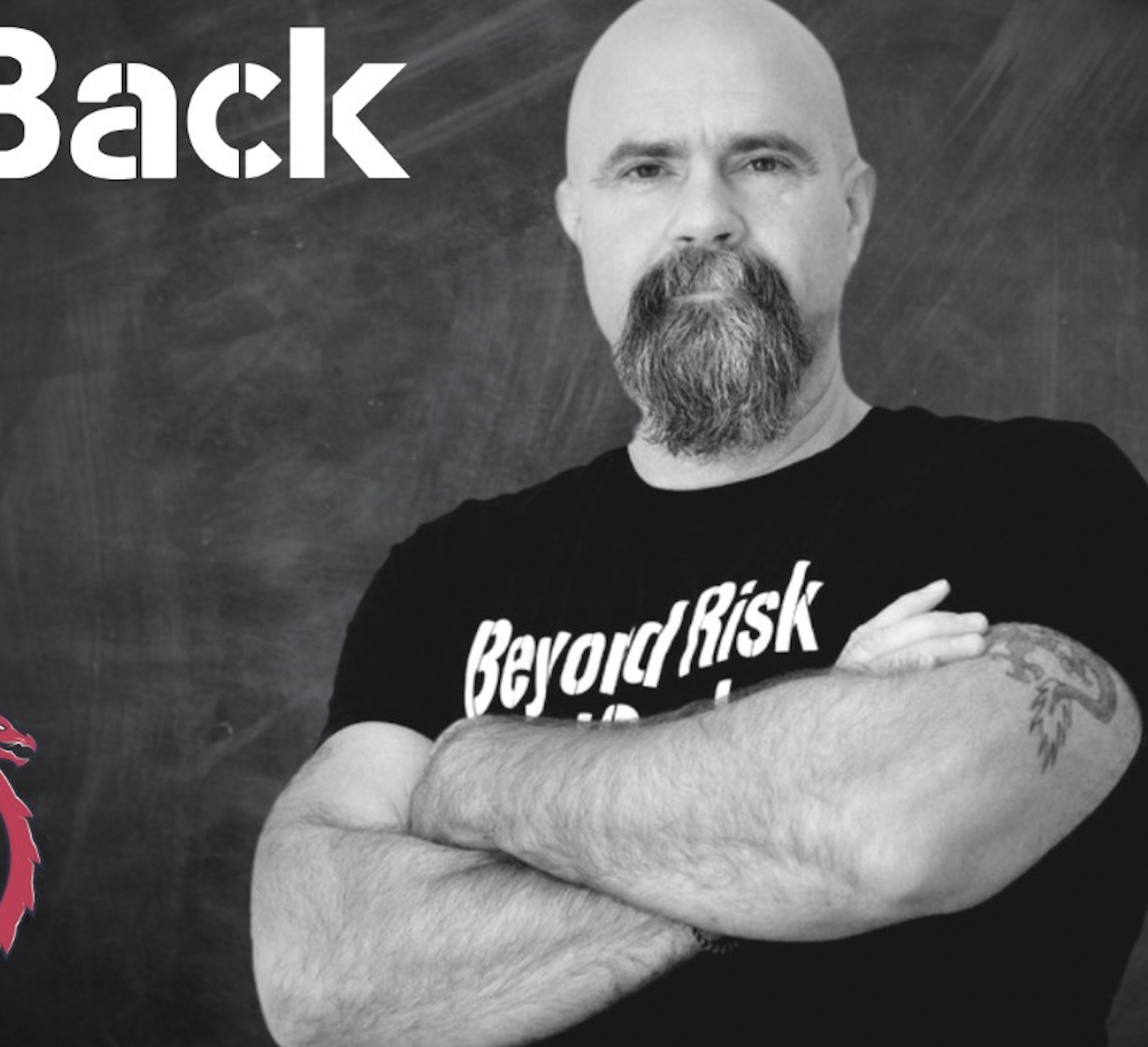
Aaron Huey
Aaron founded and ran a residential mental health, trauma and dependency treatment center for teens in Colorado. He is a parent interventionist (cause they need the intervention more than the teen), and a family coach. In addition, his podcast audience are parents of teenagers who are REALLY struggling. Not “dropping-grades-we-argue-too-much-they-broke-up-with-so-and-so” struggling, but REALLY struggling.
Episode Transcript
Bunny:
Hi there and welcome to the lifesaving gratitude podcast. This is Bunny, Terry. I’m with my co-host and producer Johanna Medina. And our guest today is a guy named Aaron Huey that we were introduced by a service called Podmatch. And I love it because we know a lot of amazing people, but Podmatch helps us find folks that are perhaps a surprise to our listeners, but an incredible help. Aaron founded and has run a residential, mental health, trauma, and dependency treatment center for teens in Colorado. He is a parent interventionists and he says, that’s because really parents need intervention more than teens do. And he’s a family coach, which , um, after I talked to a young parent that I know , um, somebody who has an adolescent at home, she said, oh, parent coaches are the answer to struggling with teenagers. But Aaron is really clear that , the people that he works with are parents of teenagers who are really struggling. These are not teenagers who are, you know , dropping grades. And we argue too much. They broke up with so-and-so, but really struggling like multiple suicides addictions trafficking, ODS, his, his niche market needs significant help. And he says I was , uh , an abandoned child. He , um, offers listeners step by step, really , um, actionable step that you can start using at home with your teenagers , um, at any these, these are tips that help you and your kids , um, change behaviors and, and come up with strategies that confront really tough stuff. And, and it’s, and he doesn’t just talk about teenagers that are in these high-level difficult times. He also gives you really good tips that, that all of our listeners could implement right now. I mean, what’d you think Johannah after listening to him ?
Johanna:
Yeah. Well, I mean, you said it all for sure, but , yeah, Aaron does… I think this is one of the more practical episodes, because I mean, Aaron’s really a pro – obviously he’s a pro in his field, but he is also a podcaster himself. So he knows how to get his message out there and make sure that, you know, it’s , it’s digestible for our audience. He also, his podcast is called beyond risk and back, I’m pretty sure , um, beyond risk and back, because, because as you were saying, the teens or the youth, however you want to put it, that he works with, they’re not at risk. Like that whole phrase that we like to put on kids sometimes, which I’m not the biggest fan of anyway, but he’s saying they’re beyond risks . Cause they’re , they’ve already kind of passed that threshold. Um, so yeah, they are, it’s, it’s some extreme cases, but he also does relate it to kind of any, any parenting and , and how to , um, you know, also have a lot of self care is a big thing is something that he is obviously big on. Like, you have to take care of yourself as a parent first, before you can take care of your child because you’re not, you know, as, as he says, and, and one of my favorite things to say is, you know, you can’t pour from an empty cup, so you have to take care of yourself first. And , um, yeah, I really loved hearing from him and I’m so glad that we found him because Erin is a great resource too . And , and we’ll provide all those links and resources to him , uh, and the description and on your website , uh, he has a new app coming out with his courses on it for parents and, and teens. Um, so yeah, he’s a really, really a great resource. And I think the two of you both talk about just different parenting styles, which , uh, you know, parenting wasn’t even, or parent wasn’t a verb like 20 years ago. So , uh , it’s very different now. And I think the way we look at it, it’s very different. And I just, Aaron has a lot of compassion for, for teens and kids. And, you know, he’s just makes it very clear, you know , kids are never the problem. It is a systemic family issue. If there’s something that a kid is struggling with, that it’s not their fault and they’re , they’re not the problem. So he , um , really works with the family system as a whole and especially the parents. So, yeah, I think it’s a really, really great episode and there’s a lot of good information in this one.
Bunny:
Well, and I’d say , um, stay through to the end because at the end he offers what seems to me they’re really the , the most practical tips for , um, anybody who’s a parent or a grandparent because , um, you know, some of our listeners are grandparents, but , um, you know…
Johanna:
Yeah. Caregivers of any kind, you know , whatever traditional sense of the word, but yeah, he does, he does always breaks things out. He’s very passionate about what he talks about and he, but he breaks it down into steps. Like here’s what you could do. So it’s very , relatable and practical. And I think something we can put into practice,
Bunny:
Right. So enjoy our episode with Aaron Huey and please like follow and subscribe to us wherever you listen to your favorite. And we love your reviews. Thank you so much at keep leaving them. Welcome to the lifesaving gratitude podcast. We are so excited today to visit with Aaron Huey. Aaron is I could read his entire bio. It’s inspiring. It’s exciting. But I think the most important thing for you to hear is that Aaron is in the business of, as I see it, Aaron, you’re saving lives, you’re intervening , with children and , and parents who , have significant issues, but you come from a place where you understand that better than anyone else. Tell my listeners, tell our listeners a little bit about who you are and where you are now.
Aaron:
Yeah, thank you. Uh, first there were dinosaurs and then the dinosaurs, no, I’ll , I’ll jump forward a little bit . I was abandoned by my biological father and , uh, bullied mercilessly growing up, diagnosed with ADHD in the seventies and started on Ritalin , uh, so way back in the day. Um, and I , uh, after I graduated by the skin of my teeth and the , uh , affection of a math teacher who gave me a D minus instead of an F I went to acting school and it was while I was out in Hollywood , uh , that I was sexually assaulted by a , uh, a best friend who had the same name as my biological father go figure that’s how deep the psyche goes. Right? Um, all of these things and w with, with beginning to experiment with drugs at age 12 , um, by the time I was 19, I was deep into daily use of drugs and any maladaptive coping strategy that was working at the time. I got sober after becoming a father and after being a husband , um, in 1998, on May 21st, 1998 had a moment of grace and gratitude on the side of a country road across from a little , uh, almost a picturesque little country church , uh, that was old and ramshackled and run down , um, and had , direct intimate communion with a divine source in that moment that allowed me to experience love and forgiveness the way I had always desired and never felt that I received, despite the fact that what I was seeking was seeking me the whole time, that, that process of recovery , um, as it wound up and I began living life on life’s terms , uh, in early 2003 and four, I was on Friday nights. I would drive around Boulder, Colorado , um, picking up , uh, teenagers who didn’t want to go party, but actually wanted to go to a meeting because there was no resources in Boulder, Colorado kids who didn’t want to use plenty of resources for kids who did. And that turned. And I was, at that time, I was running teen rites of passage programs. I had a martial arts school. I was running little kids’ camps, a warrior camp warrior , your goddess camp , superhero camp, ultimate family camp. And we finally just had a parent say, can my kid just come live with you? And my wife and I through consideration said, yes. She told her sister who told her best friend who called up and said, can my kid come live with you? And within a week we had six boys living with us and four and a list . Now at the time, I also had two young teenagers of my own. My teenagers are now , 25 and 26 years old. So I am a parent too. I am one of those teenagers who struggled. I started a home that turned into a residential treatment facility. And the biggest success of our treatment facility has come from the work that we’ve done with parents. We’ve done really cool stuff with kids. Over the years, we won top 50 health care provider in the United States in 2019. And in 2020, we won top innovator of healthcare in the United States, but it was our work with parents that really set us apart and cranked our success rate up to the highest in the world. And now on the I’m sorry, I said highest in the world. I’m sorry. I meant highest adolescent recovery treatment in the US that we can find we have an 89% success rate. However , we are now shutting our facility down , and focusing my work on intervening on parents when, when their teens are really at risk. And we mean really at risk, multiple ODS , suicide attempts, drug dependency, video game dependency, debilitating mental health, depression, anxiety, how can a parent change so that the child can change? Cause it has to go in that order. And that’s, that’s been our understanding since we began our work and it really did pay off, not just emotionally, but with families all over the United States.
Bunny:
Aaron , I want to take just a minute because I preparing for this podcast. I spent a lot of time looking at the , the website for fire mountain residential treatment center. And you are at the, you are , right at , the Rocky Rocky mountain state Nash. Tell, tell me that , tell me where you’re located. Let me get it right.
Aaron:
Yeah. Rocky mountain national park. We’re in Estes park, Colorado.
Bunny:
And so that you just told me when we signed on that, you’re having to rethink that because your fire insurance rates have gone up 2000%.
Aaron:
It’s unbelievable. We were, we were informed on August 27th , uh , that our fire insurance was going from a 20,000 a year to $470,000 a year. And it , it literally just put me out of business. I cannot run a child treatment facility on the property that I own because as this park has now been rated in the 98th percentile of fire danger. And I agree that to me, it’s been absolutely devastating. And I feel like being on your show right now , um, what has saved my life in the past month and a half, because this has been our mission, vision, passion purpose, my wife and I started this in our house. And it’s now this 40 acre facility in Estes park, Colorado with these awards in this town and the insurance company could give a crap and gave myself three days to mourn, to be angry, to cry, to, to, to, and then it was like okay, back to work. And what I am grateful for is the challenge and the opportunity , um, the, you know, God shuts , uh, shuts a door and opens a window. And my Pantheon, God shuts the door and you got to kick a hole in the wall, like were around for what will I do with my life? Because life has not stopped. And the need that parents have to save, their children has not stopped. So I was like, you get three days. Um, obviously I took her a month and a half, but like the three days to say, okay, for these next three days, you don’t have to do anything but cry. And now back to work, what’s your plan? What’s your strategy? What’s your business plan? What’s your marketing plan? What are you going to do next? And so right now, our focus is let’s transition these children in these families as safely and as powerfully as we can. And then we get focused on stage two of this work.
Bunny:
You know, I always want to be careful not because I , I have been accused of , of, of speaking some toxic positivity. And I always think, no, I’m just eternally optimistic that the opportunity to make a difference is always going to show up. Even when , in fact, last week, our guest , was a young man who is possibly in the final stages of his colon cancer. He’s 43 years old. And he said, I have learned not just to be gratitude, not to be grateful in darkness, but to be grateful for the darkness, because there is, there is an opportunity in that darkness somewhere. Sounds like that’s where you’ve been.
Aaron:
Yeah, you know, starting this business in 2009, we started the kids camps and everything in 2004, 2009, we started the sober home that became the treatment facility. And that was a leap of faith. And I left a business partnership. I was in because I saw need, and it felt like I was just being steered towards this thing. So we took the leap of faith, risked, everything, sacrificed, everything, my children sacrificed everything. And now what it feels like is I’m standing on this precipice, enjoying the view of our success and, the, the great God and goddess in there , infinite omnipotent wisdom shoved me off the cliff . And the question is, is that whether you go splat or whether you sprout wings and fly, both are that divine experience. And if I don’t look at it this way, all I will be able to see is the devil. That is the demon, the monster that is this insurance company who doesn’t give a crap how good we were doing. The fact that I have a fire road, a pond , a hydrant, two access points. My across the street neighbor is a Lieutenant in the fire department with a fire truck on his property. Like my tree- line is 150 yards away from my buildings that are cited in concrete, citing to protect it from fire. And it doesn’t matter. This phase is done. Now it’s time to move on to the next. And so I have to look at this and say, regardless of what I think of this, the warrior must attach to infinity and say, this is something that’s greater than I am. And I must find my role in it because otherwise I think I would come apart.
Bunny:
And that’s where we find ourselves a lot is it’s . In fact, I used when I was, when I was diagnosed with cancer and my dad would say, what are you grateful for? I would say , I feel like jumping off a cliff, dad, I don’t, I don’t feel like talking to you about what I’m grateful for him that that’s, that’s not where I am, and yet here we are. And so you, you and I talked before we came on the air that you are transitioning into , um, working with parents because it’s so important to find a , um, well, tell me, tell me about that. I mean, you’ve, you’ve worked with, with teenagers all this time and really dire , um, dire situations. I looked at the list of things you treated. I mean, it was, it w it went from depression to gender dysphoria to say suicidal ideation , and internet dependency. I thought I looked at your list and I thought, I don’t, I don’t know what else there is. You’ve been treating it all with great success.
Aaron:
With the highest success that we can find. Um, but , uh, but like I said before, I always have believed since we began that it was our intervention with parents, we never said, Hey, go ahead and drop your kid off. Uh , come, come pick them up. And about four months later , the children are not broken. Children’s behavior is the language of the family system. And the , the families who have found their way to meet us, to, to our work understood on the onset. This is a parent intervention process. This is a family recovery process. Do not identify, pay your child as a patient, do not identify your child is the problem. This family needs to go into recovery and everybody does their work. And everybody goes into the family behavior contract, and everybody goes and sees a therapist. And yes, your teenager, who is really struggling will be here at my facility, but the parents are going to go through the phases that the children have to go. The parents have to go through the therapy. The parents have to do the parent’s weekend. So for the past 20 years, I’ve been teaching parent weekends and parenting workshops. And now am releasing an app. Uh , the app is done, finished, available the website’s up. I’ll give you that information later about it’s 56 lessons, 56 sessions of everything I have ever taught parents. And 20 years of working with parents that I know works. At least it works for the parents. And that’s the part about this is that when we’re dealing with children who are beyond risk, not at risk at risk was three years ago. At risk was a year ago beyond risk. There there’s multiple suicide. The multiple ODS . This is they’ve stolen your car. And the last time you took their phone, cause you were angry. They called CPS on you and accuse you of abuse, that level of dysfunction . And at this point, we know that no change will take root in a household that hasn’t changed. You want your child to change. You change what your child did do differently. You do differently because there is not a lecture we could think of that our parents gave us when we were kids that changed our lives. Now one oratory, not one. They sat us down and they gave us what Ford we woke up the next day. And with jeez , my dad was right. I’m changing my ways and never happened. What happened was we did what they did or we did what they didn’t do. And we learned based on their action or inaction. And until parents understand that change, that no child is broken, that they are responding to systemic failures, neurological, or environmental that the parents are in charge of systems. Adults are in charge of systems, not children. And so we have to, as parents, my job now is to say, okay, I know what works with kids. And I know what works with parents. And if we don’t start with the parents, we’ll have to finish with the kids. So let’s start with the parents and really start with the parents. Let’s intervene there.
Bunny:
I have to imagine you get some real pushback sometimes from parents who say, no, no, no, no, no. Do you not? Or are they so far gone at that point that.
Aaron:
I refuse to work with those parents. I mean, I absolutely, if you and I sat and I say this with all the love and understanding of any struggle, you go through, Hey, your kid’s got borderline personality disorder or is on the autistic spectrum. And they were born this way or yours, your , uh, uh, the child’s other parent died, or I will not. And I refused to look at any child as being the source of the problem. And now it may be neurological. It might be something the brain chemistry’s off. The brain’s not functioning well. But even in that case, the adult has to set the foundation of change so that any change the child makes can route somewhere healthy. So, no, I don’t get pushback , but by plus I can push harder than anybody else. I have too many years of seeing the truth and , and I used to run a martial arts school. So no one to fight me. No, I kidding. I know it’s not. It really is. I know that if the parents are listening to my podcast or showing up on my Facebook, my private Facebook group, or signing up for my app, they know that they need to make some changes to and are willing to look at that. And that’s how I know that the family is going to be successful. That’s how I know.
Bunny:
So first step, I mean, let’s this at its simplest. Because we did a podcast. Our second podcast was with a woman whose child died of suicide at 13. And she spoke freely about it because she said, I want, I never want another parent to feel the way that I felt. I’m happy to talk about this any day of the week. So, I mean, I suspect the first step is identifying an issue, but it sounds to me like when you talk to parents, they, they know what the issues are already.
Aaron:
Oh, they haven’t slept. They haven’t eaten. They’re not drinking enough water. They’re not moving their bodies, their , their stress, anger, fear, frustration, parenting ladylike . They are caught up in the child’s , uh, results. And step one first and foremost of all time. And of all things is take care of yourself. Now you have to survive. Even if your child doesn’t, you have , and that starts with self care and it starts with one or five of five things sleep. The food has to be nutritious. Are you drinking enough water? That’s three. Number four is, are you moving your body? And five is, are you breathing on purpose? You cannot be accidentally successful. You cannot accidentally do good parenting. It is an intentional process. And self care is no different. If you want your child to do their best, you must give the best of you to your child. And if you haven’t slept because they snuck out. If you, if you’re not eating well, because you skip lunch again, because you were on the phone with the principal again, then you have to stop and eat some food. And it has to be nutrition it to feed you. Otherwise, you’re going to set up your own addictive patterns. You’ll have to drink enough water. The moment we stopped drinking enough water, our body dominoes , the moment we are not moving our body. And we have aches and pains and we feel the aches and pains. And pretty soon it hurts too much to move, but it moves too much to hurt. And we just, it’s just, it becomes this vicious cycle and breathing on purpose. Really? Even if that’s just one second, one thing a day that you do on purpose for self care , doesn’t mean you have to go find a cave somewhere and meditate for 10 hours and try to think of nothing. That’s an idealized version of something that we’re not going to achieve. So we set that up as a failure and say, why bother? I’m talking about right now, parents who are listening and it’s overwhelming. Take a breath on purpose right now and pay attention right now, do it. That’s self-care , that’s all. That is a self-care that’s number one. Number two is adult relationship care. What your guests was talking about with her child to get to the point where you can lose a child and then be out there on a show and say, ask me anything. I’m willing to say anything. She’s out there killing the secret. She’s destroying the stigma. And she is nurturing her adult relationships so that somebody can come to her and say, oh my God. And she can go, right, me too. And they can go, right? And now you’re nurturing an adult relationship where you can have those massive adult sized emotions of fear and stress and not have that be your parenting paradigm for your child. And what I mean by that is we tend to parent our child emotionally. We, tend when we’re angry, we yell and when we’re scared, it comes through in our voice. And the strongest nervous system in the home will win. And an angry, scared stress fatigued parent does not have the strongest nervous system in the room the screaming child does. And that’s why we lose our homes to these screaming children. So with number one, and number two are in play. I take care of myself first. Then I nurture my adult relationships. Second, that can be my parenting partner or a support group that can be a friend I call or someone I talked to in a bookstore and go, you’re reading a book on self-help. What am I missing? And that’s nurturing your adult relationships. And then third, now you can go take care of your kids because if you do one and two, whatever you do in three is gonna work better than it was before.
Bunny:
That’s so interesting. I raised my kids in an old-fashioned manner. I had a cousin who said to me, you better raise kids that you’re going to like as adults. And I thought that was the best advice she had these great kids who were about 10 years older than mine. And she said, it feels to me like our only job is to raise kids. We need to keep them safe. But our only job is to raise them so that they’re prepared to leave us and become adults that will like, and you know, who will contribute all that other, all that other stuff that we say. But , um, I also read John Rosemont, who said, if you don’t have a storehouse of your own, you can’t supply anything to your kids. So what you just said about taking care of yourself and about having strong adult relationships resonates with what I learned early on, which is you single moms who think you’re sacrificing yourself so that your kids will be happy. No, no, no, no, no, no. You got to take care of yourself first. So I, I love that seems to work.
Aaron:
I mean, how do we take care of our children? If we have no one taking care of us now, that’s, that’s the first thing. If we want to give our best to our children, it has to come from the best space, not from good intentions, but from good actions, right. Actions, right. Right Actions are self-care.
Bunny:
I’m writing that down, not from good intentions, but good actions. Yes.
Aaron:
I love, I love that one. How can you, how can you supply your children with anything from an empty warehouse? You know, cause we always hear the , put on your own oxygen mask before you assist others. A metaphor. The one that really hammered me years ago was hearing, how do you give someone a drink from an empty cup? You know, there’s this, how do we nurture someone from an un-nurtured space? How does a wounded healer heal? How does you can go around a thousand times? But at the end of the day, as a parent coach, as a parent trainer, I care less what you do and more how you do it. Cause I get those questions all the time. You know, my kid’s doing a, B and C, should I take their phone? I don’t care. I care that when you do it, it’s coming from a really powerful space, not a forceful space of fatigue and fury. Transparency is the new tough love. You, you want your children to really be shaken by your experience of them. Then actually be able to communicate in a really healthy, mature way. What your experience has been. That’s transparency, clear communication. Transparency looks like, Hey, last night, when I came into your room to check on you and you were gone and it was one 30 in the morning, I panicked, I freaked out. I was so scared. I called the police. Then I called my coach and we talked through it for a few hours. I’m glad to see that. You’re back. I’m glad to see that. You’re okay. We’ll talk about what happened last night and the consequences in a few days when I’m really not going through what I’m going through right now, because what I’m going through right now is not going to make for healthy parenting or consequences. So I’ll get back to you in a few days. I love you. And I hope you try some other strategies in the future. And to be in that space means you’ve done a lot of work. But when you’re able to talk about what makes you angry from a space like that, I’m not saying don’t be angry. I’m just saying don’t consider anger as a punishment. Don’t consider anger as a consequence. Stop thinking your anger is leverage. That’s emotional manipulation. Now you are so angry because your child is making extremely risky decisions. And it’s devastating. The whole family. No doubt, no doubt. You’re that angry? No, no doubt. You’re furious. No doubt. You have considered everything, tried most things and feel like you have nowhere else to turn. But that doesn’t mean that right now is a good time to go be a parent right now is a good time for you to take a breath, get a glass of water and do both those things on purpose right now is a good time for you to go on Facebook and find a parenting group and ask a question and wait a couple of days for some answers. And if that doesn’t work, ask another question, you’ve got time and you have to take care of yourself and you have to resource before you parent.
Bunny:
I read something in a blog post that you had , uh , the , the Bruce Lee quote that says “Patience is not passive. In fact, it is concentrated strength.” And that sounds like what you’re talking about, right?
Aaron:
It is. When, when you watch Brazilian jujitsu practitioners who I’m very fond of, a nd I study a form of Kung Fu, that i s a very soft, harsh style that, you know, you’re, y ou’re breaking bones a nd y ou’re paralyzing limbs and stuff like that with very little to no effort. U m, because they say, if you break a sweat, you’re doing it wrong. And they say that a n Ikea. U m, and what I love about watching Brazilian jujitsu practitioners is that when they’re rolling on the ground, i n t he w restle a nd down there, they relax and t hey, they take time and they’ll, they’ll anchor in and they’ll hold on. And then they’ll consider their next move and they’ll pay attention to what their opponents doing and they’ll feel it. And they’ll really experience that moment of conflict before they take action, rather than just reacting to it. Wait, we have a saying that the lizard, the limbic brain, the lizard brain, the survival brain, r ight? Right. A lizard as a species only does five things, fight flight, freeze, faint, f ornicate, and feed. That is a l izard’s life. Well, that’s your brain a nd survival mode. That’s what you’re capable of doing. And any one of those things can be a coping strategy of survival or a maladaptive coping strategy of survival, but all of i t’s survival. C ause that’s literally all the limbic brain is designed for. So from that space, you can parent through a c ondition process. You automatically react. It’s b ehaviorally based. It’s conditioned and it’s conditioning. You, it digs the hole deeper and it sets up expectations of others, a B, C, D E automatic behavior conditioning. And it’s conditioned. It means you’ve always done it like this. And you’re, you’re g oing t o keep doing it because every time you do it, you dig the hole deeper. And the only thing you’re left with is saying, well, if they would change, I would be happy. I want you to think of parenting like water, running down a mountain. It’s going to find the fastest path to the bottom. And every time it finds that same path, it digs that path deeper. And it reinforces the path. Your neuro-transmitters are the exact same thing. You’re literally linking to points in your brain of this happens. I do this, this happens. I do this. And it’s automatic. Behaviourally based. They do this. I get angry. And every time I repeat that, I’m conditioning myself to do it like that. Again, the only way to break that is to not be in survival parenting. The only way to not being survival parenting is to come out of survival. Easier said than done Aaron , because my child is suicidal. I know I’ve worked with suicidal kids for 20 years. Now. It still doesn’t change. I know it’s easier said than done, and I wish I could let you off the hook, but I can’t. You have to deal with this. You have to deal with the trauma of the fact that your child has tried to kill themselves. You have to deal with that trauma because trauma is keeping you in survival. And it’s keeping your parenting paradigm in a repetitive process. So you have to break the dance step. My child does this and I do this and they do this. And I say this and repeat, it has to become, my child does this. And I do something new. And the job goes, hang on, hang on, hang on, wait. What happened to oral dance step? Now what that new thing is, could be a thousand things. As long as it’s conscious and it’ll work better than your unconscious survival parenting tactic. That’s hard for parents to hear because every parent is just trying to do their best and work with what they’ve got. No parent is to blame. This is not codependency or enabling. Oh, you’re enabling your child. I hate that. I hate that conversation. What a terrible thing for a mental health professional to say to a parent, who’s terrified of losing their kid. Well, every time you do that, you’re in a codependent relationship. You know what F-off like, you’re like, that’s terrible to say, you know what it is? It’s pro dependency. You are doing anything and everything in your power and wheelhouse to keep your kid alive. So from this point, let’s make some changes.
Bunny:
I have always, because I’ve been in relationships with people who had issues with alcohol, I’ve disliked that entire idea of enabling and codependency, because I thought, you know, sometimes you’re just attempting to be a good, decent person who provides them with some power to get better. You may be doing it incorrectly, but just the term codependency and enabling gets my ire up because I’ve been in those places.
Aaron:
I have worked with parents who have bought their children’s heroin for them. And , and , and, and to say, what was your reasoning behind it? I didn’t want them to go out on the street and buy it themselves because I know what could happen out there, like okay. Let’s work with that. Because you’re literally talking about life and death and when life and death and life and limb come on the line, there are no rules. You do what you have to do to survive. Now, once you’ve survived that moment now, what now? No what? You get out of survival mode. Because if you live in survival mode, then all you can do is fight flight, freeze, faint, fornicating feed . That’s all you can do in survival mode. So you have to come out of that, whether you’re on the receiving end of the trauma or the, the experiential end of watching someone else being traumatized. Parents whose teens are struggling are traumatized. I’ve not met one teen ever in 20 years who was addicted to drugs or video games or self-harm , or even suicide as a, as a concept of addiction. I can explain that later if you want, but I’ve seen it. I’ve never met a child nor a parent caught up in addiction who wasn’t traumatized, not one, not one ever. So we’re dealing with trauma. This work is about trauma. The gateway is trauma.
Bunny:
And so what does parenting outside of survival look like in really practical terms,
Aaron:
Let’s go through those five, again, the ABCD and E because for the lizard, a is automatic. Knee-jerk instantaneous reaction, the flinch factor or the let’s call it the wizard parent , right? Lizard wizard. That’s our playbook strategy . And I have lots of videos on this wizard playbook, cause there’s also a warrior playbook and a Bard playbook and adjuster playbook, because there are different types of parents, but let’s just talk about wizard a is awareness. Are you aware of what’s actually going on for you now with your kid, your kids smoked pot at school, they busted him, searched his bag. He’s got six bags of weed in there. So obviously he’s dealing, he’s been arrested by the resource offer. You got to come down, he’s getting minor in possession with a potential felony charged for distribution. You’re aware of what your kid’s doing. Gotcha. What are you doing? How are you doing? What’s going on for you? What’s your awareness really? Like where do you feel that experience in your body a is awareness? It’s the first thing? Not just I’m aware. There’s a problem. No, no. We’re all aware. There’s a problem. The whole school’s aware that your family has a problem, but are you aware of how that problem affects you? That when the phone rings and you’re at work, how your heart rate jumps, are you aware of the fact that when you want to go talk to your kid or check on them, that you feel nervous and you feel your nervous system start to shake and shimmy. What is awareness awareness as a full body rapport experience? And then B , we move to balance. We find through awareness where our bodies are out of sync with itself. Holy crap. I got to have a hard conversation later today, and I’m not looking forward to that. I got a feeling in my belly of stress, tightened my throat. My brain’s been going crazy all day. That’s my awareness be as balanced. Okay? I’m feeling all this. What am I missing? Have I moved my body? Am I drinking enough water? Have I, did I sleep well last night? Am I, did I eat a healthy meal? Am I taking a minute to breathe on purpose? Because any of those five things done on purpose can start to reestablish your equilibrium, your balance. It’s just taking that minute to go. Holy crap. I am scared. I am pissed. I am so tired. That was a bad breath. Let’s do it again. And just that part. Now you’re in self-care mode and you are putting your prefrontal cortex back online . Your third, your C, A is aware be as balanced. C is connection before correction. Are you really connected here? Are you connected to the situation? Not just by proxy of being a parent. Do you understand why they made the risky decision? Don’t tell me it’s a bad choice, bill lest . I tell you you’re making bad parenting choices and set up an oppositional power struggle between us. It’s a risky choice. We make good parenting decisions and we make risky ones. Children make good decisions and risky ones because we’re all just working with what we’ve got. Right? And we’re all just trying to get needs met through every single decision we make ever. Are you connected to what that is? Safety, power, connection, freedom worth. Those are the five human needs. So are you connected? Do you know which one’s taking place here in you? Not your kid. We’re not even talking about your kid yet. This is all internal Mimi, Mimi, Mimi, me work not you. You, you, you it’s, mirror’s not finger’s time. Still. D is when we talk about the child, a B and C awareness balance, connection, awareness, balance connection. Then we can transition that C into correction and D decide what we’re going to do, but I’m not to decide what I’m going to do for the kid until I’ve gone through an ABC process. D I’m going to decide on the tool to use, decide on the consequence, decide on the conversation, or decide not to decide to delay whatever I want to decide. Next. At least this decision is coming from my prefrontal cortex, my wizard brain. And it might’ve taken three days for me to get through my ABCs . I may only have three minutes, but I do that work first. And then I, D-decide. And then E I do the best work of a wizard an engineer, a scientist, a lawyer, a doctor, I Evaluate the outcome. Did that work? What could I do differently? How could I’ve said that differently? Ooh. I don’t like the way I did that. I better call my coach. Hey, I said it like this. Well, that’s not bad. The way I look at it as you were doing this, okay, that’s a different evaluation than mine. And we do an evaluation process. We research our tactics as a parent. Do I have to take the time to do this? When my kid is in survival mode right now? Yes, you do. And I will say to every parent listening, ’cause I hear this question all the time, especially when we get into the life and limb around suicide. Is it just a cry for help? Yes, it is. Listen, listen and call 9 1 1 and take them to the hospital and let someone who’s not directly involved in your paradigm. Make a decision for you because that is way traumatizing to hear your child say, I don’t want to live anymore. I don’t want to do this anymore. So that’s the a , B , C , D, and E of the wizard brain awareness balance connection. Before correction decide on the tool, evaluate the outcome.
Bunny:
I want us to repeat that one more time. That if you’re in a space where your child is in true danger life and limb, you have to, you have, you have to call some, you have to get some help, it is a cry for help. You have to pay attention.
Aaron:
Whether it’s suicide, whether it’s OD-ing, whether or not the child is just talking out of control. And you’re like , this is, this is they’re in danger . That is your trigger to fire yourself as the decision maker and call in the professionals. Now , there, I know there’s a lot of fear around sometimes calling the police when your child’s having a mental health struggle. You make sure parents that if you’re calling 9 1, 1, because of a mental health crisis, that you are saying, those words in the recording, I have a mental health crisis with my child, threatening themselves. They are not in a space that they’re not listening to my words, and I am afraid they are going to hurt themselves or someone else. I need a mental health professional, or an officer trained in mental health intervention that your district may not have it, but you’ll use those words, mental health over and over and over. And I promise you you’ll get…. Well, I can’t promise you because everybody’s human, right? But you are creating an environment where they are going to repeat what you said, that there’s a mental health crisis taking place, not a violent crisis, a mental health crisis can’t guarantee that police officers are always going to handle it perfectly, but let’s be honest. Neither do parents, priests, teachers. We all struggle when it’s a life and limb moment when life and limb moments and this we call the 99 in one. This is one of the strategies I teach in , in the parenting courses. The 99 in one, you have to practice these parenting techniques when things are going good. Legally , when things are going good, we rest on our laurels, right? We take that Laurel crown and say, I got it. I’m good. That’s when the Senate overthrows the government is when we’re resting on our laurels. That’s when you practice all the techniques of the family behavior contract and the you’re, the M V E E’s and the N V CS and the front loads and the, all this stuff that we teach, the damaging admissions, all these tactics, we teach have to be practice 99% of the time, because that 1% of the time that it goes to true life and limb emergency act. Now you will do what you’re conditioned to do, and you will be conditioned to do what you’ve always practiced to do. And you will do that 1% of the time, what you’ve done the other 99% of the time . Nobody can expect that they’re going to do great things in a moment of crisis. If all of you’ve practiced is whatever you’ve always practiced. So you have to change the daily paradigm.
Bunny:
And let’s talk about that. I mean, what’s the daily, if you’re, if you are determined to , keep your children from ending up in these crisis situations, what’s that 99%. What’s that? How does that look?
Aaron:
Yeah, it’s perfect because that now we can talk about two things. So I’m assuming the first one is we’re talking about when your kids are doing well, what do I do to keep them from going into at-risk behavior ? So let’s start with that. Let’s start there. There are five things you can do. Number one, family dinners. It is proven by Harvard. It’s proven by Stanford. Sit down, eat your food, no TV, no electronics. Have a meal together. Preferably one that people shared in the cooking and cleaning duties, but have a meal with no distractions, family connection, time Alliance before compliance connection before correction, that’s number one, top proven thing to prevent risky choices, family dinner, number two, parents, knowing their kids, friends, parents. I just wrote up a quote today on my parenting group, Facebook page, a child that is not embraced by a village. Will burn the village down to feel its warmth. You and I come from a time where I remember, I remember breaking a bottle in the street. I found a beer bottle sitting on the side of the road. I threw it up in the air. I was 13 years old, threw it up in the air, came down and broke, the houses on my block. Emptied people , scolded me. Somebody came out with a dust- pan and a broom. And by the time I got home, my mom knew. Because we all knew each other. And if you see the size of our houses and the size of our fences, that we’re going to build these big houses next door to each other, and then bid big fences to keep us apart. Which isn’t , which is that, are we sharing this neighborhood? Are we sharing this work? Because we all say it takes a village, but very few people actually are the village elders that get out there and say, Hey, you got a lot of kids on this block. Let’s make some plans to keep them safe and take on that work. So that’s number two, the village concept, friends, parents, knowing their kids , friends , parents, you got to know who your kids are talking to online. Do the work take the time. Number three is something for your children to do between three o’clock and seven o’clock. Those are the, I dunno , what do we call them? The devil times and idle hands do the devil’s work right now. I know parents. I know we don’t all have the finances for it. We don’t all have the resources for it. And parents got to work to pay their mortgage, but between three o’clock and seven o’clock between school and dinner, what is your child doing? Who is parenting, mentoring your child? It’s either the internet or it’s someone that you’ve put in charge. So find that person, vet them and find that person. Number four, the real honest to goodness, the real education for parents to teach the kids about what goes on in the brain with mental health and addiction. And for me, addiction means habituated behavior that messes up your life. I don’t care what it is. Shopping – malls are not addictive, but shopping is an addiction. Slot machines are not addictive, but gambling is an addiction. Razorblades are not addictive, but cutting is an addiction. And to really understand what’s going on in your child’s brain developmentally, when they smoke cannabis, I’m not the BS dare tactics or the scare tactics of, that , that old , uh , documentary that was put out God awful. Many years ago, I’m talking about, do you know what a non demise is? Do you know what a neuromodulator is? So you know how the molecule of THC copies a non demise and keep your child’s developing brain from developing a numb demise and how that creates depression and anxiety in a child’s brain, no marijuana, I’m sorry. Cannabis is not deadly, but it does damage. And for you to deny, that means you don’t understand it. And I’ve been studying it. And I was a cannabis addict. Was I addicted to cannabis? Yes. Is cannabis addictive? I don’t care. That’s irrelevant. I was addicted to cannabis, but knowing what cannabis has done to my body, knowing what cannabis did to my developing brain, I use cannabis for 14 years for on the daily. I was a dealer. I was a grower. I know everything about cannabis, including what it really does to the brain, not the 14 million Google searches. Your kid’s going to bring to you and say it doesn’t do anything. And then of course, the fifth. The fifth thing to do is self care. You, you , the best thing about self care , and this is what I’ll say. The best thing about self care is understanding that through all the years of practicing self care , my wife and I practicing self care . Now that my kids are 25 and 26 years old, when times get tough, that’s what they go to is self care. My son will get stressed. I’ll go skateboarding. My daughter will get stressed. She’ll go hiking. They practice self care . That’s what that modeled. Take care of yourself. First, when life’s not taking care of you or somebody is not taking care of you , the school’s not taking care of you. Your employer’s not taking care of you. You’ve got to do it. That’s number five. Number, number five is as always self care, taking care of yourself first. It’s what you model and ultimately it’s what your kids will do, which is what we want them to do in the first place.
Bunny:
Aaron, we could talk about this for hours. Seems like every time I do a podcast, I say we could talk about this for hours, but I want to , I you’ve said some amazing things. I love that transparency is the new tough love. And um, and you also said in one of your blog posts that you choose choosing you choose love no matter what. And I just think those are such important things for parents to hear that you don’t react in anger. You take some time, take care of yourself first, but I we’ve really got to give people a way to find you. I mean, you’ve got a Facebook group, you’ve got a YouTube channel. As I understand it. How can parents, whether they’re in high trauma or low wherever their kids are, I want them to be able to find you. And I want you to promise to come back again so that we can talk some more about what you’re doing to help families. I’m so inspired. I’m, you know, I feel like I got my kids raised by the skin of my teeth, but I came from a place where we, you know, I like you. I grew up in a neighborhood where if I had broken a bottle in the street, I , everybody would have been in trouble, every kid on the block. So , tell us what you’re providing that our listeners can hook into right now.
Aaron:
Yeah. Thanks . Thanks so much for the opportunity to talk about resources that I have for parents. First and foremost, I have a free support group on Facebook called parenting teens that struggle. It is a private group. It’s moderated by me. And , uh, this is where parents can get their questions answered , not just by me, but by other parents who are going through exactly what you’re going through. It’s parenting teens that struggle. And from there, I also post all my podcasts, all the videos that I do. And it’s also where I post a link to attend a call every Monday night at seven o’clock mountain time, just to have a live Q and A to, listen and hear and support parents who are really going through it. And then of course my podcast Beyond Risk and Back, I’ve got over 230 episodes with some of the world’s top experts on adolescent development, addiction, dependency , the self-harm , uh, mental health issues, behavioral issues. And it really is designed to get what the experts know directly into the parent’s hands. Uh, and I’ve been really privileged over the past few years to have some of the most amazing guests on that show I’ve learned from them. And I know my audience has to also, if parents go to a website called brabapp.com, B R a B a P p.com, I have a 56 session parents training course. And this is, this is for parents who are their families are in the red, like a stoplight, right? Everything is full stop. Every things are not working. It is dysfunctional. Nothing’s going anywhere. These kids are beyond risk. And then there’s the yellow courses, which are the, the warning light, the slow downlight the, this is the at risk . This is the kids are making risky decisions and they could go red . But we also know they’re still hanging on to some green and we want to get them green. And then of course the green course, which are things are good, but, you know, they could be great. You know, this kid’s a world changer. And with some minor parenting changes, this kid could really change trajectory from having good grades, having a good teen experience to having a world changing teen experience. So that’s the app that I sell and you get all three courses , uh, the prices unbelievably affordable, cause I really want parents to have full access to this. So that’s Brabapp.com B R A B A P P.com.
Bunny:
Thanks again, Aaron for joining us. And I hope we can get you back because this has been one of, one of the most practical podcasts we’ve ever done. Thank you so much for being here.

About the Podcast
Gratitude is a superpower. It can transform—and even save—your life. Author and activist Bunny Terry discovered the life-saving power of gratitude when she survived Stage IV colon cancer. She interviews a wide variety of guests who have also used the art and science of gratitude to survive, and thrive, in their own lives.
Recent Episodes

I Love New Mexico Teachers: Bunny Terry
About the Episode: Summer is coming to an end and a new school year is...

I Love New Mexico Food: Kirk Muncrief of AlbuKirky Seasonings
About the Episode: In New Mexico you know we love food AND we love spicy...

100th Episode Recap: Bunny & Johanna
About the Episode: The I Love New Mexico podcast has made it to 100...
About the Episode:
Can gratitude help you to become a . . . better marketer or realtor? It might sound like a strange pairing, but it’s worked wonders for Craig Cunningham, a Sante Fe-based realtor, 30-year veteran in the hotel business, and founder of the marketing firm Cunningham + Colleagues. In this interview, Craig shares what he’s learned about using the power of gratitude to build a successful career in marketing, customer service, and sales and get him through his own battle with cancer.
Resources mentioned in the episode:
- Bunny’s Website
- Lifesaving Gratitude: How Gratitude Helped Me Beat Stage IV Cancer by Bunny Terry
- Cunningham + Colleagues marketing firm website
- Sante Fe Kitchen Angels
- How to Win Friends and Influence People by Dale Carnegie
- Craig’s Blog: Santa Fe Scenes
Subscribe to Lifesaving Gratitude on your favorite podcasting platform

Featuring:
Craig Cunningham
Thanks to a career in the hotel business, Craig Cunningham has traveled extensively throughout the world and now calls Santa Fe home. As an enthusiastic observer of cultures, traditions and history, Craig enjoys sharing all things Santa Fean and New Mexican.
Bunny met Craig as a fellow realtor at Keller Williams in Santa Fe. Craig’s experience as a hotelier and his expertise in sales and marketing gives him a unique perspective on customer service. Craig knows just how valuable it is to show gratitude toward his clients and colleagues.
He writes regularly about Santa Fe on his blog, Santa Fe Scenes.
Episode Transcript
Bunny: Hi everyone. This is Bunny with the Lifesaving Gratitude podcast. Just in case you don’t know me, I am a stage four colon cancer survivor and the author of Lifesaving Gratitude, which is a book about how gratitude helped me kick cancer’s ass.
Today we’re going to talk to a special guest about how marketing and marketers can use gratitude to create business and connections with clients and also for themselves to create a really positive way to do their job. But first, I just want to thank you for being here and ask that you download the podcast if you’d like. And certainly subscribe wherever you listen to other podcasts. But enough about me and enough about the podcast.
I want to introduce you to my special guest, who’s also a friend. Craig Cunningham is currently a realtor with Keller Williams, Santa Fe. And that’s how I met him. However, this is a recent career for him and he was, and correct me if I mispronounce the word, but you were a hotelier. Is that the way to say that?
Craig: Yes.
Bunny: Yes. He’s spent 30 years in corporate sales and marketing. He’s traveled extensively. I’m going to let him tell you all the places that he’s been to, but he is the founder and principal of Cunningham + Colleagues marketing consultants. He was in the past the VP of marketing and quality for Seaport Hotels and World Centers and the VP of marketing for Core North America. So welcome Craig Cunningham.
Craig: Thanks so much for having me on your podcast.
Bunny: I’m excited. I know you have some great tips for all of our listeners. When I think about these podcasts, I always think about the people that are going to want the information we’re offering. I mean, we’re here to help people and we’re here to figure out how gratitude can make everyone’s life not just easier and simpler, but also fuller. So why don’t you start, Greg? Just tell us a little bit about yourself. Tell us how in the world you ended up in this completely different career? And yet the truth is we’re still just marketers first and realtors, second. Tell me a little bit about yourself. Tell our listeners.
Craig: Yeah. So, as you said, I’ve been in marketing and sales for more than 30 years. I actually started off with an advertising and PR agency and then had the good fortune to be hired by my hotel client at the time, Wyndham hotels. At that time it was a North American chain and it’s now international.
But from then on, I was in the hotel business. It’s definitely a career where if you are not focused on client service and the whole concept of gratitude, you’re not going to be successful. I always thought of our job as just surprising and delighting our guests and making them feel like they chose the right hotel to be with. And so it was always about waking up every day and saying, “What can I do to make somebody’s day and to give them a great experience?” And, of course, to do this you have to be grateful because they opted to choose your hotel over the million other choices that they had.
So when I retired from the hotel business two years ago, I was trying to figure out what else I wanted to do with my life. I started doing more volunteering. I volunteer with Kitchen Angels here in Santa Fe to deliver meals to people who are not able to leave their homes. But I also started thinking of whether I wanted to do something else from a professional standpoint and the real estate business seemed like a natural extension, because it’s all about client service. You have to figure out ways to make people feel like they’ve made the right choice in working with you. So it’s all about being grateful every day and figuring out what can I do to help them today. How else can I extend what I’m doing for them in a way that they will appreciate and know that I appreciate them. So that’s what it’s really all about, because of course they could work with a million other other people
Bunny: Right. And let’s talk for just a second. Don’t you think that marketing has changed over the 30 years that you’ve been doing this? I mean, it seems to me that when we were kids, which was back before the crust cooled, we were sort of marketed at. Just talk for a minute about how marketing is different now than it was 10 years ago or 30 years ago.
Craig: It’s funny, because I was going to say the exact same thing. Back in the day, you were running a TV ad or a radio spot or a print ad and it was passive in that you just presented the information, unless you were direct sales. But really with the advent of so much digital media, you are instantly able to forge a relationship with customers through social media, through Facebook, Instagram, where you’re having a dialogue with them from the very beginning. This allows you to work in a much more personal way and to be able to find out much more quickly how you can serve those people.
So I think it’s changed completely. Before you just sort of put it out there into the ether and hope that something worked, and now you’re able to engage. And I’ve found that so much in real estate where I’m getting emails from folks and then it evolves from the email into a phone call or a zoom call or something like that instantly. I think that’s so much better for both people. Especially for somebody like me who wants to find ways to engage with people and to be of service to them, it makes it a lot easier and more rewarding.
Bunny: I just think about the ways that I connect with my clients. It’s as if you’re somehow conveying to those people that you’re grateful that they showed up.
Craig: Yeah, exactly. I mean, my whole thought is that it’s not a transaction, it’s a relationship. And that relationship can be multifaceted. Once you’ve sold them a house or sold their house, I like to think that we’ve formed a friendship and a bond and that relationship is going to continue. And honestly, I don’t even care if I ever get another piece of business for them. Now think of them as friends. I want to have them to my house for dinner or go have coffee or something like that.
I think that kind of thing that makes a difference for people in wanting to work with me. It’s coming from a position of wanting to be of service to them and wanting to make them happy and finding the right solution for them. I’m working with some first-time-buyers right now and I kind of feel like they’re my kids. It’s about, okay, how can I really help them with this? And they’re grateful for the counsel I’m able to give to them, and I’m grateful for the opportunity to work with them. So it’s very rewarding. I think if you approach business relationships in the same way as you would with your friends, it’s a win-win situation for everybody.
Bunny: Well, talking about those first-time home buyers, I mean, that’s one of my favorite deals. You never make the most money from those transactions, but I’m so grateful to be reminded that we are providing the American dream when we’re selling real estate. Yeah. It’s amazing. It’s my favorite experience.
Craig: Yeah. I mean, for somebody to have their first home and to be excited about how they’re going to decorate it and what they’re going to do. And with this young couple, seeing them excited when they see a house brings out all my empathy and makes me want to really go the extra mile for them to make sure they find the right house at the right price for them. And then I just never want to stop. So then it’s like, “Okay, now I’m going to find this person for you to do the plumbing, and I’m going to find this person, etc, and I’ll be with you with you to help explain things.” I just want to really continue to be of service.
Bunny: I talk a lot, especially on my blog, about Judy Camp, who was one of my first real estate mentors. She was a great friend and Linda Gammons partner for a long time before she passed away. But Judy Camp always says, “If you come from contribution, you can’t help but be successful.”
Craig: Yeah. I mean, just as I was saying, you can’t think of it as a transaction. I think, coming from contribution, how can I help you? How can I make this a better experience? How can I make this work? Because, especially in a real estate transaction, it can be stressful. It’s the biggest financial transaction for the majority of us. So how do you take the burden and the pressure away from them and sort of guide them through the process? I just think the main thing is that it’s much more fun, whether you’re doing volunteer work or in business, to wake up every day and figure out how I could make it fun for somebody else. Because then it’s fun for you and it gets you excited and passionate about what you’re doing.
Bunny: Well, it sounds like our big “why’s” are really similar. I certainly don’t want to put any words in your mouth, but it sounds like your big “why” is just to make the life of the people you come in contact with better.
Craig: Yeah. Of course making money is nice, but there are lots of ways to make money. It’s more about whether you are getting energy from it. And I think you really get energy when you’re working with someone and trying to figure out how you can help them, how you can make their day better, how you can make the service that you’re providing better. And also just doing things that saying, “What about if I do X, Y, Z?” and they’re like, “Oh, you’ll do that for me?” And I’m like, “Of course.”
I have another set of clients where the transaction was fairly complicated and we were looking at lots of properties. Coming from a corporate background, I love to do spreadsheets and PowerPoint presentations—things like that. And so after about the third thing we had to do, they’re like, “Oh, how are we going to organize all these bids?” And then one of the guys said to the other guy, “Well, Craig’s going to do a spreadsheet for us. He’s probably already got it done.” So it’s that kind of thing where you’re looking for ways to make their experience better.
Bunny: So this is always a funny question for me to ask, because I have such a loose gratitude practice other than just waking up in the morning and saying, “thank you, thank you, thank you,” and then writing things down, but do you have a practice that you follow that helps you both in your business and your personal life?
Craig: Well, since I came into real estate with Keller Williams, which focuses a lot on being servant leaders and helping people, I’ve gotten into the habit of writing three things I’m grateful for that day. It could be that it’s a beautiful day or a dog or my partner or the opportunity to help somebody or the coffee’s really good that day, but waking up and appreciating what you have in your life is a good way to get in a good mindset for the rest of it.
Bunny: Oh, absolutely. Something I always say is that we kind of rewire our brains. We do. We create new neural pathways every time we say that we’re grateful. So in terms of nuts and bolts, is there a way that you let your clients know? I mean, I find that there are a lot of young people, young entrepreneurs or people who are new to business, who forget how to tell their clients how they’re grateful for them, even if it’s a line in an email. Do you have something that you do specifically over and over?
Craig: I think for me, it’s maybe more in the actions. I think of “This is really going to be helpful if I do this or if I provide this information.” I think it’s always in my voice and the way that I write. I try to always communicate openly and in a friendly and conversational manner. But then I also think “It would be really cool and really helpful if I did X , Y , Z.” I created a whole PowerPoint just on the neighborhoods in Santa Fe, because if you’re out of town it gets confusing. And that came out of a client saying, “Well, I don’t really know the neighborhoods.” And I thought that this would be a great tool for them. So I created it and then I was able to use it with others.
So I think for me, maybe it’s sort of on the fly. I used to say in the hotel hotel business, “How can I make this a wow experience?” Because the other way to think about it is that every relationship is with people. When you’re in a service business you’re really in the business of creating memories. You can create good memories or you can create bad memory and it’s much more fun to create good memories.
Bunny: And that just comes from a spirit of generosity. I mean, you obviously want this to be the best real estate experience they’ve ever had.
Craig: Right. Right. I’m very grateful for the people that have helped me along the way. I’ve been very fortunate in my career to always work for people who were concerned about my career development and my personal development and became dear friends. And I’ve had a couple of bosses that have hired me twice in two different jobs. So I’m always grateful for the things that other people have done for me.
So then I want to pay it forward. When I came to Keller Williams and I was introduced to the team here, there was so much openness and willingness to share and help and support. It has been fantastic. What strikes me the most is how grateful I am for what other people have done for me. And how do I pay that back?
Bunny: I mean, this is not a podcast to plug Keller Williams. It’s really more to talk about mindset, but the place where I learned it was sitting in that training room and learning that my mindset was the secret sauce. I mean, that’s the success piece, right?
Craig: Yeah, exactly. It’s not just about production and everything. It’s about weight and having a sense of gratitude and contribution and a sense of abundance. And I don’t mean that in a monetary way. It could be abundance in your health or your friends or all of that kind of stuff. And I think back to you. Your experience with cancer was far worse than mine, but I did have prostate cancer about nine years ago. Everyone I worked with during that entire time when I was going for radiation every day for 10 weeks was so supportive. And then on the last day of radiation, there was this very important meeting, and everyone knew it was my last day.My whole team had a celebration for me on my last day. That was turning something that was obviously a challenging situation into something where I knew they really cared about me and supported me.
Bunny: Wow. I’m interested to hear how your mindset was in the middle of that?
Craig: I’m just by nature, an optimistic person. So even though it was scary, I felt like I was in good hands from a medical standpoint and I just felt like I was gonna beat it. I had done the education that I needed to and then it was really about having a positive mindset.
This is probably too much information, but I’ll say it anyway. You’re doing the radiation stripped down to your boxer shorts. And so I jokingly put this Facebook thing about the fact that I needed a new pair of boxer shorts for every day. And people started sending me underwear—different pairs of boxer shorts for every day. So while I was sitting there in the big machine, where you’re sort of in there and it’s buzzing and scanning and all that kind of stuff, it got to be kind of a joke with the techs: “Oh , what’s he going to be wearing today?”
Bunny: I love that.
Craig: That was a way to keep my spirits up. And also during that process, I really learned how to be very focused. I was in a waiting room with people that were going through, frankly, worse things than prostate cancer. Don’t get me wrong, prostate cancer is pretty serious. It is. People die from it. But I was seeing so many other people that were having a much more challenging time than I was. And we became a family. We all bonded together during that process, because we were all waiting, sometimes for an hour. So it’s things like that. And also things like the kitchen angels service, where it helps reboot you every day for how grateful you should be in your own life and grateful for the opportunity to help other people.
Bunny: Right. There are tons of people who do get what a gift it is. People who don’t even have a specific gratitude practice, but at least an attitude every day that you’re going to figure out something. I just wrote a blog post on limiting beliefs and one of the things that I wanted to convey is that we get to choose every single moment how we view the world. And maybe for somebody out there who’s brand new in business or who’s starting a new business. I just read a statistic that said that the entrepreneur demographics are changing. And now like 48% of new entrepreneurs are over 50. So hooray for the old people!
But I know that there are people out there right now who are thinking, “Well, I’m not any good at marketing. I’m not any good at that piece of it. I can sell stuff, but I’m not good at the marketing stuff.” I’ve got to tell you, I’m married to a guy who doesn’t believe in self promotion because he came from a generation when you played down your assets, instead of being grateful for them and talking about them. So I’d love to hear what you have to say to somebody who has that limiting belief that they can’t market. And they can’t promote themselves.
Craig: You know, we could all market ourselves, and we do it every day in our interactions. Whether we think of it as marketing or not, we’re marketing ourselves all day long in how we react and treat other people. The thought I had as you were talking about your husband thinking self-promotion sounds like a dirty word is that it doesn’t have to be you talking about “me, me, me” and “I did this million dollars in revenue.” This is kind of a turnoff in some ways, because you’re talking about yourself. But if you’re talking about how you can help somebody else and how you can provide a good experience for them with your information and knowledge, you’re not talking about yourself in that context. You’re talking about how you can be of service. I think that’s a much easier way for a lot of people from a generation where we weren’t really supposed to be talking about ourselves.
Bunny: Well, it was pre-social media. Our face wasn’t out there. We just weren’t trained to tell people, “Here’s the reason you should hire me instead of the other person.”
Craig: Yeah, exactly. I mean, now we’re all our own brands on social media. But I think that rather than saying to somebody, “Here’s why you should hire me versus somebody else,” you should just talk about how you can be of service in what you do in an authentic way. Then people are more likely to want to work with you, because you’re radiating a sense of positivity and an interest in them. And they’re not thinking that you just look at them as a transaction and then you’re onto the next person.
Bunny: I frequently use with my marketing coaching clients the example of a dinner party. If you went into a dinner party (and this is for people who are just beginning in whatever business they’re in, especially if they’re self-employed), you wouldn’t simply walk in, take your coat off and say, “Hey, I’m selling something, come and talk to me.” Right? I mean, that’s what you don’t want to do with marketing. You want to start by building a relationship. Can you talk a little bit about that?
Craig: I think it goes all the way back to Dale Carnegie’s How to Win Friends and Influence People. People do like to talk about themselves. And so the first thing is you should be listening. That was one of the first things I learned in marketing client service. You need to ask questions and learn from your clients. Focus on what they need, as opposed to talking about yourself. You really want to establish a dialogue with them about their wants and needs and hopes and fears and everything else. Then you can talk about how you can address them. But nobody wants to go in and all of a sudden have you sit down and say, “Here’s my PowerPoint about me and what I’ve done.” It should be more of establishing, from the very beginning, a relationship of openness with folks. Then, after hearing from them, you can say “Well, here’s how I think I can you and here are some ideas that I have that I could share with you.” So I think a key thing is really listening from the very beginning.
Bunny: I even found that to be helpful when I used to first go on listing appointments. I was so nervous that I would sit down and I would immediately try to book an appointment. You know, if you’re not in real estate, a listing appointment is just like sitting down with a prospective customer. I would be so nervous in the beginning and really coming from a place of scarcity where I thought, “If I don’t get this listing, I’m not sure I can pay the rent next month.” And if you’re coming from a place of scarcity, you’re likely to self-sabotage. But that’s such good advice because things changed when I finally learned how to sit back and listen: “I’m here to help you. Tell me what it is that you need. Talk to me.” It’s so powerful to give a client time to talk to you. And I think people forget to do that, right?
Craig: Yeah. And I think sometimes we do it because we’re afraid. What I’ve learned so much over the years in business working with people is that people are terrified of silence, so they will immediately start talking. If there’s a second of silence, you jump in and start babbling. Lord knows I do it. But if you just let somebody talk and let it sort of sit there for a second and not just try to be filling in all the time. It drives me crazy when people are doing that. It’s much better if you can have the client talk and then ask some more questions and then be warm and reflective about it. Back to the Dale Carnegie thing, I think one of his first points was if you’re at the dinner party, ask people about themselves. Most people do like to talk about themselves. So ask them and don’t just start talking about yourself.
Bunny: I think that even people who would say, “I don’t like to talk about myself,” really do want somebody to ask them and listen to them.
Craig: Yeah. And it’s not just asking them to go on and on. It’s more meaningful questions about, for example, why they decided to move here. Just those kinds of questions that get them thinking. Growing up in materialistic Dallas, the joke was that the questions at a party were like, “Where do you live? What do you do? What do you drive?” And so it’s not questions like that. It’s asking them more about their life experience,
Bunny: You just brought me to another completely different point, which is for any realtors out there listening: I think it’s really important to convey to your clients how grateful you are for where you live. I mean, if our lifestyle is such a selling point, don’t you think you should share that?
Craig: Oh, yeah, exactly. I mean, living in Santa Fe there’s so much beauty. I’m looking out my window right now at the beautiful blue sky. When I leave my house in the morning and I see the mountains, and then when I’m coming home at night and the sun is setting over the mountains and I see all the different colors and everything, it’s just breathtaking. It’s great to live in such a great and wonderful environment and in a place that is very spiritual, going back with the native Americans—respect for the earth and nature and all of those things—I think it does help center us more than a lot of other places.
Bunny: How do you convey that to your clients? I know you’re doing something really cool online that’s different from some other realtors.
Craig: Well, I’m not just posting on my Facebook page,” Hey, I just sold this house or just sold that house.” Well, that’s great. But I’m more talking about new experiences in Santa Fe: new restaurants, or a new place to go hiking, or something exciting that’s happening at one of the museums or things like that—enthusiastically talking about the experience of living in Santa Fe. And if down the road, by the way, you’re looking at this stuff and you decide you want to buy a house here, I would love to help you. But it’s more about conveying the reason why we all want to live here
Bunny: And tell us about your blog, because I think it’s amazing.
Craig: So I created this blog, which is called Santa Fe Scenes. It’s that same kind of thing where it’s just talking about having fun in Santa Fe. One of the things was, you know, we’ve got the old Santa Fe trail and we’ve got the old Pincus trail, but did you know that we had a Margarita trail and a Chocolate trail? Stuff like that. Just being whimsical about it and talking about some of the things are unique about the city and sharing my own passion for Santa Fe. I was very fortunate to be able to do a lot of international travel for my job. I was grateful for the opportunity that I was given to see places that I wouldn’t have seen otherwise from Bogota to Sao Paulo and Rio de Janeiro and Beijing and places like that. So I’ve always been enthusiastic about travel and now living in such a beautiful place like Santa Fe, I want to share that enthusiasm with people.
Bunny: And you’re getting some good feedback on that I bet, right?
Craig: Yes, I am. I’m getting good feedback on it. It’s been a wonderful thing to reconnect with friends who are saying, “Good for you, you old dog! You’re back out there trying something new.” Because whenever someone says, “Oh, you’re a new realtor,” I say, “Well, I’m an old new realtor. I’m 61 and I’m starting this for the first time.” But it’s been great from that perspective and the support that you get from your friends. Then people are saying, “Oh, well, I know somebody who might be interested in sending you that information.” I think that’s one of the positive things that social media has done where we’ve been able to reconnect with so many people that we might have completely lost touch with.
Bunny: Oh yeah. I did a post not very long ago about how grateful I was, and it was in the middle of all the fear over Facebook and Twitter. And I just said that it’s such a great platform for reconnecting with cousins that I haven’t seen since I was six. I mean, I just turned 60. I’m an old dog and this is a new trick for me, but I think that if you use it the right way, it’s a real gift. I also think there are so many realtors, like you said, who just post either pictures of houses that they have listed or their accomplishments. And I think they’re really missing an opportunity.
Craig: Yeah. Because then you’re just talking at someone. You’re not sharing information and excitement about things with them. People don’t want to look at that stuff. They want to look at things like the fact that there are like six great chocolate tiers in Santa Fe. And then the next time I’m in town, I want to go to each one of them. Or discovering an amazing new hiking trail or a beautiful image of a shop window or a piece of art or something like that.
Bunny: Yeah, it’s so much better than “I just listed this house at 123 main street. Don’t you wish you owned it?” Exactly.
Craig: Exactly. I think more people would react to it. I’d really like to have some of that green chili chocolate over at The Chocolate Smith or whatever. It’s much more interesting than a picture of a kitchen that has granite countertops. Oh my goodness.
Bunny: And, you know, Craig, I found that people will call me and they’ll say, “Well, I’ve been following you on Facebook for two years. And I feel like you’re my best friend. I think you’d be the right person to show me around and help me find a house.” And I bet that’s happening to you too.
Craig: Yeah, exactly. It’s funny, you mentioned that. One of the people I’ve been mentoring told me a story about how she posted a lovely picture of herself and then somebody called her and said, “I feel like I already know you because you just look like a nice person and I feel like I can trust you.” I think also that it’s our eyes and our smile and everything that conveys so much of what you’re talking about. If you have a spirit of gratitude and service and a sense of abundance, not scarcity, it shows in your face, your eyes, your smile, and your whole persona.
Bunny: Well, we’re going to have to wrap up here in a minute, but I would love to hear if you have just three great tips that you would give to somebody who feels kind of stuck in their marketing. It could be what you’ve learned in 30 years or in the last three days, whatever it is.
Craig: I think one is changing your question from “How do I market myself?” to “What can I do for this client?” or “What can I do that’s going to excite the people? How can I make them feel appreciated and valued?” And this can work in cases where you’re actually working one-on-one with a client or cases where you’re trying to figure out how to promote what you’re doing. How do I find ways to surprise and delight people? So I like to do that with social media buys, where you come up with quirky, little things to talk about that are authentically Santa Fe or a funny picture of my dog or something like that. You want to put a smile on people’s faces. And social media gives us so many opportunities to be able to do that in ways that we couldn’t before. So the main thing at the end of it is to put your client first, and then I think everything else will come from there.
Bunny: You’re absolutely right. I think as long as your passion is helping people, then success is just a natural by-product of that.
Craig: Exactly. People feel that energy and then they want to tell their friends about you.
Bunny: What I’ve found is that people want to be able to trust somebody, especially in this business where they’re making possibly the biggest purchase of their life.
Craig: Right? I’m thinking back to these younger clients. We were touring houses, and they were interested in one particular house and I was like, “No, I’m not going to let you buy this. This is not the right move.” And I think all of a sudden they’re like, “Wow, he really cares. He’s not just thinking ‘Tick tock, tick tock. We’ve seen three houses.’” This is not House Hunters International where there are the three properties and you have to buy one. So again, it’s not a transaction. It’s a journey. It’s a relationship.
Bunny: I think that’s the most important tip for somebody to take away. Whether you’re selling widgets or earrings or house cars or houses, this is not a transaction. It’s a relationship. We want people to trust you and come back over and over. I don’t know how you can love your job if you’re not doing it the way we’re doing it.
Craig: Yeah, exactly. And have fun with it. We get to meet interesting people all day long. We get to see things. We get to use our own creativity to express ourselves. I know there are people that are in jobs that don’t have that. But I also read things about the janitor in an elementary school who takes real pride in what they do, and they are going to do the best job that they possibly can. So I think in almost everything, you can come at it with a mindset of “How can I make this a great experience for me and for others?”
Bunny: That’s great stuff. Tell us where people can find you and where they can find your blog.
Craig: Well, probably the most fun thing I’m doing is the Santa Fe Scenes blog.
Bunny: Okay. And we’ll share that on the information page for the podcast. And then, of course, if people want to buy a house from you, they can find you through there?
Craig: Yeah. All my information is on there. So one stop shop.
Bunny: Craig, I’m so excited that you were here. This was fun. I think we could do it again.
Craig: Yeah. Yeah.
Bunny: Because I think this is the place where people get stuck. People who are self-employed get stuck in this part. And so I think there’s a lot of stuff that we can talk about. But I’m of course really grateful that you agreed to talk with us.
Craig: Oh, thanks. It’s been a lot of fun. I appreciate it.
Bunny: And to everybody else, thanks for being here. This is once again, the Lifesaving Gratitude podcast. I’m Bunny Terry. You are welcome to go to my website if you’d like to learn more about me and about buying my book, which is all about gratitude and how gratitude helped me kick stage four cancer’s ass. And we’d love to have you follow us and subscribe on spot Spotify, Apple, or wherever you listen to podcasts. Thanks so much, Craig.
Craig: Thank you. Next time.
About the Podcast
Gratitude is a superpower. It can transform—and even save—your life. Author and activist Bunny Terry discovered the life-saving power of gratitude when she survived Stage IV colon cancer. She interviews a wide variety of guests who have also used the art and science of gratitude to survive, and thrive, in their own lives.
Recent Episodes
I Love New Mexico Teachers: Bunny Terry
About the Episode: Summer is coming to an end and a new school year is...
I Love New Mexico Food: Kirk Muncrief of AlbuKirky Seasonings
About the Episode: In New Mexico you know we love food AND we love spicy...
100th Episode Recap: Bunny & Johanna
About the Episode: The I Love New Mexico podcast has made it to 100...
 Bunny Terry is a native New Mexican who grew up on a farm in northeastern New Mexico. Her first writing job was typing stories on index cards on her family’s Underwood, stories that were uncannily like the ones she read over and over in O Ye’ Jigs and Julips, her favorite childhood book. No one thought to save those index cards for posterity, although there is the theory sarcastically circulated by her siblings that they will certainly be worth millions someday.