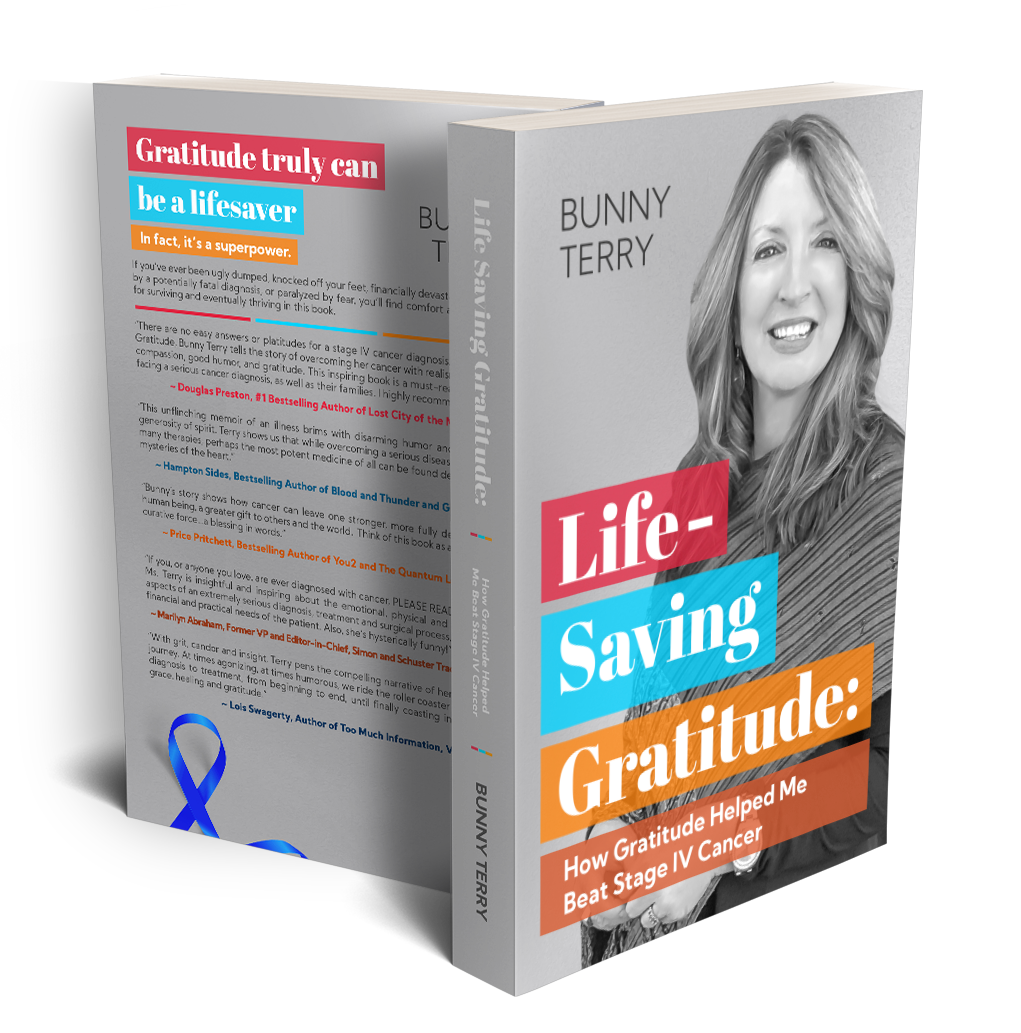
About the Episode:
Nine years ago – November 9, 2012, Bunny went to the ER thinking she maybe had appendicitis, to only later find out she had stage IV Colon Cancer. On this special anniversary episode, Bunny and Johanna take a look back a that day nine years ago and talk about all they’ve learned along the way.
Links and Resources
Bunny’s Website
Buy Lifesaving Gratitude the book
Follow Lifesaving Gratitude on Instagram
Follow Bunny on Instagram
Follow Bunny on Facebook
Subscribe to Lifesaving Gratitude on your favorite podcasting platform





Featuring:
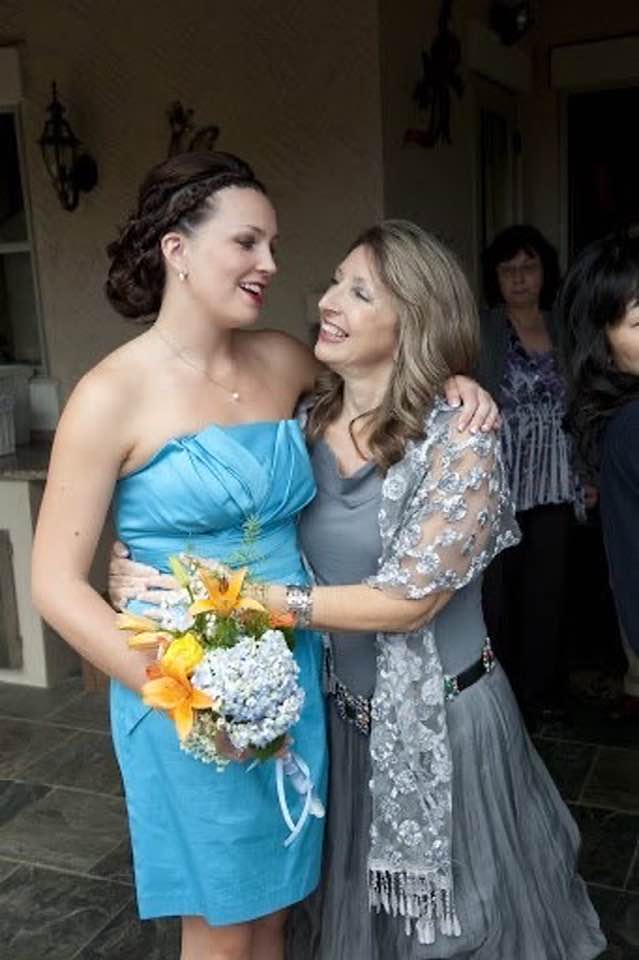
Bunny Terry & Johanna Medina
A mother-daughter duo who have been through it all in the last nine years. Bunny was diagnosed with Stage IV Colon Cancer after a trip to the ER on November 9, 2012. Johanna was her caregiver and emotional support throughout her cancer journey. Now they work together marketing Bunny’s book ad producing the podcast Lifesaving Gratitude.
Episode Transcript
Bunny:
Hi there and welcome to the life saving gratitude podcast, I’m Bunny Terry, and I’m joined by my co-host and producer Johanna Medina. And this episode is special… not that the others aren’t special as well, but today when you’re hearing this episode today is the ninth anniversary of the day that I went to the emergency room. Thinking that I had appendicitis and was told that I had stage four colon cancer from which grew this entire movement of life-saving gratitude because , if I hadn’t been diagnosed with cancer, if I hadn’t been through that journey, then we wouldn’t be here right now. So , I thank you for being here and I don’t think there are going to be any triggers, but I want you to know we’re going to talk about some , um, you know, just, just the fact that sometimes you think you’re the healthiest person in the room and you’re not. So , Johanna , you take it away from here.
Johanna:
Yeah. So I had just been looking at the calendar scheduling things and I was like, oh my gosh, next week, or today is when this episode drops, it’s going to be the ninth year anniversary. Like you said, of when you not necessarily got diagnoses, but when you went into the hospital and your whole cancer journey started, and I thought it would be fun to do just a little look back and a special episode for that anniversary. And I thought it’d be cool if it was just the two of us again, and I could kind of interview you and talk to you more about what that is like and kind of what it means to be nine years from that date . It’s, it’s weird. I mean, it, I don’t know. I think I think nine is a big one. Obviously 10 will be even bigger, but at eight years, you know, is when your book came out, but a lot has happened in this last year too. So I think it’ll be fun to look back at that time. So just because some people that are listening and of course, if you’re a new listener, thanks for joining and definitely check the links below or go to Bunny’s website bunnyterry .com and buy her book, lifesaving gratitude, where you can get the whole story of her journey. But if you haven’t listened to our podcast before , I thought it would be good to start out with, you know, kind of how that all started. So, you know, it’s been awhile , but I know also know that you think about it a lot. So can you kind of take us back to that day on November 9th and, and tell us what that was like?
Bunny:
Yeah. I, you know, I think it’s good to look at it in the context of where I was. I had just moved to Santa Fe in August of 2012 and I was really excited to live here. I was , you know, it was like I’d wanted to live here all my life. And I had, you know, been busy being a single mom and raising kids. And , um, and suddenly I found myself in a position where I could move to Santa Fe and I got here and really thought I had the world by the tail. I was you know, I had great clients. I was doing a lot of online marketing, a little bit of real estate, but not very much because the market was slow. Then we were in the midst of recovery. And I thought I was the healthiest person in the world. And in fact I was certain of it because I had lost so much weight in the year before I had moved here. So I felt like I was really fit and I was having a great time. And I think people always ask me , or I see it on forums because I’m a lot on a lot of stage four colon cancers, forums on Facebook and elsewhere online. And , and what people say is, well, what are your symptoms? Because I think everybody has this idea that if you have cancer, you have really significant visible symptoms. And I would say, I had no symptoms, except that I had lost like 22 pounds in nine months. And I thought that was, I thought that was pretty cool. The other thing is that I was a little lightheaded, but other than that, I had no symptoms. And the day I went to the hospital…
Johanna:
Well, I don’t want to interrupt you, but what if you had complained about being lightheaded a bit and what did people always tell you?
Bunny:
Oh, it’s your hormones? It’s I was 51. Yeah, yeah. And yeah. Right. It’s and I think that happens. I think that people tend to think that women have more health problems. And so when you can take you know, you complain of any , gastro issues, people will say, oh, that’s your , you know, you probably have irritable bowel syndrome or maybe have a gallbladder issue. And I’m just, here to tell you that you can never , cancer is not going to lightly tap you on the shoulder in my experience. It’s not going to discriminate. It’s not going to pick only people who are older or overweight or who have had past health problems. It doesn’t discriminate and it just shows up when you least expected , which happened to me. And I just had a know , I got on a blind date the night before, which was its own brand of special. And that night I had a little, I was really lightheaded now. And I knew when we were at the ER and the doctor said what’s been going on? You know, what , we know what happened, but I was really lightheaded for a very good reason. So when people ask me what my symptoms are, I just say , I was lightheaded a lot. And for one day I had pain in my side, like , you know, like I had run a long race, but otherwise those symptoms. So I got up that morning and I had a rough night thinking that I had the stomach flu and I got up that morning and went to the grocery store to buy some soup, because that’s what you do when you’re sick. And I didn’t , you know, I didn’t have anybody. I was single at the time. And you were at UNM. And I didn’t have anybody to take care of me when I was sick. So I went to buy soup and I almost passed out in the soup isle at Albertsons , in Santa Fe. And I called a friend of mine. Who’s a nurse practitioner. And she said, would you just go to urgent care? And the bad news was that I had let my health insurance lapse because I had never used it. I was so healthy. I was a self pay. I didn’t feel like I needed it. And I kept arguing with her about, she said, it can not break the bank. It’ll cost you a hundred bucks, go to urgent care. I went to urgent care. The doctor there said, I think you have appendicitis you’ve got to go. Your blood pressure is so low. You’ve got to go to the ER, my blood pressure was 70, over 30. And I went to the ER and that’s when I called you and you came, but they were gonna send me home because they had done an ultrasound and it wasn’t my gallbladder and it wasn’t my appendix. And the only thing we were waiting on was for my blood work to come back. And then the blood work came back and the doctor said where are you bleeding? You know, you have really heavy periods. And I said, I’m not bleeding. And that he said, oh yes, you are. Because your hemoglobin is so low that if you had shown up as a trauma patient, like in a car crash, you would not be alive. My hemoglobin was a 5.2 and it’s supposed to, that’s the thing.
Johanna:
That’s always stuck with me too . Those, that phrase and those numbers have always stuck with me.
Bunny:
Yeah. And what he explained later is , that I had, once we went through the process of the next day of having a CT scan, we learned that I had a five and a half centimeter tumor in my colon that had perforated the colon wall and was bleeding out, but it was seeping into my abdomen. So I never had, you know, what are the signs of colon cancer is if you have any blood in your soul, I never had blood in my stool because the blood was not getting there. It was seeping into my abdomen. And so I had this raw open wound, oozing sore on my colon. And , and then I also had that little tumor on my liver. That was almost the size of the, one of my colon. So that’s the day.
Johanna:
Just a little tumor. Yeah,
Bunny:
Yeah, yeah. So that’s that, that was November 9th, 2012.
Johanna:
Yeah. And , looking back, you could kind of be like, oh yeah, maybe this, maybe that , um, the weight loss, maybe being tired, but there was nothing so obvious until that one day.
Bunny:
Well, and I wasn’t tired as much as I was just out of breath all the time. And if I ever overexerted myself, I’d have a dizzy moment. And I would think, well, you know, I just went to Santa Fe at 7,000 feet. It must be the altitude, or I’d ask people, I’d say, man, I was really dizzy when I did that. And even my mom, you know, she said , uh, well, that’s probably your hormones. You maybe you’re a little , um, hypoglycemic, who knows, but nobody ever said go to the doctor. And, and what I learned is that this is a tumor that started as a polyp probably 10 years ago, 10 years before my diagnosis.
Johanna:
Before. Yeah. Well, and we don’t have any, we don’t have it in our family. You don’t, there’s no like genetic precursors, you’re you ? Like you said, you’re a very healthy person. You’ve always been, never really had any, had you ever even been to the hospital before, except for like maybe childbirth?
Bunny:
No, no. I had never, ever been to the hospital except for childbirth. And , um, and that’s, I don’t know how many times I could can say this before people start paying attention. That’s the thing about cancer is, and that’s why you need to have regular checkups because, it doesn’t tap you on the shoulder. It doesn’t say , um, uh , you know, this insidious disease is sitting in your body and it’s it’s , um, and it’s so bad now that it’s , it’s traveled to your liver as well. I mean, you know, I was diagnosed with stage four, colon cancer, and there isn’t a stage five because that’s as advanced as it’s going to get. I have , there was some lymph node involvement. My liver had a tumor. And , um, I , I was clueless until the moment that, that doctor, that , you know, that, I don’t know if you remember, but they said, well, we’re gonna keep you overnight and do a colonoscopy tomorrow. And , um, the , the doctor that came in was east Indian, and he said, you have a mess in your colon. And I was like, it’s my colon. It’s always messy.
Johanna:
I remember that it’s real . Like, what is he saying? A mess, a mess? And we’re like , um, is it,
Bunny:
And what I understand, he was saying now is a mass in my colon. And that’s where we began nine years ago. That’s where this particular journey started.
Johanna:
Yeah. And it’s so crazy to think. I remember, you know, you were 51, like you said, I mean , um, and so at that time, you know, the screening age for your first colonoscopy was 50. So you, you know , barely would have missed that, but still even if you would have gotten, I think even if you would’ve gotten your colonoscopy at 50, like, I don’t know, w there’s no telling where, where it would have been, or what would have been going on, but they have actually changed the recommendations now on when to get screened because people are getting diagnosed younger and younger with colon cancer. Is it 45? Now?
Bunny:
It is 45. And I just read you know the colon cancer Alliance, just put out a meme somewhere that I want to grab a statistic that said one in 10 people who are diagnosed with stage four cancer today are, will be under the age of 40. And by 2030, the statistics predict the prediction is that colon cancer will be the number one killer of people under 40 in terms of cancer deaths. And that’s crazy. It is crazy because people tend to think that colon cancer is an old person’s disease. And while certainly cancer in general tends to affect to overwhelmingly affect people in in old age. It is no longer an anomaly for somebody under 40 to get diagnosed with colon cancer. And you, I went to call on Congress for fight colorectal cancer and met people who were diagnosed as young as eight. I mean, I remember that there was a woman in that group that had , um , been diagnosed with cancer was colon cancer when she was eight years old. So pay attention to your body. I didn’t, I mean, I just thought, well, it’s, it’s no big deal, you know, I’ll, I’ll get through it. And there’s no criticism, if you, if you haven’t been to the doctor yet, just go, just start right now, just go. Okay .
Johanna:
Yeah. And also because it’s one of the most preventable cancers as well. Like if you get those regular screenings, you get the, if you have a polyp, they just take it out right there, whatever sweep , sweep it out, pull it, you could, they do it in the middle of that, in that , um, colonoscopy, because that’s what those polyps will turn into. And yeah, so you could just, you know, not have to deal with that, but also I know, you know, we talked about it before that that’s like, oh, we don’t want to talk about that part of the body. We don’t want to talk about our like bathroom symptoms, if you’re having weird, like poops or something. And then people don’t people don’t, our people are scared to get a colonoscopy because of, you know, that the whole situation, but it’s, so it it’s better than having cancer. I mean, come on, they’ll knock you out.
Bunny:
It’s not, it’s not a terrible procedure. You know, first of all, you take this, you drink this liquid that completely cleans you out. So it’s like doing a quick cleanse. And then you get knocked out. You get a nice sleep. And but you know, and when you and I went to, I think it was the time that you went with me to call on Congress. We actually heard the secretary of health speak, the United States, secretary of health speak. And he said, what you just said, which is, if people felt more comfortable talking about bowel movements, it’s something we all do every single day. You wouldn’t be alive if you weren’t c oping. And it’s something we do e very d ay. And yet our society has trained us to never speak of it as though it’s something shameful. And he says, he said i t, that when he spoke, he said, if we would just learn to say to one another, you know, I had this really weird looking poop today and it kind of freaked me out. Then you c ould say, u h, wait a second. That’s not normal. If you’ve had poop, that is the size of your little finger. You need to see a doctor. If you have black-tar substance in your poop, you’ve got to see a doctor. Hopefully, hopefully it isn’t anything. Maybe you do have an ulcer. Maybe there’s something else going on. Maybe a te s ome, maybe had b eets for dinner, but you look at it, take a look. And m an, I’ll talk about it to anybody now. I’ll I am happy to visit with anybody. I think that everybody should know that the re you know, even though today is the ninth anniversary of the day that I went to the hospital, u m, you know, there was a process there. We, I had a CT scan. U m, I been had a port, y ou k now, w as diagnosed with stage four cancer. I had a port put in place. I had chemo, I then had surgery and then I had more chemo and the news is good. They got the tumors, they took out the lymph nodes that were affected. I did not have I don’t have a colostomy. A lot of people are like, well, if I go and they d iagnosed me that I’ll have to have a bag. I mean, I think there are some people who are, who find it preferable to remain ignorant about their own health than to face what might be going on. And I would say, I know people, I know a lot of survivors of stage four cancer. You can do this. If you’re having symptoms, y ou g ot t o get to a doctor.
Johanna:
So I think that’s such a good , I guess kind of PSA for colon cancer too, and you are such a great advocate. It’s, it’s still, you know, even nine years later, a big part of your life and a part of what you do. You know, you are the chair of the cancer foundation for New Mexico.
Bunny:
Well , and I would say that , I think it’s important also to, to express gratitude for this diagnosis. I mean, it was a nightmare at the time. I mean, we were, well, first of all, first of all, when you’re diagnosed , um, and probably for you as my daughter and my caregiver , um, you go through all those grieving stages that people go through when they lose someone. You know, I would, we talked to a lot of people on this podcast who have been through some really difficult times and , um, to a person they say , you know, not, not that I’m glad I suffered that loss, or certainly you’re not grateful for some incredible losses, but you’re really grateful for the experience. And that’s, that’s what I would say is that without that, I mean, I don’t know, I don’t know who I would be without that diagnosis. I don’t know where I would be right now, but you know, we were, at the risk of sounding really, really cliche, we were, I was kind of rocking along with my life, not sure what I was doing except, you know, it was mostly , um, you know, just trying to find my way and then, whoa, holy mackerel, this thing happened that stopped me in my tracks and made me redirect my purpose. And I’m not saying that you have to have that kind of a diagnosis. Like, what I’m saying is that sometimes you have to stop your life, take a break, take a breather and , and maybe just rethink what your priorities are. That’s, that’s how it happened . I wouldn’t go back to somebody who didn’t have this diagnosis and survival. I don’t know. It’s . I mean, you lived it too . What’s how does it feel to you?
Johanna:
Oh, no, I’m supposed to be interviewing you now . It’s, it’s hard to say, like, I don’t know. I don’t… I’m not quite… I don’t know . It’s hard, it’s so many things have come from that, but at the same time, I would, I say, I wish you’d never had cancer. Yeah. I probably, honestly, I probably would say, I wish you never had had cancer just because it , it was scary. And you know, every day I thought, well, not every day, a lot of days I thought I might lose my mom from this, especially in the beginning after we got going and we , you know, you got into treatment and everything it did, there was a lot more hope, but , um, I am grateful. I mean, it happened and you can’t change that. So you do need to help to look at the , the silver lining of it, I guess, and what came from it. So, I mean, I am grateful for the experience , uh, you know, I’m grateful for the time that we had together. If you hadn’t been diagnosed with cancer, I would , uh , move to Wisconsin with my ex-boyfriends and we would have been apart and how those would , would have happened. And, and because of your diagnosis, I got to spend nine months with you just enjoying my time with you and getting to take care of you. And you were, you were gracious enough to me , you know, like, let me live with you for free and , um, and take, take care of me too, you know? So there is , there was a , and we had a lot of fun together. We went on even like we had to go to Houston to go to MD Anderson and, you know, for even to see if you’re eligible for surgery and then surgery, and then checkups , like we made each one of those trips fun, I think, I mean, well, you made them fun. So I’m grateful for all those things that happened in between and even after, and, you know, I’m , I became a social worker because of that, you know, that was the real driving force for my career. So that’s huge. And so yeah, I am grateful for those things. I do. I wish that we could have done all that without the big C looming over us. Yeah. I think it’s, I don’t know… And it’s also so great that your book came from that again, you know, it’s not the book you wanted to write, that was even the first title. So , but yeah, that kind of leads into also my next question was gonna be, and it’s kind of a loaded one because , because of all the time that’s passed and everything that has happened, but for you, what do you think have been the biggest changes in the last nine years and either because of, or in spite of that diagnosis and everything you’ve been through?
Bunny:
I think one of the things that happened is that when you survive something like this your confidence level, you know, I mean, I was 50 years old, but I still wasn’t as certain of myself as I am now, I mean, I’m you know we always , quoted that meme that said, I kicked cancer’s, what’s your superpower. But , it’s you know, all of that energy that I used to spend thinking about, you know, how do I look? And, you know, I wish I were thinner and I wish my teeth were straighter and I wish I had better something. I don’t know . I don’t know, whatever, whatever the things are that we grow up with , in terms of body image , it’s a big change to me now to feel. So self-assured about this body that works, you know, it’s less about what it looks like and more about how well it works. I mean, I learned in the middle of that to be grateful for the body I had, as opposed to fighting it, you know, I really feel like I spent the first 50 years of my life fighting my body. And it’s not because I have a bad body or anything it’s because that’s what culture, that’s what a specifically, I think American culture teaches us to do is to wish we were better at , at something that how we look at , um, how we think. And I, that’s a big change is that I’m much more at ease with myself. I think the other one is that I, well, I grew up with people who were all about charity and giving back and working hard for the underdog. I don’t know that I would have done that without this experience. And you know, now I even, you know, when I talked to marketing clients, I’ll say you gotta pick a charity. I mean, you’ve gotta be part of something that’s bigger than yourself, and you just can’t keep rolling through your life. And I don’t even know what people do, who aren’t involved in giving back. I don’t know. I don’t know what they do with their time. I don’t, and I’m not blowing my own horn. I’m just saying that this is a choice that I make every day, which is to give some part of my day to someone who needs my time or, you know, I mean, that’s one of the reasons that I worked so hard at my real estate career is so that I have money to give to charity . So , I think those are big changes. The second book I’m working on is about how I thought that I was circling happiness all my life that I thought, you know, any minute when I get, you know, when I get more money, when I get a better job, when my kids get raised and I feel like they’re successful and safe. When, I wasn’t circling happiness. I was in the middle of it. I mean, we had a great time and I had a lot of fun, but I didn’t perceive my life as that because I just, it know kind of like my body image. I just had this idea that I should be better somehow. And, and I should have more, I should be happier. I should all , I had it already. It’s just, it’s more about , noticing pain . Yeah .
Johanna:
Yeah. So along with like the things that have changed, what would be like your biggest piece of advice for people? You know, what you learned throughout the journey? I know like, of course your big thing is gratitude and that’s what we’re all about and podcasts and your book, but what’s some other, like, you know, you are always asking your guests, what’s your big three takeaways, you know? And so I want to ask you that, what are, what are your three big pieces of advice you want to give your listeners?
Bunny:
The first thing I would say is listen to your body, listen to, you know, I think I knew, well, I’m sorry. I didn’t know that something was wrong. However, looking back now, something was obviously going on with my body. I had, I had thought with my weight, my entire life, and then suddenly I was 22 pounds lighter. I remember going to a store downtown in Santa Fe, parts, unknown. I remember , um, going down there and , um, trying on clothes before I was diagnosed in the three months after I moved to Santa. And then before it was diagnosed and , um, I waited like 12 pounds less than I weigh right now. And I came out of the dressing room in some outfit and the, the salesperson said, wow, you look amazing. Do you work out all the time? And I said, I don’t, I don’t work out all the time. I just , you know, I’ve suddenly lost some weight. It’s so amazing. Well, that was a signal from my body. That things were not the way they should have been. So, one big piece of advice I would give people is listened to your body. And if it’s not right, don’t delay get to a doctor, have somebody take a look. The other thing I would say is you don’t have to get diagnosed with a life-threatening disease to start to pay attention to your life and to start to recognize that , um, we don’t want to be on autopilot. You know, we’ve had Daphne Miller a couple of times here to talk to us about , um, how our brain wants to use the least number of calories. So we always take the easy way I be mindful. Um, even if you don’t have cancer, you have the opportunity to be mindful and pay attention to your life and be more present. And, you know, the last piece of advice I would give somebody is just love yourself, give yourself a break. You are perfect the way you are. And you can do the thing that you’ve been dreaming of doing, you know, you can write a book, you can create an amazing painting. You can marry the person or be in a relationship with somebody who’s worthy of you. It’s weird that I had to get cancer to get all of that insight. It’s crazy. I don’t want anybody else to have to get cancer to get to the place that I find myself now.
Johanna:
Yeah, no, hopefully they’ll hear your advice and get there. I think that’s great advice. And you obviously learned a lot from your experience and even just this past year out , the people that we’ve talked to, man , we’ve had some really amazing conversations. I feel really lucky that all the people who’ve gotten to talk to.
Bunny:
Oh , I know, and it’s only going to get better.
Johanna:
Hopefully people will stay with us along the journey. So what, what about now, what are you most grateful for today? And now in this stage of your life phase of your life.
Bunny:
I got to tell you I’m most grateful that what I learned is never to stop learning, you know, I would’ve thought you know, when you get to 60 you’ll have all the answers. And what I know now is that it just goes on, you know, you and I get to talk to smart people evolved people, people who are really intuitive, who have had similar experiences, we, we are getting more and more powerful and mindful. And our lives are taking shape as, as, as we exist, right. This moment. And, and so, so the exciting thing to me is that man, life, life just keeps getting better and fuller and richer and more powerful. And I’m really grateful for that. I’m grateful that, you know I surrounded myself with this and some of this, I just have to give some credit to moving my real estate license to a place where we talked about mindfulness and personal growth all the time. And that’s, you know, that’s Keller Williams. I’m sure there are other companies that do something similar, but I learned early on in my career with Keller Williams, that every single day is an opportunity to, to give back and to give yourself the gift of some sort of growth. And I don’t know that I would have known that otherwise, you know, most people just get on autopilot and are in survival mode, even in the simplest of lifestyles. And man, I’m grateful that we’re not doing that anymore. I’m so excited. It’s every day is a new day. And I read this article the other day that said , um, your most productive , um, decade they’ve found that the most productive decade in life is between 60 and 70. I’m like, wow, I’m just starting. I’m excited. You know, that’s when people write the most books, that’s when people finally reach some pinnacle of success that they’ve created for themselves. And like, man, I’m just getting started. I’m excited.
Johanna:
Yeah. Sky’s the limit. Now you’ve already done it once. And I think, yeah , your confidence has just grown. And the fact that you, you know, you, you bring people up with you and you want to help other people reach their dreams too, is such a huge part of that. So I mean, I’m really glad that we took the time to like, to do this episode and talk about it. People don’t typically celebrate the anniversary of when they were diagnosed. Usually we’re celebrating, you know, like cancer-free, and, and we will celebrate that too, but I think it’s great to look back at this and acknowledge how huge nine years is. Um, I mean, is there anything else you’d like to, to leave the listeners with on your special anniversary episode?
Bunny:
I would, and this is only because this comes up a lot in discussions. Um, people are always asking me, you know, my wife, my best friend, my, somebody I know, just got diagnosed and what should I do? And there are a couple of things that I want to leave our listeners with. It is so hard when somebody you love and somebody you care about gets diagnosed and Johanna, you know, that better than I do. But, but what I would say is everyone’s journey is different and you need to recognize that it’s their journey and not yours, it’s their cancer and not yours. And sometimes you just have to sit back and not try to solve everything. I can’t recall exactly what it was that Daphne said about resilience, but she said, what , you know, one of the things that we have to recognize is that we can’t fix everything. And when somebody you love is diagnosed with cancer, you can’t fix it for them. You can only be present. Toby would say, because my husband would say, because he lived through the loss of his fiance to colon cancer, he would say, sometimes you’re just the witness. And all you can do is stand by and say, I’m a right here. I’m right here. I’m here every single day, but there is this tendency. And we know somebody who was just recently diagnosed there is this tendency, even on my end to want to jump in there and say, well, here’s what you gotta do. Here’s you gotta go here for a second opinion. Here’s the doctor you ought to see. Here’s what you ought. You have to don’t do that. Don’t do that. It’s not your cancer, it’s not your journey. You just need to be present. And I would say that’s pretty true of life. Stop giving advice, and instead, just give them your presence. Um, send them a nice snuggly blanket , um, send somebody to clean their house , um, send them a book that they might want to read while they’re sitting in a waiting room, but don’t, don’t try to take charge of that experience for anybody else. That’s, that’s my best advice to people who have , who haven’t been diagnosed, but have know somebody who has and go and read our blog posts. We’ve had some blog posts about what not to say to a cancer patient. It’s it’s. Yeah, that is a whole nother podcast is like, what not to say to a cancer patient, but we’ll just leave you with that.
Johanna:
Um, all I was going to say too , is be checking our social medias , well, Bunny’s social media , at lifesavinggratitudepod. And you can find Bunny on Facebook at Bunny Terry Author, because we’re going to be doing some fun giveaways as thank as kind of thankful month. You know, it’s November, we’re getting ready for Thanksgiving and the holiday , so are actually going to be doing a giveaway every week of our special, special granted gratitude merchandise. If you haven’t seen our bunnies gratitude nerd mugs, we give those to every podcast guest, and now we’re going to give one away to one of our listeners. So go check that out, check out our social media, figure out how you can , um, enter to win that merchant. We’re going to do a new one, like I said, every week for the month of November. So, all right . Just wanted to throw that in there.
Speaker 2:
Yeah, I’m excited. And I would just say, yeah, yeah, just , um , you know, thanks for listening wherever you listen to podcasts, be sure to subscribe, rate and review us. And , um , thanks for checking in.

About the Podcast
Gratitude is a superpower. It can transform—and even save—your life. Author and activist Bunny Terry discovered the life-saving power of gratitude when she survived Stage IV colon cancer. She interviews a wide variety of guests who have also used the art and science of gratitude to survive, and thrive, in their own lives.
Recent Episodes

I Love New Mexico Teachers: Bunny Terry
About the Episode: Summer is coming to an end and a new school year is...

I Love New Mexico Food: Kirk Muncrief of AlbuKirky Seasonings
About the Episode: In New Mexico you know we love food AND we love spicy...

100th Episode Recap: Bunny & Johanna
About the Episode: The I Love New Mexico podcast has made it to 100...
About the Episode:
Can gratitude help you to become a . . . better marketer or realtor? It might sound like a strange pairing, but it’s worked wonders for Craig Cunningham, a Sante Fe-based realtor, 30-year veteran in the hotel business, and founder of the marketing firm Cunningham + Colleagues. In this interview, Craig shares what he’s learned about using the power of gratitude to build a successful career in marketing, customer service, and sales and get him through his own battle with cancer.
Resources mentioned in the episode:
- Bunny’s Website
- Lifesaving Gratitude: How Gratitude Helped Me Beat Stage IV Cancer by Bunny Terry
- Cunningham + Colleagues marketing firm website
- Sante Fe Kitchen Angels
- How to Win Friends and Influence People by Dale Carnegie
- Craig’s Blog: Santa Fe Scenes
Subscribe to Lifesaving Gratitude on your favorite podcasting platform

Featuring:
Craig Cunningham
Thanks to a career in the hotel business, Craig Cunningham has traveled extensively throughout the world and now calls Santa Fe home. As an enthusiastic observer of cultures, traditions and history, Craig enjoys sharing all things Santa Fean and New Mexican.
Bunny met Craig as a fellow realtor at Keller Williams in Santa Fe. Craig’s experience as a hotelier and his expertise in sales and marketing gives him a unique perspective on customer service. Craig knows just how valuable it is to show gratitude toward his clients and colleagues.
He writes regularly about Santa Fe on his blog, Santa Fe Scenes.
Episode Transcript
Bunny: Hi everyone. This is Bunny with the Lifesaving Gratitude podcast. Just in case you don’t know me, I am a stage four colon cancer survivor and the author of Lifesaving Gratitude, which is a book about how gratitude helped me kick cancer’s ass.
Today we’re going to talk to a special guest about how marketing and marketers can use gratitude to create business and connections with clients and also for themselves to create a really positive way to do their job. But first, I just want to thank you for being here and ask that you download the podcast if you’d like. And certainly subscribe wherever you listen to other podcasts. But enough about me and enough about the podcast.
I want to introduce you to my special guest, who’s also a friend. Craig Cunningham is currently a realtor with Keller Williams, Santa Fe. And that’s how I met him. However, this is a recent career for him and he was, and correct me if I mispronounce the word, but you were a hotelier. Is that the way to say that?
Craig: Yes.
Bunny: Yes. He’s spent 30 years in corporate sales and marketing. He’s traveled extensively. I’m going to let him tell you all the places that he’s been to, but he is the founder and principal of Cunningham + Colleagues marketing consultants. He was in the past the VP of marketing and quality for Seaport Hotels and World Centers and the VP of marketing for Core North America. So welcome Craig Cunningham.
Craig: Thanks so much for having me on your podcast.
Bunny: I’m excited. I know you have some great tips for all of our listeners. When I think about these podcasts, I always think about the people that are going to want the information we’re offering. I mean, we’re here to help people and we’re here to figure out how gratitude can make everyone’s life not just easier and simpler, but also fuller. So why don’t you start, Greg? Just tell us a little bit about yourself. Tell us how in the world you ended up in this completely different career? And yet the truth is we’re still just marketers first and realtors, second. Tell me a little bit about yourself. Tell our listeners.
Craig: Yeah. So, as you said, I’ve been in marketing and sales for more than 30 years. I actually started off with an advertising and PR agency and then had the good fortune to be hired by my hotel client at the time, Wyndham hotels. At that time it was a North American chain and it’s now international.
But from then on, I was in the hotel business. It’s definitely a career where if you are not focused on client service and the whole concept of gratitude, you’re not going to be successful. I always thought of our job as just surprising and delighting our guests and making them feel like they chose the right hotel to be with. And so it was always about waking up every day and saying, “What can I do to make somebody’s day and to give them a great experience?” And, of course, to do this you have to be grateful because they opted to choose your hotel over the million other choices that they had.
So when I retired from the hotel business two years ago, I was trying to figure out what else I wanted to do with my life. I started doing more volunteering. I volunteer with Kitchen Angels here in Santa Fe to deliver meals to people who are not able to leave their homes. But I also started thinking of whether I wanted to do something else from a professional standpoint and the real estate business seemed like a natural extension, because it’s all about client service. You have to figure out ways to make people feel like they’ve made the right choice in working with you. So it’s all about being grateful every day and figuring out what can I do to help them today. How else can I extend what I’m doing for them in a way that they will appreciate and know that I appreciate them. So that’s what it’s really all about, because of course they could work with a million other other people
Bunny: Right. And let’s talk for just a second. Don’t you think that marketing has changed over the 30 years that you’ve been doing this? I mean, it seems to me that when we were kids, which was back before the crust cooled, we were sort of marketed at. Just talk for a minute about how marketing is different now than it was 10 years ago or 30 years ago.
Craig: It’s funny, because I was going to say the exact same thing. Back in the day, you were running a TV ad or a radio spot or a print ad and it was passive in that you just presented the information, unless you were direct sales. But really with the advent of so much digital media, you are instantly able to forge a relationship with customers through social media, through Facebook, Instagram, where you’re having a dialogue with them from the very beginning. This allows you to work in a much more personal way and to be able to find out much more quickly how you can serve those people.
So I think it’s changed completely. Before you just sort of put it out there into the ether and hope that something worked, and now you’re able to engage. And I’ve found that so much in real estate where I’m getting emails from folks and then it evolves from the email into a phone call or a zoom call or something like that instantly. I think that’s so much better for both people. Especially for somebody like me who wants to find ways to engage with people and to be of service to them, it makes it a lot easier and more rewarding.
Bunny: I just think about the ways that I connect with my clients. It’s as if you’re somehow conveying to those people that you’re grateful that they showed up.
Craig: Yeah, exactly. I mean, my whole thought is that it’s not a transaction, it’s a relationship. And that relationship can be multifaceted. Once you’ve sold them a house or sold their house, I like to think that we’ve formed a friendship and a bond and that relationship is going to continue. And honestly, I don’t even care if I ever get another piece of business for them. Now think of them as friends. I want to have them to my house for dinner or go have coffee or something like that.
I think that kind of thing that makes a difference for people in wanting to work with me. It’s coming from a position of wanting to be of service to them and wanting to make them happy and finding the right solution for them. I’m working with some first-time-buyers right now and I kind of feel like they’re my kids. It’s about, okay, how can I really help them with this? And they’re grateful for the counsel I’m able to give to them, and I’m grateful for the opportunity to work with them. So it’s very rewarding. I think if you approach business relationships in the same way as you would with your friends, it’s a win-win situation for everybody.
Bunny: Well, talking about those first-time home buyers, I mean, that’s one of my favorite deals. You never make the most money from those transactions, but I’m so grateful to be reminded that we are providing the American dream when we’re selling real estate. Yeah. It’s amazing. It’s my favorite experience.
Craig: Yeah. I mean, for somebody to have their first home and to be excited about how they’re going to decorate it and what they’re going to do. And with this young couple, seeing them excited when they see a house brings out all my empathy and makes me want to really go the extra mile for them to make sure they find the right house at the right price for them. And then I just never want to stop. So then it’s like, “Okay, now I’m going to find this person for you to do the plumbing, and I’m going to find this person, etc, and I’ll be with you with you to help explain things.” I just want to really continue to be of service.
Bunny: I talk a lot, especially on my blog, about Judy Camp, who was one of my first real estate mentors. She was a great friend and Linda Gammons partner for a long time before she passed away. But Judy Camp always says, “If you come from contribution, you can’t help but be successful.”
Craig: Yeah. I mean, just as I was saying, you can’t think of it as a transaction. I think, coming from contribution, how can I help you? How can I make this a better experience? How can I make this work? Because, especially in a real estate transaction, it can be stressful. It’s the biggest financial transaction for the majority of us. So how do you take the burden and the pressure away from them and sort of guide them through the process? I just think the main thing is that it’s much more fun, whether you’re doing volunteer work or in business, to wake up every day and figure out how I could make it fun for somebody else. Because then it’s fun for you and it gets you excited and passionate about what you’re doing.
Bunny: Well, it sounds like our big “why’s” are really similar. I certainly don’t want to put any words in your mouth, but it sounds like your big “why” is just to make the life of the people you come in contact with better.
Craig: Yeah. Of course making money is nice, but there are lots of ways to make money. It’s more about whether you are getting energy from it. And I think you really get energy when you’re working with someone and trying to figure out how you can help them, how you can make their day better, how you can make the service that you’re providing better. And also just doing things that saying, “What about if I do X, Y, Z?” and they’re like, “Oh, you’ll do that for me?” And I’m like, “Of course.”
I have another set of clients where the transaction was fairly complicated and we were looking at lots of properties. Coming from a corporate background, I love to do spreadsheets and PowerPoint presentations—things like that. And so after about the third thing we had to do, they’re like, “Oh, how are we going to organize all these bids?” And then one of the guys said to the other guy, “Well, Craig’s going to do a spreadsheet for us. He’s probably already got it done.” So it’s that kind of thing where you’re looking for ways to make their experience better.
Bunny: So this is always a funny question for me to ask, because I have such a loose gratitude practice other than just waking up in the morning and saying, “thank you, thank you, thank you,” and then writing things down, but do you have a practice that you follow that helps you both in your business and your personal life?
Craig: Well, since I came into real estate with Keller Williams, which focuses a lot on being servant leaders and helping people, I’ve gotten into the habit of writing three things I’m grateful for that day. It could be that it’s a beautiful day or a dog or my partner or the opportunity to help somebody or the coffee’s really good that day, but waking up and appreciating what you have in your life is a good way to get in a good mindset for the rest of it.
Bunny: Oh, absolutely. Something I always say is that we kind of rewire our brains. We do. We create new neural pathways every time we say that we’re grateful. So in terms of nuts and bolts, is there a way that you let your clients know? I mean, I find that there are a lot of young people, young entrepreneurs or people who are new to business, who forget how to tell their clients how they’re grateful for them, even if it’s a line in an email. Do you have something that you do specifically over and over?
Craig: I think for me, it’s maybe more in the actions. I think of “This is really going to be helpful if I do this or if I provide this information.” I think it’s always in my voice and the way that I write. I try to always communicate openly and in a friendly and conversational manner. But then I also think “It would be really cool and really helpful if I did X , Y , Z.” I created a whole PowerPoint just on the neighborhoods in Santa Fe, because if you’re out of town it gets confusing. And that came out of a client saying, “Well, I don’t really know the neighborhoods.” And I thought that this would be a great tool for them. So I created it and then I was able to use it with others.
So I think for me, maybe it’s sort of on the fly. I used to say in the hotel hotel business, “How can I make this a wow experience?” Because the other way to think about it is that every relationship is with people. When you’re in a service business you’re really in the business of creating memories. You can create good memories or you can create bad memory and it’s much more fun to create good memories.
Bunny: And that just comes from a spirit of generosity. I mean, you obviously want this to be the best real estate experience they’ve ever had.
Craig: Right. Right. I’m very grateful for the people that have helped me along the way. I’ve been very fortunate in my career to always work for people who were concerned about my career development and my personal development and became dear friends. And I’ve had a couple of bosses that have hired me twice in two different jobs. So I’m always grateful for the things that other people have done for me.
So then I want to pay it forward. When I came to Keller Williams and I was introduced to the team here, there was so much openness and willingness to share and help and support. It has been fantastic. What strikes me the most is how grateful I am for what other people have done for me. And how do I pay that back?
Bunny: I mean, this is not a podcast to plug Keller Williams. It’s really more to talk about mindset, but the place where I learned it was sitting in that training room and learning that my mindset was the secret sauce. I mean, that’s the success piece, right?
Craig: Yeah, exactly. It’s not just about production and everything. It’s about weight and having a sense of gratitude and contribution and a sense of abundance. And I don’t mean that in a monetary way. It could be abundance in your health or your friends or all of that kind of stuff. And I think back to you. Your experience with cancer was far worse than mine, but I did have prostate cancer about nine years ago. Everyone I worked with during that entire time when I was going for radiation every day for 10 weeks was so supportive. And then on the last day of radiation, there was this very important meeting, and everyone knew it was my last day.My whole team had a celebration for me on my last day. That was turning something that was obviously a challenging situation into something where I knew they really cared about me and supported me.
Bunny: Wow. I’m interested to hear how your mindset was in the middle of that?
Craig: I’m just by nature, an optimistic person. So even though it was scary, I felt like I was in good hands from a medical standpoint and I just felt like I was gonna beat it. I had done the education that I needed to and then it was really about having a positive mindset.
This is probably too much information, but I’ll say it anyway. You’re doing the radiation stripped down to your boxer shorts. And so I jokingly put this Facebook thing about the fact that I needed a new pair of boxer shorts for every day. And people started sending me underwear—different pairs of boxer shorts for every day. So while I was sitting there in the big machine, where you’re sort of in there and it’s buzzing and scanning and all that kind of stuff, it got to be kind of a joke with the techs: “Oh , what’s he going to be wearing today?”
Bunny: I love that.
Craig: That was a way to keep my spirits up. And also during that process, I really learned how to be very focused. I was in a waiting room with people that were going through, frankly, worse things than prostate cancer. Don’t get me wrong, prostate cancer is pretty serious. It is. People die from it. But I was seeing so many other people that were having a much more challenging time than I was. And we became a family. We all bonded together during that process, because we were all waiting, sometimes for an hour. So it’s things like that. And also things like the kitchen angels service, where it helps reboot you every day for how grateful you should be in your own life and grateful for the opportunity to help other people.
Bunny: Right. There are tons of people who do get what a gift it is. People who don’t even have a specific gratitude practice, but at least an attitude every day that you’re going to figure out something. I just wrote a blog post on limiting beliefs and one of the things that I wanted to convey is that we get to choose every single moment how we view the world. And maybe for somebody out there who’s brand new in business or who’s starting a new business. I just read a statistic that said that the entrepreneur demographics are changing. And now like 48% of new entrepreneurs are over 50. So hooray for the old people!
But I know that there are people out there right now who are thinking, “Well, I’m not any good at marketing. I’m not any good at that piece of it. I can sell stuff, but I’m not good at the marketing stuff.” I’ve got to tell you, I’m married to a guy who doesn’t believe in self promotion because he came from a generation when you played down your assets, instead of being grateful for them and talking about them. So I’d love to hear what you have to say to somebody who has that limiting belief that they can’t market. And they can’t promote themselves.
Craig: You know, we could all market ourselves, and we do it every day in our interactions. Whether we think of it as marketing or not, we’re marketing ourselves all day long in how we react and treat other people. The thought I had as you were talking about your husband thinking self-promotion sounds like a dirty word is that it doesn’t have to be you talking about “me, me, me” and “I did this million dollars in revenue.” This is kind of a turnoff in some ways, because you’re talking about yourself. But if you’re talking about how you can help somebody else and how you can provide a good experience for them with your information and knowledge, you’re not talking about yourself in that context. You’re talking about how you can be of service. I think that’s a much easier way for a lot of people from a generation where we weren’t really supposed to be talking about ourselves.
Bunny: Well, it was pre-social media. Our face wasn’t out there. We just weren’t trained to tell people, “Here’s the reason you should hire me instead of the other person.”
Craig: Yeah, exactly. I mean, now we’re all our own brands on social media. But I think that rather than saying to somebody, “Here’s why you should hire me versus somebody else,” you should just talk about how you can be of service in what you do in an authentic way. Then people are more likely to want to work with you, because you’re radiating a sense of positivity and an interest in them. And they’re not thinking that you just look at them as a transaction and then you’re onto the next person.
Bunny: I frequently use with my marketing coaching clients the example of a dinner party. If you went into a dinner party (and this is for people who are just beginning in whatever business they’re in, especially if they’re self-employed), you wouldn’t simply walk in, take your coat off and say, “Hey, I’m selling something, come and talk to me.” Right? I mean, that’s what you don’t want to do with marketing. You want to start by building a relationship. Can you talk a little bit about that?
Craig: I think it goes all the way back to Dale Carnegie’s How to Win Friends and Influence People. People do like to talk about themselves. And so the first thing is you should be listening. That was one of the first things I learned in marketing client service. You need to ask questions and learn from your clients. Focus on what they need, as opposed to talking about yourself. You really want to establish a dialogue with them about their wants and needs and hopes and fears and everything else. Then you can talk about how you can address them. But nobody wants to go in and all of a sudden have you sit down and say, “Here’s my PowerPoint about me and what I’ve done.” It should be more of establishing, from the very beginning, a relationship of openness with folks. Then, after hearing from them, you can say “Well, here’s how I think I can you and here are some ideas that I have that I could share with you.” So I think a key thing is really listening from the very beginning.
Bunny: I even found that to be helpful when I used to first go on listing appointments. I was so nervous that I would sit down and I would immediately try to book an appointment. You know, if you’re not in real estate, a listing appointment is just like sitting down with a prospective customer. I would be so nervous in the beginning and really coming from a place of scarcity where I thought, “If I don’t get this listing, I’m not sure I can pay the rent next month.” And if you’re coming from a place of scarcity, you’re likely to self-sabotage. But that’s such good advice because things changed when I finally learned how to sit back and listen: “I’m here to help you. Tell me what it is that you need. Talk to me.” It’s so powerful to give a client time to talk to you. And I think people forget to do that, right?
Craig: Yeah. And I think sometimes we do it because we’re afraid. What I’ve learned so much over the years in business working with people is that people are terrified of silence, so they will immediately start talking. If there’s a second of silence, you jump in and start babbling. Lord knows I do it. But if you just let somebody talk and let it sort of sit there for a second and not just try to be filling in all the time. It drives me crazy when people are doing that. It’s much better if you can have the client talk and then ask some more questions and then be warm and reflective about it. Back to the Dale Carnegie thing, I think one of his first points was if you’re at the dinner party, ask people about themselves. Most people do like to talk about themselves. So ask them and don’t just start talking about yourself.
Bunny: I think that even people who would say, “I don’t like to talk about myself,” really do want somebody to ask them and listen to them.
Craig: Yeah. And it’s not just asking them to go on and on. It’s more meaningful questions about, for example, why they decided to move here. Just those kinds of questions that get them thinking. Growing up in materialistic Dallas, the joke was that the questions at a party were like, “Where do you live? What do you do? What do you drive?” And so it’s not questions like that. It’s asking them more about their life experience,
Bunny: You just brought me to another completely different point, which is for any realtors out there listening: I think it’s really important to convey to your clients how grateful you are for where you live. I mean, if our lifestyle is such a selling point, don’t you think you should share that?
Craig: Oh, yeah, exactly. I mean, living in Santa Fe there’s so much beauty. I’m looking out my window right now at the beautiful blue sky. When I leave my house in the morning and I see the mountains, and then when I’m coming home at night and the sun is setting over the mountains and I see all the different colors and everything, it’s just breathtaking. It’s great to live in such a great and wonderful environment and in a place that is very spiritual, going back with the native Americans—respect for the earth and nature and all of those things—I think it does help center us more than a lot of other places.
Bunny: How do you convey that to your clients? I know you’re doing something really cool online that’s different from some other realtors.
Craig: Well, I’m not just posting on my Facebook page,” Hey, I just sold this house or just sold that house.” Well, that’s great. But I’m more talking about new experiences in Santa Fe: new restaurants, or a new place to go hiking, or something exciting that’s happening at one of the museums or things like that—enthusiastically talking about the experience of living in Santa Fe. And if down the road, by the way, you’re looking at this stuff and you decide you want to buy a house here, I would love to help you. But it’s more about conveying the reason why we all want to live here
Bunny: And tell us about your blog, because I think it’s amazing.
Craig: So I created this blog, which is called Santa Fe Scenes. It’s that same kind of thing where it’s just talking about having fun in Santa Fe. One of the things was, you know, we’ve got the old Santa Fe trail and we’ve got the old Pincus trail, but did you know that we had a Margarita trail and a Chocolate trail? Stuff like that. Just being whimsical about it and talking about some of the things are unique about the city and sharing my own passion for Santa Fe. I was very fortunate to be able to do a lot of international travel for my job. I was grateful for the opportunity that I was given to see places that I wouldn’t have seen otherwise from Bogota to Sao Paulo and Rio de Janeiro and Beijing and places like that. So I’ve always been enthusiastic about travel and now living in such a beautiful place like Santa Fe, I want to share that enthusiasm with people.
Bunny: And you’re getting some good feedback on that I bet, right?
Craig: Yes, I am. I’m getting good feedback on it. It’s been a wonderful thing to reconnect with friends who are saying, “Good for you, you old dog! You’re back out there trying something new.” Because whenever someone says, “Oh, you’re a new realtor,” I say, “Well, I’m an old new realtor. I’m 61 and I’m starting this for the first time.” But it’s been great from that perspective and the support that you get from your friends. Then people are saying, “Oh, well, I know somebody who might be interested in sending you that information.” I think that’s one of the positive things that social media has done where we’ve been able to reconnect with so many people that we might have completely lost touch with.
Bunny: Oh yeah. I did a post not very long ago about how grateful I was, and it was in the middle of all the fear over Facebook and Twitter. And I just said that it’s such a great platform for reconnecting with cousins that I haven’t seen since I was six. I mean, I just turned 60. I’m an old dog and this is a new trick for me, but I think that if you use it the right way, it’s a real gift. I also think there are so many realtors, like you said, who just post either pictures of houses that they have listed or their accomplishments. And I think they’re really missing an opportunity.
Craig: Yeah. Because then you’re just talking at someone. You’re not sharing information and excitement about things with them. People don’t want to look at that stuff. They want to look at things like the fact that there are like six great chocolate tiers in Santa Fe. And then the next time I’m in town, I want to go to each one of them. Or discovering an amazing new hiking trail or a beautiful image of a shop window or a piece of art or something like that.
Bunny: Yeah, it’s so much better than “I just listed this house at 123 main street. Don’t you wish you owned it?” Exactly.
Craig: Exactly. I think more people would react to it. I’d really like to have some of that green chili chocolate over at The Chocolate Smith or whatever. It’s much more interesting than a picture of a kitchen that has granite countertops. Oh my goodness.
Bunny: And, you know, Craig, I found that people will call me and they’ll say, “Well, I’ve been following you on Facebook for two years. And I feel like you’re my best friend. I think you’d be the right person to show me around and help me find a house.” And I bet that’s happening to you too.
Craig: Yeah, exactly. It’s funny, you mentioned that. One of the people I’ve been mentoring told me a story about how she posted a lovely picture of herself and then somebody called her and said, “I feel like I already know you because you just look like a nice person and I feel like I can trust you.” I think also that it’s our eyes and our smile and everything that conveys so much of what you’re talking about. If you have a spirit of gratitude and service and a sense of abundance, not scarcity, it shows in your face, your eyes, your smile, and your whole persona.
Bunny: Well, we’re going to have to wrap up here in a minute, but I would love to hear if you have just three great tips that you would give to somebody who feels kind of stuck in their marketing. It could be what you’ve learned in 30 years or in the last three days, whatever it is.
Craig: I think one is changing your question from “How do I market myself?” to “What can I do for this client?” or “What can I do that’s going to excite the people? How can I make them feel appreciated and valued?” And this can work in cases where you’re actually working one-on-one with a client or cases where you’re trying to figure out how to promote what you’re doing. How do I find ways to surprise and delight people? So I like to do that with social media buys, where you come up with quirky, little things to talk about that are authentically Santa Fe or a funny picture of my dog or something like that. You want to put a smile on people’s faces. And social media gives us so many opportunities to be able to do that in ways that we couldn’t before. So the main thing at the end of it is to put your client first, and then I think everything else will come from there.
Bunny: You’re absolutely right. I think as long as your passion is helping people, then success is just a natural by-product of that.
Craig: Exactly. People feel that energy and then they want to tell their friends about you.
Bunny: What I’ve found is that people want to be able to trust somebody, especially in this business where they’re making possibly the biggest purchase of their life.
Craig: Right? I’m thinking back to these younger clients. We were touring houses, and they were interested in one particular house and I was like, “No, I’m not going to let you buy this. This is not the right move.” And I think all of a sudden they’re like, “Wow, he really cares. He’s not just thinking ‘Tick tock, tick tock. We’ve seen three houses.’” This is not House Hunters International where there are the three properties and you have to buy one. So again, it’s not a transaction. It’s a journey. It’s a relationship.
Bunny: I think that’s the most important tip for somebody to take away. Whether you’re selling widgets or earrings or house cars or houses, this is not a transaction. It’s a relationship. We want people to trust you and come back over and over. I don’t know how you can love your job if you’re not doing it the way we’re doing it.
Craig: Yeah, exactly. And have fun with it. We get to meet interesting people all day long. We get to see things. We get to use our own creativity to express ourselves. I know there are people that are in jobs that don’t have that. But I also read things about the janitor in an elementary school who takes real pride in what they do, and they are going to do the best job that they possibly can. So I think in almost everything, you can come at it with a mindset of “How can I make this a great experience for me and for others?”
Bunny: That’s great stuff. Tell us where people can find you and where they can find your blog.
Craig: Well, probably the most fun thing I’m doing is the Santa Fe Scenes blog.
Bunny: Okay. And we’ll share that on the information page for the podcast. And then, of course, if people want to buy a house from you, they can find you through there?
Craig: Yeah. All my information is on there. So one stop shop.
Bunny: Craig, I’m so excited that you were here. This was fun. I think we could do it again.
Craig: Yeah. Yeah.
Bunny: Because I think this is the place where people get stuck. People who are self-employed get stuck in this part. And so I think there’s a lot of stuff that we can talk about. But I’m of course really grateful that you agreed to talk with us.
Craig: Oh, thanks. It’s been a lot of fun. I appreciate it.
Bunny: And to everybody else, thanks for being here. This is once again, the Lifesaving Gratitude podcast. I’m Bunny Terry. You are welcome to go to my website if you’d like to learn more about me and about buying my book, which is all about gratitude and how gratitude helped me kick stage four cancer’s ass. And we’d love to have you follow us and subscribe on spot Spotify, Apple, or wherever you listen to podcasts. Thanks so much, Craig.
Craig: Thank you. Next time.
About the Podcast
Gratitude is a superpower. It can transform—and even save—your life. Author and activist Bunny Terry discovered the life-saving power of gratitude when she survived Stage IV colon cancer. She interviews a wide variety of guests who have also used the art and science of gratitude to survive, and thrive, in their own lives.
Recent Episodes
I Love New Mexico Teachers: Bunny Terry
About the Episode: Summer is coming to an end and a new school year is...
I Love New Mexico Food: Kirk Muncrief of AlbuKirky Seasonings
About the Episode: In New Mexico you know we love food AND we love spicy...
100th Episode Recap: Bunny & Johanna
About the Episode: The I Love New Mexico podcast has made it to 100...
 Bunny Terry is a native New Mexican who grew up on a farm in northeastern New Mexico. Her first writing job was typing stories on index cards on her family’s Underwood, stories that were uncannily like the ones she read over and over in O Ye’ Jigs and Julips, her favorite childhood book. No one thought to save those index cards for posterity, although there is the theory sarcastically circulated by her siblings that they will certainly be worth millions someday.