About the Episode:
Anne Hillerman is one guest Bunny has been the most excited to have on the show. She is a fellow writer and creator and has also been touched by the tragedy of cancer. Anne shares her story of following in her father’s footsteps while also creating her own legend through the written word.
Links and Resources:
Tony Hillerman: A Life by James McGrath Morris
Tony Hillerman’s Landscape
Anne Hillerman’s website
Bunny’s Website
Bunny’s Instagram
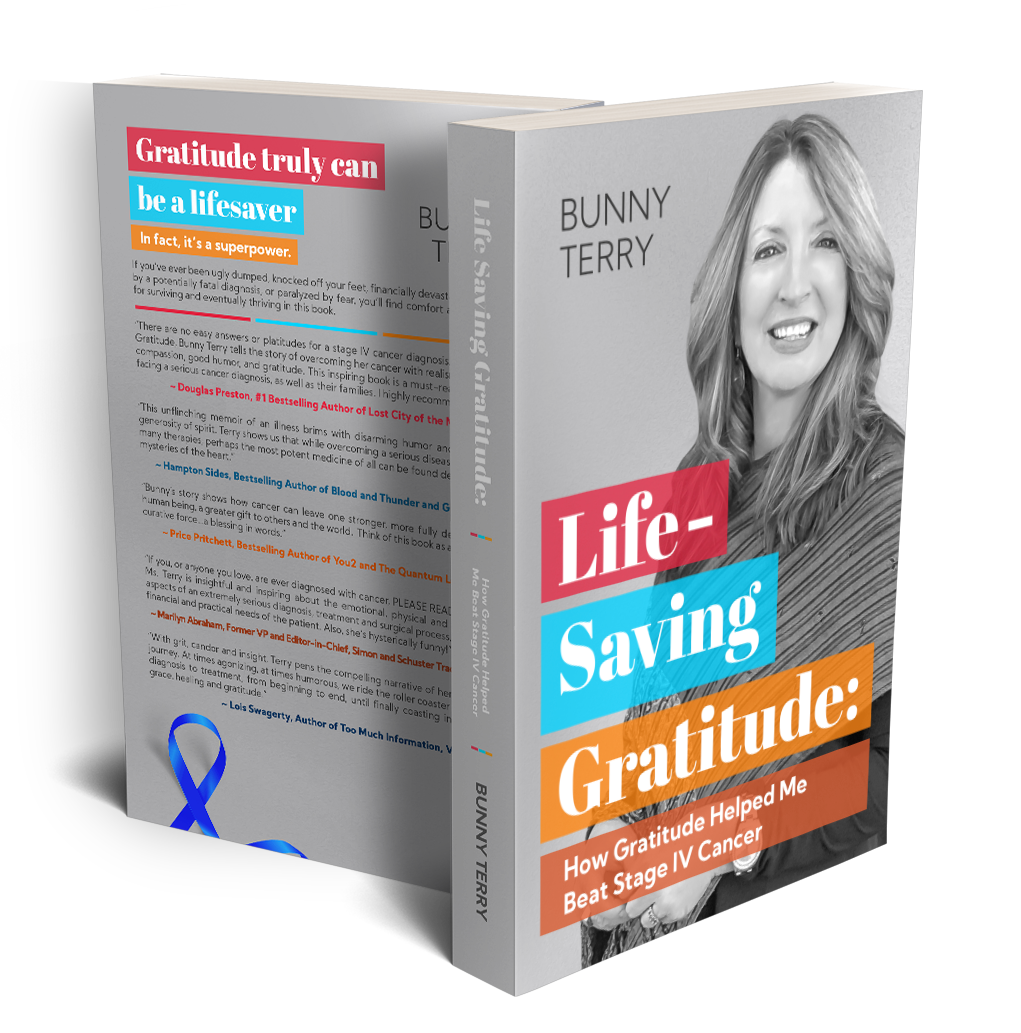
Buy Lifesaving Gratitude the book
Subscribe to Lifesaving Gratitude on your favorite podcasting platform





Featuring:
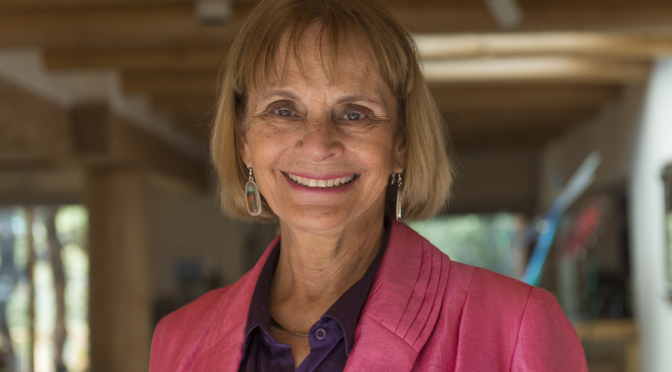
Anne Hillerman
Author Anne Hillerman continues the Navajo detective stories her father Tony Hillerman made popular. Her debut novel, Spider Woman’s Daughter, received the Western Writers Spur Award as best first novel. That book and the five novels that followed were all New York Times best sellers. Her seventh mystery, The Sacred Bridge, is set to launch April 12, 2022. When she’s not working, Anne likes to read, cook, ski and travel. She lives in Santa Fe with frequent trips to the Navajo Nation.
Episode Transcript
Bunny : (00:11)
We have a really special guest this week on the lifesaving gratitude podcast. And I’m so excited. Anne Hillerman our guest and she is an award winning mystery writer, but also has won some awards for other aspects of her writing. She is, and I know that this is always how you, maybe not always, but frequently you’re introduced as the daughter of Tony Hillerman, and for those of you who are not mystery readers or perhaps from the Southwest. And I can’t imagine anyone in the world that doesn’t know either you or your father, but. I mean, it would surprise me, but, as a native New Mexican, this is one of my favorite series in the world. And then last week I also took the time to download, the Tony Hillman’s landscape book that you did. And I just wanna let folks know that this is, writing that really touches my heart because it speaks to the, to the part of the country that I come from. But it’s also so incredibly well done. And as a very novice writer, myself, I’m fascinated by your process, but I wanna say first we talk in this podcast all the time about gratitude. And we talked to people who have been through incredible tra a or a chronic illness, or, you know, I’ve interviewed a young woman in Farmington who lost her child to suicide and somebody else I know who used to live with near me Albuquerque, who’s an amputee. And what, what I find always is that people are people from all over the country are incredibly talented and incredibly resilient. And you and I have become acquainted because you’ve been so generous as to donate your time for a celebrity dinner to the sweetheart auction, the cancer foundation for New Mexico, Sweetheart Auction. And, I think it, it would be great for just a minute for you to first tell our listeners who you are and how you come to be a fan of, or at least interested in donating to the cancer found.
Anne: (02:47) Well, thank you Bunny. And thanks for giving me this opportunity. I’m really thrilled to be able to talk with you and to talk a little bit about gratitude. My late husband was the photographer, Don Strel and Don and I were married for more than 40 years. Don was a wonderful, wonderful partner, full of life and also a wonderful photographer. And he and I did several nonfiction books together. The last of which was the book that you mentioned, Tony Hillman’s Landscape. And as part of that book, Don and I spent oh a couple years, at least traveling all over the Navajo nation, taking photos of places that my father, the author Tony Hillerman, had mentioned in his books. Well, shortly after we finished that book, Don wasn’t feeling well, he was diagnosed first with kidney cancer. And then as part of the workup for his surgery was diagnosed with, CML chronic myeloid leukemia. And Don did well. He got good treat at the, Christus St. Vincent cancer center. He lived a long time with cancer, but eventually when he was in his mid eighties, the cancer took his life. But, I have to say, the treatment he got was wonderful, and it was wonderful for us to have that extra time because because of his good treatment. So I’m really, , grateful for the life we had together and grateful for the, I don’t know how to say this, I guess, the ease of dying that the treatment brought him. So when, I learned about the sweetheart auction, I was really happy to donate some of Don’s wonderful photos to be auctioned, and also to make myself available to anybody who would like to spend the evening and, and have dinner with me and talk a little bit about my journey from a journalist to a fiction writer and about my, my father, Tony Hillerman or about my, my work as a, , as a writer collaborator with the photographer with Don. So thank you for this opportunity. It’s really fun to be with you this afternoon.
Bunny: (05:08) Well, it’s been so much fun for me to prepare for this because I had read already a couple of your books, Spider Woman’s Daughter, and, Rock With Wings, I believe. And I think we should let our, listeners know that Tony Hillerman wrote a series of mysteries with first, with Joe Leor, right? Joe Leor was a Navajo, that’s Navajo, a policeman in the Navajo nation. And, then, I’m sorry, Jim Leor, how am I get, I wanna get the name.
Anne: (05:43) It was first Joey Point who was like the legendary Lieutenant and then Jim T, who was sort of LE’s prodigy. And then there’s a third, a third detective Bernadette Manto who,, starts out in the series as a rookie cop. And then after my dad died, I elevated Bernie to become a full-fledged, crime solver.
Bunny : (06:05) I have to tell you, she’s my favorite female character in fiction right now. I she’s. So she’s strong, she’s smart, she’s capable. She’s, , tough as a boot and young and clever. And, , she’s, she’s like our, our she’s like a current day wonder woman. I she’s, I loved that. And I, and I just finished the sacred bridge this morning, which is your new, which will be released in April. And I just…
Anne: (06:43) I Have a copy here.
Bunny : (06:45) Yes. A huge, and the lucky people who buy the dinner at the sweetheart option on March 12th, they’re gonna get us signed copies of the book. Right. , right. I, I thought, what, so your dad wrote this series of books. Tony Hillerman wrote this series of books, and then you, after his death picked up with those characters and wrote, is it seven more? Is the sacred bridge
Anne: (07:17) Seven? Yes. Sacred bridge is the seventh, the seventh in that series in my, my reconfiguration of the series. And my dad had 19. So yeah, it’s a really long and, and very successful legacy. I think one reason that, well, I think there are maybe two main reasons that readers like it, first of all, , my dad was able to really make the Southwestern landscape almost a character. And I think so many people, even if, if they don’t live here, they’ve come to the Southwest. They’ve gone to the grand canyon or canyon Duche or Chaco canyon, or maybe, maybe they’ve come to Santa Fe, which figures in a few of his books. And so they have warm feelings about our beautiful landscape. And I think that’s one reason the books appeal. But I think the other reason is that my dad was just such a fine storyteller and he was able to build suspense.
Anne: (08:14) And, the, his first book came out in the 1970s and it was Joe Lee porn as, and that was kinda a, a supporting character, but it was really the first time that a native American had been more than just kind of the guy who rounds up the horses or the guy who, you know, cooks dinner for the group, that’s out cooking. I mean, out, , gathering up the cattle. It was really the first time that a native American had been presented as a professional crime solver. So then after dad’s first book was called the blessing way. And then after that, Joe Leor then became the main character and in all the rest of dad’s books, Joe Le porn, and then Jim Chi later are the, are two Navajo detectives who solve the crimes. And often in dad’s books, the bad guys are once in a while, they’re in Navajo, but often they’re white guys who are trying to make money on the Navajo, or maybe in a few, , into, from other tribes. Anyway, my dad was really a, pioneer in broadening the mystery genre genre from an urban white man to something different. And I think readers were really ready for that.
Bunny : (09:29) Well, I have to tell you, when I was, in the late seventies, I was 19 years old and I, moved to Farmington and worked at San Juan community college and lived with a Navajo woman who her, you know, my goal was just to make it through, , freshman English and hers was to be the first female president of the Navajo nation. And so, , that is, and, and I’m not speaking from any point of reference. I’m not an expert in any way, but your dad, and then you take a really complex culture and make it very understandable, , that, you know, the, the way that, the people who are Navajo greet each other and speak of their clan and, and sit very PA wait very patiently to listen to their elders speak. That’s, that’s, you do such a great job of how that works and how violent crime is not the norm.
Bunny : (10:43) I and I knew some of that from living with Phyllis and from going her mother lives in Lina, which is where, , your heroin’s mother lived. But I, and I told you in my, , when I made the query that, , once when I moved away from New Mexico, which was not very often, , and lived in North Carolina, I went to the library and got all of your dad’s books, because it just took me home. It made, , it, it made me so happy to read those books at that point in time. But I, I do think that I I’d love for you to talk a little bit about that culture and, and how, I mean, that’s hard stuff to learn. It’s very complex.
Anne: (11:33) Yeah. You’re, you’re right. I’m lucky that I have a couple of really wonderful, , Navajo friends who help me. And again, I’m not an expert and neither is my dad. I mean, the, the point of these books really is to, , , give people some insight into the, into the, the Navajo culture, but mostly to give them a good story, you know, the books, they’re not, they’re not anthropology, they’re mysteries. And so you, you know, it’s, I try, I try to always be respectful and, and true to the Navajo culture, but, you know, at the same time, my main job is to come up with a good who done it, you know, to plant some clues and then have the, the crime, , solved at the end. But it’s been really interesting to learn what I have learned about, about the Navajo culture. And one reason that, , the character of Bernadette Manto, who’s my main protagonist.
Anne: (12:31) One reason that that Bernie appealed to me was that like a lot of modern women she’s balancing a full-time career, but also her duties as a daughter. And I think in the Navajo culture, and particularly traditionally those duties were taken very seriously. I mean, the family obligations came, I think, unlike in, in mainstream culture. So when Bernie’s mother, , says something to her, gives her advice, even if Bernie, I mean, Bernie understands that her mother doesn’t know what it’s like to be a, a, a law enforcement person, but she still really respects her mother and listens to her and always, always with respect and, , another complication that’s been fun to write in the series. When I decided to make, Bernadette, Manto my name character, I faced the challenge of, trying to round out her personality. My father had used her mainly as a, a sweet young thing who was Natalie in love with her boss. And she brings him coffee. She drives him around when he breaks his foot, but he hadn’t really used her as a fully developed character. So it, it dawned on me when I was going to do this, that I needed to give Bernie, a backstory. So in addition to her mother, I gave her a, a clan brother who works with her at the police department, and then a younger sister who is still kind of struggling to find herself. And it was, , it was interesting. I mean, then besides writing the mystery itself to have to have all of these sub plots, that would be interconnected and to have basically a trio of main characters, each of whom had to have some role in the story. So, yeah, it was a, and I had never really thought that I would become a fiction writer. My background was in journalism. So after my dad died, one thing that motivated me to, well, two things, two main things motivated me to carry on the series. , one was that non-fiction book. You mentioned the book that Don and I did the Tony Hillerman landscape book. And when that book came out, the publisher, , asked me to do, do a, a little book tour. So I went to some libraries and some community centers and talked to a few book clubs. And, I had a lot of fun doing this and pretend that the wall behind me is a screen. There would, would’ve been Don’s beautiful photos projected. And I would talk a little bit about where we had been on the Navajo nation to take those photos. And then I would ask people if they had any, when I was done with my talk, I’d ask people if there were any questions and inevitably the first, second, third question would be, so did your dad have any more Jim Che Jo Leor books? You know, was there anything with the publisher, anything with an editor, anything, anything, anything, and I’d have to say, no, dad really took care of business before he died. And then the person a, I could just really see their disappointment and they’d say, oh, well, it kind of like you buddy, I’ll just have to reread the whole darn series again. And, you know, it was, it was, it was tough. So after maybe 10 or a dozen times, I thought, well, darn, I’m gonna miss these stories too. And since I am already a writer, even though I’ve never written a novel, maybe there’s something I could do about this. So that was that the, the, what can I say the longing of, of other readers was one thing that motivated me. And the other thing was the character of Bernadette. Manto the, in the, the Navajo tradition, strong women are really the rule.
Anne: (16:29) I mean, women own the property, women, women own the own, the livestock, basically women run the show. And, , one role of men kind of like the Jim Chi role is to be sort of the spiritual director, the, kind of the, I guess the, both of them are the heart of the family. But if anything, the men would be a, maybe a little more interested in the, the children’s spiritual development, whereas the woman would be more interested in making sure they get an education and making sure they, you know, they can, they can fin for themselves in this big world. So I thought, , it’s time for a woman in, in these mysteries to kind of rise, to rise to the forefront. So I was awfully glad that my father had created the character of Bernadette Manto, but never really developed her to her full potential. So I guess those two things were what inspired me to, , to continue dead series.
Bunny : (17:27) Well, you know, as an aspiring writer, I’ve tried my hand at both. I’ve tried my hand at nonfiction and at fiction, and I wrote this nonfiction piece that is a memoir, but fiction is tricky. I mean, it’s, it’s, , I mean, when you, when you start to write nonfiction, you kind of know the direction you’re gonna go anyway and fiction, especially mystery. And I never would’ve said I would say, you know, five years ago, I never would’ve said that I love mysteries. And yet the writing is so intricate, you know, I mean, now I’m a huge fan of Louis’ penny and you know, our other local guys who, the, the, the men in Santa Fe who write, Michael writes a fun mystery. So I can’t imagine the process of sitting down to write something as intricate and as plot driven as a miss. So I’m really interested in, I mean, do you have charts all over the room? How do you keep people straight? How do you keep your plot straight? I I’m so interested in that process.
Anne: (18:40) Well, you know, there are, several different approaches that, that mystery writers take. There are people who use outlines, and I think that makes a lot of sense, but I’ve never really been able to do it. So I usually start, , writing a letter to myself. And in that letter, I will try to, explain why it is that I wanna write this book. You know, what the goal of it is what kind of character Toland I would like see with Bernadette Manto and Jim Chi and Joe Leor. And if any of the minor characters I created, like Bernie’s mama, her sister, you know, kind of how I would envision them changing from the beginning of the story to the end. , I always think about setting setting is really, an important, , engine that drives my work, where on the Navajo nation, is the story going to unfold?
Anne: (19:34) Are the characters going to go off the, off the Navajo nation? And if they are, you know, where will they be and why are they there? So I try to think through all of this thing, all of these things, I think so, you know, who could this bad guy, what’s, what’s basically the, the basis of the story, , in, in sacred bridge, , one, , there were, there were two things that my, my book that’s coming out in April is the first book I’ve written, where Jim Chi, , is really the main character. His story is the central story. And then the Bernadette Manto story is not exactly a plot, but it gets a little less attention than the Jim Chi story anyway. So I think of which of my three characters is going to be the, the one who will drive the plot. Oh, if anything else comes up to me, I’ll put it in that letter too.
Anne: (20:27) I give myself some, I try to give myself some encouragement in case I get discouraged on the way. And then I basically just start writing. And as I’m, and those, the first, I’d say the first month is really hard. And then as I, as the story begins to unfold itself, it gets easier and easier. And then, , and, and it also gets more complicated. So I’m, I’m working now on book eight and it’s to that point where I can just, I can barely stand to take off an hour to talk to you because I’m just so, I’m so excited to see what’s gonna happen next. So, , you’re right. It is a complicated process. And I think, I mean, you know, from having written nonfiction, when you’re writing nonfiction, even though you don’t know everything, you kind of have the basic plan of it. You know, I’m writing this book because I wanna tell my story, oh, say my story as a cancer survivor.
Anne: (21:23) So you might start with your, you know, with you my open, with an exciting scene of a treatment or your diagnosis, or I don’t know, whatever. And then you give some backstory and you put in some scientific stuff and, you know, then you ended on a, on a high note cuz you’re still here and I’m glad you are right. Anyway, with fiction with mystery, it’s kind of the same thing. You have the, the basic traditional framework where you have to start out, I’d say within the first chapter with a pretty major crime, I mean, murder is, is ideal, but maybe a kidnapping or a, , a big embezzlement, something, something big, you know, and then you put in some, , some gut guys who seem like they’re good guys who turn out to be bad guys. And some characters who seem, seem like they’re evil, who turn out to be either just, , troubled or actually good characters who are just difficult personalities.
Anne: (22:21) And then you have some, some clues that don’t lead anywhere and your detectives get all discouraged. Then finally they, they get on the right track and it looks like they’re not gonna solve the crime because something terrible happens, but then they solve the crime. So, I mean, that’s kinda the, the nutshell of almost every mystery, you know, and the, so what we as authors have to do is add enough, interesting, original, juicy detail that when readers are looking at it, they can’t figure it out before they at least get to page 300 or three 20, if it’s, you know, 3 50, 350 pages. So, you know, there’s something that keeps them reading and when they finish it, you know, they are happy that justice is served and your main characters have lived on to solve another solve, another crying. So that’s, that’s kind of mystery writing 1 0 1 from Ann Hillman’s perspective.
Bunny : (23:15) Well, and you, I mean, spoiler alert, both of, both of all, three of the characters survived this most recent, , the sacred bridge, but I gotta tell you, there were a couple of times when I wasn’t sure it was, I read one of the, one of the advanced reviews and somebody said, , the man Bernadette, Manto going undercover was really harrowing. And it was harrowing. I was, I kept thinking, I, I, sometimes this will happen. I will be watching something on TV that I, you know, my husband likes to watch stuff. That’s gonna shoot him up and I’ll say, can we just go to the end? Can I just get to the end and skip the stuff that makes me tenses? And I almost did that. I was like, I just wanna go to the end and see how, but however I kept reading.
Bunny : (24:09) And, it’s pretty intense. I can’t imagine. I think I read, part of your dad’s memoir, the, Seldom Discouraged, which, or Seldom Disappointed. That’s what it is. Right. Self disappointed. Which, which is a, I mean, I love that title. I mean in my life I’ve been seldom disappointed. , but I, I was reading where he’s, you know, his first, novel, the first, run he made at writing a mystery novel was, rejected right outta hand. Right? That’s, that’s what I recall. And then he luckily found somebody else, but I can’t imagine doing this, without the experience that You have.
Anne: (25:00) It’s a, it’s a special form of insanity, I think.
Anne: (25:05) Yeah. I guess it was in my genes. I don’t know. I always had loved reading mysteries. And I think that that helps because, I mean, like I was explaining the genre and I’m sure mysteries are the, are the best selling genre and then followed by romance, which often surprise. Wow. I didn’t know. That seems like romance would be first. Anyway, I think people, and there are people who read like a mystery a day. I mean, there are really avid avid readers. And, and so when I’m writing, I often think there are people out there who know more about everything than I do. So it’s the, , the one part of writing fiction that I hadn’t really expected until I get into it was how much research you have to do. You know, you need to, any writer, you know, who’s writing about any real place or real event. You need to get that. You need to get that right. Because if that isn’t doesn’t ring true, you’ve immediately lost your credibility with the readers. You know, they think, well, if this person can’t describe downtown Santa Fe, how in the world can she put together a story that’s gonna keep, keep my interest.
Bunny : (26:16) Well, and you said in your acknowledgements that this was a little trickier to write because it was during COVID and you couldn’t go to lake Powell and you couldn’t. I mean, talk to us about that.
Anne: (26:29) Yeah. It was part of the, when I first got my idea for sacred bridge, I wanted to set a major scene at antelope canyon. Antelope canyon is a beautiful area. That’s adjacent to lake Powell. That’s part of the Navajo nation. And all the tours are run by Navajo families. And so I thought, well, this will be great. I’ll have the people who run the tour somehow, , connected clan wise to Bernie Manto or to Jim Chi. And they’ll go on this tour, neither of them have ever been there. And I had never been there. So I thought, well, this will be great. I can see this beautiful place as part of research, but anyway, because of COVID, the Navajo nation wisely said, we don’t want any outsiders here. You know, we have to keep our own people safe, which was, a smart move, but difficult for those of us who really needed to go to lop canyon. So I, this, that scene was going to be my opening scene. So I thought, well, I’ll just start with chapter two and, you know, keep on writing and, and maybe things will get better. Well, as we all know, things on the Navajo nation particularly did not get better for a very long time. So eventually I thought I’ll just have what I was going as an active scene. I’ll have to do it kind of as a flashback. So I, I was able to do that. And luckily in this age of YouTube, there are lots and lots of videos of people hiking in antelope canyon, people doing upper antelope canyon and lower antelope canyon, Navajo tour guides talking about out and lo canyon. So it wasn’t the same as being there, but it was, it was better than nothing. So I, you know, I used that and just, and I had been to lake Powell, luckily, so I was able to, you know, call on my, on my memories for that. Anne: (28:20) But yeah, it was being in the landscape itself, , charges my batteries and gives me great ideas for, for the plot for characters, for, , little snippets, little interesting snippets I can put in my book. So yeah, it was a challenge to write the sacred bridge without doing that. On the other hand, the good thing about the pandemic, why that, instead of getting all the juicy temptations from my friends to go out to dinner, to go, to go somewhere, to do something, I was basically home with my computer. So in a way the pandemic was, it was like a good thing and a bad thing when it came to writing
Bunny : (29:03) Well Anne Patchett, I just I’ve been reading a book of hers. And she said it was, it was like a writer’s dream in a way, because you’re always thinking if I just had hours and hours of uninterrupted time. And, and that’s what the pandemic gave us. But you also talked, I mean, I could not for the life of me, although there are a lot of Navajo words that are hard for me to pronounce. Can you pronounce the Navajo word for the pandemic? No. Nope. It’s it’s about as long as my arm and then they called it?
Anne: (29:43) The big cough.
Bunny : (29:44) Which is so appropriate. I mean, yeah,
Anne: (29:48) Yeah.
Bunny : (29:48) So literal. Yeah.
Anne: (29:50) Yeah. I was able to, I was gonna say I was able to put that too good, not to good use in the plot. And it was, it was funny. It, that just kind of came to me all of a sudden, I thought, gee, now my, my characters are in a bad situation and I’m thinking, how will they get out of this? And I’m knowing that they all have a pretty good sense of h or. So I’m thinking, oh yeah, what about this? And I thought, oh, this might be too silly, but actually I think it, I have, after I finish a book, I have, , what I call my be readers and they’re, , people who have done a lot of reading, some of them are writers, former librarians, editors. And so I kind of take a deep breath and send my manuscript off off to them. And they know me well enough that they feel free to tell me honestly what they think. And they all like that scene that has to do with the big cough so that I was reassured, it’ll be interesting when the book comes out in April, it’ll be interesting to hear what readers, what other readers think?
Bunny : (30:51) Well, I, I loved it. I thought it was I cuz I could not figure out how the, how that was going to get resolved either. So, and that was one of the things I was really too tense about. My husband says, when we’ll be watching a movie, he’ll say, oh, look at you and you are there, you are in the scene. You know? So, so I get pretty immersed, but I was really, really tense about that. I, at the end of the book, you also say that the last chapter is hard for you to write because, and I forgive me if I’m remembering this incorrectly, but you sort of hate to leave your characters, is that right? I mean there’s some of that.
Anne: (31:35) That’s really true. And I have to say, I always feel that I should have done a better job for them. And I think, that’s why I keep writing because I’m hoping that each, that the next book will be even a little better than the, than the one that just finished. And it’s funny that after I set it aside for a few months and I go back and I read it, I think, oh, well this is better than I remembered it. So anyway, it’s kind of a funny thing, but yeah, and it, it is hard to, it’s like, you know, I’ve lived with them for a year, you know, waking and sleeping. And even when I’m not writing, they’re always on my mind, I’m, you know, trying to, to even subconsciously figure things out. So then when it’s done, it’s, it’s like saying goodbye to a dear old friend, you know, even though I know as a writer, I’ll see them again still, there’s a little, a little sadness there getting it finished, but also relief thinking. Now I can, you know, do my laundry and you know.
Bunny : (32:36) Well, well tell me about. because I’ve heard other writers say this, but do you sometimes feel like they take on a life of their own and then they start to tell you what they’re doing or do you direct all of that? I’m curious about whether that happens with you.
Anne: (32:52) I do feel like they take on a life of their own in the other book that you mentioned rock with wings. That was my, the second novel that I wrote. And my idea was that in, in the first novel, the first novel I had to establish, Bernadette Manto as a full-fledged strong crime solving woman. But in the second one, I thought, well, now Bernie and her husband, Jim cheek can work together. You know, they can be a, a pair of crime solvers and you know, this will be fine and this will be a lot easier than having to think of two separate stories. So I started to work on it and I worked on it for probably about a month and it was just awful. It was just, I could barely stand as to sit down and work on it. It was so awful and I couldn’t figure figure out what the problem was.
Anne: (33:43) And then one day my dog and I were out walking and it suddenly dawned on me that Bernadette Man had been like the sidekick, the sort of sweet young thing for, I think, 10 of my dad’s novels and that she was done with that. She didn’t wanna be the sidekick. She didn’t wanna be a partner. She wanted by g to have her own story. So once I realized that I came up with another story that had to do with solar energy and some oh, what can I say? Not exactly fraud, but misadventure in the, all their energy world. And, I’d let Bernie handle that story. And then it was like, then it just practically wrote itself. So yeah, I think characters do take on a life of their own. And in this is funny in a, another book I was working on and I was kind of stuck and I had this dream and I was in up a, a high school gymnasium and they were getting there, there was gonna be a bake sale or some kind of a fundraising thing, but, and they had the tables, but they didn’t have the table cloth. They didn’t have the cookies set up and I’m walking around kind of fussing. I don’t know. And I noticed against Bernadette Man was there leaning against the wall, just kind of watching me. So I go over and she says to me, you know, you don’t have to worry about this. It’s gonna work out. All right. I think, okay. I guess I don’t have to worry, I guess, whatever it is, my own, , internal bake sale is gonna be all right. So yeah, here’s to you.
Bunny : (35:22) That is so cool. She is, she’s so fun and I can’t wait to see what happens next. You know, I’m really, I’m worried about Darlene, who is, you know, occasionally, , her own worst enemy. This is that’s that’s, , Bernie man’s little sister, and, you know, I’m dying to know what happens with slim. The boyfriend that her mother says is not good for her, but, I’m hooked, I’m hooked on these two I’m I’m, I’m totally hooked. And so I can’t wait. You’re working on the other one right now. The next one.
Anne: (36:04) That story I am, I am, it’s gonna, it’s going to be said at theirs ears, you know, the big new national park in Utah. And, I can’t, I mean, I don’t wanna say too much about it, but one of the themes of it is gonna be paleontology. And that is a lot of fabulous dinosaur fossils that have only been found there, come from bear’s ears and they have, a dinosaur it’s called, oh, oh, I can’t remember exactly the name, but the, it translates into, into now warrior. And it was found this, this, , the sty was actually found on the Navajo nation, but then someone, scooted off with the, with, with all of the bones of it. But at least they named it after the Navajo people. So anyway, I’m, I’m having a lot of fun with, with this, and I’m getting ready to go to Utah in a couple weeks and do some in person research. I’ve, I’ve already made one trip, but I think I’m looking forward to it. It’s nice that now I can travel again and actually go to the places where, where my stories are set.
Bunny : (37:14) It’s so exciting. Well, I’m going, we’re gonna get out the, Tony Hillerman’s landscape book for which you want an award. And, you know, my husband is a native, new Mexican as well. So we’re going on the road again to take a look just like you were so excited to travel. I just want at the, because we’re, we’re close to the end. I just want to let folks know that this dinner that we’re doing, , is also includes James McGrath Morris, who wrote this amazing biography of your dad. That’s it’s up? Is it up for a poet? It’s up for some award?
Anne: (37:55) I’m it’s up for the, the Edgar award it’s, that’s, it’s a huge award. So answered by the mystery writers of America, and they have five or six categories, one of which is biography. So my fingers and toes are crossed that, that Mr. Morris’s book will win. I worked closely with him on that book as did my brothers and sisters at that point, two of my aunts still alive, my dad’s sister and, and my mom’s sister who both knew, knew Tony Hillerman very well. And so they shared their insights. James McGrath, Morris, like my dad, who’s a journalist who then became a teacher, and now he’s a, a full-time writer. He’s a wonderful writer. I highly recommend that book to anybody. Who’s interested in learning more about my dad. It’s published by the University of Oklahoma press. And it’s a nice, my dad, as you mentioned, told his own story in seldom disappointed, but, , Jamie’s able to, , talk in a, in a little more depth about my dad’s, career as a journalism professor and all of the people who we in, not all of them, but many of the people who we influenced, as a teacher, before he became a full-time writer. Anne: (39:14) So, anyway, I, I love that book. I think even if, if the guy and it wasn’t my dad, I would still like it because Jamie does such a good job of telling the story. So I thank you for mentioning that I’m, I’m really happy that he’s gonna be part of that dinner.
Bunny : (39:31) Oh, me too. I mean, we’re calling it a double dose of Hillman because they get you, they get the guy who wrote the book about your dad, but I don’t wanna be presumptuous, but our backgrounds feel really similar because I think, you know, my dad was a huge influence in my life and taught me everything I know about gratitude. I mean, he was a, he grew up on a farm and I grew up on a farm and he always said, if my life was any better, I’d have to be two people. I mean, he still says it. He’s still alive, almost at 90. And I get that from reading about your dad, that he was this positive encouraging piece of your life. I’m just curious if, I mean, we, we always talk about gratitude, but tell me about, , your gratitude practice or where you, where you learned about gratitude.
Anne: (40:21) Oh, I would say from, from both of my parents, yeah, my dad, I think my dad was just, he was grateful for, for everything. I mean, he grew up really poor in Oklahoma, and then he went, he, , enlisted in world war II where he was quite old enough because his mother signed, who was a widow, signed the papers, and then he was almost killed in world war II, survived that, , and then he met my mother and I think his, his ultimate gratitude was, was for my mom. And they had, they were married for more than 50 years. They really were just terrific like life partners. So that, that had a great effect on me too. I mean, just seeing their, just their gratitude for being together and for having so many common interests. Right. And I think one of the, the keys to my dad’s professional success was that my, my mother really understood that he needed to be a right.
Anne: (41:20) So he had been working in journalism and I mean, he was doing fine, but he had no time to pursue his, his, , dream of writing fiction. And he got a job offer to move to the university of New Mexico, , first in administration. But the offer included a chance to get his master’s degree and then to become a journalism professor. And it meant, an income reduction because he couldn’t be working full time while he was going to school. And, and my mom said, of course, you have to do it. You know, we’ll get by, you know, this is what you need to do. And I’m here to support you at that point. My parents had five kids and my mom said, you know, if I need, if I need to go to work, I’ll go to work. We’ll figure this out, you know, or you, you need to do what you need to do.
Anne: (42:09) And I think, my dad was in grateful that he had been, had, had the good fortune to be married to a woman like that. And on the other side, my mom was, was brilliant. And I think being married to somebody who wasn’t her, intellectual equal, would’ve really been pretty boring. So I think both of them just found what they, what they needed and into. They taught all of us, all of their six children you know, to be, to be grateful for, you know, having a, having a stable home, you know, having, having books on the shelf, having, having each other. I think that was probably the main thing.
Bunny : (42:50) Well, I love that I’ve read several interviews that you, the transcripts of the interviews you’ve done, and you come back over and over to how grateful you are for books. And I mirror that. I think what, what would, I don’t know what my life would be. I mean, certainly we wouldn’t be having this conversation if I didn’t love books, but, what a gift every day to just get to open up your Kindle or go to the bookshelf. And I mean, this is, this is just a tee-niney little piece of what we have, but, I love that you’re grateful for books too.
Anne: (43:26) For sure. And I’m also grateful for public libraries. I think we are just so fortunate to live in a country where anybody can read any book can have access to a computer, can have, you know, programs for little kids, you know, advice for seniors. I think libraries are just such a treasure and so important to our democracy that whatever I can do to support literacy programs or libraries, I’m all in
Bunny : (43:55) Well, and we could talk for hours. I always say this at the end of my podcast. I’m like, I could, we could keep talking for hours, but we do need to wrap this up so you can get back to writing that next novel. And, yeah, that’s
Anne: (44:11) You gotta get to work.
Bunny : (44:15) I’m so grateful that you agreed to be our celebrity guest this week. Thank you so much. And I hope to meet you in person soon.
Anne: (44:26) Yeah, it’s been, it’s been wonderful. I really appreciate your time. And I think, I think your programs really kind of encourage people to look on the bright side of life. So thank you for doing your podcast.
Bunny: (44:42) That’s all we’ve got today. Friends. I wanna thank you for joining the lifesaving gratitude podcast with your host Bunny, Terry, that’s me and my producer and assistant Johanna Medina. We feel like we’re in the business of sharing the stories that save us, and we hope you’ll share as well by letting your friends and family know about the podcast follow and like us wherever you listed. And please take the time to leave a review, whether it’s a stellar comment or a suggestion, we are open to suggestions all the time. Also follow us on Instagram at live saving gratitude pod. You can also follow me personally at bunny Terry, Santa Fe. You can sign up my website at bunnyterry.com to receive weekly emails about how to become the ultimate gratitude nerd. Thanks so much for checking in.

About the Podcast
Gratitude is a superpower. It can transform—and even save—your life. Author and activist Bunny Terry discovered the life-saving power of gratitude when she survived Stage IV colon cancer. She interviews a wide variety of guests who have also used the art and science of gratitude to survive, and thrive, in their own lives.
Recent Episodes

I Love New Mexico Teachers: Bunny Terry
About the Episode: Summer is coming to an end and a new school year is...

I Love New Mexico Food: Kirk Muncrief of AlbuKirky Seasonings
About the Episode: In New Mexico you know we love food AND we love spicy...

100th Episode Recap: Bunny & Johanna
About the Episode: The I Love New Mexico podcast has made it to 100...
About the Episode:
Can gratitude help you to become a . . . better marketer or realtor? It might sound like a strange pairing, but it’s worked wonders for Craig Cunningham, a Sante Fe-based realtor, 30-year veteran in the hotel business, and founder of the marketing firm Cunningham + Colleagues. In this interview, Craig shares what he’s learned about using the power of gratitude to build a successful career in marketing, customer service, and sales and get him through his own battle with cancer.
Resources mentioned in the episode:
- Bunny’s Website
- Lifesaving Gratitude: How Gratitude Helped Me Beat Stage IV Cancer by Bunny Terry
- Cunningham + Colleagues marketing firm website
- Sante Fe Kitchen Angels
- How to Win Friends and Influence People by Dale Carnegie
- Craig’s Blog: Santa Fe Scenes
Subscribe to Lifesaving Gratitude on your favorite podcasting platform

Featuring:
Craig Cunningham
Thanks to a career in the hotel business, Craig Cunningham has traveled extensively throughout the world and now calls Santa Fe home. As an enthusiastic observer of cultures, traditions and history, Craig enjoys sharing all things Santa Fean and New Mexican.
Bunny met Craig as a fellow realtor at Keller Williams in Santa Fe. Craig’s experience as a hotelier and his expertise in sales and marketing gives him a unique perspective on customer service. Craig knows just how valuable it is to show gratitude toward his clients and colleagues.
He writes regularly about Santa Fe on his blog, Santa Fe Scenes.
Episode Transcript
Bunny: Hi everyone. This is Bunny with the Lifesaving Gratitude podcast. Just in case you don’t know me, I am a stage four colon cancer survivor and the author of Lifesaving Gratitude, which is a book about how gratitude helped me kick cancer’s ass.
Today we’re going to talk to a special guest about how marketing and marketers can use gratitude to create business and connections with clients and also for themselves to create a really positive way to do their job. But first, I just want to thank you for being here and ask that you download the podcast if you’d like. And certainly subscribe wherever you listen to other podcasts. But enough about me and enough about the podcast.
I want to introduce you to my special guest, who’s also a friend. Craig Cunningham is currently a realtor with Keller Williams, Santa Fe. And that’s how I met him. However, this is a recent career for him and he was, and correct me if I mispronounce the word, but you were a hotelier. Is that the way to say that?
Craig: Yes.
Bunny: Yes. He’s spent 30 years in corporate sales and marketing. He’s traveled extensively. I’m going to let him tell you all the places that he’s been to, but he is the founder and principal of Cunningham + Colleagues marketing consultants. He was in the past the VP of marketing and quality for Seaport Hotels and World Centers and the VP of marketing for Core North America. So welcome Craig Cunningham.
Craig: Thanks so much for having me on your podcast.
Bunny: I’m excited. I know you have some great tips for all of our listeners. When I think about these podcasts, I always think about the people that are going to want the information we’re offering. I mean, we’re here to help people and we’re here to figure out how gratitude can make everyone’s life not just easier and simpler, but also fuller. So why don’t you start, Greg? Just tell us a little bit about yourself. Tell us how in the world you ended up in this completely different career? And yet the truth is we’re still just marketers first and realtors, second. Tell me a little bit about yourself. Tell our listeners.
Craig: Yeah. So, as you said, I’ve been in marketing and sales for more than 30 years. I actually started off with an advertising and PR agency and then had the good fortune to be hired by my hotel client at the time, Wyndham hotels. At that time it was a North American chain and it’s now international.
But from then on, I was in the hotel business. It’s definitely a career where if you are not focused on client service and the whole concept of gratitude, you’re not going to be successful. I always thought of our job as just surprising and delighting our guests and making them feel like they chose the right hotel to be with. And so it was always about waking up every day and saying, “What can I do to make somebody’s day and to give them a great experience?” And, of course, to do this you have to be grateful because they opted to choose your hotel over the million other choices that they had.
So when I retired from the hotel business two years ago, I was trying to figure out what else I wanted to do with my life. I started doing more volunteering. I volunteer with Kitchen Angels here in Santa Fe to deliver meals to people who are not able to leave their homes. But I also started thinking of whether I wanted to do something else from a professional standpoint and the real estate business seemed like a natural extension, because it’s all about client service. You have to figure out ways to make people feel like they’ve made the right choice in working with you. So it’s all about being grateful every day and figuring out what can I do to help them today. How else can I extend what I’m doing for them in a way that they will appreciate and know that I appreciate them. So that’s what it’s really all about, because of course they could work with a million other other people
Bunny: Right. And let’s talk for just a second. Don’t you think that marketing has changed over the 30 years that you’ve been doing this? I mean, it seems to me that when we were kids, which was back before the crust cooled, we were sort of marketed at. Just talk for a minute about how marketing is different now than it was 10 years ago or 30 years ago.
Craig: It’s funny, because I was going to say the exact same thing. Back in the day, you were running a TV ad or a radio spot or a print ad and it was passive in that you just presented the information, unless you were direct sales. But really with the advent of so much digital media, you are instantly able to forge a relationship with customers through social media, through Facebook, Instagram, where you’re having a dialogue with them from the very beginning. This allows you to work in a much more personal way and to be able to find out much more quickly how you can serve those people.
So I think it’s changed completely. Before you just sort of put it out there into the ether and hope that something worked, and now you’re able to engage. And I’ve found that so much in real estate where I’m getting emails from folks and then it evolves from the email into a phone call or a zoom call or something like that instantly. I think that’s so much better for both people. Especially for somebody like me who wants to find ways to engage with people and to be of service to them, it makes it a lot easier and more rewarding.
Bunny: I just think about the ways that I connect with my clients. It’s as if you’re somehow conveying to those people that you’re grateful that they showed up.
Craig: Yeah, exactly. I mean, my whole thought is that it’s not a transaction, it’s a relationship. And that relationship can be multifaceted. Once you’ve sold them a house or sold their house, I like to think that we’ve formed a friendship and a bond and that relationship is going to continue. And honestly, I don’t even care if I ever get another piece of business for them. Now think of them as friends. I want to have them to my house for dinner or go have coffee or something like that.
I think that kind of thing that makes a difference for people in wanting to work with me. It’s coming from a position of wanting to be of service to them and wanting to make them happy and finding the right solution for them. I’m working with some first-time-buyers right now and I kind of feel like they’re my kids. It’s about, okay, how can I really help them with this? And they’re grateful for the counsel I’m able to give to them, and I’m grateful for the opportunity to work with them. So it’s very rewarding. I think if you approach business relationships in the same way as you would with your friends, it’s a win-win situation for everybody.
Bunny: Well, talking about those first-time home buyers, I mean, that’s one of my favorite deals. You never make the most money from those transactions, but I’m so grateful to be reminded that we are providing the American dream when we’re selling real estate. Yeah. It’s amazing. It’s my favorite experience.
Craig: Yeah. I mean, for somebody to have their first home and to be excited about how they’re going to decorate it and what they’re going to do. And with this young couple, seeing them excited when they see a house brings out all my empathy and makes me want to really go the extra mile for them to make sure they find the right house at the right price for them. And then I just never want to stop. So then it’s like, “Okay, now I’m going to find this person for you to do the plumbing, and I’m going to find this person, etc, and I’ll be with you with you to help explain things.” I just want to really continue to be of service.
Bunny: I talk a lot, especially on my blog, about Judy Camp, who was one of my first real estate mentors. She was a great friend and Linda Gammons partner for a long time before she passed away. But Judy Camp always says, “If you come from contribution, you can’t help but be successful.”
Craig: Yeah. I mean, just as I was saying, you can’t think of it as a transaction. I think, coming from contribution, how can I help you? How can I make this a better experience? How can I make this work? Because, especially in a real estate transaction, it can be stressful. It’s the biggest financial transaction for the majority of us. So how do you take the burden and the pressure away from them and sort of guide them through the process? I just think the main thing is that it’s much more fun, whether you’re doing volunteer work or in business, to wake up every day and figure out how I could make it fun for somebody else. Because then it’s fun for you and it gets you excited and passionate about what you’re doing.
Bunny: Well, it sounds like our big “why’s” are really similar. I certainly don’t want to put any words in your mouth, but it sounds like your big “why” is just to make the life of the people you come in contact with better.
Craig: Yeah. Of course making money is nice, but there are lots of ways to make money. It’s more about whether you are getting energy from it. And I think you really get energy when you’re working with someone and trying to figure out how you can help them, how you can make their day better, how you can make the service that you’re providing better. And also just doing things that saying, “What about if I do X, Y, Z?” and they’re like, “Oh, you’ll do that for me?” And I’m like, “Of course.”
I have another set of clients where the transaction was fairly complicated and we were looking at lots of properties. Coming from a corporate background, I love to do spreadsheets and PowerPoint presentations—things like that. And so after about the third thing we had to do, they’re like, “Oh, how are we going to organize all these bids?” And then one of the guys said to the other guy, “Well, Craig’s going to do a spreadsheet for us. He’s probably already got it done.” So it’s that kind of thing where you’re looking for ways to make their experience better.
Bunny: So this is always a funny question for me to ask, because I have such a loose gratitude practice other than just waking up in the morning and saying, “thank you, thank you, thank you,” and then writing things down, but do you have a practice that you follow that helps you both in your business and your personal life?
Craig: Well, since I came into real estate with Keller Williams, which focuses a lot on being servant leaders and helping people, I’ve gotten into the habit of writing three things I’m grateful for that day. It could be that it’s a beautiful day or a dog or my partner or the opportunity to help somebody or the coffee’s really good that day, but waking up and appreciating what you have in your life is a good way to get in a good mindset for the rest of it.
Bunny: Oh, absolutely. Something I always say is that we kind of rewire our brains. We do. We create new neural pathways every time we say that we’re grateful. So in terms of nuts and bolts, is there a way that you let your clients know? I mean, I find that there are a lot of young people, young entrepreneurs or people who are new to business, who forget how to tell their clients how they’re grateful for them, even if it’s a line in an email. Do you have something that you do specifically over and over?
Craig: I think for me, it’s maybe more in the actions. I think of “This is really going to be helpful if I do this or if I provide this information.” I think it’s always in my voice and the way that I write. I try to always communicate openly and in a friendly and conversational manner. But then I also think “It would be really cool and really helpful if I did X , Y , Z.” I created a whole PowerPoint just on the neighborhoods in Santa Fe, because if you’re out of town it gets confusing. And that came out of a client saying, “Well, I don’t really know the neighborhoods.” And I thought that this would be a great tool for them. So I created it and then I was able to use it with others.
So I think for me, maybe it’s sort of on the fly. I used to say in the hotel hotel business, “How can I make this a wow experience?” Because the other way to think about it is that every relationship is with people. When you’re in a service business you’re really in the business of creating memories. You can create good memories or you can create bad memory and it’s much more fun to create good memories.
Bunny: And that just comes from a spirit of generosity. I mean, you obviously want this to be the best real estate experience they’ve ever had.
Craig: Right. Right. I’m very grateful for the people that have helped me along the way. I’ve been very fortunate in my career to always work for people who were concerned about my career development and my personal development and became dear friends. And I’ve had a couple of bosses that have hired me twice in two different jobs. So I’m always grateful for the things that other people have done for me.
So then I want to pay it forward. When I came to Keller Williams and I was introduced to the team here, there was so much openness and willingness to share and help and support. It has been fantastic. What strikes me the most is how grateful I am for what other people have done for me. And how do I pay that back?
Bunny: I mean, this is not a podcast to plug Keller Williams. It’s really more to talk about mindset, but the place where I learned it was sitting in that training room and learning that my mindset was the secret sauce. I mean, that’s the success piece, right?
Craig: Yeah, exactly. It’s not just about production and everything. It’s about weight and having a sense of gratitude and contribution and a sense of abundance. And I don’t mean that in a monetary way. It could be abundance in your health or your friends or all of that kind of stuff. And I think back to you. Your experience with cancer was far worse than mine, but I did have prostate cancer about nine years ago. Everyone I worked with during that entire time when I was going for radiation every day for 10 weeks was so supportive. And then on the last day of radiation, there was this very important meeting, and everyone knew it was my last day.My whole team had a celebration for me on my last day. That was turning something that was obviously a challenging situation into something where I knew they really cared about me and supported me.
Bunny: Wow. I’m interested to hear how your mindset was in the middle of that?
Craig: I’m just by nature, an optimistic person. So even though it was scary, I felt like I was in good hands from a medical standpoint and I just felt like I was gonna beat it. I had done the education that I needed to and then it was really about having a positive mindset.
This is probably too much information, but I’ll say it anyway. You’re doing the radiation stripped down to your boxer shorts. And so I jokingly put this Facebook thing about the fact that I needed a new pair of boxer shorts for every day. And people started sending me underwear—different pairs of boxer shorts for every day. So while I was sitting there in the big machine, where you’re sort of in there and it’s buzzing and scanning and all that kind of stuff, it got to be kind of a joke with the techs: “Oh , what’s he going to be wearing today?”
Bunny: I love that.
Craig: That was a way to keep my spirits up. And also during that process, I really learned how to be very focused. I was in a waiting room with people that were going through, frankly, worse things than prostate cancer. Don’t get me wrong, prostate cancer is pretty serious. It is. People die from it. But I was seeing so many other people that were having a much more challenging time than I was. And we became a family. We all bonded together during that process, because we were all waiting, sometimes for an hour. So it’s things like that. And also things like the kitchen angels service, where it helps reboot you every day for how grateful you should be in your own life and grateful for the opportunity to help other people.
Bunny: Right. There are tons of people who do get what a gift it is. People who don’t even have a specific gratitude practice, but at least an attitude every day that you’re going to figure out something. I just wrote a blog post on limiting beliefs and one of the things that I wanted to convey is that we get to choose every single moment how we view the world. And maybe for somebody out there who’s brand new in business or who’s starting a new business. I just read a statistic that said that the entrepreneur demographics are changing. And now like 48% of new entrepreneurs are over 50. So hooray for the old people!
But I know that there are people out there right now who are thinking, “Well, I’m not any good at marketing. I’m not any good at that piece of it. I can sell stuff, but I’m not good at the marketing stuff.” I’ve got to tell you, I’m married to a guy who doesn’t believe in self promotion because he came from a generation when you played down your assets, instead of being grateful for them and talking about them. So I’d love to hear what you have to say to somebody who has that limiting belief that they can’t market. And they can’t promote themselves.
Craig: You know, we could all market ourselves, and we do it every day in our interactions. Whether we think of it as marketing or not, we’re marketing ourselves all day long in how we react and treat other people. The thought I had as you were talking about your husband thinking self-promotion sounds like a dirty word is that it doesn’t have to be you talking about “me, me, me” and “I did this million dollars in revenue.” This is kind of a turnoff in some ways, because you’re talking about yourself. But if you’re talking about how you can help somebody else and how you can provide a good experience for them with your information and knowledge, you’re not talking about yourself in that context. You’re talking about how you can be of service. I think that’s a much easier way for a lot of people from a generation where we weren’t really supposed to be talking about ourselves.
Bunny: Well, it was pre-social media. Our face wasn’t out there. We just weren’t trained to tell people, “Here’s the reason you should hire me instead of the other person.”
Craig: Yeah, exactly. I mean, now we’re all our own brands on social media. But I think that rather than saying to somebody, “Here’s why you should hire me versus somebody else,” you should just talk about how you can be of service in what you do in an authentic way. Then people are more likely to want to work with you, because you’re radiating a sense of positivity and an interest in them. And they’re not thinking that you just look at them as a transaction and then you’re onto the next person.
Bunny: I frequently use with my marketing coaching clients the example of a dinner party. If you went into a dinner party (and this is for people who are just beginning in whatever business they’re in, especially if they’re self-employed), you wouldn’t simply walk in, take your coat off and say, “Hey, I’m selling something, come and talk to me.” Right? I mean, that’s what you don’t want to do with marketing. You want to start by building a relationship. Can you talk a little bit about that?
Craig: I think it goes all the way back to Dale Carnegie’s How to Win Friends and Influence People. People do like to talk about themselves. And so the first thing is you should be listening. That was one of the first things I learned in marketing client service. You need to ask questions and learn from your clients. Focus on what they need, as opposed to talking about yourself. You really want to establish a dialogue with them about their wants and needs and hopes and fears and everything else. Then you can talk about how you can address them. But nobody wants to go in and all of a sudden have you sit down and say, “Here’s my PowerPoint about me and what I’ve done.” It should be more of establishing, from the very beginning, a relationship of openness with folks. Then, after hearing from them, you can say “Well, here’s how I think I can you and here are some ideas that I have that I could share with you.” So I think a key thing is really listening from the very beginning.
Bunny: I even found that to be helpful when I used to first go on listing appointments. I was so nervous that I would sit down and I would immediately try to book an appointment. You know, if you’re not in real estate, a listing appointment is just like sitting down with a prospective customer. I would be so nervous in the beginning and really coming from a place of scarcity where I thought, “If I don’t get this listing, I’m not sure I can pay the rent next month.” And if you’re coming from a place of scarcity, you’re likely to self-sabotage. But that’s such good advice because things changed when I finally learned how to sit back and listen: “I’m here to help you. Tell me what it is that you need. Talk to me.” It’s so powerful to give a client time to talk to you. And I think people forget to do that, right?
Craig: Yeah. And I think sometimes we do it because we’re afraid. What I’ve learned so much over the years in business working with people is that people are terrified of silence, so they will immediately start talking. If there’s a second of silence, you jump in and start babbling. Lord knows I do it. But if you just let somebody talk and let it sort of sit there for a second and not just try to be filling in all the time. It drives me crazy when people are doing that. It’s much better if you can have the client talk and then ask some more questions and then be warm and reflective about it. Back to the Dale Carnegie thing, I think one of his first points was if you’re at the dinner party, ask people about themselves. Most people do like to talk about themselves. So ask them and don’t just start talking about yourself.
Bunny: I think that even people who would say, “I don’t like to talk about myself,” really do want somebody to ask them and listen to them.
Craig: Yeah. And it’s not just asking them to go on and on. It’s more meaningful questions about, for example, why they decided to move here. Just those kinds of questions that get them thinking. Growing up in materialistic Dallas, the joke was that the questions at a party were like, “Where do you live? What do you do? What do you drive?” And so it’s not questions like that. It’s asking them more about their life experience,
Bunny: You just brought me to another completely different point, which is for any realtors out there listening: I think it’s really important to convey to your clients how grateful you are for where you live. I mean, if our lifestyle is such a selling point, don’t you think you should share that?
Craig: Oh, yeah, exactly. I mean, living in Santa Fe there’s so much beauty. I’m looking out my window right now at the beautiful blue sky. When I leave my house in the morning and I see the mountains, and then when I’m coming home at night and the sun is setting over the mountains and I see all the different colors and everything, it’s just breathtaking. It’s great to live in such a great and wonderful environment and in a place that is very spiritual, going back with the native Americans—respect for the earth and nature and all of those things—I think it does help center us more than a lot of other places.
Bunny: How do you convey that to your clients? I know you’re doing something really cool online that’s different from some other realtors.
Craig: Well, I’m not just posting on my Facebook page,” Hey, I just sold this house or just sold that house.” Well, that’s great. But I’m more talking about new experiences in Santa Fe: new restaurants, or a new place to go hiking, or something exciting that’s happening at one of the museums or things like that—enthusiastically talking about the experience of living in Santa Fe. And if down the road, by the way, you’re looking at this stuff and you decide you want to buy a house here, I would love to help you. But it’s more about conveying the reason why we all want to live here
Bunny: And tell us about your blog, because I think it’s amazing.
Craig: So I created this blog, which is called Santa Fe Scenes. It’s that same kind of thing where it’s just talking about having fun in Santa Fe. One of the things was, you know, we’ve got the old Santa Fe trail and we’ve got the old Pincus trail, but did you know that we had a Margarita trail and a Chocolate trail? Stuff like that. Just being whimsical about it and talking about some of the things are unique about the city and sharing my own passion for Santa Fe. I was very fortunate to be able to do a lot of international travel for my job. I was grateful for the opportunity that I was given to see places that I wouldn’t have seen otherwise from Bogota to Sao Paulo and Rio de Janeiro and Beijing and places like that. So I’ve always been enthusiastic about travel and now living in such a beautiful place like Santa Fe, I want to share that enthusiasm with people.
Bunny: And you’re getting some good feedback on that I bet, right?
Craig: Yes, I am. I’m getting good feedback on it. It’s been a wonderful thing to reconnect with friends who are saying, “Good for you, you old dog! You’re back out there trying something new.” Because whenever someone says, “Oh, you’re a new realtor,” I say, “Well, I’m an old new realtor. I’m 61 and I’m starting this for the first time.” But it’s been great from that perspective and the support that you get from your friends. Then people are saying, “Oh, well, I know somebody who might be interested in sending you that information.” I think that’s one of the positive things that social media has done where we’ve been able to reconnect with so many people that we might have completely lost touch with.
Bunny: Oh yeah. I did a post not very long ago about how grateful I was, and it was in the middle of all the fear over Facebook and Twitter. And I just said that it’s such a great platform for reconnecting with cousins that I haven’t seen since I was six. I mean, I just turned 60. I’m an old dog and this is a new trick for me, but I think that if you use it the right way, it’s a real gift. I also think there are so many realtors, like you said, who just post either pictures of houses that they have listed or their accomplishments. And I think they’re really missing an opportunity.
Craig: Yeah. Because then you’re just talking at someone. You’re not sharing information and excitement about things with them. People don’t want to look at that stuff. They want to look at things like the fact that there are like six great chocolate tiers in Santa Fe. And then the next time I’m in town, I want to go to each one of them. Or discovering an amazing new hiking trail or a beautiful image of a shop window or a piece of art or something like that.
Bunny: Yeah, it’s so much better than “I just listed this house at 123 main street. Don’t you wish you owned it?” Exactly.
Craig: Exactly. I think more people would react to it. I’d really like to have some of that green chili chocolate over at The Chocolate Smith or whatever. It’s much more interesting than a picture of a kitchen that has granite countertops. Oh my goodness.
Bunny: And, you know, Craig, I found that people will call me and they’ll say, “Well, I’ve been following you on Facebook for two years. And I feel like you’re my best friend. I think you’d be the right person to show me around and help me find a house.” And I bet that’s happening to you too.
Craig: Yeah, exactly. It’s funny, you mentioned that. One of the people I’ve been mentoring told me a story about how she posted a lovely picture of herself and then somebody called her and said, “I feel like I already know you because you just look like a nice person and I feel like I can trust you.” I think also that it’s our eyes and our smile and everything that conveys so much of what you’re talking about. If you have a spirit of gratitude and service and a sense of abundance, not scarcity, it shows in your face, your eyes, your smile, and your whole persona.
Bunny: Well, we’re going to have to wrap up here in a minute, but I would love to hear if you have just three great tips that you would give to somebody who feels kind of stuck in their marketing. It could be what you’ve learned in 30 years or in the last three days, whatever it is.
Craig: I think one is changing your question from “How do I market myself?” to “What can I do for this client?” or “What can I do that’s going to excite the people? How can I make them feel appreciated and valued?” And this can work in cases where you’re actually working one-on-one with a client or cases where you’re trying to figure out how to promote what you’re doing. How do I find ways to surprise and delight people? So I like to do that with social media buys, where you come up with quirky, little things to talk about that are authentically Santa Fe or a funny picture of my dog or something like that. You want to put a smile on people’s faces. And social media gives us so many opportunities to be able to do that in ways that we couldn’t before. So the main thing at the end of it is to put your client first, and then I think everything else will come from there.
Bunny: You’re absolutely right. I think as long as your passion is helping people, then success is just a natural by-product of that.
Craig: Exactly. People feel that energy and then they want to tell their friends about you.
Bunny: What I’ve found is that people want to be able to trust somebody, especially in this business where they’re making possibly the biggest purchase of their life.
Craig: Right? I’m thinking back to these younger clients. We were touring houses, and they were interested in one particular house and I was like, “No, I’m not going to let you buy this. This is not the right move.” And I think all of a sudden they’re like, “Wow, he really cares. He’s not just thinking ‘Tick tock, tick tock. We’ve seen three houses.’” This is not House Hunters International where there are the three properties and you have to buy one. So again, it’s not a transaction. It’s a journey. It’s a relationship.
Bunny: I think that’s the most important tip for somebody to take away. Whether you’re selling widgets or earrings or house cars or houses, this is not a transaction. It’s a relationship. We want people to trust you and come back over and over. I don’t know how you can love your job if you’re not doing it the way we’re doing it.
Craig: Yeah, exactly. And have fun with it. We get to meet interesting people all day long. We get to see things. We get to use our own creativity to express ourselves. I know there are people that are in jobs that don’t have that. But I also read things about the janitor in an elementary school who takes real pride in what they do, and they are going to do the best job that they possibly can. So I think in almost everything, you can come at it with a mindset of “How can I make this a great experience for me and for others?”
Bunny: That’s great stuff. Tell us where people can find you and where they can find your blog.
Craig: Well, probably the most fun thing I’m doing is the Santa Fe Scenes blog.
Bunny: Okay. And we’ll share that on the information page for the podcast. And then, of course, if people want to buy a house from you, they can find you through there?
Craig: Yeah. All my information is on there. So one stop shop.
Bunny: Craig, I’m so excited that you were here. This was fun. I think we could do it again.
Craig: Yeah. Yeah.
Bunny: Because I think this is the place where people get stuck. People who are self-employed get stuck in this part. And so I think there’s a lot of stuff that we can talk about. But I’m of course really grateful that you agreed to talk with us.
Craig: Oh, thanks. It’s been a lot of fun. I appreciate it.
Bunny: And to everybody else, thanks for being here. This is once again, the Lifesaving Gratitude podcast. I’m Bunny Terry. You are welcome to go to my website if you’d like to learn more about me and about buying my book, which is all about gratitude and how gratitude helped me kick stage four cancer’s ass. And we’d love to have you follow us and subscribe on spot Spotify, Apple, or wherever you listen to podcasts. Thanks so much, Craig.
Craig: Thank you. Next time.
About the Podcast
Gratitude is a superpower. It can transform—and even save—your life. Author and activist Bunny Terry discovered the life-saving power of gratitude when she survived Stage IV colon cancer. She interviews a wide variety of guests who have also used the art and science of gratitude to survive, and thrive, in their own lives.
Recent Episodes
I Love New Mexico Teachers: Bunny Terry
About the Episode: Summer is coming to an end and a new school year is...
I Love New Mexico Food: Kirk Muncrief of AlbuKirky Seasonings
About the Episode: In New Mexico you know we love food AND we love spicy...
100th Episode Recap: Bunny & Johanna
About the Episode: The I Love New Mexico podcast has made it to 100...
 Bunny Terry is a native New Mexican who grew up on a farm in northeastern New Mexico. Her first writing job was typing stories on index cards on her family’s Underwood, stories that were uncannily like the ones she read over and over in O Ye’ Jigs and Julips, her favorite childhood book. No one thought to save those index cards for posterity, although there is the theory sarcastically circulated by her siblings that they will certainly be worth millions someday.