About the Episode:
Bunny interviews her friend and president of Northern New Mexico college, Rick Bailey. In his five years at Norther, Rick has made some huge impacts on the college and community. Check out this episode to hear how he made it happen by leading from the heart at every turn!
Links and Resources:
Northern New Mexico College
Find Rick Bailey on Facebook
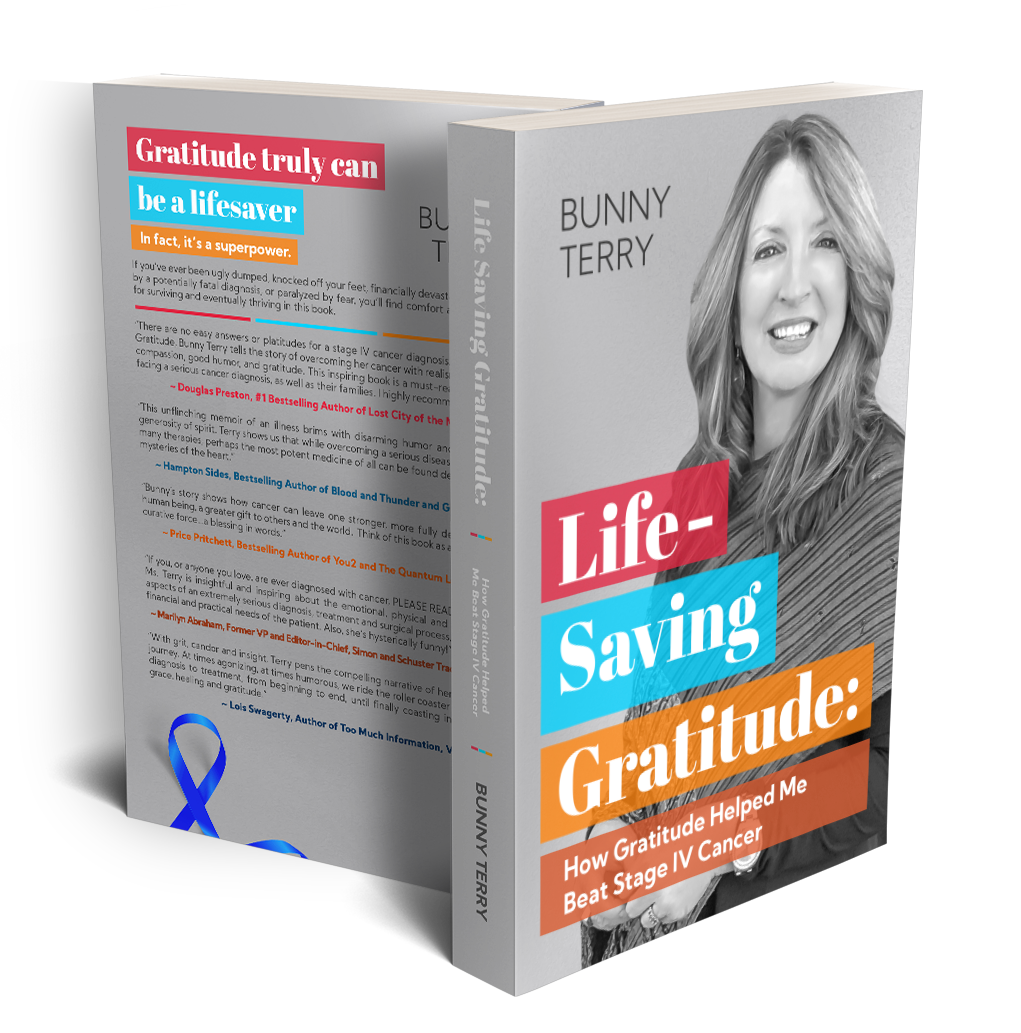
Buy Lifesaving Gratitude the book
Subscribe to Lifesaving Gratitude on your favorite podcasting platform





Featuring:
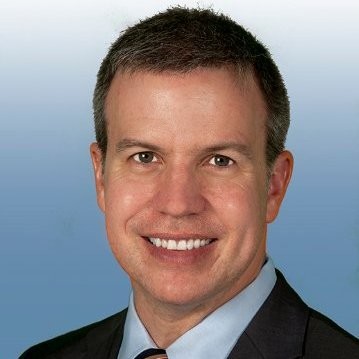
Richard Bailey
Richard J. Bailey, Jr. and his wife Diana joined the Northern New Mexico College family in October 2016, after a twenty-four-year career in the United States Air Force. Dr. Bailey received a Bachelor of Science degree in Engineering Sciences from the U.S. Air Force Academy, a Master’s Degree in International Affairs from Washington University in St. Louis, and a doctorate in Government from Georgetown University in Washington, DC.
Episode Transcript
Bunny :
Hi, this is the life-saving gratitude podcast. I’m Bunny Terry, your host. And I am joined by my co-host and producer Johanna Medina. We have a really an interesting guest and someone who just like every other guest we ever had surprised us somewhat. We’re talking today with Rick Bailey, who is the president of Northern New Mexico college. And for those of you who are not from New Mexico , um , Northern New Mexico college is in Espanola. It’s in a very economically depressed part of the state. Northern New Mexico is just economically depressed, but Rick has done some amazing things. And he and I are acquainted through the cancer foundation. I’m now the chair and he’s my vice chair, but there is so much more to this guy and to what he’s done for that community. Were you surprised? Johanna ?
Johanna :
I was very surprised. And you know, I love this episode because I think it’s a combination of all of your favorite things, you know, him from the cancer foundation, it’s about higher education and you’re a big nerd for sure. And also it’s about New Mexico and Northern New Mexico where you live. And I mean, you wrote, you have your blog. I love New Mexico because I mean , you love New Mexico. So it’s a, it’s a cool combination to talk about all the things that you really love and care about. And Rick is so energized and inspirational. Um, and, and just passionate about what he’s doing in Northern New Mexico, especially for someone who’s not from the area. And , um, you know, I, I definitely, like you said, I was surprised I had no idea I’ve been to Espanola. I’ve driven past that coach a hundred times and I’ve, I did not know all the things that they were doing up there. And I think I’m, I’m excited for people to hear about what they’re doing
Bunny :
Well, and it’s a real example, his, his training, he was in the military for 24 years, but his training really was in , um, strategic planning. And he has a doctorate in government and a master’s degree in international affairs, but his big deal is strategic planning. And, and what we, what we talk about in the beginning, and then we talk about throughout, and then again at the end, this is what is strategic planning and what does it really mean? And, and Rick was quick to say that , um, the strengths, I mean, one of , one of the ways to be a good strategic planner is to lead with your heart and to figure out how you can, we can all serve one another. And that’s, that’s a really, that’s a different approach than a lot of people use when they talk about strategic planning. I was fascinated.
Johanna :
Yeah . And it reminded me of where you know, how you like to say, and your big thing too, is like coming from abundance and leading with that. I see it as another way of saying, you know, what do you do with your heart? So , I think you guys come from very similar frames of mind. And so it was, it was really just cool to get, to meet him and talk to me as a very interesting person.
Bunny :
Well then I think that anybody who’s listening is going to get some tips just about how to make a difference in your community and in the organizations wherever you serve. Even, even if you’re a leader at work, this guy knows about , um, being strategic, knowing what your context is , um, being adaptable and making a huge difference. So I, I always say this, but this is one of my favorite episodes.
Johanna :
They’re , they’re all our favorites, but I hope everybody enjoys this one.
Bunny :
They are, they are. So thank you for listening. Thank you for reviewing us. And , um, for subscribing downloading, wherever you listen to podcasts.
Speaker 1:
This is the life-saving gratitude podcast, and I’m here with my co-host and producer Johanna Medina, as well as our guest, president, Rick Bailey of the Northern of Northern New Mexico college. Did I say that correctly?
Rick :
You did. That’s perfect Bunny and an honor to be with you. Thanks for having me.
Bunny :
Oh, I’m so excited. Rick and I know one another through the cancer foundation for New Mexico and Rick, I have to tell you that when I got your , resume, your CV and I started reading, I was like, whoa, wait a second. I mean, I knew that you had had this long career in the air force. You flew planes, right? Fighter planes.
Rick :
Yeah . Different kinds of planes. Yeah .
Bunny :
Different kinds of planes, and then taught at the school of advanced air space studies in Alabama. And then somehow you ended up in Northern New Mexico. What , how did that happen?
Rick :
It was a very interesting story. Actually. I was sitting at the faculty lunch table in Alabama. And so for your listeners, the school of Air and space studies is a one-year intensive master’s program in military strategy and strategic thinking. And , but it’s housed at university, which is the air force is global university. And it’s headquartered in Montgomery, Alabama. My wife, Diana, because of the air force is not easy. And you move around every two to three years, we had made a deal with each other that that, because she had followed me, had to as I got stationed all around the world, that when I decided to retire from the military, we would shift gears and I would follow her. And so the deal we made, I said, well, wait, there’s really, we could go anywhere you want. And she said, I want to go to New Mexico. And so we knew even before, you know, sitting in Alabama, I knew we were going to move to New Mexico. I didn’t have a job. Neither of us did. And I was sitting at the faculty lunch table and loved the idea of staying somehow in education. And there’s a, there’s a newspaper called the Chronicle for higher education in the very back, they have job ads and sure enough, there was this job ad for president of Northern New Mexico college. And so I called Diana and I said, Hey, there’s, there’s this place. And it’s in Espanola, it’s just north of Santa Fe. And so she started crying like literally like, oh my gosh, that’s it. I know that that’s, that’s what, that’s what we’re meant to go do. And so I had to kind of temper expectations and say, that’s not how this works. We don’t get to just decide. But I’ll put an application in and we’ll see. And , next thing, you know , we were really fortunate and they decided to take a chance on me. And so I retired from the air force in Montgomery, Alabama on a Friday, got in a car on Saturday, drove across country and started here on a Monday. And that was five years ago.
Bunny :
Well, we’re so we’re so fortunate to have you here. Because as we were talking before we started recording in fact, I looked up a bunch of articles. If you, if you Google higher education in crisis, that’s, that’s a hot topic now that , the pandemic hit just about every industry hard, but fewer hit as hard as higher education , um, that people are rethinking the value of a college education. And, and in this moment in time, when higher education seems to be in crisis, your list of accomplishments up at, in NMC is pretty amazing. I mean, you’ve , um, you increased enrollment, you increase your graduation rate, you lowered your student debt, tell us some of the things that have happened and how you did that?
Rick :
So, first of all, well, first of all, thank you for asking the question. So it’s not me who did it, so I want to be very clear, and that’s not forced humility or anything like that. I think I am fortunate enough to have been in service to this institution as it is undergoing this amazing transformation, which is wonderful. I think there’s a couple of things. We were lucky enough , to weather the storm, I think better than other colleges and universities, but in some ways I think it’s because we had put strategic things in place over the last couple of years, that really started to bear fruit, even in the midst of the pandemic. So we’re the one college or university in New Mexico that actually grew during the pandemic, which is phenomenal. We recognize how , how fortunate we were there. But again, I think it’s because there were things that we had put into place earlier that just were , were catching fire. And so that’s really interesting that you talked about the , the school of events here at space studies in a way that was all about strategy, right. And strategic thinking. And so coming here now and be at a place that was really in that was dealing with some serious challenges. It was a chance for me to walk the walk right, and say, okay, how are we going to think strategically about where we want to be as an institution? And so five years ago, and I had only been here for a few weeks, but we started a series of dialogues as an institution. And by the way, this wasn’t the president and a couple of vice presidents sitting around a room and determining the strategy for the college. We invited everybody. So we had custodial staff and security teams and faculty members, and everyone came together and we had two simple questions. One was, how do we interpret the current environment? And what do we want the future to look like? And would you set those two things side by side and you start to draw intellectual linkages between them. Then the strategic plan starts almost organically to fall into place. And that’s how we built the strategic direction. And it has served us well. And as I said, I think even in the midst of the crises that we have faced over the last almost two years now those things were bearing fruit. And luckily we were the recipients of that.
Bunny :
Well, you said something really cool when we were talking before you said, I have an amazing team and any of these people could go elsewhere and make more money. What did you say to that?
Rick :
Yeah. So at Northern New Mexico college, many of our students, come from environments where they have faced unspeakable, social and economic trauma. It’s hard for me to even to articulate. But after generations, they have shown such resilience in terms of how they deal with those challenges. It is truly inspiring. One of the, one of the things Diane and I always talk about, we we’ve had the, the great benefit through the air force of, you know, I’ve been to 40 countries all over the world and all 50 states, and we’ve lived in so many different places, but we’ve never lived in a place where people are so genuinely kind to each other as, as right here in Northern New Mexico. And that makes this place really, really special. And so to your question about the people that I have the good fortune to serve with, they are all people who could likely go anywhere else, not just somewhere else, but anywhere else and, and make more, but they are here because they know that what they are doing is really making a difference. And it’s not just educational, but transformative because when you take someone who is who’s traditionally who comes from an environment , where there is a traditionally underrepresented group of people in higher education, and now you create a pathway and help them to achieve their own educational goals. Well , then that isn’t just transformative for them and their families, but over time, there’s whole communities that can start to, to change the game and to change the path for themselves. And so, to me, that’s a rising tide that lifts all boats, and it’s really, really exciting to be a part of that team and a part of that process. And I think that’s why I think that’s why we’ve been successful is because everyone pulls an aura in that direction and understands that, that what we do matters, I will say this, sorry for the long answer to your question.
Bunny :
No, I love it.
Rick :
I think that you know, if you, so we have 320 employees at the college give or take, and we don’t, I know this is going to be a shocker for your listeners. We don’t always agree on everything. I know that’s going to surprise everyone. And I mean this to a person, every single person at , at this college is here because they want to make a difference in the lives of students, every single one. And, and when you have a team, even if you disagree on kind of how we get there, if, if we all start with that, then you can move mountains because everyone is everyone’s heart is in the right place. And now it’s just about how we, how we move the vehicle forward. Right. Um, so , so I am, you know, I’m not just saying this. It is, I am really privileged and, and honored to be, to serve with a group of people who, who lead with their heart like that. And I’m just happy to be in the room with them.
Bunny :
Well. And when you said that before, you said everyone is really leading with their heart. It made me think about, I mean, we’re on the board of the cancer foundation together and what this is the best board we’ve ever had. I think I’m not, not to say anything about people who have served on the board before and not there. This is just the perfect combo because…
Rick :
No, just say it Bunny we’re better. It’s just a better, it’s a better group of people.
Bunny :
Yeah. Well the chair and the vice chair. Yeah. Yeah . But I’m kind of freaking me out, but , um, I, I wonder if that leading with your heart , um, also leads to some form of resilience. I, you know, I’m just, we talk about resilience on this podcast a lot.
Rick :
Yeah. Yeah. So it’s interesting. I’m glad you asked that the way you did. So right before the podcast, I mean, 15 minutes before the podcast, I was out in the parking lot here and we were doing a food distribution to our students. And we started about two years ago and we had gotten some, some donors and some funders to help us. We, and again, this is about how do we think more holistically about, about student services and for the listeners before we started recording, I was telling Johanna, because I’m such a fan of, of, you know, what she does in social work and how important it is. And so this is us trying to do that in, you know, in the, in the framework of the college, very interesting in terms of resilience Bunny, the way you asked the question, it is a , blessing and a challenge at the same time. So it’s a blessing in the sense that there are a lot of people who are, who are not afraid of the stigma of getting help, right? Who , who, Hey, if they need it, they are going to get help. And so, you know, we, we, we started this thing in March of 2020 could not have timed it any worse. We, we started a food pantry. The idea was that students would walk in, we give no application. All they had to do was show a student ID. And we basically had shelves stocked and they were given a bag and they could just fill it up with whatever they wanted. Well, we were two weeks before the grand opening when, when we all had to go into lockdown. And so we shifted gears and we thought about, okay, how do we, how do we do this differently? Again, this is resilience, right? How do you, how, how do you, how do you work creatively at solving really big challenges? And so we did almost like you would do an online supermarket. We basically said, here’s everything that’s here. We had students, you could it on their phone. And we built special bags for them. And that we did kind of a drive-through pickup thing. So the blessing is that there, there were students who were willing to fight the stigma and say, you know what, this is going to help me. And I’m okay with that. The challenge is that not everyone is willing to overcome the stigma. Right. And so I think Johanna , I want your opinion on this, but I think the same is true probably in social work. That, that even if there are, even if there are opportunities for assistance, and even though there are heart-centered people who are, who are dedicating themselves to, to being of service there’s still a, there’s still a pull, right? There still has to be this desire to, to welcome that assistance. Right? And that’s not, it’s not always a given, so you have to, and this is what we’re working on at the college. You have to cultivate an environment where it is not just okay, but it is welcome . I mean, this is, this is a part of who we are. It’s part of our identity as a college, as a, as a team, as an organization. And then, and then you’re off to the races, but that’s not that that doesn’t just happen. You have to, you have to, you have to cultivate that.
Johanna :
I think that’s one of the biggest challenges with providing any kind of resource or assistance is that there’s that stigma or there’s that fear of shame and, you know, people, I mean, we’re all human, but we all also just want to feel like we’re in line and we’re not kind of standing out or , um, so that can be really hard to get people to , to accept the help. And even it’s like, it’s sometimes taking that first step, but then taking the next 10 steps to , um, you know, so that you can do. Yeah.
Rick :
No, and I’ll say this Johanna and, you know, Bunny, I know will know what I’m talking about. The… And I’m not just saying this because I’m talking to two powerful, confident women, but our experience so far at the college in terms of, at least in terms of the food pantry, is that the students who are accepting this help are women, like, you know, 90%, I think of the, of the recipients of this program have been our female students, especially female students with kids , because they will not be shy about, Hey, this is something that’s going to help my family. And so but I, I know, I know that we have male students who are, who are just obviously just as deserving and certainly have a need as well. But pride, there’s all these other things that, that can, that can come into play. And so we are working on as a college. How do we, how do we overcome that? I will tell you. And I was just talking to, to some of our student leaders about it. I have two, two ideas. Um, one is , uh, one is crazy. Whether both are all my ideas are crazy.
Johanna :
They’re not crazy if they work.
Rick :
That’s true. That’s true. Yeah. So, yeah, I’ll either be burned in effigy or they’ll sing songs about me. Um , so one of them is when we were first looking at where we were going to put the food pantry, there were, there were a few who said, you know what, we should put it in the far end of the campus , um , away from everything so that, you know, students don’t need to be embarrassed and they kind of go in and out and no one ever sees it. Um, and I fought against that. I said, no , no, no, no. It has to be in the center, it has to be the most visible place on the campus. One because students need to know what’s there. And two , because we’ve got, let’s just hit it head on, let’s hit this head on and make it, let’s make the culture of the institution about how we all serve each other and make that, who we make that part of our identity as an institution. The other, and this is going to be a little more controversial is that in my perfect world, I would want every student as part of their educational journey. And actually as a graduation requirement that they all have to serve at least one shift in the pantry. So that now it’s now it’s students who serve all it takes is a couple hours, that’s it. In four years, they just need to sit a couple hours in the food pantry. And , um, and it’s not like it’s hard work. They check a student ID and hand a bag out. But that’s because I want to normalize it.
Johanna :
I think that’s a great idea. And I mean, talk about like culture. The culture that you’re dealing with too in Northern New Mexico might be another barrier for, you know, men coming in. That’s, you know, it’s just very different , um, for, for the men in Northern Mexico and the pride. And , um, obviously I can’t speak to it exactly, but I do know population up there. And so that , that’s another barrier for you too.
Rick :
In some ways that’s a language that I, that I speak Johanna , because I come from , an institution in the military that is so masculine sometimes. And , that relies on a lot of those, unfortunately I think , some of those stereotypes that, that , you know, they can be overcome, they can be overcome. It’s just, it’s just, you’ve got to be that there has to be a willful conscious strategic , intent to really address it.
Johanna :
Yeah. Well, I think your two strategies are, I think those are really good ideas. I think that will be successful .
Rick :
I’ll keep you posted. Yeah .
Bunny :
I love talking about strategies. You know, people think that when you talk strategy, it’s, you know, you have an outline. Here’s where we are. Here’s where we want to go. Here are the steps, but you also have to be strategic about setting up stuff. Like, like you said, this is how we all serve each other. This is how we ask for help. This is how we teach people to ask for it. I mean, Johanna will tell you that when I was first diagnosed with cancer, one of the hardest things for me to do was allow other people to help me. I mean, I had to let my college-age daughter move in and take care of me. And so being strategic about teaching people, how to ask for help. So it’s really important.
Rick :
It’s huge. Yeah. That’s a really good point Bunny, I think. And you know what, sometimes you don’t know what you’re capable of until you’re in that moment. Right? You had to walk that walk. And so I, my guess is about actually not my guests, just from knowing you, there are a lot of things that you learned by having to go through it and doing it right? And that has, I know that has made you a better board chair in terms of the foundation and what the foundation does and how it serves because you have been the people we are serving, you have, you have been in their shoes and, and that’s real . And You can’t put a price tag on the value of that, right. In terms of how you can be of service. When I think of strategy writ -large , and I will tell your listeners this, anyone who would say that they have a blueprint for strategy , I would say an expletive that probably is not appropriate for your podcast , but they are full of baloney. I’ll put it that way because they don’t think there’s a blueprint for it. But I think there are two muscle movements , um, intellectual muscle movements that are a part of any strategy, and one of them is context . So in other words, how do we understand our environment, right? What are the things that if you’re, if you’re leading an institution, what are the things we do well, what are the things we don’t do? Well, what are the, what are the challenges we face? What are our resource constraints, all of these issues, right? That’s one, how do we understand that environment? The second is how do you deal with uncertainty? And because in strategy, everything is , uh, you are always battling uncertainty, always part of that is because we don’t understand the environment perfectly. And the other is that we live in work in a highly complex and dynamic, and it’s always changing. So there’s always uncertainty involved. And I think organizations are our strongest when they understand who they are good and bad and own it , uh, and are willing to be nimble enough to adapt to uncertainty and, and respect the fact that uncertainty is omnipresent. You, when you could do those two things, then I think, I think your chances for strategic success are , are greater.
Johanna :
Well, just the adaptive ability, I guess, how you had to adapt for the food pantry and make it online. And how long was that, that kind of turnaround process did that take? Sounds like it would take a long time, but maybe not.
Rick :
Well, you know, obviously when you’re willing to be that nimble, you can do things really quickly. I’ll give you another example. When, when , uh , when we saw the virus moved from China to Italy, right? So that was kind of January-ish, 2020. We had the year before we had raised money for the college for something called the president’s Eagle fund, we had started it. Have you heard the term tripping upstairs or, or stumbling into success? Uh, I, you know, this is one of those, you know, tripping upstairs kind of moments, but , uh , where it made it seem like we knew what we were doing, but we had raised, we had raised this money for the president’s Eagle fund, because we had wanted to think more holistically about student services and let’s, so we’re going to do the food pantry and open a clothing closet and , uh , mental health care , all of these other things we were going to do for students. Well, in January, when the virus moved to Europe , um, we formed a task force and we said, okay, you know what? This is coming, this is coming and we better be ready for it. And so what we did almost on a dime, we went out and said, okay, we need to find as many Google Chromebooks as we can. Hopefully, you know, shameless advertising for that . I was going to say, if anyone from Google is listening , you can make the checks payable that are the Northern foundation. So , um, so because we knew that we had students who, the only device that they had was their phone, right? And, and we knew that eventually we were going to have to, pretty soon we were going to have to move everything online. And we had students who we didn’t want them taking classes on their phone. Uh, the other was hot hotspots and jet packs in Rio, Arriba county, north of Santa Fe, where both of our campuses are located. 48% of homes don’t have access to the internet. So moving everything online was not a panacea for us. Right. We had that . We had to be super creative very quickly and figure out how to do this. So, I mean another long answer to your question, but within a very short amount of time, we basically said, okay, how are we going to deal with this unbelievable crisis in knowing that , that the odds are against us? Because we don’t have, you know, we don’t have a community that has unlimited resources. Um, and we’re already starting in a deficit, but we had, because we had raised money, we had thought about, Hey, this is, we have this limited resources. Let’s, let’s get these things that we know are going to matter. And then we boosted all of the signals on our campus for wifi . We then mapped out all of the public available wifi , locations in the, in the valley here and posted it. And so we were able to , um, we were able to, we were the one college that grew during the pandemic because we were, we had, we had, even in the midst of all those challenges, we were nimble enough and willing to be creative enough to move quickly, to change the way we did things.
Johanna :
And I mean, that’s amazing, that’s, it’s inspiring, but it’s also like you accepted that. There’s some things that we can’t control. Like this virus is coming. We can’t fight it right now. We just have to adapt to it and do the best we can for the students. Right? You can’t act like this isn’t coming because it’s definitely going to hurt those people. So that’s really amazing.
Bunny :
For some reason, this reminds me Johanna , when we were speaking with Daphne and she talked about being emotionally agile all the time, you know, that that’s one of the, that’s, that’s really one of the, the benchmarks of, of , um, uh , um, of resilience is be , and your , what you’re saying is that you are strategically agile, that you, you were nimble. I mean , you did stumble upstairs, but you, at least you were always thinking, you know, there may be things we have to change to keep our students engaged and what a great way to do it.
Rick :
And, you know, you said you started this discussion Bunny with a talk about how higher education is changing. I think it’s incumbent upon all of us in higher education to think about how the academy writ large is changing. And I think for college and university presidents, it has to be not just about how do we, how do we build the culture now and how do we make sure that, that we’re , we’re cultivating an environment that helps students be successful and all that, how do we solve? And I apologize in advance to any of your listeners who are professional or amateur Marine biologists , but how do we deal with the sharks closest to the boat, right. Cause those things have to be addressed right quickly. Right . But , but then I think, I think any chief executive also should be thinking, what does the landscape look like 10 years from now, 20 years from now, 50 years from now? And, in higher education, that’s definitely the case. And I think we could go way down the rabbit hole here in this podcast. Um, but I think that, that the concept that, that I think about, or that I grew up with in thinking about college in the 20th century is going to be very different in, in the next 30 years. And , and so what are the things that colleges and universities need to do now to be, and what are the pieces that we need to start putting in place now? So that those institutions will be successful , down the road and, and our concepts are changing. So it , it helps me because I wasn’t, I was the first person in my family to graduate from college. And yeah, that gives you a perspective, right? Because it’s not like I had family members who had any real knowledge of this. I had to kind of learn it as I went. And in some ways that has served well, because I’m not , uh, I don’t, I’m not calcified in my thinking about what college is , because it was very new to me as, as I came in, there is , there are students in this state, in New Mexico who are living on campus at one of our universities or colleges and taking all their classes online, not because of COVID, I mean, pre COVID. Right. And so to the 20th century college student, Rick, that just seems crazy. Right. Why , why would someone do that? That just seems why not, you know, live anywhere else and do that? Two things I think are changing. One is the, the way in which , um, classes are delivered, obviously, you know, online, I think COVID will be one of those, one of those inflection points, right in education, we’re now a lot more comfortable doing things remotely , uh, for good or for bad. So the delivery’s changing that students are going to become far more comfortable at almost looking at higher education, like a smorgasbord, right. And, and actually hand choosing classes from different institutions at the same time. That is that’s foreign, I think a lot of 20th century college graduates. So institutions need to be more adaptive and we can talk about chess in a minute. The other is that student experience like the, the, the experiential part of college education I think is going to , is going to become far more important and, and institutions that, that dedicate themselves to everything that happens, not just in the classroom, but maybe even as much what happens outside the classroom in terms of those, those connections. I think they’re going to be successful in the mid 21st century. And they’ve got to adapt now to start to create those landscapes.
Bunny :
Well, and you’re doing things that are not just for that are not just traditional higher education activities. I mean, I love this , um, that you’re the top. You have the top performing high school equivalency program in the nation for two of the last five years. Wow . Wow.
Rick :
Yeah. Yeah. And, and, you know, it’s a great thing. And so for , for a lot of, and for the listeners , some, some people might know it as GED, or it’s basically a , you know, it’s a way to get at a high school equivalent degree , um, with , uh , you know, for those who don’t graduate high school. What I learned from that is that there may be people there may be listeners right now who, who may jump to conclusions and say, oh, well, that’s Northern New Mexico. And , uh, you know, those kids just drop out and because they’re screwing around or they’re in trouble, or , um, but I see it differently , that the students that we have in our program, they’re students who dropped out of high school at 16, because they had to get a third job to support their grandparents, right. Or , some other family crisis that they had to deal with. And so it wasn’t that they weren’t good students. It wasn’t that they weren’t diligent it’s that life got in the way for them. And they had to respond and had to be nimble enough, right. To deal with with the , with the crisis they were facing. Um, so the other thing, and it’s so inspiring is that I think about, you know, the, the landscape in Northern New Mexico, and, you know, it’s not like the , the public school districts here have unlimited funding. You know, we are so underfunded in a lot of ways in our region. It tells me that there is not a correlation between poverty and aptitude and that add that students from any background and from any socioeconomic , uh, stratum, if given the right emotional support can crush it, they can crush it. We’re , we’re living proof of that. Right. It’s not like we handpicked students for the GED program here. They are students who are from our region and they are performing. So there’s two, there’s two , measurements of , of a GED program. And, you know, that, that ranking that you just gave Bunny it’s based on the, the scores that those students achieve and something called a high set test, which are a series of five really difficult tests. They actually say that two thirds of high school graduates can’t pass those, those five tests. That’s how challenging it is. So that’s one indication. And the other is , um, the percentage of graduates who go on to college or , um, a higher , um , uh, entry job or the military. Those are the two variables that they weigh these programs on. And the, I remember the , the one of the years that we were the top program, the, the average, the national average for those high set tests is like 67%. Something like that. Our scores were 92. Yeah. I mean, that’s, that’s, you know, okay. Right. That’s that you, and by the way, and we did that with two thirds of the average funding of anormal GED program around the country. So with less money, we were able to perform just incredibly. So yeah. It’s, it’s, it’s inspiring. Yeah. They’re all. And they’re all college students now.
Bunny :
Well, that’s, I thought, wow, what a great way to build a pipeline.
Rick :
In fact, two years ago, Bunny , we have more college students coming into Northern from our own GED program then for any other single source. Like that was the biggest entry point into the college was from the GED program.
Bunny :
I love that. I love that. Yeah . Well, and then you also really beefed up the vocational program. Right? Am I right? I mean, you know, my husband who, who says, every kid doesn’t have to go to school and get a BS in , you know, either a hard science or a soft science he’s, he’s been really excited by what you’ve done with.
Rick :
Well, Toby deserves some of the credit for this actually. I hope he’s listening and I hope he gives me a drink for it. So it’s , it’s very interesting when I came to Northern in 2016, the community here was almost unanimous in , in saying, Rick, there are two wicked problems that we want you to help us solve. And I really almost to a person and Toby was one of those voices. Um, but they said two things, Rick one, you have to bring back the trades, you know, bring back career technical education opportunities. And two, you have to revitalize the El Rito campus, which is our Northern campuses , the original location. So about an hour north of Santa Fe. And so over the last, over the previous decade and a half or so the college had, had gone through a transition from a two-year to a four-year school. And unfortunately, by the way, that’s not an indictment on anyone who came before, but unfortunately there were two byproducts of that transition. One was that the trades evaporated and two was that the, a retail campus where a lot of that was happening really started to shrivel up. So , we started this, this , uh, down this path, this kind of crazy idea. And , um, we, we, the strategy was twofold in terms of El Rito. We said, okay, one , let’s, let’s not accept utilities because everyone said , oh, the cost of utilities were too expensive. And that’s why the campus started to shut down. We said, let’s not accept utilities as utilities. And to let’s take the location because everyone said, oh, it’s in the middle of nowhere. And that’s why it died. I said, let’s, let’s take the location. What everyone says is a disadvantage and let’s flip it. So let’s make sure let’s make it not only, not a disadvantage, let’s make it the selling point for whatever we decide to do. So that led to a partnership with a group called kit Carson, their electric co-op out of towels , um , went to them. They were looking at where they were going to build these big solar arrays. And so I made the pitch, I said, Hey, we’ve got a place on our El Rito campus. And so luckily they agreed. And so that was the location of a 1.5 megawatt solar array, which is phenomenal now. And so as, as community members started to see those panels go up, then it wasn’t just talk anymore. It was like, okay, they’re really serious about really revitalizing this place. And that kind of sparked an idea to say, okay how do we bring back the trades and how do we kind of locate it here in El Rito, we drafted a Senate bill in 2019 that allowed us to create something called a co-located branch community college. So we have a four year school with an embedded two-year school in inside of it. We didn’t need to build a new campus. We didn’t need another president, none of that stuff. So we crafted this piece of legislation and , it was, it passed unanimously , the house and the Senate Republicans, Democrats, everyone that doesn’t happen too often in New Mexico. And so , that , and so we were able to create that it’s the first of its kind in the history of the state that no one had ever kind of created that. Then I went to five public school districts, Epanola, Pojoque, Mesa Vista, Chama, and Jemez mountain all around Northern New Mexico. And I made multiple presentations to their school board saying, I know that you would like to do this for your students, and it’s super expensive, but what if the college did it? Let the college do this? You just agree to come together and form our community college district. And over the summer in 2019, all of them came together and said, yep , we’ll do that. And that led to a mil-levy initiative, a ballot question in the fall of 2019, where we asked the voters, Hey, here’s the idea? Would you, would you be willing to support this, a small property tax? And even in a very challenged socioeconomic community over 62% of the voters said, not only do we believe in this idea, but we’re going to help you pay for it. And that is, I mean, there is no better, you know, validation for what we’re trying to do. And remember I talked about the location of El Rito. If you draw a map around those five public school districts, almost the perfect geographic center of those five districts is the El Rito campus. And so starting in August this past year , um, the college now through this middle levy , we provide free transportation to each of those high schools in those five districts. So that juniors and seniors in high school and adult learners who live in those communities, get a free ride down to El Rito once a week to do hands-on classes in plumbing and pipe fitting and electrician technology. And so it’s the first time we’ve had hands-on classes they’re in 12 years. And so we, yeah , we kicked it off
Johanna :
And what a beautiful place to be going to school.
Rick :
It’s lovely. It’s also where the president’s house is located. So yeah. So I’m a little biased. I’m a little biased. Yeah. It’s wonderful . I love it.
Johanna :
That’s So awesome. I didn’t even know about all that. That’s so cool.
Bunny :
I have to tell you that there are several times in the middle of this conversation when I have started to tear up, because I’m so proud. I mean, I’m proud to know you, Rick, but I’m also really proud of how Northern New Mexico has both the geographic area and the college have sort of rewritten how higher education works. Right . I I’m so excited.
Rick :
Thank you. Yeah, we’re really, we’re really lucky. And , and it’s been it’s been a community effort and that’s when you, when you have a community back in you, there’s no , that you can move mountains. You can move mountains. Yeah.
Speaker 2:
Well, I think that’s the whole leading from the heart part. I mean, I told you when you said that at the beginning, I feel like that ought to be sort of the title of this is that when you lead from the heart, I think success follows.
Rick :
I do too . I do too .
Johanna :
I think it speaks a lot to you, Rick. No offense, but to come from, from, out of stay and to be kind of an outsider, come in and get that community buy-in because you’re doing something amazing for the community and they can see that, but that’s, that’s really a Testament to your work.
Rick :
Thanks, Johanna. Yeah . So in five years, the best compliment I ever I ever received that it was set up, it was at a public meeting. But someone used the word gente , you know, of the people, in other words, your , of the people , you know, there’ve been a lot of awards and we’ve gotten a lot of accolades and , I got to tell you, I think, in five years, I don’t think any compliment has meant as much as that one, because then it’s, then it’s like, we don’t think of you as an outsider anymore. We don’t you’re gente that you’re of the people.
Johanna :
Yeah. Yeah. Wow. That’s Amazing. Yeah .
Rick :
So now I’m tearing up
Johanna :
And if people don’t understand that that’s a huge compliment.
Rick :
Yeah. So , and now, you know, but we have to keep moving that’s. The other thing is, is , uh, you know, the, the, the, the challenges continue, right? So, and I think institutions always, especially colleges and universities always have to be thinking about the next, you know, the next steps. And , and so we’re, we’re, we’ve got a couple of different things in the fire right now. We’re working on a, we’re working on a project called earth shot, which is energy, agriculture, resources, technology, and health. And it’s our small way of saying we can tackle climate change and we can do it from Northern New Mexico. And we can do it at this little college. And we , we have a project that is really going to focus on , converting dirt to soil , which protects the watershed, which, you know…
Bunny :
Wait, say that again? Converting dirt to soil?
Rick :
Yeah. Yeah. So, so in other words, there is… I’m not going to say the word, right- Desertification, like there is a , if we’re not careful with how we, how we cultivate, sorry for the pun , um, our land and how we shepherd that and take care of that land, then the more of it turns to desert. A couple of things happen, one water is much more likely to evaporate, right. And so we’re not, we’re not capturing that to agriculture, all these other things that are important to the economy, regional economy start to shrivel up. Um, we’ll we can solve a lot of those things. If we think differently about land and by the way you know at Northern New Mexico colleges that there are eight Northern pueblos, eight tribal sovereign entities in addition to Hickory Apache nation and Navajo nation that, that have understood this for over a thousand years. Right. And so, yeah. So part of it is how do we, how do we, rewild the environment? How do we, how do we rewild , how do we convert dirt back to soil? Um, and so we’re , we’re in a partnership with , um, with Los Alamos national laboratory. Um, NASA is now interested, which is, and this is Northern, this is our little college, right? So we just had a meeting with the state secretary of agriculture. They’re interested. We’re looking at a partnership potentially with USDA and to say, Hey, we’re going to take our goal is to, is to do an analysis of 78 million acres in New Mexico, which is really darn near the whole state and to do an analysis at three different levels. Those who have the hand in the , in the dirt, right. Um, using , um, drones, FAA drones, and we have a drone program at Northern to, with certain sensors on it to Marriott, and then NASA retasking satellites to use their imagery. And now take all three of these levels and combine them, and then use the, our , our partners at Los Alamos to develop an app so that we really create something that is bottom up. So it’s not, it’s not about top-down governmental approaches because that we we’ve been trying that right. And that’s not no offense to our elected leaders, but it’s not like every national leader is , is serious about this. So we’ve got to start thinking about it differently and , and really a bottom up approach. And so the app would basically be, at least in New Mexico would be available so that any land holder, stakeholder, tribal entity, anyone that had access to this app based on their GPS, it would say, Hey, our analysis shows that here are three or four things that very simple things, that if you do this to your own soil, it’ll increase your agricultural output by 33%, it’s going to hold on to 33% more water, it’s going to XYZ. And so it’s now an incentive for everyone to take ownership in that way. And now , um , almost organically start to start to deal with the crisis of climate change. And we’re doing that all from Northern.
Johanna :
Wow. I wish I had a better word, but wow. That’s amazing.
Bunny :
Well, you know, as a farmer’s daughter whose grandparents and parents lived through the dust bowl. It’s a very, very near and dear to my heart. I love that. Yeah. So we talked about strategy. You have to know your context. You have to know that uncertainty is on the present , but don’t, you also have to be thinking every minute, five to seven to 10 to 20 years down the road. I mean, where you can’t stop. That’s the hard thing about studying .
Rick :
So this is probably way too far down the rabbit hole for this podcast. But , I was thinking about this the other day, and, you know, as a college president, you know, what does the, what does the higher education landscape look like a hundred years from now? Right. And here’s my, here’s what this might be the, maybe the only one , um, there are studies of brain architecture, right? And that looks, they look at , synopsis, right? The electrical signals firing in the brain, and we don’t have right now, we don’t have the technology to be able to map those signals. We can map kind of general areas. And it looks like there’s some activity in this part of the brain and that part of the brain, but we certainly don’t have the tools to analyze it to the specific electrical signal. Right? But we’re going to get there, and this is going to blow your mind probably, and those of your listeners. But I think that education writ large at the point at which we are able to map it to that extent, then education, as we know, it is going to change because there now will be, and this gets, you can , we can almost get dystopian about it, but I think there’s going to get to we’re going to get to a point where we can actually almost like the matrix, right? Why I need to learn how to fly a helicopter group . And now all of a sudden you could do it. I think, I think a hundred years from now, I think two things are going to be true. One is that , um, there will be an opportunity to provide education in terms of knowledge, right. Or data. I should, I shouldn’t say knowledge, I should say data that actually could be programmed in us the point at which you can manipulate those electrical signals. You can manipulate that , that espionage there are some really crazy things that would come from that too. But I think then it goes back to the student who is taking all of her classes online, but living on campus. I think that now the , the, the, the real purpose of higher education is going to be twofold , because it’s not just about taking, you know , things and memorizing them and learning it . It’s really about experiential learning, right. It’s really about sitting in a classroom in a Socratic method and, and having a dialogue in ways that students come up with their own answers to challenging questions. I think that will be the hook that higher education is going to need to fill. So, and we’re starting to see that now in some ways, right? It’s all about what students are doing with each other that really , you know, even for both of you, if you think about the , the most important things that you did in your , at college, I’m sure some of it had to do with things that happened in the classroom, but I bet a lot of it had to do with, with other students you were with and things that you did together. And yeah . So, we’re going to have to capitalize on that.
Bunny :
Well, and that takes, I mean, this takes me back to one of the first things you said when you were talking about the food bank, how will we all serve each other? I mean, that’s, you know, it’s obviously going to be the future of higher education, but I mean , I just think that’s the future of life. How do we figure out how to serve each other? And when you talk about going down a rabbit hole, you can just come back.
Johanna :
I know, because I still want to ask you about the cancer foundation and everything. So yeah, you’ll have to come back.
Rick :
I would love to, and it is really… you know, I’m, so I’m very grateful. I’m grateful. Thank you for giving me the opportunity to brag about the college and our students and our community. It’s a real joy and I owe you both that, so thank you for that. And I would love to come back anytime, anytime,
Bunny :
So grateful to have you here. So I’m lucky Northern New Mexico.
Rick :
Thank you. Thank you. Thank you. Thanks. Yeah, it’s a pleasure.
Bunny :
That’s all we’ve got today. Friends. I want to thank you for joining the lifesaving gratitude podcast with your host Bunny, Terry , that’s me and my producer and assistant Johanna Medina. We feel like we’re in the business of sharing the stories that save us, and we hope you’ll share as well by letting your friends and family know about the podcast follow and like us, wherever you listen. And please take the time to leave a review, whether it’s a stellar comment or a suggestion, we are open to suggestions all the time. Also follow us on Instagram at life-saving gratitude pod. You can also follow me personally at Bunny Terry , Santa Fe. You can sign up my website at bunnyterry .com to receive weekly emails about how to become the ultimate gratitude nerd . Thanks so much for checking in.

About the Podcast
Gratitude is a superpower. It can transform—and even save—your life. Author and activist Bunny Terry discovered the life-saving power of gratitude when she survived Stage IV colon cancer. She interviews a wide variety of guests who have also used the art and science of gratitude to survive, and thrive, in their own lives.
Recent Episodes

I Love New Mexico Teachers: Bunny Terry
About the Episode: Summer is coming to an end and a new school year is...

I Love New Mexico Food: Kirk Muncrief of AlbuKirky Seasonings
About the Episode: In New Mexico you know we love food AND we love spicy...

100th Episode Recap: Bunny & Johanna
About the Episode: The I Love New Mexico podcast has made it to 100...
About the Episode:
Can gratitude help you to become a . . . better marketer or realtor? It might sound like a strange pairing, but it’s worked wonders for Craig Cunningham, a Sante Fe-based realtor, 30-year veteran in the hotel business, and founder of the marketing firm Cunningham + Colleagues. In this interview, Craig shares what he’s learned about using the power of gratitude to build a successful career in marketing, customer service, and sales and get him through his own battle with cancer.
Resources mentioned in the episode:
- Bunny’s Website
- Lifesaving Gratitude: How Gratitude Helped Me Beat Stage IV Cancer by Bunny Terry
- Cunningham + Colleagues marketing firm website
- Sante Fe Kitchen Angels
- How to Win Friends and Influence People by Dale Carnegie
- Craig’s Blog: Santa Fe Scenes
Subscribe to Lifesaving Gratitude on your favorite podcasting platform

Featuring:
Craig Cunningham
Thanks to a career in the hotel business, Craig Cunningham has traveled extensively throughout the world and now calls Santa Fe home. As an enthusiastic observer of cultures, traditions and history, Craig enjoys sharing all things Santa Fean and New Mexican.
Bunny met Craig as a fellow realtor at Keller Williams in Santa Fe. Craig’s experience as a hotelier and his expertise in sales and marketing gives him a unique perspective on customer service. Craig knows just how valuable it is to show gratitude toward his clients and colleagues.
He writes regularly about Santa Fe on his blog, Santa Fe Scenes.
Episode Transcript
Bunny: Hi everyone. This is Bunny with the Lifesaving Gratitude podcast. Just in case you don’t know me, I am a stage four colon cancer survivor and the author of Lifesaving Gratitude, which is a book about how gratitude helped me kick cancer’s ass.
Today we’re going to talk to a special guest about how marketing and marketers can use gratitude to create business and connections with clients and also for themselves to create a really positive way to do their job. But first, I just want to thank you for being here and ask that you download the podcast if you’d like. And certainly subscribe wherever you listen to other podcasts. But enough about me and enough about the podcast.
I want to introduce you to my special guest, who’s also a friend. Craig Cunningham is currently a realtor with Keller Williams, Santa Fe. And that’s how I met him. However, this is a recent career for him and he was, and correct me if I mispronounce the word, but you were a hotelier. Is that the way to say that?
Craig: Yes.
Bunny: Yes. He’s spent 30 years in corporate sales and marketing. He’s traveled extensively. I’m going to let him tell you all the places that he’s been to, but he is the founder and principal of Cunningham + Colleagues marketing consultants. He was in the past the VP of marketing and quality for Seaport Hotels and World Centers and the VP of marketing for Core North America. So welcome Craig Cunningham.
Craig: Thanks so much for having me on your podcast.
Bunny: I’m excited. I know you have some great tips for all of our listeners. When I think about these podcasts, I always think about the people that are going to want the information we’re offering. I mean, we’re here to help people and we’re here to figure out how gratitude can make everyone’s life not just easier and simpler, but also fuller. So why don’t you start, Greg? Just tell us a little bit about yourself. Tell us how in the world you ended up in this completely different career? And yet the truth is we’re still just marketers first and realtors, second. Tell me a little bit about yourself. Tell our listeners.
Craig: Yeah. So, as you said, I’ve been in marketing and sales for more than 30 years. I actually started off with an advertising and PR agency and then had the good fortune to be hired by my hotel client at the time, Wyndham hotels. At that time it was a North American chain and it’s now international.
But from then on, I was in the hotel business. It’s definitely a career where if you are not focused on client service and the whole concept of gratitude, you’re not going to be successful. I always thought of our job as just surprising and delighting our guests and making them feel like they chose the right hotel to be with. And so it was always about waking up every day and saying, “What can I do to make somebody’s day and to give them a great experience?” And, of course, to do this you have to be grateful because they opted to choose your hotel over the million other choices that they had.
So when I retired from the hotel business two years ago, I was trying to figure out what else I wanted to do with my life. I started doing more volunteering. I volunteer with Kitchen Angels here in Santa Fe to deliver meals to people who are not able to leave their homes. But I also started thinking of whether I wanted to do something else from a professional standpoint and the real estate business seemed like a natural extension, because it’s all about client service. You have to figure out ways to make people feel like they’ve made the right choice in working with you. So it’s all about being grateful every day and figuring out what can I do to help them today. How else can I extend what I’m doing for them in a way that they will appreciate and know that I appreciate them. So that’s what it’s really all about, because of course they could work with a million other other people
Bunny: Right. And let’s talk for just a second. Don’t you think that marketing has changed over the 30 years that you’ve been doing this? I mean, it seems to me that when we were kids, which was back before the crust cooled, we were sort of marketed at. Just talk for a minute about how marketing is different now than it was 10 years ago or 30 years ago.
Craig: It’s funny, because I was going to say the exact same thing. Back in the day, you were running a TV ad or a radio spot or a print ad and it was passive in that you just presented the information, unless you were direct sales. But really with the advent of so much digital media, you are instantly able to forge a relationship with customers through social media, through Facebook, Instagram, where you’re having a dialogue with them from the very beginning. This allows you to work in a much more personal way and to be able to find out much more quickly how you can serve those people.
So I think it’s changed completely. Before you just sort of put it out there into the ether and hope that something worked, and now you’re able to engage. And I’ve found that so much in real estate where I’m getting emails from folks and then it evolves from the email into a phone call or a zoom call or something like that instantly. I think that’s so much better for both people. Especially for somebody like me who wants to find ways to engage with people and to be of service to them, it makes it a lot easier and more rewarding.
Bunny: I just think about the ways that I connect with my clients. It’s as if you’re somehow conveying to those people that you’re grateful that they showed up.
Craig: Yeah, exactly. I mean, my whole thought is that it’s not a transaction, it’s a relationship. And that relationship can be multifaceted. Once you’ve sold them a house or sold their house, I like to think that we’ve formed a friendship and a bond and that relationship is going to continue. And honestly, I don’t even care if I ever get another piece of business for them. Now think of them as friends. I want to have them to my house for dinner or go have coffee or something like that.
I think that kind of thing that makes a difference for people in wanting to work with me. It’s coming from a position of wanting to be of service to them and wanting to make them happy and finding the right solution for them. I’m working with some first-time-buyers right now and I kind of feel like they’re my kids. It’s about, okay, how can I really help them with this? And they’re grateful for the counsel I’m able to give to them, and I’m grateful for the opportunity to work with them. So it’s very rewarding. I think if you approach business relationships in the same way as you would with your friends, it’s a win-win situation for everybody.
Bunny: Well, talking about those first-time home buyers, I mean, that’s one of my favorite deals. You never make the most money from those transactions, but I’m so grateful to be reminded that we are providing the American dream when we’re selling real estate. Yeah. It’s amazing. It’s my favorite experience.
Craig: Yeah. I mean, for somebody to have their first home and to be excited about how they’re going to decorate it and what they’re going to do. And with this young couple, seeing them excited when they see a house brings out all my empathy and makes me want to really go the extra mile for them to make sure they find the right house at the right price for them. And then I just never want to stop. So then it’s like, “Okay, now I’m going to find this person for you to do the plumbing, and I’m going to find this person, etc, and I’ll be with you with you to help explain things.” I just want to really continue to be of service.
Bunny: I talk a lot, especially on my blog, about Judy Camp, who was one of my first real estate mentors. She was a great friend and Linda Gammons partner for a long time before she passed away. But Judy Camp always says, “If you come from contribution, you can’t help but be successful.”
Craig: Yeah. I mean, just as I was saying, you can’t think of it as a transaction. I think, coming from contribution, how can I help you? How can I make this a better experience? How can I make this work? Because, especially in a real estate transaction, it can be stressful. It’s the biggest financial transaction for the majority of us. So how do you take the burden and the pressure away from them and sort of guide them through the process? I just think the main thing is that it’s much more fun, whether you’re doing volunteer work or in business, to wake up every day and figure out how I could make it fun for somebody else. Because then it’s fun for you and it gets you excited and passionate about what you’re doing.
Bunny: Well, it sounds like our big “why’s” are really similar. I certainly don’t want to put any words in your mouth, but it sounds like your big “why” is just to make the life of the people you come in contact with better.
Craig: Yeah. Of course making money is nice, but there are lots of ways to make money. It’s more about whether you are getting energy from it. And I think you really get energy when you’re working with someone and trying to figure out how you can help them, how you can make their day better, how you can make the service that you’re providing better. And also just doing things that saying, “What about if I do X, Y, Z?” and they’re like, “Oh, you’ll do that for me?” And I’m like, “Of course.”
I have another set of clients where the transaction was fairly complicated and we were looking at lots of properties. Coming from a corporate background, I love to do spreadsheets and PowerPoint presentations—things like that. And so after about the third thing we had to do, they’re like, “Oh, how are we going to organize all these bids?” And then one of the guys said to the other guy, “Well, Craig’s going to do a spreadsheet for us. He’s probably already got it done.” So it’s that kind of thing where you’re looking for ways to make their experience better.
Bunny: So this is always a funny question for me to ask, because I have such a loose gratitude practice other than just waking up in the morning and saying, “thank you, thank you, thank you,” and then writing things down, but do you have a practice that you follow that helps you both in your business and your personal life?
Craig: Well, since I came into real estate with Keller Williams, which focuses a lot on being servant leaders and helping people, I’ve gotten into the habit of writing three things I’m grateful for that day. It could be that it’s a beautiful day or a dog or my partner or the opportunity to help somebody or the coffee’s really good that day, but waking up and appreciating what you have in your life is a good way to get in a good mindset for the rest of it.
Bunny: Oh, absolutely. Something I always say is that we kind of rewire our brains. We do. We create new neural pathways every time we say that we’re grateful. So in terms of nuts and bolts, is there a way that you let your clients know? I mean, I find that there are a lot of young people, young entrepreneurs or people who are new to business, who forget how to tell their clients how they’re grateful for them, even if it’s a line in an email. Do you have something that you do specifically over and over?
Craig: I think for me, it’s maybe more in the actions. I think of “This is really going to be helpful if I do this or if I provide this information.” I think it’s always in my voice and the way that I write. I try to always communicate openly and in a friendly and conversational manner. But then I also think “It would be really cool and really helpful if I did X , Y , Z.” I created a whole PowerPoint just on the neighborhoods in Santa Fe, because if you’re out of town it gets confusing. And that came out of a client saying, “Well, I don’t really know the neighborhoods.” And I thought that this would be a great tool for them. So I created it and then I was able to use it with others.
So I think for me, maybe it’s sort of on the fly. I used to say in the hotel hotel business, “How can I make this a wow experience?” Because the other way to think about it is that every relationship is with people. When you’re in a service business you’re really in the business of creating memories. You can create good memories or you can create bad memory and it’s much more fun to create good memories.
Bunny: And that just comes from a spirit of generosity. I mean, you obviously want this to be the best real estate experience they’ve ever had.
Craig: Right. Right. I’m very grateful for the people that have helped me along the way. I’ve been very fortunate in my career to always work for people who were concerned about my career development and my personal development and became dear friends. And I’ve had a couple of bosses that have hired me twice in two different jobs. So I’m always grateful for the things that other people have done for me.
So then I want to pay it forward. When I came to Keller Williams and I was introduced to the team here, there was so much openness and willingness to share and help and support. It has been fantastic. What strikes me the most is how grateful I am for what other people have done for me. And how do I pay that back?
Bunny: I mean, this is not a podcast to plug Keller Williams. It’s really more to talk about mindset, but the place where I learned it was sitting in that training room and learning that my mindset was the secret sauce. I mean, that’s the success piece, right?
Craig: Yeah, exactly. It’s not just about production and everything. It’s about weight and having a sense of gratitude and contribution and a sense of abundance. And I don’t mean that in a monetary way. It could be abundance in your health or your friends or all of that kind of stuff. And I think back to you. Your experience with cancer was far worse than mine, but I did have prostate cancer about nine years ago. Everyone I worked with during that entire time when I was going for radiation every day for 10 weeks was so supportive. And then on the last day of radiation, there was this very important meeting, and everyone knew it was my last day.My whole team had a celebration for me on my last day. That was turning something that was obviously a challenging situation into something where I knew they really cared about me and supported me.
Bunny: Wow. I’m interested to hear how your mindset was in the middle of that?
Craig: I’m just by nature, an optimistic person. So even though it was scary, I felt like I was in good hands from a medical standpoint and I just felt like I was gonna beat it. I had done the education that I needed to and then it was really about having a positive mindset.
This is probably too much information, but I’ll say it anyway. You’re doing the radiation stripped down to your boxer shorts. And so I jokingly put this Facebook thing about the fact that I needed a new pair of boxer shorts for every day. And people started sending me underwear—different pairs of boxer shorts for every day. So while I was sitting there in the big machine, where you’re sort of in there and it’s buzzing and scanning and all that kind of stuff, it got to be kind of a joke with the techs: “Oh , what’s he going to be wearing today?”
Bunny: I love that.
Craig: That was a way to keep my spirits up. And also during that process, I really learned how to be very focused. I was in a waiting room with people that were going through, frankly, worse things than prostate cancer. Don’t get me wrong, prostate cancer is pretty serious. It is. People die from it. But I was seeing so many other people that were having a much more challenging time than I was. And we became a family. We all bonded together during that process, because we were all waiting, sometimes for an hour. So it’s things like that. And also things like the kitchen angels service, where it helps reboot you every day for how grateful you should be in your own life and grateful for the opportunity to help other people.
Bunny: Right. There are tons of people who do get what a gift it is. People who don’t even have a specific gratitude practice, but at least an attitude every day that you’re going to figure out something. I just wrote a blog post on limiting beliefs and one of the things that I wanted to convey is that we get to choose every single moment how we view the world. And maybe for somebody out there who’s brand new in business or who’s starting a new business. I just read a statistic that said that the entrepreneur demographics are changing. And now like 48% of new entrepreneurs are over 50. So hooray for the old people!
But I know that there are people out there right now who are thinking, “Well, I’m not any good at marketing. I’m not any good at that piece of it. I can sell stuff, but I’m not good at the marketing stuff.” I’ve got to tell you, I’m married to a guy who doesn’t believe in self promotion because he came from a generation when you played down your assets, instead of being grateful for them and talking about them. So I’d love to hear what you have to say to somebody who has that limiting belief that they can’t market. And they can’t promote themselves.
Craig: You know, we could all market ourselves, and we do it every day in our interactions. Whether we think of it as marketing or not, we’re marketing ourselves all day long in how we react and treat other people. The thought I had as you were talking about your husband thinking self-promotion sounds like a dirty word is that it doesn’t have to be you talking about “me, me, me” and “I did this million dollars in revenue.” This is kind of a turnoff in some ways, because you’re talking about yourself. But if you’re talking about how you can help somebody else and how you can provide a good experience for them with your information and knowledge, you’re not talking about yourself in that context. You’re talking about how you can be of service. I think that’s a much easier way for a lot of people from a generation where we weren’t really supposed to be talking about ourselves.
Bunny: Well, it was pre-social media. Our face wasn’t out there. We just weren’t trained to tell people, “Here’s the reason you should hire me instead of the other person.”
Craig: Yeah, exactly. I mean, now we’re all our own brands on social media. But I think that rather than saying to somebody, “Here’s why you should hire me versus somebody else,” you should just talk about how you can be of service in what you do in an authentic way. Then people are more likely to want to work with you, because you’re radiating a sense of positivity and an interest in them. And they’re not thinking that you just look at them as a transaction and then you’re onto the next person.
Bunny: I frequently use with my marketing coaching clients the example of a dinner party. If you went into a dinner party (and this is for people who are just beginning in whatever business they’re in, especially if they’re self-employed), you wouldn’t simply walk in, take your coat off and say, “Hey, I’m selling something, come and talk to me.” Right? I mean, that’s what you don’t want to do with marketing. You want to start by building a relationship. Can you talk a little bit about that?
Craig: I think it goes all the way back to Dale Carnegie’s How to Win Friends and Influence People. People do like to talk about themselves. And so the first thing is you should be listening. That was one of the first things I learned in marketing client service. You need to ask questions and learn from your clients. Focus on what they need, as opposed to talking about yourself. You really want to establish a dialogue with them about their wants and needs and hopes and fears and everything else. Then you can talk about how you can address them. But nobody wants to go in and all of a sudden have you sit down and say, “Here’s my PowerPoint about me and what I’ve done.” It should be more of establishing, from the very beginning, a relationship of openness with folks. Then, after hearing from them, you can say “Well, here’s how I think I can you and here are some ideas that I have that I could share with you.” So I think a key thing is really listening from the very beginning.
Bunny: I even found that to be helpful when I used to first go on listing appointments. I was so nervous that I would sit down and I would immediately try to book an appointment. You know, if you’re not in real estate, a listing appointment is just like sitting down with a prospective customer. I would be so nervous in the beginning and really coming from a place of scarcity where I thought, “If I don’t get this listing, I’m not sure I can pay the rent next month.” And if you’re coming from a place of scarcity, you’re likely to self-sabotage. But that’s such good advice because things changed when I finally learned how to sit back and listen: “I’m here to help you. Tell me what it is that you need. Talk to me.” It’s so powerful to give a client time to talk to you. And I think people forget to do that, right?
Craig: Yeah. And I think sometimes we do it because we’re afraid. What I’ve learned so much over the years in business working with people is that people are terrified of silence, so they will immediately start talking. If there’s a second of silence, you jump in and start babbling. Lord knows I do it. But if you just let somebody talk and let it sort of sit there for a second and not just try to be filling in all the time. It drives me crazy when people are doing that. It’s much better if you can have the client talk and then ask some more questions and then be warm and reflective about it. Back to the Dale Carnegie thing, I think one of his first points was if you’re at the dinner party, ask people about themselves. Most people do like to talk about themselves. So ask them and don’t just start talking about yourself.
Bunny: I think that even people who would say, “I don’t like to talk about myself,” really do want somebody to ask them and listen to them.
Craig: Yeah. And it’s not just asking them to go on and on. It’s more meaningful questions about, for example, why they decided to move here. Just those kinds of questions that get them thinking. Growing up in materialistic Dallas, the joke was that the questions at a party were like, “Where do you live? What do you do? What do you drive?” And so it’s not questions like that. It’s asking them more about their life experience,
Bunny: You just brought me to another completely different point, which is for any realtors out there listening: I think it’s really important to convey to your clients how grateful you are for where you live. I mean, if our lifestyle is such a selling point, don’t you think you should share that?
Craig: Oh, yeah, exactly. I mean, living in Santa Fe there’s so much beauty. I’m looking out my window right now at the beautiful blue sky. When I leave my house in the morning and I see the mountains, and then when I’m coming home at night and the sun is setting over the mountains and I see all the different colors and everything, it’s just breathtaking. It’s great to live in such a great and wonderful environment and in a place that is very spiritual, going back with the native Americans—respect for the earth and nature and all of those things—I think it does help center us more than a lot of other places.
Bunny: How do you convey that to your clients? I know you’re doing something really cool online that’s different from some other realtors.
Craig: Well, I’m not just posting on my Facebook page,” Hey, I just sold this house or just sold that house.” Well, that’s great. But I’m more talking about new experiences in Santa Fe: new restaurants, or a new place to go hiking, or something exciting that’s happening at one of the museums or things like that—enthusiastically talking about the experience of living in Santa Fe. And if down the road, by the way, you’re looking at this stuff and you decide you want to buy a house here, I would love to help you. But it’s more about conveying the reason why we all want to live here
Bunny: And tell us about your blog, because I think it’s amazing.
Craig: So I created this blog, which is called Santa Fe Scenes. It’s that same kind of thing where it’s just talking about having fun in Santa Fe. One of the things was, you know, we’ve got the old Santa Fe trail and we’ve got the old Pincus trail, but did you know that we had a Margarita trail and a Chocolate trail? Stuff like that. Just being whimsical about it and talking about some of the things are unique about the city and sharing my own passion for Santa Fe. I was very fortunate to be able to do a lot of international travel for my job. I was grateful for the opportunity that I was given to see places that I wouldn’t have seen otherwise from Bogota to Sao Paulo and Rio de Janeiro and Beijing and places like that. So I’ve always been enthusiastic about travel and now living in such a beautiful place like Santa Fe, I want to share that enthusiasm with people.
Bunny: And you’re getting some good feedback on that I bet, right?
Craig: Yes, I am. I’m getting good feedback on it. It’s been a wonderful thing to reconnect with friends who are saying, “Good for you, you old dog! You’re back out there trying something new.” Because whenever someone says, “Oh, you’re a new realtor,” I say, “Well, I’m an old new realtor. I’m 61 and I’m starting this for the first time.” But it’s been great from that perspective and the support that you get from your friends. Then people are saying, “Oh, well, I know somebody who might be interested in sending you that information.” I think that’s one of the positive things that social media has done where we’ve been able to reconnect with so many people that we might have completely lost touch with.
Bunny: Oh yeah. I did a post not very long ago about how grateful I was, and it was in the middle of all the fear over Facebook and Twitter. And I just said that it’s such a great platform for reconnecting with cousins that I haven’t seen since I was six. I mean, I just turned 60. I’m an old dog and this is a new trick for me, but I think that if you use it the right way, it’s a real gift. I also think there are so many realtors, like you said, who just post either pictures of houses that they have listed or their accomplishments. And I think they’re really missing an opportunity.
Craig: Yeah. Because then you’re just talking at someone. You’re not sharing information and excitement about things with them. People don’t want to look at that stuff. They want to look at things like the fact that there are like six great chocolate tiers in Santa Fe. And then the next time I’m in town, I want to go to each one of them. Or discovering an amazing new hiking trail or a beautiful image of a shop window or a piece of art or something like that.
Bunny: Yeah, it’s so much better than “I just listed this house at 123 main street. Don’t you wish you owned it?” Exactly.
Craig: Exactly. I think more people would react to it. I’d really like to have some of that green chili chocolate over at The Chocolate Smith or whatever. It’s much more interesting than a picture of a kitchen that has granite countertops. Oh my goodness.
Bunny: And, you know, Craig, I found that people will call me and they’ll say, “Well, I’ve been following you on Facebook for two years. And I feel like you’re my best friend. I think you’d be the right person to show me around and help me find a house.” And I bet that’s happening to you too.
Craig: Yeah, exactly. It’s funny, you mentioned that. One of the people I’ve been mentoring told me a story about how she posted a lovely picture of herself and then somebody called her and said, “I feel like I already know you because you just look like a nice person and I feel like I can trust you.” I think also that it’s our eyes and our smile and everything that conveys so much of what you’re talking about. If you have a spirit of gratitude and service and a sense of abundance, not scarcity, it shows in your face, your eyes, your smile, and your whole persona.
Bunny: Well, we’re going to have to wrap up here in a minute, but I would love to hear if you have just three great tips that you would give to somebody who feels kind of stuck in their marketing. It could be what you’ve learned in 30 years or in the last three days, whatever it is.
Craig: I think one is changing your question from “How do I market myself?” to “What can I do for this client?” or “What can I do that’s going to excite the people? How can I make them feel appreciated and valued?” And this can work in cases where you’re actually working one-on-one with a client or cases where you’re trying to figure out how to promote what you’re doing. How do I find ways to surprise and delight people? So I like to do that with social media buys, where you come up with quirky, little things to talk about that are authentically Santa Fe or a funny picture of my dog or something like that. You want to put a smile on people’s faces. And social media gives us so many opportunities to be able to do that in ways that we couldn’t before. So the main thing at the end of it is to put your client first, and then I think everything else will come from there.
Bunny: You’re absolutely right. I think as long as your passion is helping people, then success is just a natural by-product of that.
Craig: Exactly. People feel that energy and then they want to tell their friends about you.
Bunny: What I’ve found is that people want to be able to trust somebody, especially in this business where they’re making possibly the biggest purchase of their life.
Craig: Right? I’m thinking back to these younger clients. We were touring houses, and they were interested in one particular house and I was like, “No, I’m not going to let you buy this. This is not the right move.” And I think all of a sudden they’re like, “Wow, he really cares. He’s not just thinking ‘Tick tock, tick tock. We’ve seen three houses.’” This is not House Hunters International where there are the three properties and you have to buy one. So again, it’s not a transaction. It’s a journey. It’s a relationship.
Bunny: I think that’s the most important tip for somebody to take away. Whether you’re selling widgets or earrings or house cars or houses, this is not a transaction. It’s a relationship. We want people to trust you and come back over and over. I don’t know how you can love your job if you’re not doing it the way we’re doing it.
Craig: Yeah, exactly. And have fun with it. We get to meet interesting people all day long. We get to see things. We get to use our own creativity to express ourselves. I know there are people that are in jobs that don’t have that. But I also read things about the janitor in an elementary school who takes real pride in what they do, and they are going to do the best job that they possibly can. So I think in almost everything, you can come at it with a mindset of “How can I make this a great experience for me and for others?”
Bunny: That’s great stuff. Tell us where people can find you and where they can find your blog.
Craig: Well, probably the most fun thing I’m doing is the Santa Fe Scenes blog.
Bunny: Okay. And we’ll share that on the information page for the podcast. And then, of course, if people want to buy a house from you, they can find you through there?
Craig: Yeah. All my information is on there. So one stop shop.
Bunny: Craig, I’m so excited that you were here. This was fun. I think we could do it again.
Craig: Yeah. Yeah.
Bunny: Because I think this is the place where people get stuck. People who are self-employed get stuck in this part. And so I think there’s a lot of stuff that we can talk about. But I’m of course really grateful that you agreed to talk with us.
Craig: Oh, thanks. It’s been a lot of fun. I appreciate it.
Bunny: And to everybody else, thanks for being here. This is once again, the Lifesaving Gratitude podcast. I’m Bunny Terry. You are welcome to go to my website if you’d like to learn more about me and about buying my book, which is all about gratitude and how gratitude helped me kick stage four cancer’s ass. And we’d love to have you follow us and subscribe on spot Spotify, Apple, or wherever you listen to podcasts. Thanks so much, Craig.
Craig: Thank you. Next time.
About the Podcast
Gratitude is a superpower. It can transform—and even save—your life. Author and activist Bunny Terry discovered the life-saving power of gratitude when she survived Stage IV colon cancer. She interviews a wide variety of guests who have also used the art and science of gratitude to survive, and thrive, in their own lives.
Recent Episodes
I Love New Mexico Teachers: Bunny Terry
About the Episode: Summer is coming to an end and a new school year is...
I Love New Mexico Food: Kirk Muncrief of AlbuKirky Seasonings
About the Episode: In New Mexico you know we love food AND we love spicy...
100th Episode Recap: Bunny & Johanna
About the Episode: The I Love New Mexico podcast has made it to 100...
 Bunny Terry is a native New Mexican who grew up on a farm in northeastern New Mexico. Her first writing job was typing stories on index cards on her family’s Underwood, stories that were uncannily like the ones she read over and over in O Ye’ Jigs and Julips, her favorite childhood book. No one thought to save those index cards for posterity, although there is the theory sarcastically circulated by her siblings that they will certainly be worth millions someday.