About the Episode:
Hue-Chan Karels is Chef-Owner of Open Kitchen, a unique culinary concept that celebrates the kitchen as the center of sensory pleasure, healthy living, community, learning and creativity. Hue-Chan’s passion for the culinary arts is only surpassed by her desire to bring people together through shared food experiences and share her knowledge and recipes for people to enjoy cooking and create healthy and delicious meals at home. Hue-Chan is a great friend of Bunny’s as well as a fellow Santa Fean and philanthropist in the community.
Links:
Open Kitchen
Find Hue-Chan on Facebook
Find Open Kitchen on Facebook
Find Bunny on Facebook
Bunny’s Website
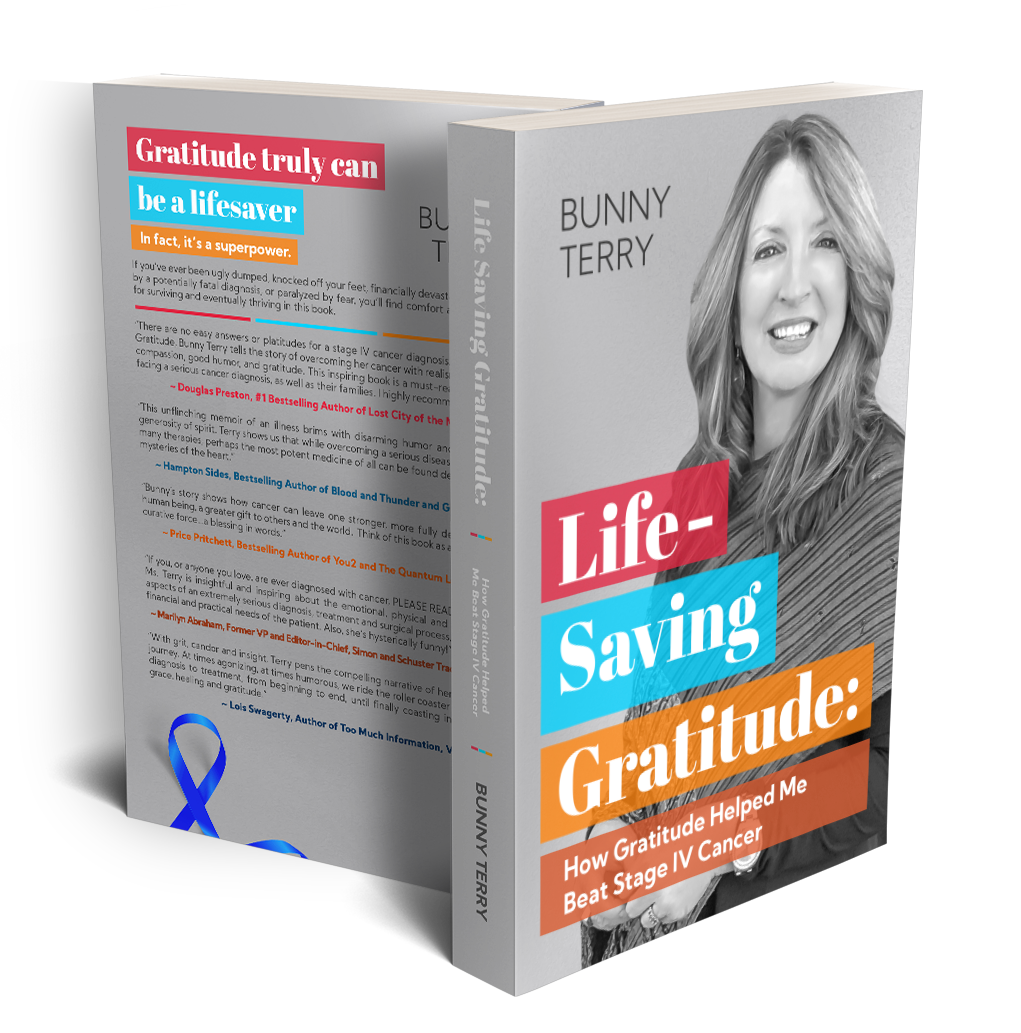
Buy Lifesaving Gratitude the book
Subscribe to Lifesaving Gratitude on your favorite podcasting platform





Featuring:
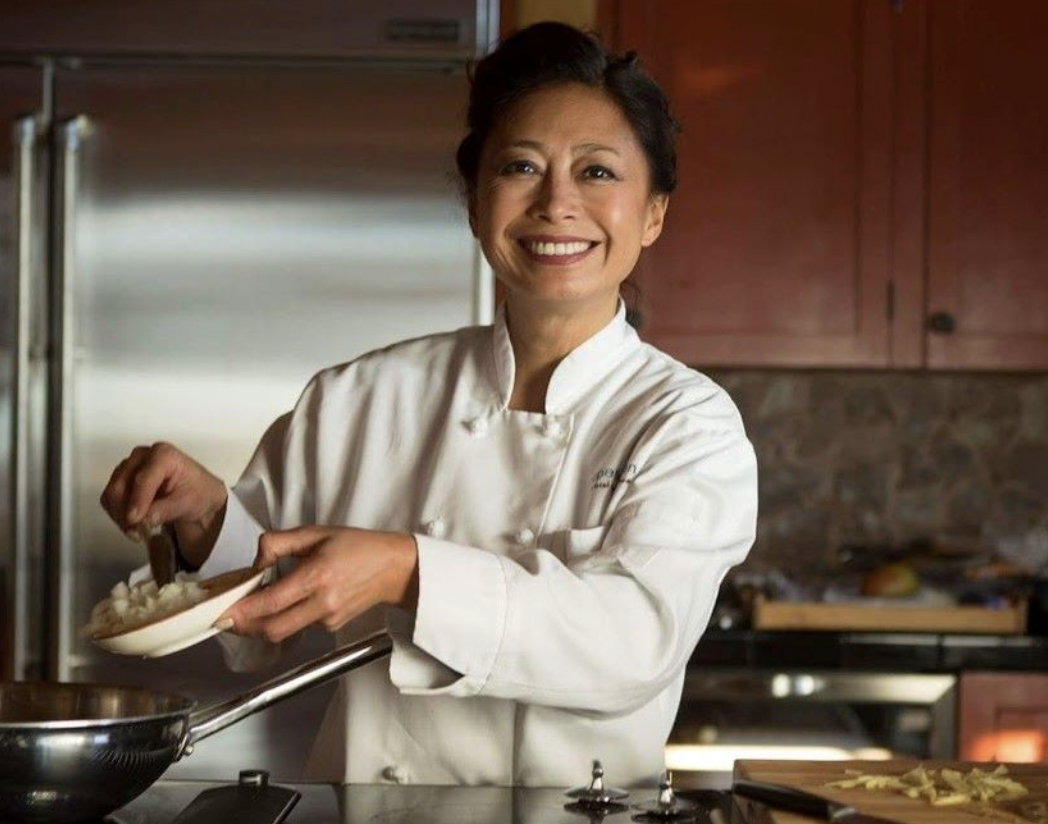
Hue-Chan Karels
In 2007, Hue-Chan Karels had the inspiration to make a lifestyle change from her FDA regulatory and compliance consulting practice. She started an artisan cookie business and, within two and a half years, this had grown into Open Kitchen’s unique, multi-purpose space. A decade later, Hue-Chan continues to reimagine Open Kitchen, always finding new, creative ways to build and connect community through the celebration of great food.
Episode Transcript
Bunny:
I’m so excited to have one of my favorite people in the world, on the podcast today. And , even if she didn’t have such an amazing story, I would enjoy a conversation with her. And I say this all the time about my friend HueChan Karels. Did I say your last name correctly?
Hue-Chan:
Karels (Carols).
Bunny:
Yes. Okay. When we get in the same room together, I always feel like we might blow the ceiling off because the energy is so high. I have not ever in my life, met somebody with such amazing energy and such, such, and so much of it. And we met somehow on Facebook. We were both really active in Santa Fe in general, and one of us, and I don’t know which one of us, it was said we should have coffee and we did. And , it was sort of like love at first sight. So , uh , and I think that was about two years ago, but anyway, Hue-Chan has an amazing story. And she is at this moment, one of the people in Santa Fe or in , in the world that I know who connects people more in more positive ways than anyone I know she she’s, and she’s got this life that she’s, you know, done one thing than she’s done another and her success grows. So, but rather than me talking about it , I want you to tell our listeners your story Hue-Chan.
Hue-Chan:
Well , where do we begin?
Bunny:
I don’t know . 7, 8, 9 , I think
Hue-Chan:
<laugh> . Yeah. So I think, I think a critical milestone that sets the course of my life is back in April 23rd, April, 1975. Where about a week prior to the fall of Saigon to the Vietnamese communist Northern regime our family had to leave our home in Vietnam , packing very little just literally a shoulder bag about maybe 24 inches, if that maybe 18 inches and , you know , five or six inches wide with things. So you can imagine , um, having to put your life , uh , into a bag. There were, at that point, five of us, my mother was pregnant with my youngest brother who actually was born in camp Pendleton , in California. So we left, I was nine years old 1975 , two months shy of my ninth birthday. And I had two younger brothers, one , uh, about five years old and the other about a year and a half, and my parents in their mid thirties. And we all, you know, it was a very… From a child perspective, I think a very exciting time because we were all getting to go somewhere. And , that somewhere we didn’t know was gonna be thousands of miles away, or at least I didn’t know at the time. And it was a very fast and furious process where my mother was able to get us visas to get out. She had been a journalist, had owned a newspaper in Vietnam, and it was critical that we leave the country because she was representing the south Vietnamese voices through her newspaper. So it wasn’t like, oh, you know, should we stay? Or should we go? It was really critical that we leave because of what we knew was gonna happen to my mother and our family, if we had stayed. So we packed up and I still remember that was 20, you know , April 23rd. And , we sat out to the new to the airport. At that point there were a lot of people, it was still not crazy, but I’m sure people have seen footage of the fall of Saigon , the 30th seven days later where people were climbing , um, and to get into the us embassy was, you know, trying to fight to get on board planes, boats, whatever, to get out. We had leisure.
Bunny:
I remember t hat.
Hue-Chan:
Yeah. Yeah, exactly. So we had a somewhat leisure time. So we, we went to the airport and I still remember how reflecting back and those stories that we we’ve discussed with the family afterwards. It was a very hard decision because we had to protect our little family. You know, my mother and father, we, they couldn’t take uncles and aunts and, you know, what- not. So people had to just fend for themselves, you know, their little nuclear family. And so it was a very tumultuous I’m sure experience for my parents, where they had to just focus on their kids, their, you know, life. And we sat at the airport for what seems to be hours because we got there early, but we couldn’t take off flight until it was dark at night and flew without lights. Wow. Because, you know, the , at that point, the , uh, the Northern Vietnamese communist troops were literally probably 15 miles away <laugh> from Saigon . And so it was a get out in a very quiet, silent way. So we flew to Guam . That was our first touchdown. And , my grandmother, I mean, I’m very privileged , to have strong women in my life, my grandmother had been a founding member in the Asian Federation of Federation of Asian women or something like that. And at that point was doing a lot of , um , prior to that point was doing a lot of , um , traveling around the world to get support and help for the Vietnam , south Vietnamese government and, and such. And so one of the places she traveled to was Guam , and she knew the, the governor of Guam. And so we, we went there as, you know, just by accident as a refugee, initial entree . And , we stayed there for about a month and we actually were gonna just stay there, but it was such a forlorn feeling, cuz it was a settlement, it was like a touchdown. People were not supposed to be staying there. They just kind of got recorded and then dis you know , displaced elsewhere in , in the us . And so there were all these families coming, we slept on cots. And from that point on, I still remember missing my bet , you know, missing the mattress <laugh> cuz we were sleeping literally in co on cots. Um, but we eventually left Guam. Um, and we went to camp Pendleton , in California and again, sleeping in , uh , intense and on cots. Um, it was, we, we got to camp Pendleton around a , you know, like June, may, June and it , and , and the valley of the camp. It , I just still remember it was being very cold. You know, it was like at night it was all these fogs and chill , which we never really experienced. And in the , in the daytime it was hot. And we were in intense and everything and it was again a , a fun experience for us kids cuz we all of a sudden get to roam around this campsite with all these other families that, you know, in Vietnam, the , we only stick to certain groups of people, you know, so there was not a lot of opportunity for us to meet a lot of different people. And here we are, we have thousands of people and I think overall camp Pendleton hosted about 55,000 Vietnamese refugees. Wow. During that time. Yeah. And so it was one of the interesting thing that my family were . My , one of my younger brother is a, in the film industry and we were talking about doing like a documentary as to what the lives of these people now, you know, 47 years later, these 55,000 people, you know, what what’s happened to them, you know? So anyway, we settled in camp Pendleton. My mother at that point was like ready to give birth to my youngest brother who is this filmmaker. And she for the last part went into the hospital. And so I was sort of in charge and that was like my first reign of project management, you know? And so that was really one , my career is literally project managing my family. You know , that meant standing line and getting food , um, washing clothes, which buddy and I talked when we first met and it was like these chores, even though looking back, I’m like, oh my God, how horrible. But during that time it was, I felt, you know, independent. I loved it. I felt, you know, it was I was in charge. And so literally I would be washing by hands clothes from my family, you know , my, so we had my dad and the two brothers and me and um, so I would be going into this air , this little laundry room I guess is really not a laundry room we were washing it by hands, but it was like some sort of area. And I was sit , you know, sitting and chatting with all these other women, I don’t know from where they came from, but obviously Vietnamese refugees like us and they were just chit-chatting about life. And, I kind of chimed in here. I am like a nine year old kid and trying to fit in. And I think that that is my strength is in whatever situation , um, trying to fit in trying to have a sense of place and, and a role and connecting with people. Even though I have no idea who they were, what foundation we have, as a common, other than the fact that we were all washing clothes, you know, mm-hmm <affirmative> and um, so we stayed there for, I’d say another month, but it seemed like a lifetime, you know, it was like, but literally looking back at the timeline , uh , we were there very short period of time, but such incredible resounding memory. And, and so after my mother gave birth , uh , we were able to , um, get placement cuz my mother had gone to Michigan state university for schooling back in the sixties to get her generalism communications degree. And so we had to at that point and I think still, you know, people coming into this country, can’t just be coming in, you know, they have to have a financial somebody to vouch for them. And so we, my mother’s , uh , hosting family in Michigan a pharmacist, we reached out, my mother reached out to him and he was able to sponsor us. And we all went to Michigan. Um, and so from there , uh , you know, we saw our first snow, we settled there. My father went to Michigan state to get his master or PhD in French literature. My mother be , you know , got a teaching master’s degree. And so my parents became, you know, just citizen, we all became little Americans , um, doing what we do, like going to Halloween having birthday celebrations. And we kind of settled there. I mean, I lived there until I graduated from college and then I moved to DC. So I think that, that, that history, that foundation really , um, you know, at the time it was exciting. It was new. It was, I didn’t feel sad. I didn’t know what was, you know, going on to feel sad. Um, but looking back, of course, you know, you, you, you have such heart breaks for what was left behind what was lost. Um, but at the same time, there’s a lot of hope about the future and what we were able to accomplish as a family. Um, and then that really sets the course for my, how I look at life and the kind of work that I do and the kind of relationships that I build along the way.
Bunny:
So when you, I’m curious, when you came to the states, was it, did you speak, did you speak English? Did you, I mean, was this so culturally different for you? I’m really curious about how that felt as a child?
Hue-Chan:
No, we didn’t. My brothers and I didn’t speak English. My parents did. And , we, my brother and I went to a French Catholic school.
Bunny:
So in Vietnam,
Hue-Chan:
In Vietnam, so we spoke French , or at least children grade French. And it was a blessing that we settled in Michigan state university where my, my father went back to get his PhD in French literature. And so we lived on student housing. U m, and so I had a lot of friends who are in my same situation, meaning they were, u m, they didn’t speak English. Their parents were there to get an education. So we had friends from Iraq, Brazil, Iran France, you name it. And they didn’t speak English either. And so we had a little special class in addition to the general classroom environment where we had intensive English as a second language schooling course. And so I think the first year we, we caught up very quickly and I believe the age that I came and my brothers were much younger. We all had that flexibility of assimilating very quickly. So, u m, accent, like right now, I don’t know i f y ou many people who have, you know, who t alk to me who don’t really know me would think that I’m really from Michigan, you know. The Midwest Chicago < laugh>. U m, so, so we d id, we definitely, u h, gain, u m, a sense of a simulation because of the age, I think, you know, and it was a great schooling system in Michigan where, u m, it was not all white. And then here we are as Asian, you know, t here, w e, we had a lot of other foreign students. And so it was, u m, it was a good way to grow up. And definitely there’s cultural differences where, u m, from how our parents, i t not only were because of the culture, but because of their emotional state, you know, as refugee, there’s a difference in how you would, you know, you’re not there on your own accord, you know, I mean, you just lost your country. And so there was a lot of stress, I think that were and anxiety that I’m sure my parents relayed upon us. And there was just much more of a , a world within a world. You know, when we go to, when we go to co uh , school, you know, we gotta fit in, or at least from my perspective, you know, there was like , uh , a two, two worlds in parallel. So when , when you’re in , in the classroom, nobody, these are, you know , nine, 10 year old kids, nobody knows, and nobody cares and nobody understands , um , the , your plight and how different you are. And yet you, I knew that I , in order to fit in and to have a positive life in , I’m not gonna belabor them in all my stories. Right. And so there was sort of , uh, and when you get home, there was like a different home life where I was in charge, I was responsible. I was sharing in, in the, the roles of cooking, cleaning , uh, doing a lot of things that other kids, my age would never would not have as responsibilities. And so I think that that kind of culture, whether it’s a combination of being Vietnamese, being refugees, being new to this , to this part of the world, all kind of gave me a very , uh , strong recognition that I had to maintain all different worlds, you know, in order to make it all work. Mm-hmm <affirmative> .
Johanna:
Did you feel that, could you tell that’s what was going on when you were at that age? You know , that is , that’s a lot
Hue-Chan:
I think I was, I grew up very , um, quickly and I think it just kind of snapped, you know, I mean, when I was, I don’t know, if I shared this with you Bunny, and I’ve shared this with people is prior to co to leaving Vietnam, I was a bed wetter. I was in , you know, I was nine years old, eight years old, whatever, but I wet my bed a at not all the time, but, you know, sometimes. And , um, I was very embarrassed about that when , you know, in Vietnam when I had sleepover, whatever, but as soon as I walked out of that plane and start living in camps and taking care of my brothers and doing the laundry and standing in line food, it just stopped. I mean, I literally went from this sort of, you know, irresponsible , privileged , child to growing about 20 years. And it just kind of clicked that that’s part of my life is over, and I have a new life that is still, you know, in order to be playful and to kind of fit in and like, oh, you know, chit c hat about things that 10 y ear olds or teenagers or w hatnot, chit c hat about with their friends, but also have a very different home life where I was more responsible. I had to be, u m, you know, to recognize a lot of the emotional issues that my parents, especially my dad was going through and, you know, not being a ble to really share, u m, that part. I mean, I do have a couple friends in like high school and such that I did share, but again, it’s, it’s knowing a nd it’s okay. You know, like I don’t have to like, have everybody understand what I’m going through to be able to make it, u m, and, and still have a fun time being a child or being a teenager or being, you k now, all the things that you’re supposed to be experiencing. So I think that, again, u m, that part of many of the years from, you know, 10 years old to graduating high school kind of gave me a very good foundation for just h a living multiple lives and all of the lives kind of t alk to each other. It’s not like, oh my God, you know, I have to pretend I’m this. And I think that kind of transparency and recognizing that, you know, this is life and you gotta make it all work. And it was fine.
Johanna:
Mm-hmm, <affirmative> kind of that compartmentalizing and yeah , juggling all these different things seems , um , I can kind of see a bit of a translation to that now in your life, because you’re so busy and you do so many different things and you really like seem to juggle that. So, well, I mean, obviously I don’t, I don’t know you as well as bunny does, but I hear about all the things you’re doing and I’m like, wow, how does she, you know, keep all those balls in the air? <laugh> , you
Bunny:
Know, well… I think it’s worthwhile to tell, I mean, let’s tell the listeners, you know, who you are now, who you were 10 years ago. I mean, you’re, you have a lot of irons in the fire and they’re all they look from the outside. Like they’re all very well managed and very successful.
Hue-Chan:
Yeah, I think, I think, no, I’m, you know , at this point I’m 56 years old, I’ve been here at , for 47 years doing the 47 years of leaving that child nine year old behind. Yes. I’ve done a lot of things. And I think of one of the, one of the, I reinvent of myself or image or, or creation of myself , um, that I’m very proud of is , um, at 27 years old , I raised money. I created a company called Viet-link. So at that point, after my , um, after I got my master’s degree in organization development, I left the corporate world, which I didn’t really have much , much of years in the corporate world, but I left that nevertheless
Bunny:
After three years.
Hue-Chan:
Exactly. And , started my own consulting , foreign trade business to help rebuild Vietnam. So 27 years old, I , um, had this notion that I’m gonna go back to Vietnam and I’m gonna help , um, build the country through my knowledge and through my passion and how I was gonna do that was helping , uh , the infrastructure of the country, power, electrical roads, communications, et cetera . And at that point, Vietnam was still under embargo, meaning it was locked out from the world. It kind of, there was a point where Vietnam went almost into a breaking point. People were starving, the country was not functioning, and then it , it kind of blossomed and was opening itself to the world. And so at that point in time, around 1992 , um, I was 27 and , um, I literally raised money. I cold called , um, mobile Exxon sprint Westinghouse , uh, duke energy didn’t matter who these people were. And I, I raised money to bring one of the very first, probably second , uh , U of Vietnamese delegation made up of like , ministers of energy minister of transportation, the , uh, like state department level people. I was scared. I mean, I, you know, I brought these people in , I had, I worked with a company of course, but it was all my money, you know, that I raised. And we were doing a trade delegation, u m, of, u h, three cities. We went to, u m, New York, Chicago, u h, DC of course. U m, and then San Francisco, so f our, and we had, u m, sponsors like, you k now, Exxon m obile, u h, d uke Raytheon, w hatnot. And so it was just a lot of pressure that I put myself into, of course, u m, where I, these trade delegation, ministers were coming to the u s to seek investors. And then I married them with u s companies that wanna get into Vietnam to sell their turban energy, you know, source their ship, building w hatnot. And I o rganized, u m, conferences with the world bank, with X M bank with w hatnot. And we sold, you know, registration. It was just all me sitting in my little condo, I j ust remember, and doing all this, like just working, getting money organizing. So I got ‘ em to the u s, and it was a two w eek trip all around the country. I literally lost about 20 pounds at the end because it was like every, it was like 24 7, you know? And, u m, just feeling t his sense of anxiety and sickness, like, I’m like, oh my God, if I fail t his it’ll be, I’ll be dead. You know? I mean, I cannot fail, you know? And, u m, a nd,
Bunny:
And , may I say this was before, I mean, you couldn’t put everything on a computer really.
Hue-Chan:
No, it was like,
Bunny:
Like handwritten registration.
Hue-Chan:
It was like, yeah, it was like such a high and such a feeling of desperation, you know, and the stakes were high. It wasn’t like I was playing, you know, these were all like minister level where I matched them up with the John McCain. I got a meeting with John McCain. I got a meeting with all these people, and I was responsible for these people, you know? And not only was I responsible for these Vietnamese communists, these were all like the guys in their seventies and eighties who up to recently 20 years, right. We’re in the trenches, you know, we’re fighting my, my family who we all left because of them, you know? Yeah . And so there were a point where we were on a bus to go to Roanoke, cuz there was one of the, I don’t know , we were meeting with somebody, I had all these people on a bus and sure enough, we got a call from the FBI because there were demonstration, the Vietnamese expats were demonstrating against this delegation that I was bringing. And they were like, I don’t know what they were doing, but we had to find a alternative route to go to our , that meeting. Wow. So they found out about what you were doing and started this . Whoa . And so anyway, that was, I was very proud of that was that was 1994 that I brought this delegation over or 93 or something. I think it was 90. No, it was 95, 19 95. I brought these people over and it was just right after the embargo got lifted and it was exhilarating cuz I, not only did I bring all these people over I had to break broker the deal. I mean, that was my thing, right. Is that I had to, like, that was my conduit to get people together <laugh> and to broker deal, you know, the , the world bank got money and to facilitate to Vietnam. And there were my clients that I got, wanted the money to, you know, do a whatever project in Vietnam. And so it was like all these brokering. And during that time, I think there was, a moment where I , I had to like work on my, on my feet , uh , for responses because in connecting people certain times, these minister would say, you know what, we’d rather go shopping than , uh , meet with ,, the Exxon Mobil president. <laugh> no . Or , um , oh, you know what, we can’t really meet with this duke energy, even though they gave us like $10,000 in sponsorship because there’s a conflict of adventurous because we’re already working with another group. No one told me that , um , until it was too late. And so I had to like just bite my tongue, just like just close my eyes and just having to be responsible. I’m always the one holding the bag, you know? Um , but at the end of the day, everything worked out. Um, I spent a lot of time in Vietnam. I did this for seven years and it was all on my financial doing. I, at that point I was , um , married , uh , my first marriage and it literally broke us because financially and spiritually, cuz he was helping me and I , it was demoralizing seven years of working so hard to broker these deals to help my country. And it was the hardest thing I ever did. You know, living in Vietnam, working the system that had no system, there was no banking system, no. Right . You know , legal system to really do these deals. We were sitting, talking with ministers who had no training to negotiate , uh , you know, legal agreements with the big corporate world of America. And it was just , um , it taught me a lot. And so, I shelved it 1998. I just couldn’t do it anymore. 1999 I was exhausted. I was broke. I had no more energy <laugh> left in me cuz it was all taken. But um, surely enough, I, I bounced back and I went to work for , um, as a project manager in a major corporate scene , um, doing regulatory consulting for FDA regulated companies. And I just thought, oh my God, can I really do this? But I ended up doing that for 20 years, very, very successfully. John, that’s how I met my husband, John. We both do consulting for FDA regulated companies and I manage people, you know? So all these players from the clients to the consultants, you know, again, putting people together, getting them to do what I need them to do together. Mm-hmm <affirmative> um, and then here I am with , open kitchen, which that was my kind of , um, save saving grace because doing all of this, it was just such a toxic, very hard life working this system, you know, whether it’s try to get a us company pharmaceutical out of trouble because of their products or helping them regain their health quality system in healthy condition. It was a lot of just hard work. I mean I worked 90 hours a week for many, many years and traveling. Um, so open kitchen was sort of my, like the savior, you know, I envisioned open kitchen when I started , um, this idea back in 19 , um , back in 2007 in Washington, DC, that it was something where I need a healing through food, through cooking, through just seeing people enjoying the fruit of my labor, feeding people , um , and seeing their , their satisfaction immediately versus all these other projects in my life. I’ll never see the fruition of the things that I did, you know , um , whereas cooking is like an , an immediate thing. And so I began doing open kitchen 2007. I was still consulting. We opened open kitchen 2009 in , in Washington, DC Metro, very well receive a lot of hard work. Uh , but I never cooked. We had chefs, we had a lot , a huge , uh , operation. Um, but I never like got into the kitchen. And so when we moved here to Santa Fe in 2014, we had to close open kitchen DC, 2016 and then I kind of reimagine what it would be like for open kitchen and me to have a very intimate relationship, you know, where I, I wasn’t gonna rely on the chefs or whoever I’m only just gonna rely on what I can do, you know, however, small, however big I can’t rely on other people. Um, and or I just didn’t want it to be that big. I just wanted to do what I can physically do. Whether it’s teaching a class, cooking a meal for a private client or doing a catering for a reception, everything has to go back to my ability to do it. And so that’s how we started open kitchen in 2019. Um, and it’s, it’s, I have to say it’s, it’s such an amazing reward. Uh , for me that mm-hmm , <affirmative> , it’s taken off and people really get it. They get the message that the beauty of food, the beauty of people coming together and rolling up their sleeves and cooking together and eating together and , um, creating something that wasn’t there before. And , um, we have a opportunity to do that
Bunny:
Well, and I think, I think that people tend to not think of cooking as creativity, but you, you make it look , I mean, it is that with you and it is, you know, it’s , you’re , it’s like more of an art. Yeah. It’s a , it’s, it’s really an art and it’s art. That’s very nurturing. Not just because, not just because it’s nutrition, but because it’s, you create a really beautiful space. I mean, I think we should explain the cons , you know, the cons explain the concept of open kitchen. Like what is it people wanna know?
Hue-Chan:
So I think the word open kitchen has a Genesis in the fact that when I open open kitchen in Washington DC in 2009, it was for the passion of creating a space where people entrepreneurial culinary entrepreneurs from , uh , a , a baker to a cater can come to open kitchen in Washington, DC. And they rent a space that we created to beautiful kitchen that they can rent. So that was a very novel idea at the time. Um, and so open kitchen at that moment in DC was a space where entrepreneurs can come cook their products, sell it legally to the farmer’s market or, or whatnot , as well as an open kitchen, as a bistro where our kitchen was literally open. It was kind of like the coyote cafe, you know, chef’s counter, right ? And we created that, you know, way back when, where people sat at the counter, they watch our chefs cook. And so there was an openness, there’s not a wall, there’s no separation between what we cook for them and what they’re getting to eat. Um, and open kitchen here now in Des in , in Santa Fe has taken on yet another life where it is creating magic. It’s creating joy, it’s creating amazing ex culinary experience, wherever it can be imagined. And so I think that is the open kitchen is yes , we have a beautiful space in downtown Santa Fe where we have three private rooms, so to speak, to curate cooking classes, curate dinners , um, and we host dinners there and, and we do dinners elsewhere out, you know, to people’s homes, like Bunny your home,
Bunny:
Like at my house.
Hue-Chan:
Exactly. However, the essence of open kitchen here for me as I evolve into an older person , um , uh, who is, is sort of boundary-less, you know, I really want to take and give people a sense that they can come to open kitchen to do a cooking class, for example, but I want them to be able to take what they’ve learned to go back to their space, to do it. So it’s like that kind of transferring of technology or, you know, helping people, you know, seafood and being excited about what they can do with food for themselves nurturing themselves, caring for themselves and their friends and family. So that’s really open kitchen is, is just this spirit, this, this , uh , ability to impart what I love about food and cooking to other people and all of our team members and , you know , bunny are of that same spirit. And I think we kind of gravitate towards each other, the energy attracts energy. And I would have to say, I’m very proud of whoever has come into our space and our kitchen, our team, they have this same joy of creating this magic for people.
Bunny:
It is , it’s all about joy. And I, and that’s, I guess I was thinking, as you were telling your story, you know, when you were a child, you, you have , you know, over time found the thing that you love the most , that feels that’s how it feels to me . And you’re really, and you’re, and you’re conveying that to everybody. I mean, you’re providing that to everybody else, that same level of love and care and joy, joy, and nurturing.
Hue-Chan:
And I think also like , with that I think joy is, is , is a self thing. You know, nobody can give you joy, right? And , um, but you can truly impart and share joy, but you know, to really own it and to have it I’ve learned, right. That like me making my own birthday cake, you know , um , it wasn’t, nobody’s gonna do it for me, so I have to do it myself. And, you know, so I think having to learn how to create your own, your own world, your own happiness, your own space , uh , is a practice that people can do. And, and, and it , over time it gets easier and easier. And you find creativity in how to create your own, your own joy, your own world. And also I’m, I’m loving the fact that like our chefs and our, the people who come into our world, how do you create the fact that they love who they are? And they, they find inspiration of their own stuff, you know, to bring it to the world. So like case in point, Erica , our chef to cuisine, she has a very interesting culinary background and historical background. So she’s Taiwanese Korean. And she’s lived in Hawaii, you know, and so forth. And over the two years that we’ve worked together, she has, I believe been able to share , um, to, to Santa Fe and others , um, through our cooking class, through our food, her own cuisine, you know, it’s like, I , I really have a , a strong belief that in order to have your own uniqueness and to be successful, you have to really look at yourself and, and not try to be somebody else. You know? I mean, I , I could cook, I could make, you know, French dishes, I could do Spanish dishes. I can do whatever, but what is unique and what people want of me is Vietnamese food or a creation of Vietnamese food. Right. And so I think it’s so important for all of us culture to have a sense of identity and to really own it. And , and to market that, because that is what is gonna set you apart from other people mm-hmm <affirmative> . And so I think that that is another great way of cooking and food is that people learn their culinary heritage, their, their heritage, and that they can use that to empower themselves.
Johanna:
Yeah.
Bunny:
Did you start ? You were ,
Johanna:
No, I was wait . No , I was just gonna say it’s so cool. I just, I love it. Yeah. But go ahead.
Bunny:
It is so cool. And you, and you, but you are still, I mean, just like you were trying to save your country , um, when you were 27, you still do things that are really important for this community. I mean, I, during the pandemic, you, you kept some of those young chefs working by doing the , the pick , what , what we call those, the takeout where , I mean, I ate those people for, for weeks during, when we were all shut down.
Hue-Chan:
Correct.
Bunny:
You’re still in the business of making your world better. Um , <inaudible> this joy of cooking.
Hue-Chan:
Yeah. So it’s, no, I love it. Uh , I love what we’ve been able to do and I love , um, having an impact, you know, I mean, it’s, it’s a , it’s, it’s, it truly is such so rewarding, you know , um, to, to create not only beautiful food. I mean, we love making beautiful food, of course. Um, but we, the whole sense of creativity is taking, you know, whether you openly refrigerated now in COO a what can I make to feed my family, you know? Right . So it it’s really like taking either nothing or very little of something and creating something that’s nourishing and, and, and beautiful. I think that is the essence of, of being creative. Cuz if you , you , it’s easy to be creative. If you are, you have caviar and lobster and you know, great wine and great scenery. It’s easy. It’s not so easy when you don’t have a lot and you have to create something from that. So I think that that’s, that’s, I , I love that challenge too
Bunny:
Well . And I just wanna give you a plug here because you make it so much fun. I mean, you’re doing, what did I think I judged a , a birthday
Hue-Chan:
Party. Oh yeah. Mm-hmm , <affirmative>
Bunny:
Did a birthday party. You do engagement party. And , and , and when I say parties, this is not like people show up and eat. This is you do these great parties where you, you know, you break people into groups and you teach them how to cook and you do a little competition. And , um, you’re getting people in the kitchen having fun.
Johanna:
And I did it . Did I see, you recently did an event cuz I didn’t know what Viet-link was before, but I said, did you do like a, kind of a correct ? I don’t know , but kind of a connected event where you were teaching people about Vietnam and like was it via link ?
Bunny:
No , she’s taking them there.
Johanna:
Oh, you’re take , oh , that’s coming up. Okay . Yes .
Hue-Chan:
Yeah . So , so one of the , um, so it’s kind of like I’m all my head, you know, like bunny , I’m sure you’re the same way. You know, we’re always thinking about how to ideas, all these ideas. Right. And so definitely I want to , um , take open kitchen to, you know, the open horizon. So we wanna get out, you know, this is, I think part of the impression that the pandemic has left upon all of us is that, you know, the world is life is, is short, who knows what’s gonna happen. The world is out there. We really do need to explore and, and , and go out there. And so , uh, so the expansion , uh , or evolution of open kitchen is , uh , doing these culinary ES escapades . So whether the ES escapade and the word ES escapade I use purposefully is that it’s something different, it’s novel, it’s, it could be an ESCA paid to, to , and having a great lunch at the Gorge , uh , and you know, going rafting , uh , or it could be a culinary ES escapade to Vietnam, which is what we’re doing in November. We’re doing 15 nights, 16 days , um, around culinary heritage, the regions, the different , um , history and culture that the Vietnamese food , um, can impart upon people. You know, so many people it’s not just Vietnam. So many people only have certain facet of the cuisine that they eat. You know, whether it’s a pizza , um , you know, tacos, these are all just, just a surface of these culinary heritage. And so , um, it , so I really wanna kind of broaden and share , um, what Vietnam is all about in terms of food and that’s what we’re doing in November. So I’m , I’m really excited about That.
Johanna:
Wow . That is
Bunny:
That’s really cool . So we definitely wanna post a link to that. Are you, do you still have a coup a few spaces?
Hue-Chan:
Yeah. We still have a couple spaces. <laugh> okay .
Johanna:
That’s really cool.
Bunny:
We , we wanna post a link to that and we wanna post a link to the events. You can do it. Yeah.
Hue-Chan:
Because
Bunny:
Exactly telling you folks, this is so much fun, but it’s, I mean, you were, you come from a serious be and you were in a really, really serious profession, but what you learned best is how to manage all of us and how to connect . And I’m , I’m grateful that you got to this point.
Hue-Chan:
Well thank you.
Bunny:
… Living in Santa Fe. Thank you . And yeah , it’s, I mean, it is clear that you really love everything that you’re doing now. I mean ,
Hue-Chan:
Yes,
Bunny:
You’re , it’s, it’s pretty amazing.
Hue-Chan:
Well, thank you. And, it’s always great talking with you Bunny and you know, we, and one of the things that we love and <affirmative>, and I’m passionate about is , is giving back. So we definitely have been very privileged to be part of the cancer foundation for New Mexico and other organizations within the community , um, that we can help make better through our inputs. So mm-hmm , <affirmative> appreciate that.
Bunny:
Thank you . So I guess if you were, I just want, you know, I hate to wrap this into a perfect little ball, but if you were , if people were finding themselves in , um, you know, especially in , um, situations where , um, I mean, you did it on grants , you had to leave your country, you had to adapt to something new, but I don’t know . How do you , what do you tell people now who find themselves in difficult situations where they’re having to adapt? Is there, is there some trick that they’re , other than just breathing
Johanna:
Don’t you have all the answers?
Bunny:
That’s What I want.
Hue-Chan:
Bunny You have the answer and I think. No, I love getting, you know, these podcasts and sharing stories. And, and I think it’s really important to, especially what we all went through together, collectively in the world, this whole pandemic thing, right. Is the knowledge that we’re not alone and that we have other people who can share what they’ve gone through that they can get through whatever they’re going through. And that there is hope. Um, and I think as, as a child, you know, that wasn’t something I needed because, you know, maybe as children, we, we have this amazing positivity or whatnot . But I think as , uh , young adults , um, and adults, you know, we, we do need to know that we have networks that we can reach out to , um , and not hold ourselves to just dealing with all this , um , on our own. But at the same time, I’m a proponent to knowing that each of us have within us, this amazing wealth of magic, you know, that we are our own healer, that we can do it.
Bunny:
I love that we have an amazing wealth of magic . I love that. Thank you so much for doing this. Thanks. Thank you.
Hue-Chan:
All r ight. T hank you. Ciao!
Bunny:
Thank you so much.
Hue-Chan:
Bye.
Bunny:
Bye. That’s all we’ve got today. Friends. I wanna thank you for joining the Lifesaving Gratitude podcast with your host Bunny Terry , that’s me and my producer and assistant Johanna Medina. We feel like we’re in the business of sharing the stories that save us, and we hope you’ll share as well by letting your friends and family know about the podcast follow and like us wherever you listed. And please take the time to leave a review, whether it’s a stellar comment or a suggestion, we are open to suggestions all the time. Also follow us on Instagram at live saving gratitude pod. You can also follow me personally at bunny Terry , Santa Fe. You can sign up@mywebsiteatbunnyterry.com to receive weekly emails about how to become the ultimate gratitude nerd. Thanks so much for checking in.

About the Podcast
Recent Episodes

I Love New Mexico Teachers: Bunny Terry
About the Episode: Summer is coming to an end and a new school year is...

I Love New Mexico Food: Kirk Muncrief of AlbuKirky Seasonings
About the Episode: In New Mexico you know we love food AND we love spicy...

100th Episode Recap: Bunny & Johanna
About the Episode: The I Love New Mexico podcast has made it to 100...
About the Episode:
Resources mentioned in the episode:
- Bunny’s Website
- Lifesaving Gratitude: How Gratitude Helped Me Beat Stage IV Cancer by Bunny Terry
- Cunningham + Colleagues marketing firm website
- Sante Fe Kitchen Angels
- How to Win Friends and Influence People by Dale Carnegie
- Craig’s Blog: Santa Fe Scenes
Subscribe to Lifesaving Gratitude on your favorite podcasting platform
Featuring:
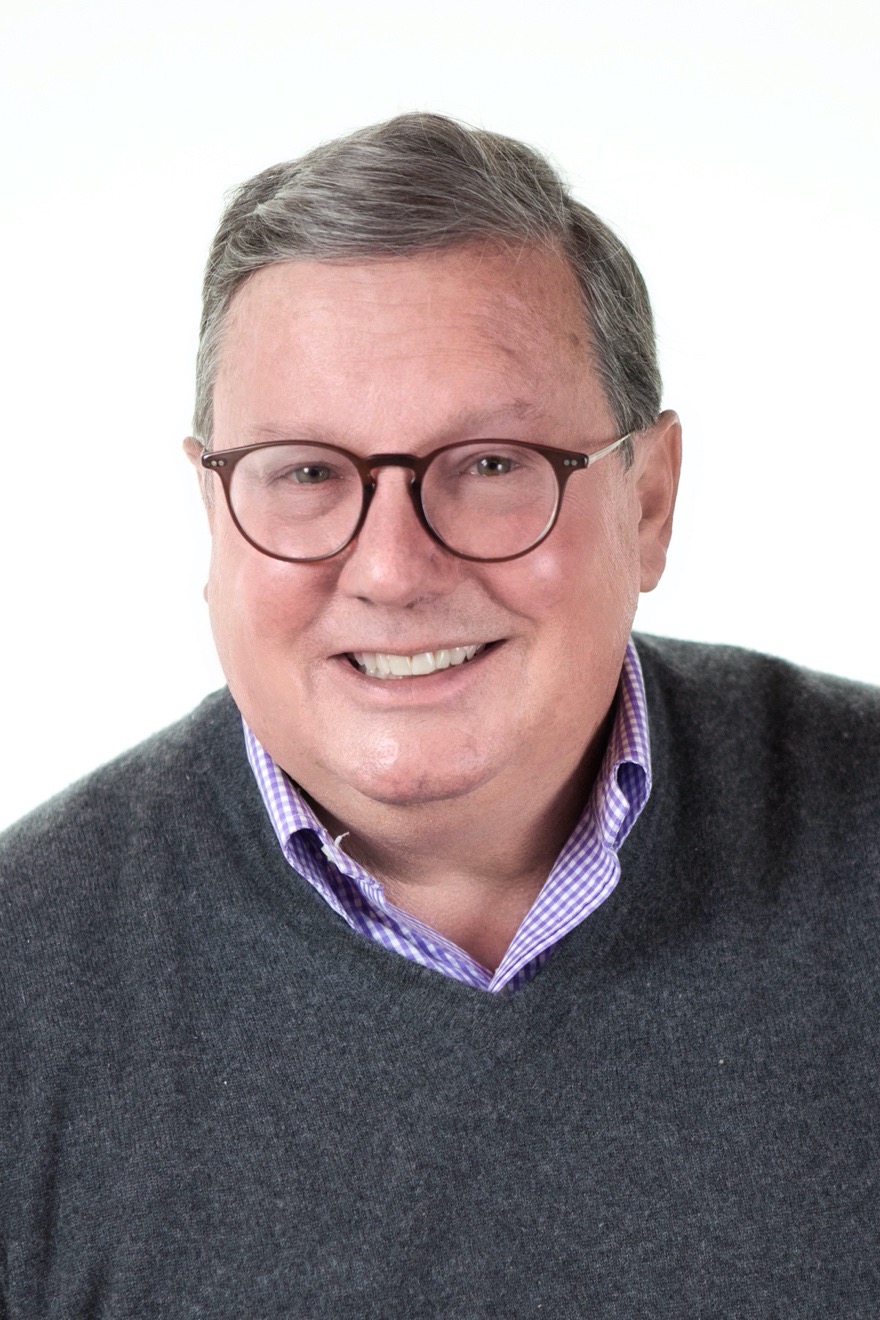
Craig Cunningham
Bunny met Craig as a fellow realtor at Keller Williams in Santa Fe. Craig’s experience as a hotelier and his expertise in sales and marketing gives him a unique perspective on customer service. Craig knows just how valuable it is to show gratitude toward his clients and colleagues.
He writes regularly about Santa Fe on his blog, Santa Fe Scenes.
Episode Transcript
Today we’re going to talk to a special guest about how marketing and marketers can use gratitude to create business and connections with clients and also for themselves to create a really positive way to do their job. But first, I just want to thank you for being here and ask that you download the podcast if you’d like. And certainly subscribe wherever you listen to other podcasts. But enough about me and enough about the podcast.
I want to introduce you to my special guest, who’s also a friend. Craig Cunningham is currently a realtor with Keller Williams, Santa Fe. And that’s how I met him. However, this is a recent career for him and he was, and correct me if I mispronounce the word, but you were a hotelier. Is that the way to say that?
Craig: Yes.
Bunny: Yes. He’s spent 30 years in corporate sales and marketing. He’s traveled extensively. I’m going to let him tell you all the places that he’s been to, but he is the founder and principal of Cunningham + Colleagues marketing consultants. He was in the past the VP of marketing and quality for Seaport Hotels and World Centers and the VP of marketing for Core North America. So welcome Craig Cunningham.
Craig: Thanks so much for having me on your podcast.
Bunny: I’m excited. I know you have some great tips for all of our listeners. When I think about these podcasts, I always think about the people that are going to want the information we’re offering. I mean, we’re here to help people and we’re here to figure out how gratitude can make everyone’s life not just easier and simpler, but also fuller. So why don’t you start, Greg? Just tell us a little bit about yourself. Tell us how in the world you ended up in this completely different career? And yet the truth is we’re still just marketers first and realtors, second. Tell me a little bit about yourself. Tell our listeners.
Craig: Yeah. So, as you said, I’ve been in marketing and sales for more than 30 years. I actually started off with an advertising and PR agency and then had the good fortune to be hired by my hotel client at the time, Wyndham hotels. At that time it was a North American chain and it’s now international.
But from then on, I was in the hotel business. It’s definitely a career where if you are not focused on client service and the whole concept of gratitude, you’re not going to be successful. I always thought of our job as just surprising and delighting our guests and making them feel like they chose the right hotel to be with. And so it was always about waking up every day and saying, “What can I do to make somebody’s day and to give them a great experience?” And, of course, to do this you have to be grateful because they opted to choose your hotel over the million other choices that they had.
So when I retired from the hotel business two years ago, I was trying to figure out what else I wanted to do with my life. I started doing more volunteering. I volunteer with Kitchen Angels here in Santa Fe to deliver meals to people who are not able to leave their homes. But I also started thinking of whether I wanted to do something else from a professional standpoint and the real estate business seemed like a natural extension, because it’s all about client service. You have to figure out ways to make people feel like they’ve made the right choice in working with you. So it’s all about being grateful every day and figuring out what can I do to help them today. How else can I extend what I’m doing for them in a way that they will appreciate and know that I appreciate them. So that’s what it’s really all about, because of course they could work with a million other other people
Bunny: Right. And let’s talk for just a second. Don’t you think that marketing has changed over the 30 years that you’ve been doing this? I mean, it seems to me that when we were kids, which was back before the crust cooled, we were sort of marketed at. Just talk for a minute about how marketing is different now than it was 10 years ago or 30 years ago.
Craig: It’s funny, because I was going to say the exact same thing. Back in the day, you were running a TV ad or a radio spot or a print ad and it was passive in that you just presented the information, unless you were direct sales. But really with the advent of so much digital media, you are instantly able to forge a relationship with customers through social media, through Facebook, Instagram, where you’re having a dialogue with them from the very beginning. This allows you to work in a much more personal way and to be able to find out much more quickly how you can serve those people.
So I think it’s changed completely. Before you just sort of put it out there into the ether and hope that something worked, and now you’re able to engage. And I’ve found that so much in real estate where I’m getting emails from folks and then it evolves from the email into a phone call or a zoom call or something like that instantly. I think that’s so much better for both people. Especially for somebody like me who wants to find ways to engage with people and to be of service to them, it makes it a lot easier and more rewarding.
Bunny: I just think about the ways that I connect with my clients. It’s as if you’re somehow conveying to those people that you’re grateful that they showed up.
Craig: Yeah, exactly. I mean, my whole thought is that it’s not a transaction, it’s a relationship. And that relationship can be multifaceted. Once you’ve sold them a house or sold their house, I like to think that we’ve formed a friendship and a bond and that relationship is going to continue. And honestly, I don’t even care if I ever get another piece of business for them. Now think of them as friends. I want to have them to my house for dinner or go have coffee or something like that.
I think that kind of thing that makes a difference for people in wanting to work with me. It’s coming from a position of wanting to be of service to them and wanting to make them happy and finding the right solution for them. I’m working with some first-time-buyers right now and I kind of feel like they’re my kids. It’s about, okay, how can I really help them with this? And they’re grateful for the counsel I’m able to give to them, and I’m grateful for the opportunity to work with them. So it’s very rewarding. I think if you approach business relationships in the same way as you would with your friends, it’s a win-win situation for everybody.
Bunny: Well, talking about those first-time home buyers, I mean, that’s one of my favorite deals. You never make the most money from those transactions, but I’m so grateful to be reminded that we are providing the American dream when we’re selling real estate. Yeah. It’s amazing. It’s my favorite experience.
Craig: Yeah. I mean, for somebody to have their first home and to be excited about how they’re going to decorate it and what they’re going to do. And with this young couple, seeing them excited when they see a house brings out all my empathy and makes me want to really go the extra mile for them to make sure they find the right house at the right price for them. And then I just never want to stop. So then it’s like, “Okay, now I’m going to find this person for you to do the plumbing, and I’m going to find this person, etc, and I’ll be with you with you to help explain things.” I just want to really continue to be of service.
Bunny: I talk a lot, especially on my blog, about Judy Camp, who was one of my first real estate mentors. She was a great friend and Linda Gammons partner for a long time before she passed away. But Judy Camp always says, “If you come from contribution, you can’t help but be successful.”
Craig: Yeah. I mean, just as I was saying, you can’t think of it as a transaction. I think, coming from contribution, how can I help you? How can I make this a better experience? How can I make this work? Because, especially in a real estate transaction, it can be stressful. It’s the biggest financial transaction for the majority of us. So how do you take the burden and the pressure away from them and sort of guide them through the process? I just think the main thing is that it’s much more fun, whether you’re doing volunteer work or in business, to wake up every day and figure out how I could make it fun for somebody else. Because then it’s fun for you and it gets you excited and passionate about what you’re doing.
Bunny: Well, it sounds like our big “why’s” are really similar. I certainly don’t want to put any words in your mouth, but it sounds like your big “why” is just to make the life of the people you come in contact with better.
Craig: Yeah. Of course making money is nice, but there are lots of ways to make money. It’s more about whether you are getting energy from it. And I think you really get energy when you’re working with someone and trying to figure out how you can help them, how you can make their day better, how you can make the service that you’re providing better. And also just doing things that saying, “What about if I do X, Y, Z?” and they’re like, “Oh, you’ll do that for me?” And I’m like, “Of course.”
I have another set of clients where the transaction was fairly complicated and we were looking at lots of properties. Coming from a corporate background, I love to do spreadsheets and PowerPoint presentations—things like that. And so after about the third thing we had to do, they’re like, “Oh, how are we going to organize all these bids?” And then one of the guys said to the other guy, “Well, Craig’s going to do a spreadsheet for us. He’s probably already got it done.” So it’s that kind of thing where you’re looking for ways to make their experience better.
Bunny: So this is always a funny question for me to ask, because I have such a loose gratitude practice other than just waking up in the morning and saying, “thank you, thank you, thank you,” and then writing things down, but do you have a practice that you follow that helps you both in your business and your personal life?
Craig: Well, since I came into real estate with Keller Williams, which focuses a lot on being servant leaders and helping people, I’ve gotten into the habit of writing three things I’m grateful for that day. It could be that it’s a beautiful day or a dog or my partner or the opportunity to help somebody or the coffee’s really good that day, but waking up and appreciating what you have in your life is a good way to get in a good mindset for the rest of it.
Bunny: Oh, absolutely. Something I always say is that we kind of rewire our brains. We do. We create new neural pathways every time we say that we’re grateful. So in terms of nuts and bolts, is there a way that you let your clients know? I mean, I find that there are a lot of young people, young entrepreneurs or people who are new to business, who forget how to tell their clients how they’re grateful for them, even if it’s a line in an email. Do you have something that you do specifically over and over?
Craig: I think for me, it’s maybe more in the actions. I think of “This is really going to be helpful if I do this or if I provide this information.” I think it’s always in my voice and the way that I write. I try to always communicate openly and in a friendly and conversational manner. But then I also think “It would be really cool and really helpful if I did X , Y , Z.” I created a whole PowerPoint just on the neighborhoods in Santa Fe, because if you’re out of town it gets confusing. And that came out of a client saying, “Well, I don’t really know the neighborhoods.” And I thought that this would be a great tool for them. So I created it and then I was able to use it with others.
So I think for me, maybe it’s sort of on the fly. I used to say in the hotel hotel business, “How can I make this a wow experience?” Because the other way to think about it is that every relationship is with people. When you’re in a service business you’re really in the business of creating memories. You can create good memories or you can create bad memory and it’s much more fun to create good memories.
Bunny: And that just comes from a spirit of generosity. I mean, you obviously want this to be the best real estate experience they’ve ever had.
Craig: Right. Right. I’m very grateful for the people that have helped me along the way. I’ve been very fortunate in my career to always work for people who were concerned about my career development and my personal development and became dear friends. And I’ve had a couple of bosses that have hired me twice in two different jobs. So I’m always grateful for the things that other people have done for me.
So then I want to pay it forward. When I came to Keller Williams and I was introduced to the team here, there was so much openness and willingness to share and help and support. It has been fantastic. What strikes me the most is how grateful I am for what other people have done for me. And how do I pay that back?
Bunny: I mean, this is not a podcast to plug Keller Williams. It’s really more to talk about mindset, but the place where I learned it was sitting in that training room and learning that my mindset was the secret sauce. I mean, that’s the success piece, right?
Craig: Yeah, exactly. It’s not just about production and everything. It’s about weight and having a sense of gratitude and contribution and a sense of abundance. And I don’t mean that in a monetary way. It could be abundance in your health or your friends or all of that kind of stuff. And I think back to you. Your experience with cancer was far worse than mine, but I did have prostate cancer about nine years ago. Everyone I worked with during that entire time when I was going for radiation every day for 10 weeks was so supportive. And then on the last day of radiation, there was this very important meeting, and everyone knew it was my last day.My whole team had a celebration for me on my last day. That was turning something that was obviously a challenging situation into something where I knew they really cared about me and supported me.
Bunny: Wow. I’m interested to hear how your mindset was in the middle of that?
Craig: I’m just by nature, an optimistic person. So even though it was scary, I felt like I was in good hands from a medical standpoint and I just felt like I was gonna beat it. I had done the education that I needed to and then it was really about having a positive mindset.
This is probably too much information, but I’ll say it anyway. You’re doing the radiation stripped down to your boxer shorts. And so I jokingly put this Facebook thing about the fact that I needed a new pair of boxer shorts for every day. And people started sending me underwear—different pairs of boxer shorts for every day. So while I was sitting there in the big machine, where you’re sort of in there and it’s buzzing and scanning and all that kind of stuff, it got to be kind of a joke with the techs: “Oh , what’s he going to be wearing today?”
Bunny: I love that.
Craig: That was a way to keep my spirits up. And also during that process, I really learned how to be very focused. I was in a waiting room with people that were going through, frankly, worse things than prostate cancer. Don’t get me wrong, prostate cancer is pretty serious. It is. People die from it. But I was seeing so many other people that were having a much more challenging time than I was. And we became a family. We all bonded together during that process, because we were all waiting, sometimes for an hour. So it’s things like that. And also things like the kitchen angels service, where it helps reboot you every day for how grateful you should be in your own life and grateful for the opportunity to help other people.
Bunny: Right. There are tons of people who do get what a gift it is. People who don’t even have a specific gratitude practice, but at least an attitude every day that you’re going to figure out something. I just wrote a blog post on limiting beliefs and one of the things that I wanted to convey is that we get to choose every single moment how we view the world. And maybe for somebody out there who’s brand new in business or who’s starting a new business. I just read a statistic that said that the entrepreneur demographics are changing. And now like 48% of new entrepreneurs are over 50. So hooray for the old people!
But I know that there are people out there right now who are thinking, “Well, I’m not any good at marketing. I’m not any good at that piece of it. I can sell stuff, but I’m not good at the marketing stuff.” I’ve got to tell you, I’m married to a guy who doesn’t believe in self promotion because he came from a generation when you played down your assets, instead of being grateful for them and talking about them. So I’d love to hear what you have to say to somebody who has that limiting belief that they can’t market. And they can’t promote themselves.
Craig: You know, we could all market ourselves, and we do it every day in our interactions. Whether we think of it as marketing or not, we’re marketing ourselves all day long in how we react and treat other people. The thought I had as you were talking about your husband thinking self-promotion sounds like a dirty word is that it doesn’t have to be you talking about “me, me, me” and “I did this million dollars in revenue.” This is kind of a turnoff in some ways, because you’re talking about yourself. But if you’re talking about how you can help somebody else and how you can provide a good experience for them with your information and knowledge, you’re not talking about yourself in that context. You’re talking about how you can be of service. I think that’s a much easier way for a lot of people from a generation where we weren’t really supposed to be talking about ourselves.
Bunny: Well, it was pre-social media. Our face wasn’t out there. We just weren’t trained to tell people, “Here’s the reason you should hire me instead of the other person.”
Craig: Yeah, exactly. I mean, now we’re all our own brands on social media. But I think that rather than saying to somebody, “Here’s why you should hire me versus somebody else,” you should just talk about how you can be of service in what you do in an authentic way. Then people are more likely to want to work with you, because you’re radiating a sense of positivity and an interest in them. And they’re not thinking that you just look at them as a transaction and then you’re onto the next person.
Bunny: I frequently use with my marketing coaching clients the example of a dinner party. If you went into a dinner party (and this is for people who are just beginning in whatever business they’re in, especially if they’re self-employed), you wouldn’t simply walk in, take your coat off and say, “Hey, I’m selling something, come and talk to me.” Right? I mean, that’s what you don’t want to do with marketing. You want to start by building a relationship. Can you talk a little bit about that?
Craig: I think it goes all the way back to Dale Carnegie’s How to Win Friends and Influence People. People do like to talk about themselves. And so the first thing is you should be listening. That was one of the first things I learned in marketing client service. You need to ask questions and learn from your clients. Focus on what they need, as opposed to talking about yourself. You really want to establish a dialogue with them about their wants and needs and hopes and fears and everything else. Then you can talk about how you can address them. But nobody wants to go in and all of a sudden have you sit down and say, “Here’s my PowerPoint about me and what I’ve done.” It should be more of establishing, from the very beginning, a relationship of openness with folks. Then, after hearing from them, you can say “Well, here’s how I think I can you and here are some ideas that I have that I could share with you.” So I think a key thing is really listening from the very beginning.
Bunny: I even found that to be helpful when I used to first go on listing appointments. I was so nervous that I would sit down and I would immediately try to book an appointment. You know, if you’re not in real estate, a listing appointment is just like sitting down with a prospective customer. I would be so nervous in the beginning and really coming from a place of scarcity where I thought, “If I don’t get this listing, I’m not sure I can pay the rent next month.” And if you’re coming from a place of scarcity, you’re likely to self-sabotage. But that’s such good advice because things changed when I finally learned how to sit back and listen: “I’m here to help you. Tell me what it is that you need. Talk to me.” It’s so powerful to give a client time to talk to you. And I think people forget to do that, right?
Craig: Yeah. And I think sometimes we do it because we’re afraid. What I’ve learned so much over the years in business working with people is that people are terrified of silence, so they will immediately start talking. If there’s a second of silence, you jump in and start babbling. Lord knows I do it. But if you just let somebody talk and let it sort of sit there for a second and not just try to be filling in all the time. It drives me crazy when people are doing that. It’s much better if you can have the client talk and then ask some more questions and then be warm and reflective about it. Back to the Dale Carnegie thing, I think one of his first points was if you’re at the dinner party, ask people about themselves. Most people do like to talk about themselves. So ask them and don’t just start talking about yourself.
Bunny: I think that even people who would say, “I don’t like to talk about myself,” really do want somebody to ask them and listen to them.
Craig: Yeah. And it’s not just asking them to go on and on. It’s more meaningful questions about, for example, why they decided to move here. Just those kinds of questions that get them thinking. Growing up in materialistic Dallas, the joke was that the questions at a party were like, “Where do you live? What do you do? What do you drive?” And so it’s not questions like that. It’s asking them more about their life experience,
Bunny: You just brought me to another completely different point, which is for any realtors out there listening: I think it’s really important to convey to your clients how grateful you are for where you live. I mean, if our lifestyle is such a selling point, don’t you think you should share that?
Craig: Oh, yeah, exactly. I mean, living in Santa Fe there’s so much beauty. I’m looking out my window right now at the beautiful blue sky. When I leave my house in the morning and I see the mountains, and then when I’m coming home at night and the sun is setting over the mountains and I see all the different colors and everything, it’s just breathtaking. It’s great to live in such a great and wonderful environment and in a place that is very spiritual, going back with the native Americans—respect for the earth and nature and all of those things—I think it does help center us more than a lot of other places.
Bunny: How do you convey that to your clients? I know you’re doing something really cool online that’s different from some other realtors.
Craig: Well, I’m not just posting on my Facebook page,” Hey, I just sold this house or just sold that house.” Well, that’s great. But I’m more talking about new experiences in Santa Fe: new restaurants, or a new place to go hiking, or something exciting that’s happening at one of the museums or things like that—enthusiastically talking about the experience of living in Santa Fe. And if down the road, by the way, you’re looking at this stuff and you decide you want to buy a house here, I would love to help you. But it’s more about conveying the reason why we all want to live here
Bunny: And tell us about your blog, because I think it’s amazing.
Craig: So I created this blog, which is called Santa Fe Scenes. It’s that same kind of thing where it’s just talking about having fun in Santa Fe. One of the things was, you know, we’ve got the old Santa Fe trail and we’ve got the old Pincus trail, but did you know that we had a Margarita trail and a Chocolate trail? Stuff like that. Just being whimsical about it and talking about some of the things are unique about the city and sharing my own passion for Santa Fe. I was very fortunate to be able to do a lot of international travel for my job. I was grateful for the opportunity that I was given to see places that I wouldn’t have seen otherwise from Bogota to Sao Paulo and Rio de Janeiro and Beijing and places like that. So I’ve always been enthusiastic about travel and now living in such a beautiful place like Santa Fe, I want to share that enthusiasm with people.
Bunny: And you’re getting some good feedback on that I bet, right?
Craig: Yes, I am. I’m getting good feedback on it. It’s been a wonderful thing to reconnect with friends who are saying, “Good for you, you old dog! You’re back out there trying something new.” Because whenever someone says, “Oh, you’re a new realtor,” I say, “Well, I’m an old new realtor. I’m 61 and I’m starting this for the first time.” But it’s been great from that perspective and the support that you get from your friends. Then people are saying, “Oh, well, I know somebody who might be interested in sending you that information.” I think that’s one of the positive things that social media has done where we’ve been able to reconnect with so many people that we might have completely lost touch with.
Bunny: Oh yeah. I did a post not very long ago about how grateful I was, and it was in the middle of all the fear over Facebook and Twitter. And I just said that it’s such a great platform for reconnecting with cousins that I haven’t seen since I was six. I mean, I just turned 60. I’m an old dog and this is a new trick for me, but I think that if you use it the right way, it’s a real gift. I also think there are so many realtors, like you said, who just post either pictures of houses that they have listed or their accomplishments. And I think they’re really missing an opportunity.
Craig: Yeah. Because then you’re just talking at someone. You’re not sharing information and excitement about things with them. People don’t want to look at that stuff. They want to look at things like the fact that there are like six great chocolate tiers in Santa Fe. And then the next time I’m in town, I want to go to each one of them. Or discovering an amazing new hiking trail or a beautiful image of a shop window or a piece of art or something like that.
Bunny: Yeah, it’s so much better than “I just listed this house at 123 main street. Don’t you wish you owned it?” Exactly.
Craig: Exactly. I think more people would react to it. I’d really like to have some of that green chili chocolate over at The Chocolate Smith or whatever. It’s much more interesting than a picture of a kitchen that has granite countertops. Oh my goodness.
Bunny: And, you know, Craig, I found that people will call me and they’ll say, “Well, I’ve been following you on Facebook for two years. And I feel like you’re my best friend. I think you’d be the right person to show me around and help me find a house.” And I bet that’s happening to you too.
Craig: Yeah, exactly. It’s funny, you mentioned that. One of the people I’ve been mentoring told me a story about how she posted a lovely picture of herself and then somebody called her and said, “I feel like I already know you because you just look like a nice person and I feel like I can trust you.” I think also that it’s our eyes and our smile and everything that conveys so much of what you’re talking about. If you have a spirit of gratitude and service and a sense of abundance, not scarcity, it shows in your face, your eyes, your smile, and your whole persona.
Bunny: Well, we’re going to have to wrap up here in a minute, but I would love to hear if you have just three great tips that you would give to somebody who feels kind of stuck in their marketing. It could be what you’ve learned in 30 years or in the last three days, whatever it is.
Craig: I think one is changing your question from “How do I market myself?” to “What can I do for this client?” or “What can I do that’s going to excite the people? How can I make them feel appreciated and valued?” And this can work in cases where you’re actually working one-on-one with a client or cases where you’re trying to figure out how to promote what you’re doing. How do I find ways to surprise and delight people? So I like to do that with social media buys, where you come up with quirky, little things to talk about that are authentically Santa Fe or a funny picture of my dog or something like that. You want to put a smile on people’s faces. And social media gives us so many opportunities to be able to do that in ways that we couldn’t before. So the main thing at the end of it is to put your client first, and then I think everything else will come from there.
Bunny: You’re absolutely right. I think as long as your passion is helping people, then success is just a natural by-product of that.
Craig: Exactly. People feel that energy and then they want to tell their friends about you.
Bunny: What I’ve found is that people want to be able to trust somebody, especially in this business where they’re making possibly the biggest purchase of their life.
Craig: Right? I’m thinking back to these younger clients. We were touring houses, and they were interested in one particular house and I was like, “No, I’m not going to let you buy this. This is not the right move.” And I think all of a sudden they’re like, “Wow, he really cares. He’s not just thinking ‘Tick tock, tick tock. We’ve seen three houses.’” This is not House Hunters International where there are the three properties and you have to buy one. So again, it’s not a transaction. It’s a journey. It’s a relationship.
Bunny: I think that’s the most important tip for somebody to take away. Whether you’re selling widgets or earrings or house cars or houses, this is not a transaction. It’s a relationship. We want people to trust you and come back over and over. I don’t know how you can love your job if you’re not doing it the way we’re doing it.
Craig: Yeah, exactly. And have fun with it. We get to meet interesting people all day long. We get to see things. We get to use our own creativity to express ourselves. I know there are people that are in jobs that don’t have that. But I also read things about the janitor in an elementary school who takes real pride in what they do, and they are going to do the best job that they possibly can. So I think in almost everything, you can come at it with a mindset of “How can I make this a great experience for me and for others?”
Bunny: That’s great stuff. Tell us where people can find you and where they can find your blog.
Craig: Well, probably the most fun thing I’m doing is the Santa Fe Scenes blog.
Bunny: Okay. And we’ll share that on the information page for the podcast. And then, of course, if people want to buy a house from you, they can find you through there?
Craig: Yeah. All my information is on there. So one stop shop.
Bunny: Craig, I’m so excited that you were here. This was fun. I think we could do it again.
Craig: Yeah. Yeah.
Bunny: Because I think this is the place where people get stuck. People who are self-employed get stuck in this part. And so I think there’s a lot of stuff that we can talk about. But I’m of course really grateful that you agreed to talk with us.
Craig: Oh, thanks. It’s been a lot of fun. I appreciate it.
Bunny: And to everybody else, thanks for being here. This is once again, the Lifesaving Gratitude podcast. I’m Bunny Terry. You are welcome to go to my website if you’d like to learn more about me and about buying my book, which is all about gratitude and how gratitude helped me kick stage four cancer’s ass. And we’d love to have you follow us and subscribe on spot Spotify, Apple, or wherever you listen to podcasts. Thanks so much, Craig.
Craig: Thank you. Next time.
About the Podcast
Recent Episodes
I Love New Mexico Teachers: Bunny Terry
About the Episode: Summer is coming to an end and a new school year is...
I Love New Mexico Food: Kirk Muncrief of AlbuKirky Seasonings
About the Episode: In New Mexico you know we love food AND we love spicy...
100th Episode Recap: Bunny & Johanna
About the Episode: The I Love New Mexico podcast has made it to 100...
 Bunny Terry is a native New Mexican who grew up on a farm in northeastern New Mexico. Her first writing job was typing stories on index cards on her family’s Underwood, stories that were uncannily like the ones she read over and over in O Ye’ Jigs and Julips, her favorite childhood book. No one thought to save those index cards for posterity, although there is the theory sarcastically circulated by her siblings that they will certainly be worth millions someday.