
About the Episode:
Sometimes being grateful can be a thing of beauty and an art-form. Well, that comes pretty easy for today’s guest, renowned ballet dancer – Jock Soto. Jock and Bunny talk about everything from his days dancing for New York City Ballet, his youth in New Mexico, surviving cancer to of course, meeting Dolly Parton! You’re not going to want to miss this one.
Resources mentioned in the episode:
Subscribe to Lifesaving Gratitude on your favorite podcasting platform





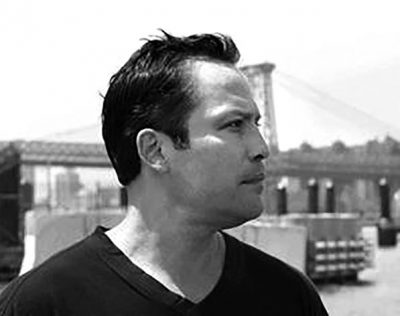
Featuring:
Jock Soto
Bunny met Jock through her work with The Cancer Foundation for New Mexico
Jock is known for his renowned work as a principle dancer with The New York City Ballet for 24 years. He is the author of “Every Step You Take” his memoir published in 2011. He is the son of a Native American mother and a Puerto Rican father, and was born in Gallup, NM. At age 5, he began studying ballet in Phoenix, where his family lived.
He first studied at the School of American Ballet at 11 and he became the youngest principal dancer with the New York City Ballet. Jock now lives with his husband Luis in Eagles Nest, NM where he gives back to his community and enjoys a quiet, private life (away from the subway!).
Episode Transcript
Welcome back to Lifesaving Gratitude. I’m Bunny Terry , and on Lifesaving Gratitude we really believe that stories save us. I ‘m so grateful for my own story and the story of all our guests. On today’s episode, we have a really special guest, someone I’m so grateful to know and be able to call a friend. You probably know him as a renowned dancer with the American Ballet or the author of his memoir, “Every Step You Take,” that was published in 2011. You may be lucky enough to know him as a dance instructor in Northern New Mexico. Personally, I know him as a great friend and an advocate for cancer treatment and survivors. He’s also a survivor himself. So please enjoy this interview and a candid conversation with my friend, the amazing Jock Soto.
Jock: 1:13
Bunny, I’m an open book.
Bunny: 1:15
Okay. Okay. Me too. You know how it works? Jock, I’m so excited that we get to visit. We became fast friends when we met , one day at a coffee shop in Santa Fe to talk about , the cancer foundation. But I know that everybody that’s listening to us is most interested in you giving us, you know , some of your life stories , some of the highlights in your own words, because it’s so amazing. So tell us, tell, tell folks where you’re from, how things played out, how you ended up dancing in New York when you were, you were probably supposed to be a middle school, I don’t recall the exact dates, but talk to us.
Jock: 2:09
I lived in New York city for 38 years, if you can imagine that. And I danced with , the New York city ballet for 24 years.
Bunny: 2:20
Wow.
Jock: 2:21
And I you’re, you’re absolutely right. I see. I quit school when I was 13 and I got into the New York city Ballet when I was six. So that was my whole education, my whole life, everything was with New York City Ballet. And I consider Peter Martins , my father and my partner at the time. My dance partner was Heather Watts. So she was kind of like my mother figure. So, you know, it’s , it’s , it was a long, interesting career. So, I mean the , the fun thing about all of this that I was born in Gallup, New Mexico, I also moved back to New Mexico after all those years. So it’s like , kind of made a big circle back to New Mexico.
Bunny: 3:12
That’s kind of how life works. Right?
Jock: 3:14
I think so. Yeah. I agree.
Bunny: 3:16
You know, and I think I, you know, we always end up in places that we never, I mean, I never, you know, when I was high school and they had us talk about what we wanted to do with our life, I didn’t see this, but wow. Is this magic? I mean, it’s, so it’s life takes you to really amazing places. So , what, why ballet, where , when did that happen?
Jock: 3:42
You may remember the ed Sullivan show. They had the , the bell tower shows and all that stuff. And we had our black and white little television in our RV, and I was watching it one day and I saw Edward Villella famous, famous dancer dancing , on, on, on television. And I just went crazy. I was five years old and I thought, you know what? This is what I want to do. My mom had already started teaching me how to do the hoop dance , side by side with her when I was three. So dancing for me was just in my blood, it just had to happen. So my mom found through the yellow pages. That’s how old I am, the local ballet school. And she called and she, they took me there. I auditioned, and I was taken immediately into this valley school because literally I was the only boy that wanted to dance in Phoenix, Arizona. So that’s how.
Bunny: 5:01
And so how did, how were you discovered? I’m sure I’m telling a story that other people have read. But you know, but my brain is old and I don’t remember all the details. How did that happen?
Jock: 5:18
When I was 11, I was in a Christmas , production for the school that I had joined and yes, a woman came backstage and she said to my parents, she said, this boy has to either go to Russia or to New York city. And my parents w ere like, he’s not going to Russia. So my mom found t he school of American Ballet in, in New York city. They saved up money. My mom and I flew to New York when I was 11. And, I auditioned the school, which was the official school of the New York City Ballet. And, they took me right away and I stayed for a couple of months, with my mother. We were staying with my aunt in the Bronx. And, and I was, I just, I couldn’t believe what was happening. I was just like, oh my God, New York city, I came from nothing, you know, just little mountains here, little mountains, there. Not buildings that were just g oing t o be enormous. And I fell in love with New York city right away. I stayed for two months, got a growing pains in my knees. And we moved back back to California where my brother was trying to pursue his acting career. And I stayed there for a couple of years auditioned again for the school of American ballet, got a full scholarship for the five week, summer course. And then they asked me to stay for the winter. So I kind of was like, just walking around, going, oh my God, what is happening? What is happening? But the happy place for me was in a ballet studio with my teachers. So that’s when I discovered the love for, what my career was headed to.
Bunny: 7:16
So what year? You know, you don’t have to tell us how well, you know, I’m 60 this year. I don’t know how old you are this year, but so let’s talk about those years because you did some amazing , you know, in addition to the dancing, which was obviously the center of the world for you, you lived in New York in a pretty interesting time. Right?
Jock: 7:40
Most, definitely 1978. I mean, you know, it was , it was crazy. And I was, if I was 13 at 14, me and my buddies that I was living with, we were going to studio 54. You know, we chose him to come in to the studio, but the board, our age for free, you know, and it was , yeah , it was pretty crazy. And the streets of New York, there was trash everywhere. There was, you know, dogs were pooping everywhere. There was just pollution. It was, but it was pretty amazing. Pretty amazing.
Bunny: 8:23
That’s so interesting. And you, were the youngest principal right at the New York city ballet.
Jock: 8:32
I was promoted when I was 20. Yeah. Yeah, I was, there was nobody more shocked than me, but yeah , shocking. Yeah . And, you know , it’s funny because I was promoted in 1985 to principal with these famous dancers. And so I was just kind of like, what is happening? What is happening, what is happening ? But then, you know, we just danced all day long. We danced from 9:30 in the morning till 11 at night, you know, and it was just, that was just what I was used to doing. So , being a principal dancer with all those other gorgeous dancers was shocking to me, but no one was more happier than my mother. So, I mean, you know, she was just kind of like, she was like a Navajo, Puerto Rican guy has become a principal dancer with the New York city Ballet who would have stopped that would have ever happened. The last native was Maria Tallchief.
Bunny: 9:39
You know, you and I are both New Mexico natives. And we love where we come from. I mean, I’m very proud to be from New Mexico. You know, some people in the United States don’t even know that we’re a state yet. And at the same time there’s, I think there’s something about being from here that makes us really open to these broad experiences. And these, I’m like you , I love New York. I always, when I was living in Albuquerque and thinking about where I wanted to go next, I was like, well, I could either move to New York city or move to Logan, New Mexico, you know, population 1100, just because life is so fascinating to us. But so you’re in the middle of this crazy, this incredible full rich artistic life and your mom and your dad both at some point got sick. Right?
Jock: 10:37
My dad , got colon cancer, pretty young. And I think in his thirties and he lived until he was 78 and my mother got cancer at 58. And she lived until she was 64. And, you know when, when you’re my age and you’re working so much in New York and, you know, it’s just kind of like this sort of a thing where you put i t in the back of your mind thinking, oh, they’re going to be fine. They’re going to be fine. But as I got older and went to see my doctors here in New Mexico. Doctors, you know what that’s like, you know, I just, one day w ent, got my blood test. The doctor called me back in and here a t Angel Fire actually at urgent care. And what really kind of got me upset was he was so nonchalant about telling me how I got cancer. Here’s like, blah, blah, blah, this, this, this, and you have this, you have to check this. Maybe you’re diabetic, you might have cancer. And then he went on to another subject and I was like, wait a minute back up. Y ou said, well, you know, you y ou’re, you’re g oing t o have to get tested for cancer. And I went, okay. And my husband was waiting for me outside in the car. I get i nto the car. He said, are you okay? C ause I was completely white, pale and crying. And he said, what is happening? And he said, he said, well, we have to get this tested immediately. We have to get you tested. So we made all these appointments and everything. But I just, what offended me the most was the fact that the way he told me it was just kind of like, you know, e very d ay deal, this is what I do and you have cancer. And it was, it was pretty shocking,
Bunny: 12:53
Jock I had a similar experience, you know I went to the hospital with a pain in my side and this woman did a colonoscopy and she said, wow , that’s cancer. I mean, I heard her, she said, I’ve been doing this for 17 years. I know cancer. When I see it, it was almost like, and I was awake for that. And so I, so it is shocking. And the minute that you hear that it may, it could be your body that has this disease that we’ve had in our heads for so long as the absolute worst thing that can happen to you, your brain kind of stops, doesn’t it?
Jock: 13:33
Yes, exactly. And you know what Bunny? I lived through the whole AIDS crisis, which is still happening. All through the eightiesI had people dying left and right. You know , and we were going to funerals all the time. But when it happens to you, you’re just kind of like helpless, you know? And I know that with my cancer, it’s curable, but with my mom and my father, my father lived for a very long time. And you know, the last two years of my father’s life he decided to go off chemo. He was like, Nope, no more. And the doctor gave him two years to live. But he was okay with that. You know, with my mom, it was a different story because she had to go through really crucial chemo and all of that stuff. And then the last two weeks of her life, she was in hospice. And I remember spending the last , day with my mother and all I could say to her, I was just heading her head and she couldn’t speak, she couldn’t move. Couldn’t do anything. And all I remember doing is saying, mom, you can go, it’s okay to go now. And, she died five hours later, but it was , just living through all of this stuff and then realizing that your whole family can be, can get cancer from, your family. You know, it’s, it’s , uh, it’s shocking. It’s really shocking.
Bunny: 15:18
Well, just so for our listeners who don’t know , all of your history. You came back to New Mexico to sort of take care of your dad, right? I mean, that was a piece of the reason that you came home.
Jock: 15:34
Yes. Well, first of all, I was tired of living in New York city. I was having anxiety. I couldn’t even take the subway anymore because my anxiety just took over. And I thought, I said to my husband, I took business two years ago and moved to , I said, we have to get out of here. I said, first of all, we can’t afford to live in New York and in New Mexico. And I said, let’s go back and , you know, just take care of pop. And you know, we did, we did and you know, his death and , it was , it was hard because he, my dad, my dad is very spoiled. He’s a very, he was a very proud Puerto Rican straight man. So it was , it was tough. But , look where he lived. I mean, he lived here for 10 years, you know, and , by himself, since my mom’s death and everything, but when I got here, of course, I made every meal. I cleaned the house. The refrigerator refrigerator has not been cleaned in years. We took our life back . In other words,
Bunny: 16:50
Well, that’s exciting that what a gift do you know? What , what a gift to get to spend that time with him and to do it in a place that’s so beautiful because you live in the mountains in Northern New Mexico,
Jock: 17:04
We’re in a town that is, if you drive quick enough, it’s gone, you’re gone. You don’t even see the town we live across from the Econolodge in Eagle’s Nest. I mean, it’s and people actually drive to drive around our house to see what we’ve been doing lately. And Luis , he took this whole pandemic to re-stain a whole house. So it, you know, yeah. I mean, it’s a beautiful home. We love it here.
Bunny: 17:34
Well, let’s talk about Luis , cause I know that you’re really, really grateful for that relationship. What , what a guy, he’s one of our favorites. Did you meet in New York?
Jock: 17:45
We met at a bar in New York city. And I was with my best friend. We were wearing like shorts and tank tops and sneakers. And there’s this guy standing over by the bar complete suit and tie. Beautiful. I mean, his outfit, I was just like, oh my God. Drinking a beer. And I walk up to him and I said, what’s with the suit. It’s like a hundred degrees. And he had just gotten off of work. He’s a restaurateur and he’s a sommelier and he , had just gotten off of work and he was just, you know, and that was it. We became husbands right there and then, and we’d been together for 18 years.
Bunny: 18:36
Wow .
Johanna: 18:36
Okay. I want to , I want to interrupt because I read an article about you yesterday and tell me if this is right. Did Mark Jacobs give you guys your wedding suits? Did I read that right?
Jock: 18:50
Yes he did. We went in, I called mark and I said…
Johanna: 19:00
How did you know Mark Jacobs?
Jock: 19:02
I knew Mark. I knew Mark in the eighties from friends and through Andy Warhol and all that whole scene and everything. And we became friends then. And that’s when Mark was becoming this huge deal. And I went to his fashion shows and we , you know, we’d have dinner and brunch and whatever. And so I called him and I, when we were getting married and I, because I used to always borrow clothes. I borrowed clothes from Prada from, from all those people. And you know what said , I’d take them back and all that stuff. And with Mark I went to his store in SOHO Louis , and I went to the store in SOHO. And we were trying on all these clothes and everything. And I said, I need these shoes. I need this shirt and this and this. They were just bringing us all this stuff. And so they packed up all the stuff that we were going to take with us. And I said to his assistant, I said, when should I bring this back? Because we’re going in a honeymoon right after, and I can bring it back after. And she looked at me and she went, what are you talking about? And I said, well, we’re going to bring this back. These are expensive. And you know, she said, no, these are a gift from Mark. I mean, Bunny, you guys. I swear to God. My whole outfit was probably about $20,000.
Johanna: 20:33
That’s a good friend to have. Yeah,
Bunny: 20:39
Well, and he, where is he from originally? Where’s Luis from?
Jock: 20:46
Luis was born in Spain and grew up in Mexico and then Houston. So he’s Spanish and Mexican
Bunny: 20:54
And the , and he’s happy to be in New Mexico
Jock: 20:57
At first. I was like, oh my God, he’s gonna hate it. But now we’re so used to not having anyone around and not having to get on the subway. We have to drive everywhere. It’s like, what two or three hours to get anywhere here, but we’ve gotten so used to it that we really love it. I mean, it’s, this is like paradise for us.
Johanna: 21:20
Yeah that’s a huge change and transition to go from New York city to tiny New Mexico town
Jock: 21:29
Living in New York for 38 years was enough. It’ll be fun to visit.
Bunny: 21:35
Yeah. Yeah. Well, so, so because this is what we talk about. We got to talk about gratitude a little bit. Tell me, tell me the things that you’re most grateful for right this minute.
Jock: 21:50
Well, you’re looking at it. This house.
Bunny: 21:53
Y eah. Yeah. I mean, o ur l isteners don’t know, but we’re, we’re getting to see Jock at home and at the house is beautiful. And I see, you know, we’re friends on Facebook and we share a lot of photos a nd it’s, you have beautiful sunrises a nd beautiful s unset.
Jock: 22:09
And my teepee , I have a beautiful teepee outside. We have to get an , a canvas for, but the year before last, we can sleep eight people in my teepee and I furnished the whole thing and we , we even have wifi out there and it’s pretty amazing. But the wind, the wind blew it down last year. Right when the pandemic was starting, the , the wind up here goes up to 75 miles an hour. So it was bound to happen. We were just lazy taking the canvas down all the time. So we have to get another one.
Bunny: 22:50
So you’re grateful for where you are just like, I am. yeah.
Jock: 22:54
Yeah. And you know, my friends that we’ve developed and this past year, I’ve actually had dancers from New York city Ballet from Boston ballet. They come here to study with me and , I have my dance floor right here. You know, we can go out if it’s warm and if we go out on the deck and you know, they’re doing all their high kicks and turns and jumps and stuff, and it’s been really, really great because that the, all of them got tested. They come here, they spend a week with me, I train with them. And , I have one coming in two weeks actually, but it’s been , great moving back here because I have gotten sort of like recognized as a new Mexican who’s come home. And , I’m trying to spread my wealth with communities with , ballet studios, with ballet companies here in the Southwest, because I’ve never been able to do that because I’ve been in New York. So that for me has been really, that’s what I’m thankful for, you know, showing people what I’ve learned, what I can give them and , spreading the, my knowledge to these dancers here in New Mexico. So that I’m very thankful for.
Bunny: 24:30
Well, you’re doing some projects with Native American students, right? You’ve done. Was this piece that you did last week with , Robert Mirabal? Was that part of something that you choreographed with students?
Jock: 24:46
Yes. I work with this wonderful woman, Patricia Dickinson , who is the director of the festival valley Albuquerque. And , she got in touch with me a few years ago and she wanted me to come teach. So we got to become very good friends. And , then she said, would you like to choreograph? And I said, yes, of course. I mean, that’s, of course I would love to work with your dancers. And , so she called Robert Mirabal and me, and she said, I’d like to put something a show together with both of you. And I said, that sounds great. And I’ve never, you know, I heard his music before but I never met him. And , when we got together, we were like, boom, just instant friends. And , so that’s what we showed this past weekend at the Motor-Rama but it’s actually showing again this coming weekend, but we did it live two years ago and we’re going to try to do it live again next year. And we’re going to add a little more sections and him and his band performed live and in the back of the stage, and then the dancers were in front. And so out of all of this, Patricia says, well , you have to make an appearance. And I said, oh, no, no, no. I say I’m no, I don’t go on stage anymore. Well, that was the whole beginning of now – I’m going back on stage at 56. I’m just like, oh my God. I just finished one movie , um, with Carol Armitage, and now I’m doing another one starting in production this weekend. And then the following weekend for the wheel, right. That museum and the Georgia O’Keeffe museum. But that film that’s on film. So editing will happen. I won’t have to, you know , dance permanently for 10 minutes.
Bunny: 26:54
So you just , when we tried to schedule this before you were going down to White Sands, you were, you went to Abiquiu you and was that the Armitage piece?
Jock: 27:03
Yeah, that was Carol’s piece. And that was just me and her and you know, traveling five hours every day to destinations , but it was, I think it’s going to be a really good film, but, and , you know, I can’t do the stuff I used to do when I was 16, but the movement that I’m doing with Carol is really interesting and she’s in it with me. So,
Bunny: 27:28
And when will that drop? When will that release? Do you know?
Jock: 27:31
I really don’t know. I know that the one for the museum is going to premiere on. I’m just going to take a little look right here. It’s premiering on the 24th of June, the new one.
Bunny: 27:46
Okay. Okay.
Jock: 27:48
I’ll keep you posted.
Bunny: 27:50
Yeah. Keep us posted and then we’ll keep people posted. So I, so we got to tell people how so , so you had this whole cancer experience. That was pretty grueling when I met you. You didn’t look like you look now because you were in the middle of , radiation. How was that? Seven weeks or five days a week. How did that work?
Jock: 28:14
Five days a week for nine weeks. And yeah, it was pretty aggressive. And you know, I don’t know if you feel this, but every now and then I feel really weak and I make myself, I think I make myself sick, but it’s just that , it was so, so much radiation inside at one time. And I had to move to move to Santa Fe and , Christus put me up.
Bunny: 28:48
Well, did the Cancer Foundation provide you with those rooms to stay at the center?
Jock: 28:54
They were so helpful. I can’t even tell you because I couldn’t work. Louis couldn’t work and we had to leave this house and then move to the Santa Fe Suites which they provided for us. They provided a food card and all that stuff, and just the whole sort of , situation was so depressing, you know, because I felt like, okay, either we’re on welfare or unemployment or this or that, I couldn’t go on unemployment, you know? And , they helped out so much and they were so nice. And, you know, you’re, you’re in the radiation, you’re , you’re waiting for 15 minutes. Then you go in and it’s about 30 minutes. Then you change. Then you walk home to home, which is the Santa Fe Suites. And the whole thing to me was so depressing because I thought, why is this happening to me? What this that’s what we always say to ourselves? Why is this happening to me? But they made it so great and so comfortable. And , they were cheerful. And at the very end, when I was done with the radiation, I didn’t even know I was done the day that I went in. And I remember they gave me a little sort of graduation thing and, there were, there were balloons and I was just like, I was just like, oh my God, this is so incredible. If anybody has to go through that, that way. It’s okay.
Bunny: 30:35
Well, and I, you know, I like to think, I mean, the reason I’m so devoted to the Cancer Foundation for New Mexico is because I think that one of the things that people are allowed to do is maintain some of their dignity. You know, where, you know, we’re going to take away that stress of worrying about where you’re going to get a room in Santa Fe in the summertime or during the holidays. It’s, you know, and we, you know , take away that worry about groceries and the cost of getting there. But if you’re, I know that our, our experiences were similar in that you just don’t have time to think about those details when you’re sick.
Jock: 31:17
Well, and you know, what I, I really missed teaching. I really missed being in a studio with students who are so eager and , not to have that, for that long was even more depressing because that’s what I do. I want to move. I want , I want to show them what to do. And , you know, and then getting back into that afterwards was such a pleasure.
Bunny: 31:47
Well, you know, the show title that , Johanna and I came up with for this was the Art of Gratitude, because it seems, I mean, you sort of turned it back into, you know, you’ve, you’ve taken your recovery from this horrible disease. And, and, you know, you’re not just dancing for one ballet company. You’re, you’re giving your art away to your students and to your audience. And it’s, I mean, I’m grateful for that. That’s amazing Jock.
Jock: 32:21
Well, you know, what, if I had a trillion dollars, I’m sure I’d give that away too, but this is what I, this is what I do is what I give. And , I love it. I love it. I mean, I had two beautiful dancers here, not too long ago in my house. And, you know, I was always treated so well by, by the people that I knew. I was always taken to dinners in New York city. I was always sent stuff. Then if I can give back to these dancers and have them actually dance here, you know, these stars it for me, it’s so gratifying. I love it so much. And , and yesterday I taught two dancers , in New York city from Zoom and for an hour, just an hour did that hour of my day. I was like, yes, this is really fun. So yeah.
Bunny: 33:23
Now I know that you’re pretty private, but if somebody wanted to hire you to teach them, how do they find you?
Jock: 33:31
They find me through either Instagram message or Facebook message . And , I have one guy that I’m teaching today at 11, from San Diego, and he’s 18 and he’s, he’s a beautiful dancer. And his, his father found me through message and he, the father danced at Julliard , and I was dancing at SAB and we grew up at the same time and he found me and he said, my son is bored of my teaching. He needs a variety of something else. And I said, yeah, okay, I’ll do it. So I have him and I have a few other few other kids too. So
Johanna: 34:20
Yeah, on Instagram. Sorry. Are you, is it just, is it your name or what’s your (handle)? Because we’ll put it in our description too . Okay.
Bunny: 34:31
I think I follow you, but , well, so I have to ask this because you mentioned it before, but did you know Andy Warhol? Does everybody ask you that that’s the , you know, questions that people always ask you?
Jock: 34:52
That’s one of them ? Well, Andy was a very peculiar guy, but he would, he used to come see us dance all the time. like nightly, cause I usually danced every night and that we would get him George Balanchine’s seats, which were the first rain . Right, right. In the center. And , we would always know that he was there because of the wig. Right. So if the, if the lights came up, we’d see him right in front of us. And then he would always, always send us flowers, huge bouquets and vases. And he’d say love from backstage John. And so whenever that would arrive, my dresser would have to come in with this huge vase and it put it on like my plates . And he’d be like, I guess Andy’s here tonight.
Bunny: 35:57
Was that a wig?
Jock: 35:59
Yeah, he had , he had a pink one. He had a white one. He had many wigs. Yeah . He was, he was pretty great. He , he could be very nasty, like nasty, like a funny nasty. And, he, we would often meet every Sunday night at this wonderful restaurant in New York called Indochine. And, we would, he would just have a huge table of about 20-25 people. And that’s how I met Jean Michel Basquiat. That’s how I met Keith Haring, Brice Marden. I met all these incredible artists through him. So yeah, it was, it was fun in the eighties.
Bunny: 36:46
Yeah. Well, I just read a really great article that Keith Hering wrote about art. In general, you know, how the mind works when you’re playing with that street art. So I’ll send you a link to it. You maybe you’ve seen it, but , um, well Jock, we could talk for hours and hours, but I do want to ask you because we always, we always want to give our guests something to take away our listeners, something to take away. But I mean, you’ve done a lot of things in your lifetime that that would have seemed overwhelming, you know, the move to New York and the becoming the principal that the youngest principal dancer, your parents, both having cancer, you having cancer. What if somebody’s facing something really overwhelming today, you have a , do you have a tip? Do you have a you know, I hate to use the word piece of advice, but you know, if people want to rewrite their story in a way that helps them get through something overwhelming, what would you tell them?
Jock: 37:52
You know, I never ever thought I never graduated from junior high. I never graduated from high school, but what I did is I read everything. I read everything and I started to write about things and I would keep diaries. And , I’d write about my family, my mom, my dad, my brother, my brothers, that to me was just kind of purging my story out there. And I thought if I could just write about how I feel, not gossip. I mean, there’s, there’s a , because I have a lot of gossip. But I think I have to wait until I’m a little older to write , but just writing for me is it was very inspirational. It was just something I could release into the open and go, you know what? I don’t think that there’s anyone like my mom or my dad and their story was so important to me to get out there. And , because we didn’t see each other for many years, you know, there was like a 20 year gap where I just didn’t see my parents . I was traveling, I was on stage . I was doing all that stuff. But you know, the , the one thing I can say right now that I’m really pleased about is that I am getting back on stage at 56 and I’m making dance movies and I’m choreographing, and I’m doing all this stuff that really is beautiful to put out there. And I’m also getting more in touch with my, native side. And, you know, people are kind of inviting me in, I mean, I never thought ever thought that I would be on the Georgia O’Keeffe museum board. Now I am who would have thought, you know, and it’s it’s, I love her and loved her books. I loved her artistry. I love her art. I love her cookbook, which we’ve found, which I have, you know, and I just loved being a part of that whole thing. So the dance aspect about all of this is that I can bring art to those museums. And that’s what I’m trying to do.
Bunny: 40:22
I love it. And the part where you said that you, you always wrote, you know, I think that our stories save us.
Jock: 40:30
I agree.
Bunny: 40:31
I t hink t hat that knowing what your story is and sharing it. I keep quoting this, but, u m, I heard somebody say recently that they quoted, they quoted the great philosopher, Dolly Parton. Yeah. H e s aid, don’t you love her? “Find out who you are and do it on purpose.” And that’s what you’re doing.
Jock: 40:58
I met her once.
Bunny: 40:59
What?
Jock: 41:05
She was tiny, tiny, but she was adorable. I mean, I was just, my mouth is just on the floor. And we, I was at somebody’s house in New York and all of a sudden here she comes out of the guest bedroom and I was just like, what is happening right now?
Bunny: 41:35
Oh yeah. Oh yeah. We’ll have to get together. We won’t gossip. I’ll just, I just want you to tell stories about all those personalities. So, well , this has been so much fun. I know you have to dance in an hour. You have to teach in an hour, but , I’m so privileged. We’re so privileged to have you speak with us. Thank you
Jock: 42:00
For having me. And when I get to Santa Fe I’ll give you a call.
Bunny: 42:02
Please do, please do we’ll buy you dinner.
Johanna: 42:08
Nice to meet you. Thank you so much.
Jock: 42:11
Bye -bye.
Bunny: 42:11
Take Care. Thank you so much for joining us today on Lifesaving Gratitude. Please support us by subscribing wherever you’re listening now, by giving us a five-star rating and a review, and please share Lifesaving gratitude with all your friends. We’re here to share our stories and hopefully help others. You can find Lifesaving gratitude on instagram a t livesavinggratitudepod and at bunnyterry. c om/podcast. Thanks again, everybody.

About the Podcast
Gratitude is a superpower. It can transform—and even save—your life. Author and activist Bunny Terry discovered the life-saving power of gratitude when she survived Stage IV colon cancer. She interviews a wide variety of guests who have also used the art and science of gratitude to survive, and thrive, in their own lives.
Recent Episodes

I Love New Mexico Teachers: Bunny Terry
About the Episode: Summer is coming to an end and a new school year is...

I Love New Mexico Food: Kirk Muncrief of AlbuKirky Seasonings
About the Episode: In New Mexico you know we love food AND we love spicy...

100th Episode Recap: Bunny & Johanna
About the Episode: The I Love New Mexico podcast has made it to 100...
 Bunny Terry is a native New Mexican who grew up on a farm in northeastern New Mexico. Her first writing job was typing stories on index cards on her family’s Underwood, stories that were uncannily like the ones she read over and over in O Ye’ Jigs and Julips, her favorite childhood book. No one thought to save those index cards for posterity, although there is the theory sarcastically circulated by her siblings that they will certainly be worth millions someday.
I have known Jock since his early days at New York City Ballet… first became his #1 fan, and then over the years we got to know each other.. and we have been close, loving friends for many years. I thought I knew him very well, but this podcast gave me a better understanding of the period of treatment, which he did not talk about very much.
He is a remarkable artist, a kind, generous, gorgeous man, with a beautiful soul. I am very devoted to him. Thank you for this… it gives Jock yet another dimension.
He is remarkable, isn’t he? And he’s just added to his numerous superpowers by kicking cancer. I’m so honored to be his friend as well.
I hope to meet more of Jock’s friends as life continues on this crazy, amazing path. Perhaps you and I will get to shake hands or clink glasses in celebration of him one day! My best to you.
Bunny